+86-13566758039


Every athlete understands the significant impact of equipment on performance. Suitable running shoes and rackets can significantly improve the athletic experience and level, while the often overlooked sports water bottle actually plays a crucial role. Its function goes far beyond simply holding water. Its properties, such as keeping drinks cool on hot mountain roads, durability, and maintaining the vibrancy of team logos, are all determined by the materials and decorative craftsmanship. This is about the water bottle's ability to withstand high temperatures, usage, and sports environments. From the selection of high-toughness polymers to durable printing technology, these fundamental decisions make the water bottle a reliable hydration partner, rather than a temporary accessory, transforming an ordinary container into a dedicated tool for fitness, adventure, or daily wellness. Hydration is essential for training, recovery, and staying alert, and the right container makes daily hydration more convenient. For those choosing reusable sports water bottles, heat resistance, materials, printing, durability, customizability, BPA-free guarantees, and the balance between insulation and weight handling are all important factors affecting the daily user experience. Designers and manufacturers consider these factors during development, and users benefit from choosing water bottles that meet their needs for cleanliness, storage, and liquid temperature control.
The foundational material of a Sports Water Bottle is a decisive factor that shapes its core performance. It directly impacts heat resistance, the longevity of printed designs, overall durability, weight, safety, and the daily user experience. The bottle's material plays a key role in its performance with warm liquids, sun exposure, and cleaning, which are as relevant as its initial design.
| Performance Aspect | Material Influence & Behavior | Typical User Consideration |
|---|---|---|
| Heat Resistance | Determines stability with warm liquids and during washing; some materials suit only cool drinks. | Using warm beverages, washing with warm water, or leaving the bottle in hot environments. |
| Durability & Feel | Influences rigidity, flexibility, texture, and impact resistance. | Needing lightweight flexibility (e.g., runners) vs. sturdy, rigid durability for daily use. |
| Weight & Portability | Light materials reduce carry weight; insulated builds add weight but improve temperature retention. | Prioritizing low weight for travel or sport vs. accepting extra mass for better insulation. |
| Print Durability | Surface properties affect how well graphics adhere and stay vibrant. | Selecting bottles for promotional clarity vs. rugged use where print longevity matters. |
| Safety & Maintenance | Affects cleaning ease and long-term safety expectations. | Ensuring quick cleaning after workouts and confidence in everyday safe use. |
As emphasized by engineers, material selection is not merely a manufacturing step but a direct contributor to user comfort, safety, and maintenance routines. A thoughtful choice in base material ensures the bottle reliably supports hydration habits, whether it's being placed in a bike cage, tossed into a gym bag, or used throughout long training sessions.
Hydration shapes how athletes move, think, and recover. Whether you're finishing a high-intensity interval session, pacing through a long outdoor route, or preparing for a competition, fluid balance influences muscular function, temperature regulation, endurance, and cognitive clarity. Attention to drinking habits and practical choices around when and what to drink helps athletes support both physical output and mental focus during training and everyday life.
Hydration is tied to attention, reaction speed, mood, and decision-making. When fluid balance dips, mental sharpness can decline, which matters in sports with split-second choices, tactical reads, or complex motor tasks. Perceived exertion rises, which can result in athletes reducing their efforts early or lacking the confidence to engage in competitive moments. Even modest fluid losses can make motivation and concentration harder to sustain, turning technically simple tasks into frustrating sessions.
Sleep quality and recovery are also linked indirectly to hydration status. Nighttime cramps or interrupted sleep after intense activity can relate to fluid and electrolyte shifts. Restorative sleep supports skill consolidation and readiness for the next session, so a plan that addresses hydration across the day makes recovery more predictable.
Hydration strategy centers on pre-training, during activity, and post-session windows.
Athletes who train multiple times a day should restore fluids between sessions rather than waiting until the next workout. Monitoring urine color and frequency can offer an accessible day-to-day check: pale, steady output generally indicates reasonable intake, while darker color and infrequent trips suggest catch-up is needed.
Different beverages offer different benefits. Plain water meets basic needs during short or low-intensity efforts. Sports drinks with electrolytes and carbohydrate support sustained performance when workouts exceed moderate duration or intensity. Milk and certain recovery beverages pair fluid with protein and carbohydrate to accelerate repair after demanding sessions. Caffeinated drinks can increase alertness but may also have a mild diuretic effect in some individuals; the practical impact is usually small for habitual users but worth personal assessment.
| Situation | Recommended fluid | Why it helps |
|---|---|---|
| Brief workout, mild conditions | Water | Simple rehydration without calories |
| Long endurance session | Electrolyte beverage with carbohydrate | Sustains energy and replaces sodium lost in sweat |
| Recovery window | Beverage with carbohydrate and protein | Supports glycogen restoration and muscle repair |
| Hot, humid training | Electrolyte beverage, strategic cooling | Replaces sweat losses and aids thermoregulation |
Early signs of underhydration include dry mouth, reduced urine output, lightheadedness, and diminished performance. Muscle cramps sometimes follow, though causes vary. Overdrinking without replacing electrolytes can dilute sodium levels, causing headaches, nausea, and in severe cases, confusion. Balancing fluid intake with sodium and monitoring body responses during sessions reduces both under- and over-hydration risk.
Simple field checks include weighing before and after intense or long efforts: losing more than a small percentage of body mass during a session signals a need to increase fluid intake or electrolyte replacement. Don't rely on one cue alone; combine perceived effort, urine checks, and weight change for a fuller picture.
Heat and humidity raise sweat rates and the need for sodium replacement. Cold environments lower thirst cues and can mask fluid needs; indoor heated spaces may also dry air and increase fluid loss. Altitude increases breathing rate and urine output early in exposure, so planned hydration supports acclimation. Adjust volume and electrolyte choices according to conditions and personal sweat characteristics rather than following one-size-fits-all prescriptions.
Frequently chosen for single-serve clarity and light weight, PET offers good shatter resistance and high optical clarity. It is commonly used for cold drinks and promotional giveaways because it is recyclable where facilities exist. PET was not designed for sustained exposure to high internal liquid temperatures; when heated repeatedly it can lose shape and clarity, and repeated exposure to high heat should be avoided.
Favored for reusable bottles and components such as caps, PP has a higher tolerance to heat compared with many thin plastics. Many PP items are labeled as safe for top-rack dishwashers, and its flexibility and chemical profile make it a practical choice where occasional warm liquids are expected. Manufacturers still recommend confirming labels before placing any decorated piece in high-heat cycles.
These newer copolyesters combine clarity with improved thermal tolerance and impact resistance. They are often marketed as durable, BPA-free alternatives for everyday use. Their broader temperature window and clarity make them attractive for premium clear bottles that will see repeated handling.
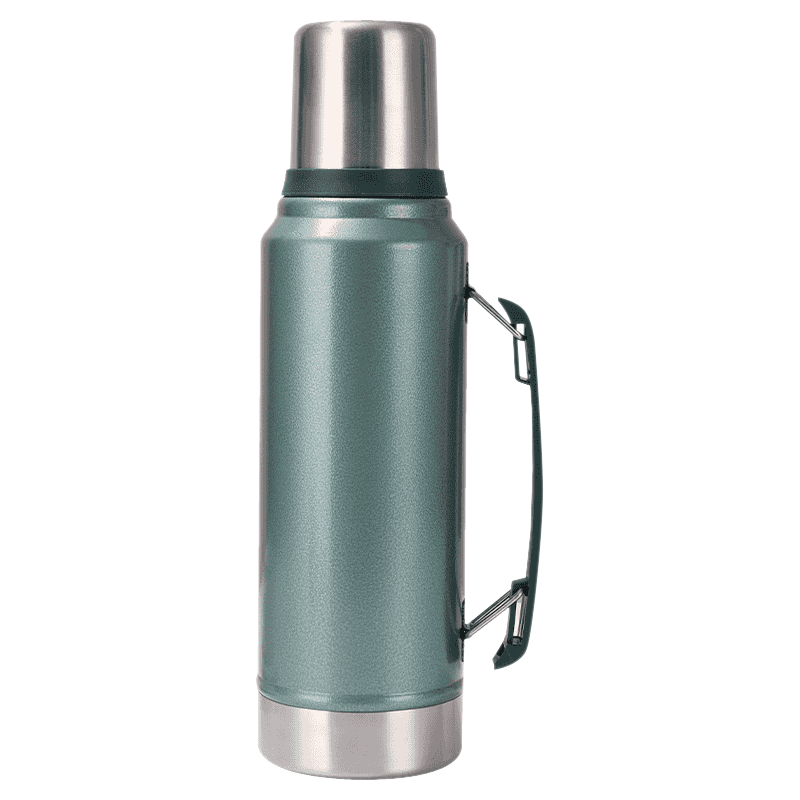
Metal bottles switch the conversation from plastic chemistry to thermal engineering. Double-wall vacuum construction keeps hot drinks warm and cold drinks cool by slowing heat transfer through conduction and convection. The external surface remains more neutral to the temperature inside, protecting wraps or prints from direct exposure to hot liquids. Because metal bottles are decorated differently—powder coating, rotary digital printing, laser engraving—the constraints that apply to plastics don't translate directly.
Manufacturers and health experts advise avoiding putting plastics into direct oven-style heat or repeated high-heat cycles when not explicitly labeled for it; heat can accelerate breakdown of polymer bonds and increase the chance of chemical migration into contents. Looking for the BPA-free label and food-grade certifications is a sensible baseline when selecting a reusable bottle. If a product lacks explicit temperature guidance, err toward gentler cleaning and storage habits.
A decorated bottle is two things at once: a functional container and a visual object. The decoration sits on or in the material and follows its own rules when the object encounters heat, abrasive washing, or sunlight.
Screen printing applies opaque inks in layers directly to the outer surface. The finish can be bold and tactile, but because the ink forms an external film it can suffer cracking, scratching, or gradual wear if exposed to abrasive cleaning, repeated high-heat washing cycles, or physical abuse. That makes careful handling and selective cleaning important for pieces that will be machine-washed or used in rough conditions.
Thermal or heat-transfer labels are applied by pressing a printed film onto the substrate with heat and pressure. The result is often very vibrant, and adhesive quality has improved over time. However, the layer between the design and the bottle is an adhesive film, which may soften or delaminate under very high heat or when stored against hot surfaces for extended times.
Sublimation printing changes the game when it can be performed on a compatible substrate. Under controlled heat and pressure, dye transforms into gas and penetrates a polymer coating or polyester-based material. Because the color dye bonds within the surface layer rather than only sitting on top, the resulting decoration resists cracking and peeling and can tolerate regular washing better than many surface inks. For bottles designed to face heat from washing or warm contents, sublimation on a compatible material and process flow often delivers a resilient outcome.
Sticker-like or pressure-sensitive labels offer convenience for short production runs or temporary branding, though they have constraints in hot or wet conditions. Adhesives can soften, edges can lift, and water can undermine the bond. Use PSLs for temporary campaigns or single-use scenarios rather than durable everyday bottles.
A bottle in a backpack or on a dash faces a different thermal reality than one tucked into a gym locker. Color, wall thickness, and the presence of vacuum insulation all influence how quickly the bottle and its contents change temperature.
Dark colors absorb a larger portion of solar radiation and will raise the surface and internal temperatures faster than lighter finishes. For outdoor events or long exposure in direct sun, lighter hues reduce surface heating and help keep contents closer to ambient temperature for longer.
Single-wall constructions transmit heat readily; a hot drink will warm the outer face and any print sitting there. Double-wall vacuum-insulated constructions slow that flow, preserving drink temperature without heating the exterior significantly. That insulating buffer protects prints and adhesives from internal heat stress and also delivers predictable thermal performance for users who switch between hot and cold beverages.
Hand-washing with warm, soapy water remains the gentlest routine for decorated items and helps preserve surface treatments and adhesives. If dishwasher use is desired, confirm that both the base material and the decoration are labeled dishwasher-safe; when they are, place items on the top rack and avoid the heated-dry function. Those placement and cycle choices reduce exposure to the dishwasher's higher heat levels.
Avoid harsh solvents and strong bleaching agents on printed areas; they can erode inks or adhesives. Non-abrasive brushes or soft sponges and mild detergent are usually sufficient for daily cleaning. For stainless steel interiors, a baking soda paste helps remove stains without harming external prints.
If the plan is cold water on the gym floor, a clear lightweight bottle with a resilient surface print may be ideal. If the goal is morning tea on a long trail, a vacuum-insulated stainless steel bottle with appropriate external printing or engraving provides predictable thermal performance and a different palette of decoration choices.
| Use case | Recommended base material | Decoration methods that hold up | Dishwasher guidance |
|---|---|---|---|
| Cold gym water, frequent drops | PP or Tritan | Screen print with protective overcoat, sublimation on compatible substrate | For care, hand washing is advised; the top rack may also be used. |
| Hot beverages on the trail | Double-wall stainless steel | Laser engraving, powder-coat printing, rotary digital printing | Generally not dishwasher-safe for powder-coated prints; follow manufacturer |
| Branded giveaway at an outdoor event | PET or PP | Heat transfer for fast runs; sublimation for PP-compatible blanks | Avoid dishwasher for thin PET; prefer hand wash |
| Long-term retail product | Tritan or stainless | Sublimation where compatible; digital rotary for metal | Follow label; stainless interiors easier to clean |
Customers sometimes report flaking prints, sticky adhesives, or a change in bottle shape after heat exposure. These issues generally fall into a few categories:
All of these are reduced by selecting compatible print methods, controlling wash exposure, and using insulating construction when hot liquids are in play.
Before approving a large run, run small tests focused on real use cases:
Reusable bottles reduce single-use waste, and selecting durable materials and resilient decoration helps prolong usable life. Powder-coated metal, Tritan, and PP that survives repeated cycles with careful care represent feasible ways to extend product life. From a procurement point of view, investing slightly more in materials and methods that match the intended use tends to reduce long-run replacement needs.
If customers plan to use hot beverages routinely, prioritize insulated vacuum bottles and choose decoration methods that do not place vulnerable adhesives or surface inks adjacent to hot seams or collars. Metal bottles remove many concerns about heat interacting with polymer interiors, and engraving or appropriately applied powder coatings provide aesthetic choices without the same sensitivity to liquid temperature.
The materials, decorative techniques, and maintenance methods of sports water bottles all affect their tolerance to high temperatures, sunlight, and frequent use. Choosing a bottle based on your personal usage habits can effectively reduce wear and tear and keep the bottle looking shiny for a long time. Lightweight polymer water bottles are suitable for short workouts, while insulated metal water bottles are better suited for hot drinks. Choosing the right material, matching the printing process, and mastering cleaning methods can ensure both the safety and aesthetics of the water bottle. You may want to ask the supplier for samples and usage guidelines to ensure that the selected water bottle not only meets your hydration needs but also fits your daily activities. Choosing a sports water bottle is essentially about integrating design with practical function. From bookshelves to gym bags to mountain trails, water bottles will experience temperature fluctuations, physical impacts, and different cleaning methods. Understanding the synergistic effects of materials such as insulated steel and durable polymers with decorative techniques such as sublimation and laser engraving can help make choices that go beyond mere aesthetic considerations and become well-thought-out, reliable decisions. A truly suitable Aquarius has engineering features that subtly integrate into one's personal exercise rhythm, allowing one to focus on athletic performance rather than the equipment itself. It becomes a reliable daily companion, proving that, like exercise, a solid foundation can support every subsequent effort.
Your email address will not be published. Required fields are marked *
* Your email is safe with us, we don't spam.

Our company's products include vacuum flasks, beer mugs, coffee mugs, car tumbler, fire stove and tensile parts, etc.
Phone: +86-13566758039
Tel: +86-0579-87171178
Fax: +86-0579-87171178
E-mail: [email protected]
Add: No.29, Qiaodong Road, Qiaotouzhou Village, Longshan Town, Yongkang, Jinhua, Zhejiang, China.
Copyright © 2026 Yongkang Aijun Industry & Trade Co., Ltd.



 English
 中文简体
中文简体 日本語
日本語 Français
 Español