+86-13566758039

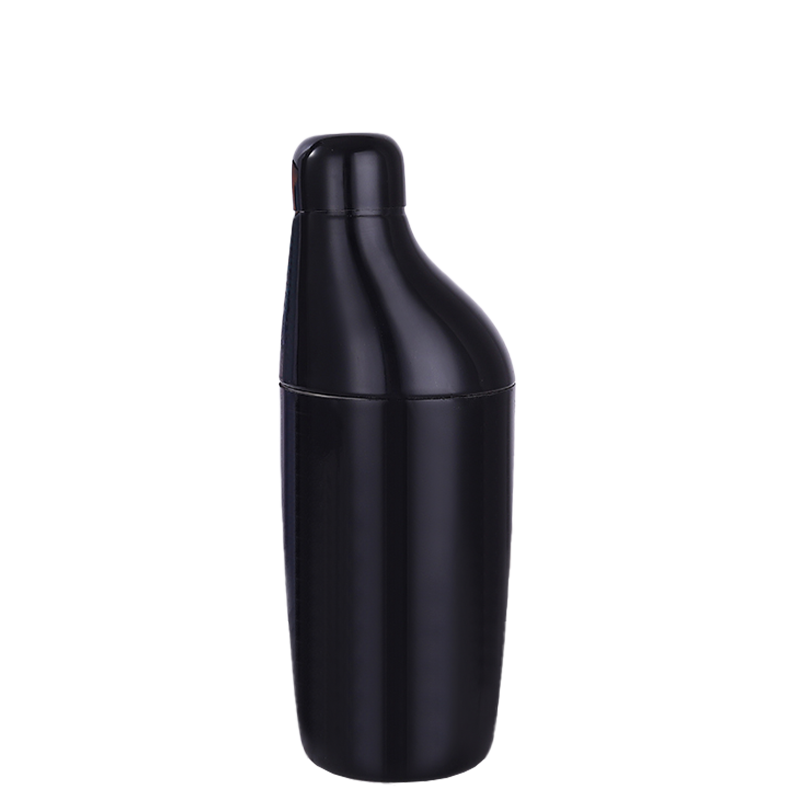
500ml Horseshoe Shaker Product description: 1. Un...
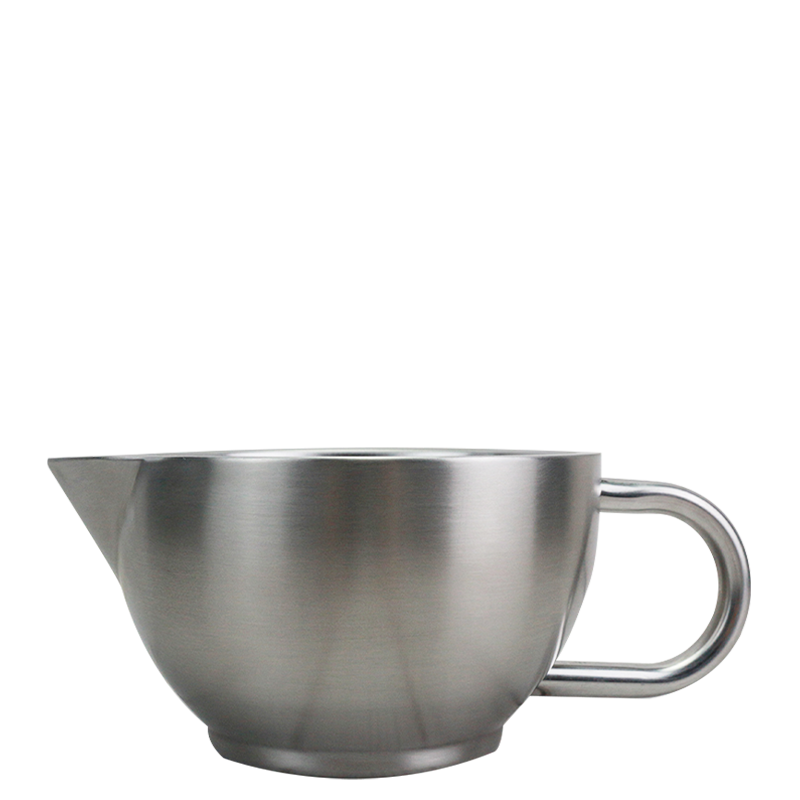
200ml Double-layer Shaving Pot Product description...
Stainless steel tensile parts sit behind a surprising number of products—formed components that need to keep their shape, look clean, and stay consistent once a program moves into volume production. AIJUN's stainless steel tensile parts category covers custom components made with tensile-driven forming methods, including deep drawing, where controlling material flow is essential to achieving stable dimensions and repeatable quality.
These parts are typically chosen for assemblies that don't forgive variation. When your design depends on reliable roundness, controlled wall thickness, smooth trimmed edges, or dependable fit and sealing, forming accuracy becomes just as important as stainless steel's corrosion resistance. That's why tensile-formed stainless components are widely used in consumer product structures, outdoor and lifestyle hardware, and drinkware-related assemblies—applications where both performance and appearance are closely inspected.
AIJUN supports projects from early development through ongoing production. If you're working from a drawing, a 3D model, or a physical sample, we can help align material selection, forming approach, and surface finishing with your functional tolerances and cosmetic requirements. From production consistency to packaging suited for shipping and downstream assembly, the focus is straightforward: stainless steel tensile parts you can count on, batch after batch.



A replacement seal can look simple while being difficult to identify from a cust...
View MoreA vacuum flask description that says a drink stays hot for several hours leaves ...
View MoreAs vacuum-insulated flasks become widely used in daily life, office settings, tr...
View MoreStainless steel vacuum flasks are widely used for daily hydration, office work, ...
View MoreStainless steel stamping is one of the most efficient and dependable methods for producing high-precision metal parts in large quantities. Manufacturers feed flat stainless steel sheets or coils into powerful presses equipped with custom dies, turning raw material into everything from simple brackets and clips to complex, tightly toleranced housings. Thanks to their excellent strength, outstanding corrosion resistance, and cost-effective production, these stamped components have become essential across countless industries.
Everything starts with choosing the right material. Most projects use 304 or 316 stainless steel. 304 offers good all-around performance and formability, while 316 adds extra corrosion resistance for harsher environments like marine or chemical exposure.
The actual stamping usually happens in progressive dies. The metal strip moves through a series of stations in one continuous press. At each station the part gets blanked, pierced, bent, formed, or embossed. For deeper shapes, deep drawing is often added. Most work is done cold to maintain tight tolerances and a clean surface finish.
Once stamped, the parts usually go through deburring, thorough cleaning, and passivation to enhance their corrosion resistance. Many manufacturers also handle secondary operations in-house, such as welding, tapping threads, or light assembly. Thanks to modern servo presses and well-engineered dies, today’s processes minimize material waste, control costs effectively, and deliver consistent quality from the first piece to the last.
Experienced purchasing managers rarely choose suppliers based only on price. They dig deeper.
First, they want manufacturers who truly understand stainless steel — not just any metal stamper. A good partner reviews your drawings early, suggests design-for-manufacturability improvements, and helps avoid issues like cracking or excessive springback.
They also check the supplier’s tooling capability, quality system (ISO 9001 is common but not enough by itself), and track record with similar parts. Can they run prototypes quickly? Do they have in-house CMM and vision inspection? How do they handle tooling maintenance over long production runs?
Total cost matters more than piece price. A supplier who delivers on time with fewer defects often saves money even if their unit cost looks slightly higher. Many buyers now also consider RoHS/REACH compliance and the supplier’s ability to support smaller initial orders before scaling up.
You’ll find stainless steel stamped parts almost everywhere. Automotive suppliers use them for exhaust brackets, fuel system clips, and sensor housings because they handle heat, vibration, and road salt without rusting.
In medical equipment, stamped components appear in surgical tools, device enclosures, and sterilization trays — they can be thoroughly cleaned and resist corrosion after repeated autoclave cycles. Foodservice and kitchen appliance makers rely on them for sinks, brackets, and panels where hygiene is critical.
Electronics manufacturers use stamped shields and contacts for EMI protection and battery connections. In construction and architecture, you see them in door hardware, roofing clips, and decorative fittings. The renewable energy sector is also growing fast — think mounting brackets for solar panels and enclosures for battery storage systems.
Well-made stainless steel stamped parts deliver a great balance of performance and cost when the process, material, and supplier are chosen thoughtfully. Whether you’re launching a new product or improving an existing supply chain, taking time to understand the stamping process and asking the right questions usually leads to fewer headaches and better long-term results.
* Your email is safe with us, we don't spam.

Our company's products include vacuum flasks, beer mugs, coffee mugs, car tumbler, fire stove and tensile parts, etc.
Phone: +86-13566758039
Tel: +86-0579-87171178
Fax: +86-0579-87171178
E-mail: [email protected]
Add: No.29, Qiaodong Road, Qiaotouzhou Village, Longshan Town, Yongkang, Jinhua, Zhejiang, China.
Copyright © 2026 Yongkang Aijun Industry & Trade Co., Ltd.



 English
 中文简体
中文简体 日本語
日本語 Français
 Español