+86-13566758039


Sandblasting is a surface treatment method that changes the texture of titanium by creating a fine, even surface pattern. Compared with a smooth polished finish, a sandblasted surface has a softer appearance and a different touch.
The process creates small changes across the metal surface, reducing the strong reflection that often appears on untreated or highly polished metal. As a result, the cup can present a more balanced matte appearance.
Many users notice the difference through touch. A smooth surface may feel slippery under certain conditions, while a textured surface can provide more contact between the hand and the cup.
A sandblasted finish can influence several aspects:
For manufacturers, surface treatment is not only about decoration. It is also connected with how a product performs in real situations. Different surface designs may be selected according to expected use, target environment, and appearance requirements.
Grip is an important consideration for drinkware used outside the home. During camping, travel, or outdoor activities, a cup may be held while walking, moving equipment, or working with other items.
A smooth metal surface can sometimes feel less stable when hands are wet or when the cup needs to be held for a longer period. A sandblasted texture changes the contact feeling between the hand and the cup surface.
Fine surface texture can provide:
For an Outdoor Titanium Cup, handling becomes especially relevant because outdoor conditions are less predictable than indoor use. Rain, humidity, or dust may affect how a cup feels in the hand.
Surface texture does not replace careful handling, yet it can improve the interaction between the user and the product. Small design changes on the outside may influence comfort during regular activities.
A cup that feels stable in the hand is easier to carry during travel. For outdoor users, practical details such as grip and surface feel often become part of the overall experience.
Metal surfaces with a bright finish can clearly show fingerprints and small marks from daily handling. For products used frequently, keeping the original appearance may require more cleaning and attention.
A sandblasted surface creates a matte effect that changes how marks appear. Fingerprints are usually less noticeable compared with highly reflective surfaces because light does not create the same strong contrast.
Small scratches caused by everyday contact may also become less obvious on a textured finish. Outdoor equipment often comes into contact with bags, tools, or other objects, so surface appearance can change over time.
A matte finish can offer practical advantages:
| Surface Feature | Effect During Use |
|---|---|
| Textured Finish | Creates a different hand feel |
| Matte Appearance | Reduces strong reflections |
| Less Visible Marks | Makes daily handling traces less noticeable |
| Even Surface Texture | Supports a consistent appearance |
Surface design does not prevent all signs of use. Regular cleaning and proper care remain necessary. However, the choice of finish can influence how the product looks during normal daily activities.
For people who carry drinkware frequently, a surface that handles ordinary contact well can make maintenance easier.
A titanium cup can have different visual styles depending on how its outer surface is treated. A smooth finish usually creates a brighter metallic look, while a sandblasted surface presents a softer appearance with less reflection.
For many users, appearance is connected with daily experience. A surface that looks simple and calm may feel more suitable for travel, outdoor activities, or regular use. The matte texture created through sandblasting gives the metal a different character compared with a highly polished finish.
The change can also be noticed by touch. A textured surface feels different in the hand, especially when the cup is held for a longer time or carried together with other equipment.
During product development, manufacturers often consider several details:
For a Titanium Cup, surface treatment becomes part of the overall design rather than a simple outer layer. The finish connects visual style with the way people interact with the cup in daily situations.
Surface preparation can affect later design processes. When additional elements such as colors or markings are added, the condition of the metal surface becomes an important consideration.
A sandblasted texture creates a different base compared with a smooth metal surface. The small changes in texture can support further surface processing and help create a more consistent appearance.
In manufacturing, several factors are usually considered:
For customized drinkware, surface selection is often decided together with the overall product concept. A matte texture may create a different visual feeling and provide another option for design planning.
An Outdoor Titanium Cup may need to balance outdoor practicality with appearance requirements. Surface preparation gives manufacturers more choices when developing products for different applications.
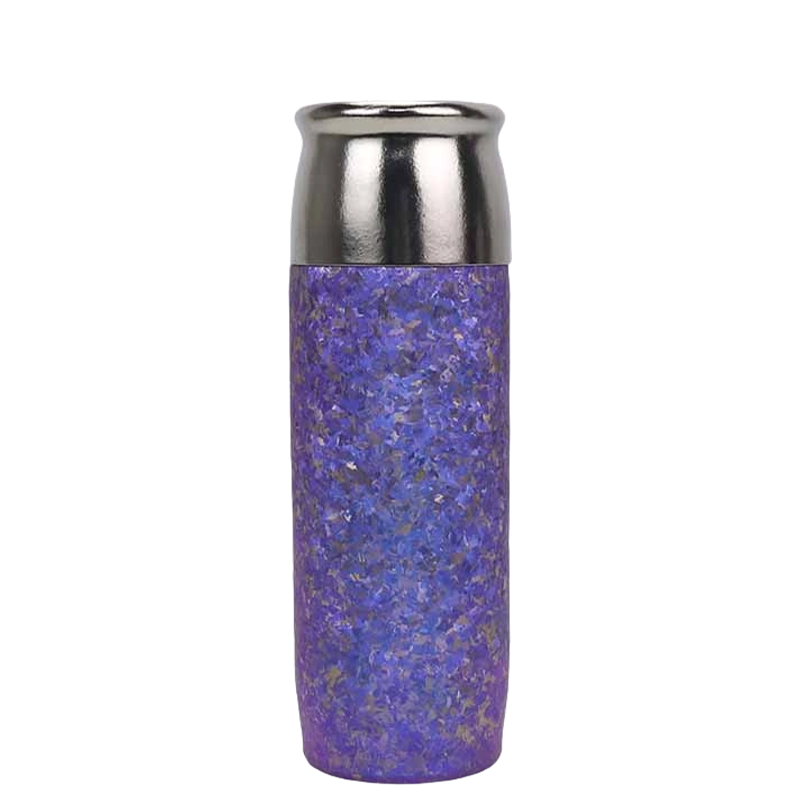
Outdoor environments often bring more changes than indoor spaces. A cup carried during camping, hiking, or travel may be touched frequently, placed inside bags, or exposed to moisture and dust.
Under these conditions, surface texture becomes easier to notice. A completely smooth finish may feel different when hands are wet, while a textured surface can create a more stable contact feeling.
For outdoor drinkware, users often pay attention to:
A sandblasted finish does not change the basic function of holding drinks. Its role is related more to the interaction between the user and the cup.
For an Outdoor Titanium Cup, details such as grip, surface feel, and appearance can affect how well the product fits outdoor routines.
Regular cleaning remains important for keeping titanium drinkware in good condition. A textured surface may make some marks less obvious, yet daily care still affects the long-term appearance.
Simple maintenance habits include:
Outdoor use may require additional attention. Dust, sand, or other materials collected during activities should be removed before storage.
The lid and other connected parts also need regular cleaning. Keeping each part clean helps maintain normal use and avoids residue buildup around edges or connection areas.
Maintenance methods depend on how often the cup is used and where it is carried. Careful handling keeps the surface texture and appearance closer to its original condition.
In manufacturing, surface selection is not only a visual decision. It involves considering material characteristics, production methods, and expected usage conditions.
Different customers may have different requirements. Some applications focus on outdoor carrying, while others may pay more attention to appearance, customization, or daily convenience.
Before choosing a surface treatment, manufacturers may review:
Sandblasting gives titanium products another direction for design development. It changes the outside appearance and touch without changing the basic purpose of the cup.
The relationship between material and surface treatment affects the final user experience. Small details on the outside can influence how a product feels during ordinary use.
A sandblasted finish offers another choice for titanium drinkware design. It changes the visual effect, creates a different hand feeling, and supports various application needs.
As drinkware continues to adapt to different lifestyles, surface treatment remains a part of product development. The connection between material, design, and daily use continues to influence how titanium products are created.
Your email address will not be published. Required fields are marked *
* Your email is safe with us, we don't spam.

Our company's products include vacuum flasks, beer mugs, coffee mugs, car tumbler, fire stove and tensile parts, etc.
Phone: +86-13566758039
Tel: +86-0579-87171178
Fax: +86-0579-87171178
E-mail: [email protected]
Add: No.29, Qiaodong Road, Qiaotouzhou Village, Longshan Town, Yongkang, Jinhua, Zhejiang, China.
Copyright © 2026 Yongkang Aijun Industry & Trade Co., Ltd.



 English
 中文简体
中文简体 日本語
日本語 Français
 Español