+86-13566758039


Selecting a Titanium Cup usually begins with understanding how the item fits into everyday routines rather than focusing only on material features. The same structure can behave differently depending on where and how it is used, so usage context often becomes the starting point of the decision process.
Indoor environments tend to place attention on drinking comfort, heat stability during short pauses, and convenience in cleaning after repeated use. Outdoor environments shift that focus toward carrying weight, available packing space, and the way the cup responds when conditions change during movement or rest.
Carrying method also plays a quiet role in shaping expectations. A stable placement at home or within office space allows slightly heavier structure without affecting daily handling. Backpack storage introduces different constraints since every item shares limited volume and contributes to overall load distribution.
Usage frequency influences how flexible the structure needs to be. Regular switching between environments may require balanced performance across different conditions, while occasional use in a single setting allows more targeted structural preference without needing wide adaptability.
A Titanium Cup is often selected because it keeps a stable form while staying relatively light in hand. This combination becomes noticeable during repeated use, especially when the cup is carried around or exposed to changing temperatures.
The inner surface usually stays steady when used with different drinks. Hot or cold liquids do not easily leave strong changes on the surface condition, which helps the cup remain consistent over long periods of use. That stability also reduces the need for special care during routine cleaning.
Heat moves through the material quickly. This behavior can feel direct when hot water is poured or when the cup is placed near a heat source. In outdoor situations, this quick response can be useful when simple heating tasks are involved, since the cup reacts without delay to temperature changes.
Outdoor Titanium Cup use is not always limited to drinking. In many cases, the same item may switch between holding water, warming liquid, or supporting simple preparation tasks. This flexibility reduces the need to carry several separate containers, which becomes useful when space inside a bag is limited.
Single wall structure is often linked with outdoor use because the design is simple and does not include an extra layer between inner and outer walls. Heat passes through the material directly, which allows the cup to react quickly when placed near a heat source.
This structure can support basic outdoor heating tasks such as warming water or preparing simple drinks. At the same time, surface temperature changes along with the content inside, so handling during heating requires more attention, especially when the cup is exposed to flame or strong heat.
Weight tends to stay low because the structure is not complex. In outdoor carrying situations where several tools are already packed, this lighter build can help reduce overall load without changing the basic function of the cup.
Space use is also more flexible. The simple shape sometimes allows small items to be placed inside the cup, which helps make better use of limited packing space inside a bag.
Single wall structure usually shows these points:
Double wall structure works in a different way. Two layers form a space between inner and outer walls, which slows down how heat moves. Because of this, temperature inside the cup does not change as quickly as in a single wall design.
This structure is more suitable for situations where heating over flame or direct heat is not needed. The main use becomes drinking and holding liquids rather than preparing them, which changes how the cup fits into daily or outdoor routines.
Temperature inside the cup tends to stay steady during use. Drinks remain warm or cool for a longer time compared with simpler structures, especially during slower drinking periods.
The outer surface usually stays closer to the surrounding environment. This reduces direct heat feeling when holding the cup, which changes the overall experience during use.
Common usage patterns include:
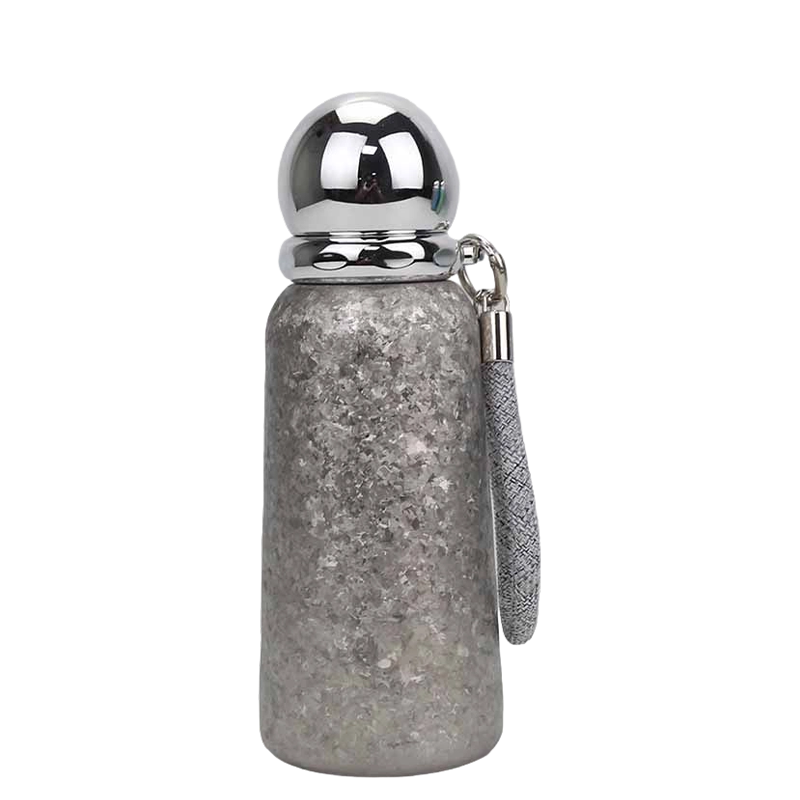
Capacity influences how a Titanium Cup fits into real use situations, since volume affects both handling and how the item works with other equipment during packing.
Smaller capacity is often used for short drinking moments or light use. Medium capacity fits situations where use shifts between different environments. Larger capacity supports longer use periods or shared use where refilling is not frequent.
| Capacity Range | Usage Pattern | Common Setting | Focus of Use |
|---|---|---|---|
| Smaller range | Light drinking use | Office or short travel | Easy handling and portability |
| Medium range | Mixed use | Daily movement between places | Balanced volume and weight |
| Larger range | Extended or shared use | Outdoor or group situations | Storage efficiency and capacity |
In outdoor conditions, capacity choice often connects with packing logic. Some designs allow small gear to be placed inside the cup, which helps reduce unused space inside a bag.
Smaller cups are easier to handle during movement, while larger cups reduce how often refilling is needed. The choice often follows use rhythm rather than size preference alone.
Handle structure often decides how a Titanium Cup behaves once it is placed into real outdoor movement, where storage space is tight and hand stability changes depending on temperature and terrain. The difference between designs is not only about appearance, since grip feeling and packing efficiency tend to shift in daily use.
Folding handles are usually chosen for compact storage. When folded down, the structure stays close to the cup body, which reduces awkward space inside a bag. During use, the handle can be pulled out for holding, although the balance may feel slightly different depending on how full the cup is.
Fixed handles behave in a more steady way. The grip point stays consistent, which can feel more secure when hot liquid is inside or when gloves are used in cooler conditions. The trade-off appears in packing, since the extended structure may take additional room in tight layouts.
Handle-free designs remove extra structure completely. Holding depends on direct contact or simple wrapping materials placed around the cup body. This reduces overall complexity and often fits lightweight packing styles where simplicity is preferred over added support.
Handle choice usually follows usage pattern rather than fixed preference.
A lid changes how a Titanium Cup performs in small but noticeable ways, especially when movement and temperature control become part of daily or outdoor use. Without a cover, heat escapes more freely, and liquid movement inside the cup becomes more active during walking or transport.
With a lid in place, temperature tends to stay more stable during pauses between drinking. Warm liquids cool down more slowly, while cold drinks hold their condition for a longer period. This difference becomes clearer when use is spread over time instead of happening in one short session.
Some lid designs include small openings that allow drinking without fully removing the cover. Others focus on tighter closure to reduce spills during movement inside a bag or when placed on uneven surfaces.
The rim of the cup also interacts with lid design. Thin metal edges can transfer heat quickly, and a lid helps reduce direct contact with high temperature surfaces during drinking.
Situations where a lid becomes more noticeable include:
Weight quietly affects how a Titanium Cup feels once it becomes part of a full carrying system. A small difference may not stand out in short use, yet during longer walking or repeated packing, the effect becomes more obvious.
Single wall structure usually stays lighter due to simpler construction. This supports outdoor movement where multiple tools are already inside the bag. Double wall structure adds another layer, which slightly increases weight while improving temperature stability.
In real use, weight connects closely with comfort over time. A lighter setup reduces pressure during long carrying periods, while a slightly heavier structure may feel more stable when holding hot liquids or during stationary use.
Outdoor Titanium Cup behavior shifts depending on surrounding conditions, since temperature, airflow, and moisture all influence how heat moves through the material.
In warmer surroundings, heat response feels faster, and liquids reach a usable temperature quickly. In cooler environments, temperature loss becomes more noticeable, especially during longer pauses between use.
Air movement also plays a role. Open spaces increase cooling speed, while sheltered areas help maintain internal temperature for longer periods. Moist conditions can slightly affect surface feel during handling, especially after exposure to water or humidity.
Selection of a Titanium Cup often becomes clearer when several small factors are viewed together rather than separately. Structure, size, handling style, and use environment all interact and shape how the cup fits into real routines.
Before deciding, a simple checklist helps bring focus back to practical use rather than appearance or assumption:
Choosing a Titanium Cup usually comes down to matching structure with actual use rather than focusing on a single feature. Single wall design tends to align with situations where heating and lightweight carrying matter more, while double wall design fits drinking-focused use where temperature stability during holding becomes more important.
Outdoor Titanium Cup selection becomes clearer when attention is placed on three practical points. One relates to how often movement happens during use. Another connects with whether heating is part of the routine. The last involves how much space is available inside the carrying system.
A balanced choice often appears when these elements stay aligned instead of competing with each other, allowing the cup to fit naturally into daily or outdoor behavior without forcing adjustment.
Your email address will not be published. Required fields are marked *
* Your email is safe with us, we don't spam.

Our company's products include vacuum flasks, beer mugs, coffee mugs, car tumbler, fire stove and tensile parts, etc.
Phone: +86-13566758039
Tel: +86-0579-87171178
Fax: +86-0579-87171178
E-mail: [email protected]
Add: No.29, Qiaodong Road, Qiaotouzhou Village, Longshan Town, Yongkang, Jinhua, Zhejiang, China.
Copyright © 2026 Yongkang Aijun Industry & Trade Co., Ltd.



 English
 中文简体
中文简体 日本語
日本語 Français
 Español