+86-13566758039


A single layer titanium cup uses one continuous wall, so the liquid inside stays in direct contact with the inner surface while the outer surface changes temperature in a fairly direct way as well. The structure is simple, and that simplicity shapes the way the cup feels during use, since heat or cold does not need to pass through extra space before reaching the hand.
Because the wall is only one layer, heat moves through the metal in a straight path. Hot liquid inside can warm the outer surface quite quickly, while cold liquid can make the outside feel cool in a short time. In daily use, that means the cup reacts fast, and the user can sense the liquid condition through the body of the cup with little delay.
A single layer structure is often chosen for its clean form and light feel, and it also suits situations where direct temperature response is not a problem. In simple use scenarios, the cup stays easy to hold, easy to clean, and easy to understand in terms of function.
Key points of a single layer structure
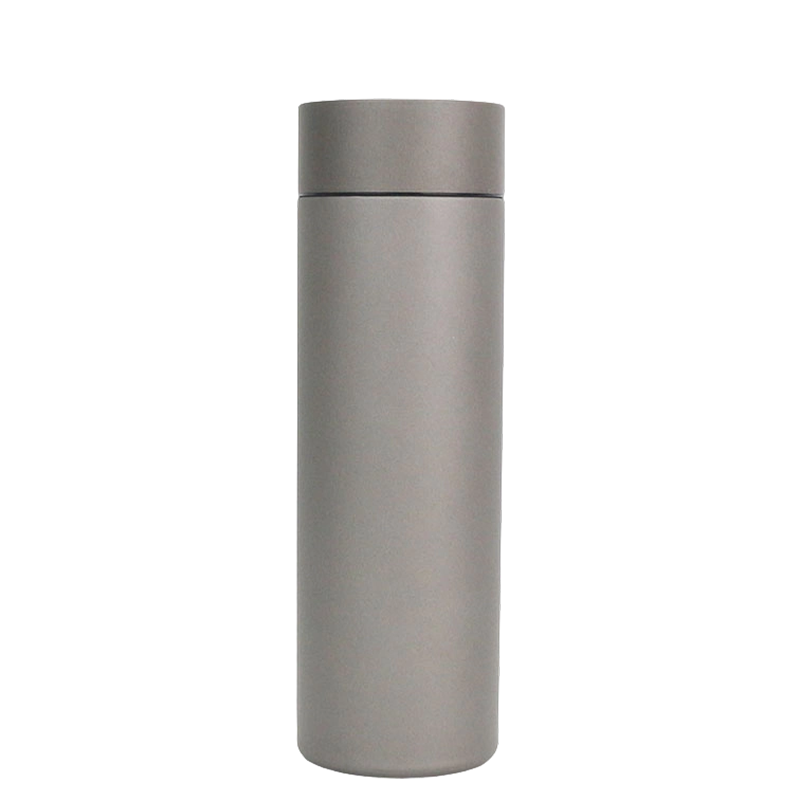
A double layer titanium cup is built with two separate walls, one inside the other, and the space between them changes the way heat moves through the cup. The inner wall holds the liquid, while the outer wall becomes the part that the hand touches, so the two surfaces do not behave in the same way when hot or cold drinks are poured in.
That extra space between the layers slows heat movement, since energy must travel through a less direct route before reaching the outside. The outer wall therefore stays closer to room temperature for a longer period, which creates a different feeling in the hand and a different balance between comfort and responsiveness.
The structure is more layered and more controlled, which gives the cup a different use pattern from a single layer model. Rather than reacting at once, the outside surface changes more gradually, and that softer response is one of the main reasons a double layer form is used in drinkware design.
Main structural features
Heat transfer in a single layer cup happens through direct conduction. Once hot liquid enters the cup, energy begins moving through the metal wall from the inside to the outside, and because there is only one wall in the path, the process happens with little resistance.
The same pattern appears with cold liquid. Instead of holding warmth inside, the cup allows the lower temperature to spread outward quickly, so the outside surface may feel cool shortly after the cup is filled. This direct response can be useful in some cases, though it also means the outer wall can feel too warm or too cold in the hand depending on what is inside.
The surface does not stay separate from the internal condition, which gives the cup a very open thermal behavior. In everyday use, that means the cup closely mirrors the drink temperature, and the hand receives that temperature almost at the same pace.
Typical heat transfer behavior in a single layer cup
A double layer structure reduces heat transfer by adding distance and separation between the liquid and the outside surface. Heat still moves, since no material blocks it completely, yet the path becomes less direct and the outer wall no longer reacts in the same quick way as a single layer design.
The space between the two walls works as a buffer zone. Air or a low-density cavity slows the movement of energy, which means the surface that touches the hand changes temperature more gradually. Hot liquid inside still warms the cup, though the outer shell stays more stable for a longer time, and that change improves comfort during holding.
The same idea works with cold drinks. Instead of making the outer wall feel sharply cold, the layered design slows that effect, so the cup keeps a calmer surface condition. In use, this creates a more balanced feeling, especially when the drink sits in the cup for a longer period.
How the layered structure helps
The surface temperature feels different because the outer wall does not behave the same way in each design. A single layer cup transfers heat directly, so the outside surface quickly begins to match the liquid inside, and that direct movement is easy to feel through the fingers.
A double layer cup creates separation between the liquid and the hand, which changes the way warmth or cold spreads across the body of the cup. The outer wall stays closer to the surrounding air temperature for a longer time, so the hand meets a softer temperature shift rather than a sudden change.
This difference matters in real use. When a hot drink is placed inside a single layer cup, the surface may become too warm to hold comfortably after a short time. With a double layer cup, the outer surface tends to remain more stable, which makes the grip feel calmer and more controlled. Cold drinks follow the same logic, since the outer wall of a double layer cup is less likely to feel sharply chilled.
Surface feeling in use
The weight difference comes from structure. A single layer cup uses one wall, so the material amount stays lower and the overall form remains simple. A double layer cup uses two walls and a space between them, which increases the amount of shaping and material needed, even when the design is kept slim.
That difference does not always feel large in the hand, yet it still shapes how the cup is used. A single layer model often feels direct and compact, while a double layer model may feel more structured and slightly more solid because of the extra shell. For users who pay close attention to carry weight, the simpler form can fit better into light travel routines.
| Aspect | Single Layer Structure | Double Layer Structure |
|---|---|---|
| Wall design | One continuous wall | Inner wall and outer wall |
| Heat response | Fast and direct | Slower and softer |
| Surface feel | Follows liquid temperature closely | More stable in the hand |
| Material use | Lower | Higher |
| Overall feel | Simple and light | More layered and controlled |
For ultralight use, every part of the structure matters, and the balance between lightness and comfort becomes a central point in choosing the cup form.
Ultralight design places weight control at the center of the structure, so wall thickness, shape, and internal layout all need to be considered together. A cup that aims for a light carry feel usually avoids unnecessary material, and that makes the wall design especially important.
A single layer cup fits that idea in a direct way because it does not need an extra shell. The material can be kept lean, and the result is a cup that stays simple in shape and light in hand. A double layer cup still can be made in a light form, though the design needs more care so the added structure does not become too heavy for its intended use.An Ultralight Titanium Cup with double walls requires thinner material and careful gap control to keep weight reasonable.
In practice, ultralight design is not only about removing material. It also means keeping enough strength for repeated use and enough comfort for daily handling. The final structure depends on whether the user values lower weight, steadier surface temperature, or a mix of both.
Design points that shape ultralight use
The making of a single layer cup follows a simpler path, since one wall is shaped into the final form and the production steps stay relatively direct. Fewer structural parts mean fewer alignment needs, and that can make the cup easier to control during forming.
A double layer cup requires more work because two shells must be made and then matched together with controlled spacing. The alignment of the inner and outer parts matters, since the gap between them affects both appearance and temperature behavior. When that space is uneven, the cup may not feel consistent in use.
Because of that, double layer production usually asks for more careful inspection. The shaping process, joining process, and surface control all need attention, since the final result depends on how well the layered form is kept stable from side to side and from top to bottom.
Manufacturing differences
Different cup structures tend to fit different drinking habits and environments, since the way heat behaves through the wall can influence comfort during handling and also affect how long a drink stays in a stable condition. The single layer type usually appears in situations where simplicity and direct response are acceptable, especially when the focus stays on light carrying and quick use.
In outdoor movement or short travel use, a single layer cup often feels straightforward because the structure does not add extra layers, and the temperature inside the cup is reflected on the outside in a direct way. That makes it easy to understand the drink condition without delay, although the surface temperature will follow the liquid more closely.
The double layer structure behaves differently in daily routines where holding comfort becomes more important. Since the outer wall does not react as quickly to heat or cold, the hand can stay in contact with a more stable surface for a longer period. This becomes noticeable when hot drinks are used over time or when cold drinks cause surface chill on simpler structures.
Typical usage tendencies
Choice between the two structures often depends on how temperature sensitivity and portability are balanced in daily use. A single layer cup tends to match situations where weight reduction and direct handling matter more than surface temperature control. The feel of the drink is closely connected to the hand, which may suit users who prefer direct feedback from the cup body.
A double layer cup becomes more suitable when surface comfort plays a larger role. The separation between inner and outer walls reduces sudden temperature changes on the surface, which can make holding more relaxed during hot or cold drink use. That difference becomes more noticeable when the drink stays in the cup for longer periods or when frequent handling is expected.
Rather than focusing on a single advantage, selection often comes down to how the cup will be used throughout the day. Some users may prefer a lighter structure that reacts quickly, while others may choose a more layered design that softens temperature transfer during contact.
Points that influence selection
Someone who values a light load will choose the single layer. Someone who values a comfortable grip and longer temperature retention will choose the double layer. A titanium cup serves both needs, with each design offering clear advantages for its intended use.
Your email address will not be published. Required fields are marked *
* Your email is safe with us, we don't spam.

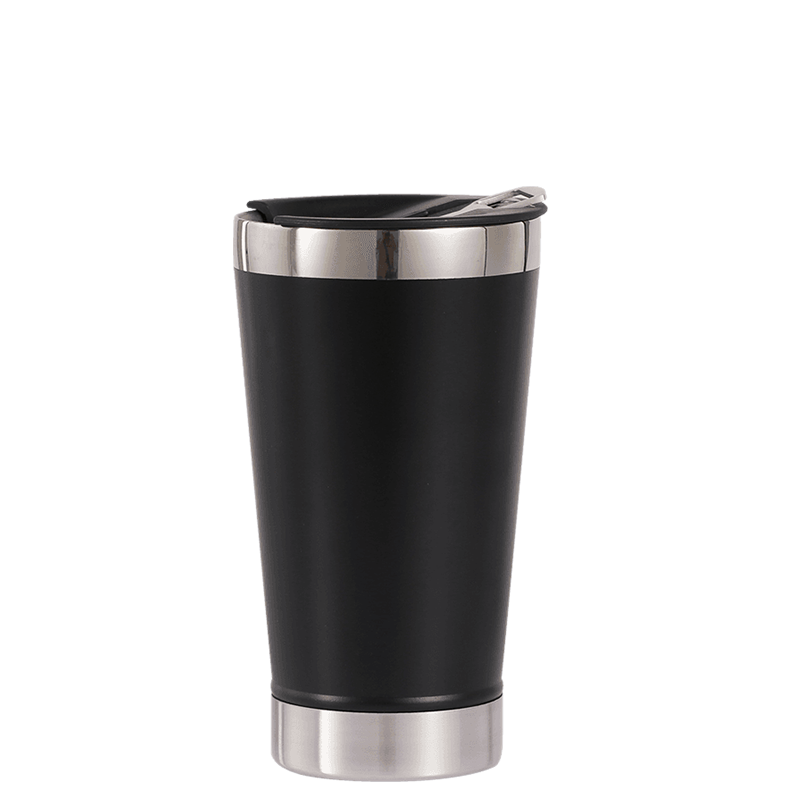
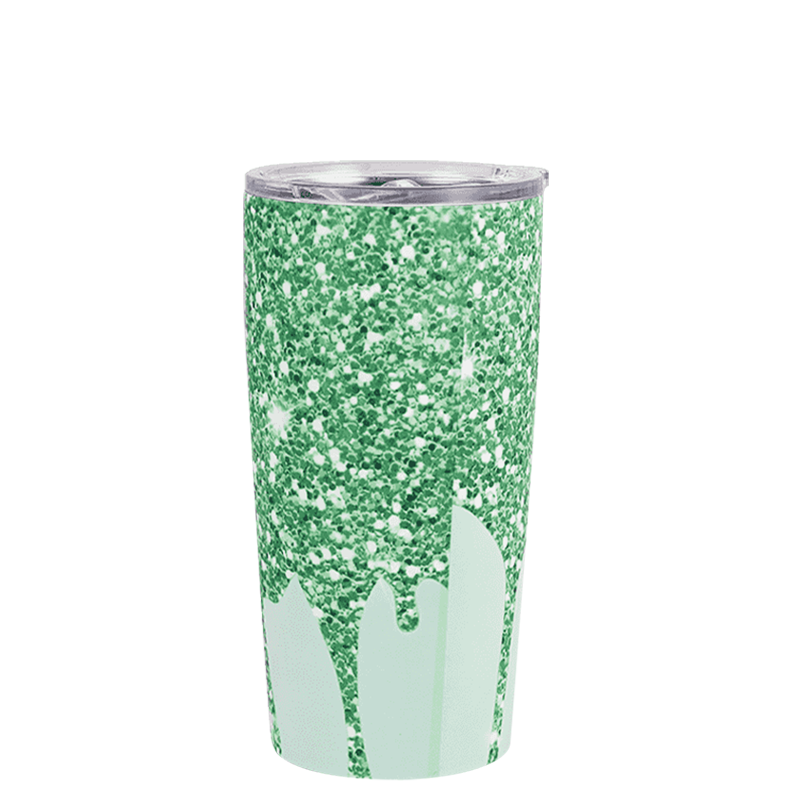
Our company's products include vacuum flasks, beer mugs, coffee mugs, car tumbler, fire stove and tensile parts, etc.
Phone: +86-13566758039
Tel: +86-0579-87171178
Fax: +86-0579-87171178
E-mail: [email protected]
Add: No.29, Qiaodong Road, Qiaotouzhou Village, Longshan Town, Yongkang, Jinhua, Zhejiang, China.
Copyright © 2026 Yongkang Aijun Industry & Trade Co., Ltd.



 English
 中文简体
中文简体 日本語
日本語 Français
 Español