+86-13566758039


Titanium cups appear in a drinkware space where material choice has become more connected with daily movement habits, storage limits, and repeated handling rather than purely visual preference, and their position is shaped by how users respond to weight, durability, and practical comfort during ordinary routines that shift between home, work, and travel.
Titanium Cup tends to sit between everyday household drinkware and travel-focused items, where expectations are less about decoration and more about how easily the item can be carried, cleaned, and reused without changing its condition after repeated use.
In many retail spaces, placement of titanium drinkware often leans toward compact lifestyle goods or outdoor-related categories, which quietly influences how people interpret its purpose before even holding it, since positioning tends to signal portability and long-term use rather than short-term or decorative function.
In broader consumer behavior, titanium cups usually connect with practical decision-making, where attention shifts toward how an item fits into limited space, how it behaves during repeated movement, and how it feels after long-term handling across different environments.
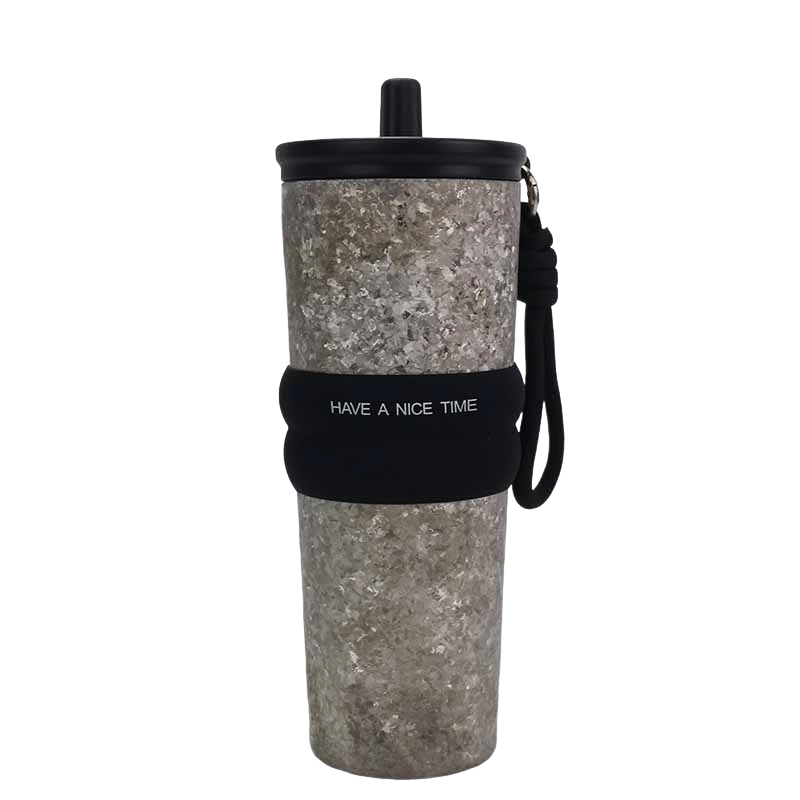
Material properties play a steady role in how titanium cups are perceived, especially when users compare weight and durability against more common drinkware materials used in homes and workplaces, where handling comfort often becomes noticeable only after repeated daily use.
Titanium brings a combination of light structure and stable form, which makes it suitable for repeated movement without noticeable shape change, and that stability tends to matter more in environments where items are frequently packed, carried, or stored in limited space.
Surface stability also contributes to its presence, since repeated exposure to temperature changes or washing cycles does not easily alter its structure, allowing the material to remain consistent over longer use periods.
Compared with other drinkware materials, titanium cups are often associated with:
These characteristics quietly shape how users evaluate practicality rather than appearance.
Interest in titanium cups often develops through repeated contact with routine activities rather than immediate product preference, where weight difference and handling comfort become noticeable only after multiple uses in everyday situations.
In daily hydration routines, drinkware is handled many times, and even small differences in weight begin to influence comfort when carried alongside other items such as bags or personal belongings, making lighter materials feel more natural in longer use cycles.
In travel or movement-based contexts, carrying efficiency becomes more visible, since items are packed and unpacked repeatedly, and drinkware that does not add noticeable burden tends to integrate more smoothly into such routines.
Maintenance simplicity also plays a role in attention development, since users often prefer items that do not require special cleaning steps or careful storage conditions, allowing titanium cups to fit into straightforward daily habits.
Common drivers of attention include:
Different user groups interact with titanium cups through different daily patterns rather than a single shared behavior, and engagement often appears in situations where portability or repeated handling becomes part of normal routine.
People with mobile or movement-heavy lifestyles often notice reduced carrying effort, especially when drinkware is used alongside other items during travel or commuting, where every added weight becomes more noticeable over time.
Office and urban users also form a consistent group, particularly where desk organization, reusable items, and compact storage matter, and where drinkware is used repeatedly without requiring frequent replacement.
Outdoor-oriented users tend to engage with titanium cups in more variable environments, where temperature changes and handling conditions differ throughout the day, making material stability more relevant.
Household use also appears regularly, especially in shared environments where drinkware is used across different members and daily routines shift between indoor and outdoor settings.
Titanium cup usage does not follow a single pattern, since handling behavior changes depending on environment, frequency, and purpose.
Daily users tend to integrate the cup into repeated hydration cycles, where handling becomes habitual and cleaning becomes part of normal routine rather than a separate task, while occasional users may rely on it during travel or specific activities where portability becomes more noticeable.
Environmental conditions also shape usage behavior, since temperature, storage space, and movement frequency influence how often the cup is handled and how it is maintained over time.
| Usage Context | Common Setting | Handling Pattern | Key Focus |
|---|---|---|---|
| Daily Use | Home and office | Frequent repetition | Comfort in handling |
| Travel Use | Transit and movement | Pack and carry cycles | Portability and space saving |
| Outdoor Use | Variable environments | Irregular handling | Material stability |
Demand for titanium cups often changes with daily movement patterns and local living habits, since people in different areas carry drinkware in different ways and place different value on space, portability, and durability. In urban settings, limited storage space and frequent commuting tend to make lighter drinkware feel easier to manage, while rural or travel-oriented environments may place more attention on strength and repeated handling in changing conditions.
Climate also affects how users think about drinkware. In warmer areas, cups may move between indoor and outdoor use more often, while cooler regions may place greater attention on how a cup feels during longer routines or storage periods. The material itself does not change, yet the way people use it can shift quite a lot.
Regional behavior often appears through simple patterns:
A Titanium Cup fits well into these patterns because it is not tied to a single setting, which makes it useful across everyday movement, storage, and repeated handling in different environments.
Design plays a large role in how a titanium cup is received, since people rarely choose drinkware only by material name. Shape, grip, capacity, finish, and the feel of the rim all influence repeated use, especially when the cup becomes part of daily routine rather than an occasional item.
A narrow cup may feel easier to hold in one hand, while a wider shape may suit relaxed drinking at a desk or at home. Some users pay more attention to a smoother outer surface, while others respond more to the tactile feel when the cup is picked up and placed down many times.
Design elements that often influence selection:
For many users, design appeal grows out of comfort during repeated use rather than from one strong visual impression at purchase time. A cup that sits well in the hand and fits common routines tends to stay in use longer.
Titanium cups often connect with people who try to keep daily belongings simple, reusable, and easy to move, since the item fits well into routines that value fewer unnecessary objects and lighter carrying load. In that sense, the cup becomes part of a wider lifestyle pattern rather than just a drinking vessel.
Some users keep a titanium cup at work, another in a travel bag, and one in a home kitchen, using it as a stable item that moves between places without needing different care habits in each location. Others keep just one cup for many settings, which reflects a preference for simple routines and fewer replacements.
Broader lifestyle connection usually appears through:
A titanium cup can fit well into a life that values consistency and low maintenance, since it does not require special attention to remain useful in ordinary settings.
People comparing titanium cups often look at details that affect actual use more than appearance. Size is important because it needs to match drinking habits, storage space, and carrying preferences. A cup that feels too large may be inconvenient in a small bag, while a cup that feels too small may not suit longer routines.
Finish also matters, since surface treatment changes both visual impression and tactile experience. Some users prefer a plain look that feels natural in everyday use, while others respond more to a smoother polished surface. Accessory compatibility can also matter, especially when a lid, pouch, or stackable design is useful for travel or storage.
Common selection points include:
Selection usually becomes easier when the cup matches the environment where it will actually be used, rather than only looking suitable in a display setting.
| Selection Factor | Daily Effect | Common User Response |
|---|---|---|
| Size | Affects carrying and storage | Comfortable when matched to routine |
| Finish | Changes surface feel and appearance | More natural in repeated use |
| Grip shape | Influences handling comfort | Important during movement and travel |
| Accessory fit | Supports portability | Useful in travel or outdoor routines |
Titanium cup demand is also shaped by long-term use experience, since many users notice the value of a product only after it has been handled repeatedly across weeks or months. When a cup keeps its shape, feels easy to clean, and remains convenient to carry, it tends to stay in regular use.
Durability perception builds slowly. A cup that resists visible wear and remains stable through repeated cleaning gradually becomes more familiar and more trusted. That familiarity supports stable demand because users often return to objects that fit their routines without extra effort.
Long-term stability usually depends on:
The market side of titanium cups is therefore tied not only to material properties, also to repeated daily experience and the way that experience stays predictable.
Future interest in titanium cups is likely to remain connected to lightweight movement, compact storage, and reusable daily items, since many routines continue to favor objects that can move easily between home, work, and travel environments. As people carry more personal items in limited space, the value of reduced weight becomes easier to notice.
Lifestyle patterns also continue to support this category. More users now separate their drinkware by use environment, keeping items for desk use, travel use, or outdoor use, which creates room for titanium cups to stay relevant across different settings. The material does not need to change to fit these patterns, only the way people organize and use it continues to evolve.
Future behavior may continue to reflect:
A Titanium Cup keeps its place by fitting into ordinary behavior in a quiet, practical way rather than by standing apart from it.
Your email address will not be published. Required fields are marked *
* Your email is safe with us, we don't spam.

Our company's products include vacuum flasks, beer mugs, coffee mugs, car tumbler, fire stove and tensile parts, etc.
Phone: +86-13566758039
Tel: +86-0579-87171178
Fax: +86-0579-87171178
E-mail: [email protected]
Add: No.29, Qiaodong Road, Qiaotouzhou Village, Longshan Town, Yongkang, Jinhua, Zhejiang, China.
Copyright © 2026 Yongkang Aijun Industry & Trade Co., Ltd.



 English
 中文简体
中文简体 日本語
日本語 Français
 Español