+86-13566758039


People have started paying closer attention to what their daily stuff is made of, especially things they drink from every day. Plastic bottles and cups that end up in landfills for hundreds of years are getting harder to ignore. Metal ones are sturdy but feel cold and industrial. Something that comes from a fast-growing plant instead feels like a step in a different direction. Bamboo fits that picture well. The stalks shoot up quickly—much faster than hardwood trees—and when cut, the roots keep sending up new shoots without replanting. Wrapping a thermos in bamboo gives it a natural covering that still lets the steel inside do the real work of holding temperature.
Users pick up on the difference right away. The outside doesn' t feel like cold steel or slick plastic; it has a warmer, slightly textured surface that' s easier on the fingers. There' s no strong chemical smell or artificial finish. It also quietly reminds whoever is holding it that the thing isn' t adding another piece of long-lasting waste somewhere. Households use them for morning tea that needs to last through breakfast and chores. Offices keep them on desks so coffee doesn' t go cold during long calls. People on trails or at campsites like that they can carry hot soup or cold water without worrying about contributing to another pile of discarded plastic. It' s not about being extreme; it' s about a small, repeated choice that lines up with wanting less harm over time.
Most of these flasks have a double-layer setup. Inside is a stainless steel tube that actually holds the liquid and keeps hot things hot and cold things cold by reflecting heat back in. Outside is a bamboo sleeve that covers the entire body. The bamboo isn' t just decoration—it adds a decent grip so the flask doesn' t slip out of wet hands or slide on a car seat. When you pour in ice water, the outside stays mostly dry instead of sweating all over the table. The look is different too—visible grain patterns, soft brown tones, nothing too shiny or brightly painted.
The lid usually screws on tightly or flips open with a thumb button. Either way, the seal is firm enough that the flask can lie sideways in a bag without dripping. Edges around the top and bottom get smoothed down carefully so nothing catches on clothing or feels rough after months of use. The whole shape stays balanced—wide enough at the base to sit steady on a rock or uneven picnic table, but not so bulky that it takes up half the backpack. Some have a small fabric loop or metal clip so it hooks onto a strap. Nothing fancy, just details that make it easier to live with day after day.
Bamboo doesn't require much chemical assistance to grow in many places where it's farmed. It naturally pushes back against mold and bacteria better than a lot of man-made surfaces, which matters when the outside gets handled all the time. Using it as the sleeve means less plastic wrap or painted coating is needed. The steel inside doesn' t rust easily and doesn' t leave a metallic aftertaste even after years of hot tea or citrus water.
Together they hold temperature longer than a plain plastic bottle ever could—coffee poured at 7 a.m. is still warm enough to drink at noon, water with ice cubes stays cold through a full afternoon walk. The bamboo layer keeps the outside from getting painfully hot to touch, even when the inside is near boiling. It also doesn' t transfer cold as aggressively as bare metal. After repeated fills and rinses, the steel keeps its shine and the bamboo holds its color without cracking or peeling much. The grain shows through clearly, giving each flask a slightly different look—never completely identical, which some people prefer over perfectly uniform factory finishes.
Bamboo comes in from groves where the stalks are cut when fully mature. They move quickly to processing so the material doesn' t dry out unevenly or develop splits. Workers clean off dirt and outer skin, then cut the stalks to length and split them into curved sections that match the flask body. Sanding happens by hand or machine until the surface feels consistent—no sharp edges, no loose fibers. Sometimes the pieces go through controlled heat to reduce movement later when humidity changes.
The steel liner arrives already shaped and welded. Inside gets polished so nothing traps residue or odors. Assembly fits the bamboo sleeve over the liner, usually with safe adhesive or tight mechanical pressure so the layers stay together without gaps. Lids get their own seals—soft rings that press firmly when closed. Every flask goes through several checks before it leaves the line: someone looks closely for scratches or uneven grain, then it gets filled with water to test for leaks, and often put through a hot-and-cold cycle to make sure the temperature holding works as expected. Packaging keeps plastic to a minimum—usually just recycled paper or cardboard sleeves—so the eco idea carries all the way to the customer.
| Production Stage | Primary Tasks Performed | Main Purpose Served |
|---|---|---|
| Bamboo Selection & Preparation | Harvesting, cleaning, cutting, initial shaping | Secure consistent, high-quality natural material |
| Surface Finishing & Treatment | Sanding, polishing, heat stabilization | Achieve smooth feel and long-term shape stability |
| Inner Liner Fabrication | Forming, welding, internal polishing | Create durable, odor-free, corrosion-resistant core |
| Assembly & Sealing | Joining layers, installing lid mechanism and gasket | Ensure leak-proof performance and secure fit |
| Quality Verification | Visual inspection, leak testing, temperature checks | Confirm reliability before packaging |
| Final Packaging & Labeling | Protective wrapping, eco-friendly boxing | Prepare for safe transport while minimizing waste |
A lot of people now think about the environment when they pick up something they' ll use every day. Single-use plastics are getting pushed back harder in more places—bans, taxes, store policies—and stuff you can actually reuse starts looking better. Buyers want things that cut down on waste but still do the job without extra hassle.
Health plays a part too. Nobody wants to worry that their bottle is slowly releasing tiny bits of plastic into their water or tea. Natural materials feel safer, less "fake," more like something you' d trust to hold your drink for years. Looks count as well. In a sea of boring black or silver bottles, something that stands out a little—with a real story behind it—gets noticed. Bamboo flasks hit all these points at once: they help with the eco side, keep drinks clean-tasting, and have that warm, natural finish that doesn' t look like everything else. You see them popping up more with people who carry drinks everywhere—commuting, gym, weekend trips, long hikes, office days. It' s not a fad; it' s just matching what people are already trying to do.
At home it' s straightforward. Pour hot tea or coffee in the morning and it' s still good hours later—no microwave needed. Lemon water, herbal stuff, even broth stays tasting right because the inside doesn' t react with anything. The bamboo outside fits right in on a wooden counter or stone table; it doesn' t look out of place.
When traveling, it slips into a carry-on or daypack easily. Cold water lasts through a full flight or a hot train ride. On trails or camping, it carries boiled water for freeze-dried meals or keeps soup warm while you sit by the fire. The bamboo takes a few knocks without denting like metal would. In the office it just sits on the desk. Coffee stays warm through long meetings, and the lid opens quietly—no loud snap to bother people nearby. One flask handles home mornings, travel days, outdoor trips, and desk work without feeling wrong anywhere.
The people who choose these are usually already trying to ditch single-use plastic. They want something that works just as well (or better) but lines up with cutting down waste. Health-minded folks like that it doesn' t change the taste of water, tea, or infused drinks and feels less questionable than some plastic bottles. City people who care about style notice the nice grain and simple shape—it looks intentional, not cheap. Outdoor types—hikers, campers, cyclists—want something light, tough enough for rough handling, and good at keeping things hot or cold for hours.
All these groups overlap quite a bit. They're not chasing the loudest brand or the many gadgets on a bottle. They just want something reliable in real situations, something that doesn' t make them feel bad about the environment every time they take a sip. The positioning is quiet but solid: good temperature holding, natural look, and a small real step away from plastic-heavy options.
Plenty of reusable bottles out there are still mostly plastic—cheap, light, but people worry about wear, smells, and what happens to them long term. Full stainless ones are tough and hold temperature great but feel freezing cold to hold and show every fingerprint. Coated metal bottles try to add color or grip but the coating wears off eventually.
Bamboo-covered ones sit in their own spot. The steel inside does the same job as the plain stainless ones for insulation. The bamboo sleeve adds real grip (especially when hands are damp), keeps the outside from getting too hot or icy, and gives a look that' s different from everything else. It' s not trying to be the lightest bottle or the flashiest—it just does the job while feeling more natural and less disposable. That mix gives it room in a market where people want something that' s actually a little different, not just another version of the same thing in a new color.
Online works well with real photos: flask on a trail rock, sitting next to a laptop, on a kitchen counter in morning light. Quick explanations about how fast bamboo grows and why it' s different from plastic get attention from people already into sustainability. When regular users share their own pictures or say "my coffee was still hot at 3 p.m.," that means more than any fancy ad.
In person, events around green living, wellness, or outdoor gear let people pick it up, feel the weight, open the lid, see how the seal works. Teaming up with hiking clubs, yoga places, or eco shops gets it in front of the right crowd. Asking owners to tell their friends or post about it helps it spread naturally. Keeping the message simple—natural material, works well, looks nice—makes it easier for people to remember and talk about.
A decent warranty period gives people peace of mind if something goes wrong in normal use. Support channels answer questions about cleaning, what to do if the lid starts feeling loose, or how to get a new seal. Spare seals stay available when needed. Listening to what users say about how they actually use it helps spot small improvements over time. Basic care tips—rinse right after drinking, don' t use super harsh scrubbers, skip the hottest dishwasher setting—keep the bamboo looking decent and the seal tight for years.
Design keeps evolving based on what people actually ask for—different sizes for short vs. long outings, lid variations for easier drinking, surface finishes that hold up better to scratches. Interest in sustainable things is spreading to more places, especially where plastic rules are getting stricter. Factory side looks at ways to use less energy, cut waste in production, add more recycled content where it makes sense. These changes help keep the flask useful and worth choosing as more people care about where their everyday items come from and what they leave behind.
Bamboo thermos flasks bring together natural material qualities, reliable temperature control, and understated design in a way that resonates with current priorities around sustainability and daily convenience. Aijun operates as a factory dedicated to producing eco-conscious drinkware, including bamboo-covered thermos flasks, with attention to material selection, craftsmanship, and practical performance for modern use. Further details are available on the official website : https://www.aijunware.com/ .
Your email address will not be published. Required fields are marked *
* Your email is safe with us, we don't spam.

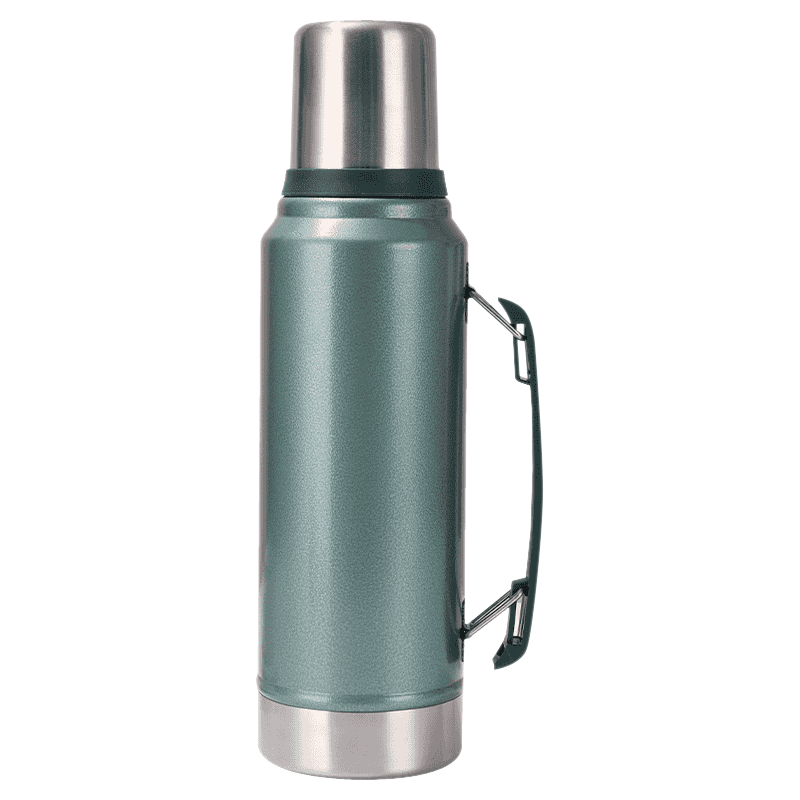
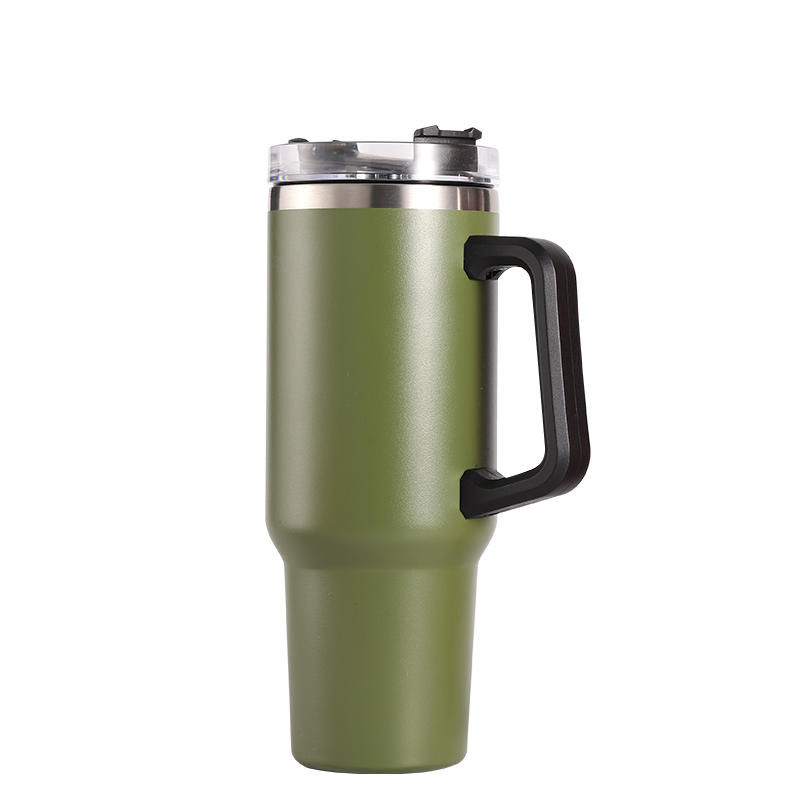
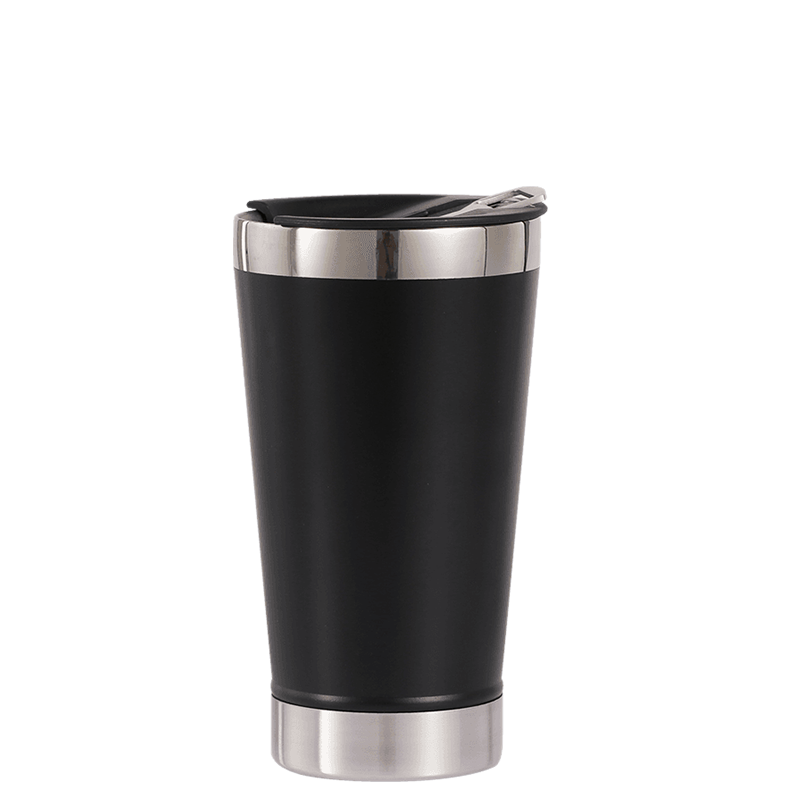
Our company's products include vacuum flasks, beer mugs, coffee mugs, car tumbler, fire stove and tensile parts, etc.
Phone: +86-13566758039
Tel: +86-0579-87171178
Fax: +86-0579-87171178
E-mail: [email protected]
Add: No.29, Qiaodong Road, Qiaotouzhou Village, Longshan Town, Yongkang, Jinhua, Zhejiang, China.
Copyright © 2026 Yongkang Aijun Industry & Trade Co., Ltd.



 English
 中文简体
中文简体 日本語
日本語 Français
 Español