+86-13566758039


Chaotic mornings usually see us filling a cup of coffee in a hurry and racing out, yet it's a real buzzkill to reach for it later and realize the heat has vanished. Whether you're dealing with heavy traffic on the daily drive, stacked in endless conferences, or out in the elements for the day, a Thermos Vacuum Insulated Bottle can change your coffee game from blah to brilliant. Figuring out the inner workings of these bottles and using a handful of sensible habits can spare you from tepid letdowns and deliver steady, hot comfort right through your schedule.
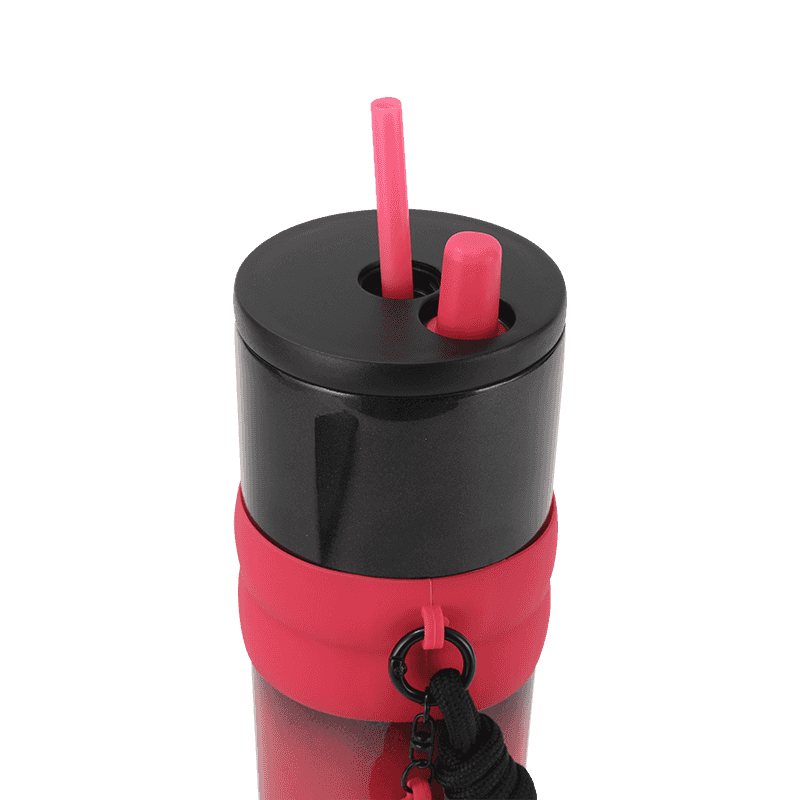
The makeup of your insulated bottle is the main factor in how reliably it guards your drink's temperature. Double-wall engineering sets up a solid divide between the piping-hot liquid and the colder atmosphere around it. By drawing out the air in that middle space to establish a vacuum, heat is prevented from slipping away through conduction or convection—this neat, effective concept is exactly why certain bottles preserve heat for half a day or more, while flimsier options surrender in no time.
Extra wall thickness improves insulation noticeably, at the expense of added bulk and a smaller fill volume. The external finish plays a part too: matte or protective coatings typically handle shifts in outside temperatures better than slick, reflective ones that can pull in heat or cold more easily.
Think through your usual coffee consumption on a normal day before locking in a capacity:
Larger bottles can retain heat longer due to the relative proportion of liquid to exposed surface area, which moderates heat loss. However, the effort of carrying a fully filled, large container often becomes noticeable. A considered balance between size and portability tends to make an insulated bottle a consistent daily companion.
| Material | Heat Retention | Durability | Weight | Flavor Impact |
|---|---|---|---|---|
| Stainless Steel | Exceptional | High | Moderate | Neutral |
| Aluminum | Good | Moderate | Light | Can affect taste |
| Glass-Lined | Very Good | Fragile | Heavy | Completely neutral |
| Plastic Interior | Fair | Variable | Light | May retain flavors |
Stainless steel is now the go-to material for premium vacuum bottles since it stands up to rust, never adds off flavors to your drink, and handles everyday knocks without issue. Opting for food-safe grades ensures no unwanted chemicals ever migrate into what you're sipping. A few brands even add a copper layer between the walls for extra heat reflection, giving a real boost to how long things stay hot.
The primary appeal of a glass interior is its taste neutrality, supporting the detection of finer flavor details in coffee. This comes with a notable trade-off in durability, as the glass lining can break if dropped. This design is an appropriate choice when gentle handling is practiced and taste is a priority.
The lid is usually the biggest vulnerability when it comes to losing heat. Any tiny gap in the seal lets warm vapor slip out and cold air rush in. Pay attention to these lid details:
Certain lids even feature their own double-wall construction, carrying the insulation right up to the top. That small upgrade can make a meaningful difference for drinks you're nursing over many hours.
The interior surface of your bottle begins at the ambient temperature around it, which plays a role in how rapidly your coffee cools during the initial period. Dumping steaming brew into a cool container pulls heat straight into the steel, speeding up the drop you notice early on.
Fixing this takes barely any effort and just a couple of minutes:
This step warms every interior surface evenly, removing the big temperature gap that causes fast initial cooling. With larger bottles, the advantage is often clearer because of their increased heating area. Plenty of dedicated coffee fans build this quick ritual into their mornings, prepping the bottle while the pot brews.
The amount of headspace you leave in your bottle can influence heat retention in unexpected ways. You might figure that cramming in as much hot coffee as possible is the way to go, but a deliberate small air pocket often works better. Still air is a decent insulator, and that thin layer caught between the liquid and the lid adds one more obstacle to heat sneaking out the top.
Leave a small gap when filling by stopping slightly below the threads, which helps accommodate the contents. That level strikes a good compromise—enough insulating air without so much empty room that warmer liquid rises and cooler liquid sinks, speeding up overall cooling.
How hot your coffee is initially also plays a role. Starting with a piping hot pour gives you more heat energy in reserve before it cools to a lukewarm state. A cooler brew has a shorter journey before it no longer retains its warmth.
Vacuum-insulated bottles are already strong at holding temperature, but a few outside helpers can give them an extra edge:
These become especially handy when you're bouncing between hot and cold settings—leaving a cool office for scorching pavement, or stepping out of a toasty vehicle into winter air. The added cushion they create buys your bottle more time against sudden external shifts.
Where you set or carry your bottle during the day can noticeably affect how long the coffee inside stays hot. Heat always seeks colder spots, so putting the container against chilly surfaces or in moving air undermines even great insulation.
Keep these simple habits in play:
A backpack's interior often runs warmer than open space, warmed by your body and shielded from drafts. That little sheltered zone can stretch your coffee's hot lifespan by a solid hour or longer compared to holding the bottle out in the open.
Each time you twist off the lid, a rush of warm vapor escapes while fresh, cooler air rushes in to replace it. One quick open might not seem like much, but doing it several times over the course of a day adds up to the biggest reason your coffee cools off sooner than expected. Every exposure can shave a few degrees off the internal temperature, especially if the lid stays off longer or the surrounding air is particularly chilly.
Cut down on that loss by:
If you plan on several servings across the day, look for a bottle that includes a detachable cup on the bottom. Pour your portion into the cup, close the main lid immediately, and sip from the cup without ever leaving the main chamber open. This keeps the bulk of your coffee protected while you relax with what's in front of you.
Over time, coffee oils, hard-water deposits, and traces of milk or sweetener build up on the inside walls. That coating might sound like extra insulation, but it actually works against the vacuum by trapping moisture and, in worst cases, allowing tiny amounts of liquid to work into seams or weakened spots.
Build a solid cleaning habit that covers:
For daily users, give the bottle a deeper clean once a week. Fill it with warm water and a generous sprinkle of baking soda, let it soak for a few hours, then scrub and rinse well. This gentle method cuts through oily buildup without leaving behind any chemical taste. Skip the dishwasher unless the manufacturer clearly says it's safe—the intense heat and strong detergents can harm the vacuum seal and outer finish.
Different brewing styles deliver coffee at varying starting temperatures, and that directly changes how long your bottle can keep it hot:
Drip Coffee: Brewed at a high temperature, it enters the bottle with considerable heat. Transferring it immediately after brewing captures more thermal energy, supporting extended temperature retention.
Espresso-Based Drinks: The espresso shot is scalding, but adding steamed milk cools the mix quickly. The proteins in milk can also develop off flavors if held at high heat for extended periods.
Cold Brew Heated Up: Warming cold brew concentrate gives you drinkable heat, but it starts with far less stored energy than fresh hot-brewed coffee, so it drops to lukewarm faster.
French Press: You can set the brewing temperature to your preferred heat level. Pouring the drink directly into the bottle while it is still steaming helps make good use of the insulation.
What you add to your drink influences its temperature. Chilled milk or cream can reduce the warmth quickly. For dairy users, gently warming it beforehand, or stirring it in right before drinking instead of in advance, can help maintain heat.
Even top-tier vacuum bottles have to obey the rules of heat transfer eventually. Setting realistic hopes lets you sync your sipping schedule with what the container can truly manage:
| Time Passed | Temperature Zone | Drinking Notes |
|---|---|---|
| 0–2 hours | High heat | Quite hot, may require brief cooling |
| 2–4 hours | Sustained warmth | Pleasantly hot, ready to drink |
| 4–6 hours | Moderate warmth | Warm and agreeable |
| 6–8 hours | Lower warmth | Becoming lukewarm |
| 8–12 hours | Cool range | Shifting toward cool |
These timeframes depend on solid pre-warming, proper fill levels, and few openings. Extreme outdoor conditions can shorten or extend them a lot—a bottle left in a frosty vehicle cools far quicker than one resting in a steady indoor space.
Your own ideal drinking temperature counts heavily as well. Some insist on near-scalding the entire time, while others are content with anything still noticeably warm. Learning exactly when your coffee hits that personal sweet spot makes it simple to plan your pours.
Problem: Some gradual cooling occurs even with Thermos Vacuum Insulated Bottle, as the bottle moderates rather than prevents heat change
Solutions: Confirm you're preheating thoroughly, test the lid for a tight seal with no gaps, check for dents or damage, and avoid setting it on chilly surfaces right after filling.
Problem: The bottle exterior feels hot to touch
Solutions: This signals a broken vacuum letting heat reach the outside—replace the bottle, or make sure you're not mistaking a single-wall version for an insulated one.
Problem: Coffee develops off-flavors after several hours
Solutions: Extended high heat keeps extracting bitterness—try filling with slightly cooler brew, or expect that long-held coffee will taste different from a fresh pot.
Problem: Lid leaks when carrying or tipping the bottle
Solutions: Look over the gasket for wear or trapped particles, screw the lid on straight, stay below the max fill line, and double-check that the lid belongs to your exact bottle.
Winter tests insulation harder than summer because the sharper contrast between steaming coffee and icy air speeds up heat escape. Counter it by slipping the bottle inside your jacket, choosing beefier sleeves, and keeping it in padded carriers when idle.
Summer flips the script. Warmer surroundings seem helpful, but blazing sun and parked cars can overheat the shell. Skip prolonged direct sunlight—the rising exterior temperature can push the coffee past enjoyable heat or build dangerous pressure in a closed bottle.
Vacuum bottles wear out over time. Clear signs it's time for a new one are:
Good-quality vacuum bottles usually last five to ten years with decent care. Budget ones often fade after just a year or two as the seal weakens. Factor in daily cost when choosing between a solid upfront investment and cycling through inexpensive replacements.
Weaving your insulated bottle into your everyday coffee flow makes it far more effective. Set up a morning pattern where you fill the bottle with hot water to warm it up at the same time your coffee is brewing—this turns preheating into a natural part of the process instead of something extra to remember. Place your bottle brush, mild soap, and drying rack close to where you usually empty the bottle so cleaning feels quick and convenient rather than an annoying task.
It is common for coffee drinkers to use a small selection of bottles in different sizes. This balances practicality with coverage for various occasions. A larger one handles long days or trips when no coffee shop or kitchen is nearby, while a smaller, lighter bottle fits perfectly for standard office or errand days when refills are easy. Matching the bottle to the day's demands works much better than expecting one container to do it all.
Vacuum insulation does an outstanding job, but it's still bound by physics. The bottle simply isolates whatever temperature you put inside—it doesn't add heat. After the coffee cools, the same insulation will hold that cooler temperature just as well. So don't count on twelve hours of scalding coffee unless you start with very hot liquid and close off every possible path for heat to escape.
Harsh weather tests those limits even more. A bottle that keeps drinks hot for eight hours in pleasant spring conditions might only manage five during a bitter winter day. A rapid move from a cool, climate-controlled space into outdoor warmth can disrupt thermal equilibrium. This may result in internal condensation or subtle pressure changes.
Beyond the basic enjoyment of hot coffee all day, steady temperature control quietly transforms your entire coffee habit. You no longer sip slowly to stretch out a cooling drink. You stop spending extra money on café cups when your own coffee stays good. You pour out far less because it never turns disappointingly cold.
These small changes add up over time. Consider someone who regularly buys an extra coffee because the one they prepared at home has cooled. Over time, these repeated purchases accumulate noticeably. A reliable insulated bottle quickly pays for itself while giving you noticeably better coffee every single day.
Take a clear-eyed look at your current bottle. Does it keep coffee hot long enough for your typical day? If the answer is no, figure out whether the issue lies with the bottle's quality, the way you're using it, or expectations that go beyond what any insulated container can realistically do. That answer points you toward the right fix: a better bottle, different habits, or simply planning around what your current one can actually deliver.
If you've never tried preheating, give it a go—the difference often surprises people who've been frustrated by fast-cooling coffee. Experiment with how much you fill the bottle and how frequently you open it to find the balance that works for you, where convenience meets effective heat retention. These zero-cost tweaks solve many problems that people think can only be fixed by buying something new and expensive.
Wonderful coffee away from home comes from good equipment combined with thoughtful habits. Your insulated bottle gives you the starting point, but the way you warm it, fill it, carry it, and look after it decides whether you savor hot, satisfying sips from morning to late afternoon or end up with lukewarm drinks that leave you wondering why you even brought coffee along.
Your email address will not be published. Required fields are marked *
* Your email is safe with us, we don't spam.

Our company's products include vacuum flasks, beer mugs, coffee mugs, car tumbler, fire stove and tensile parts, etc.
Phone: +86-13566758039
Tel: +86-0579-87171178
Fax: +86-0579-87171178
E-mail: [email protected]
Add: No.29, Qiaodong Road, Qiaotouzhou Village, Longshan Town, Yongkang, Jinhua, Zhejiang, China.
Copyright © 2026 Yongkang Aijun Industry & Trade Co., Ltd.



 English
 中文简体
中文简体 日本語
日本語 Français
 Español