+86-13566758039

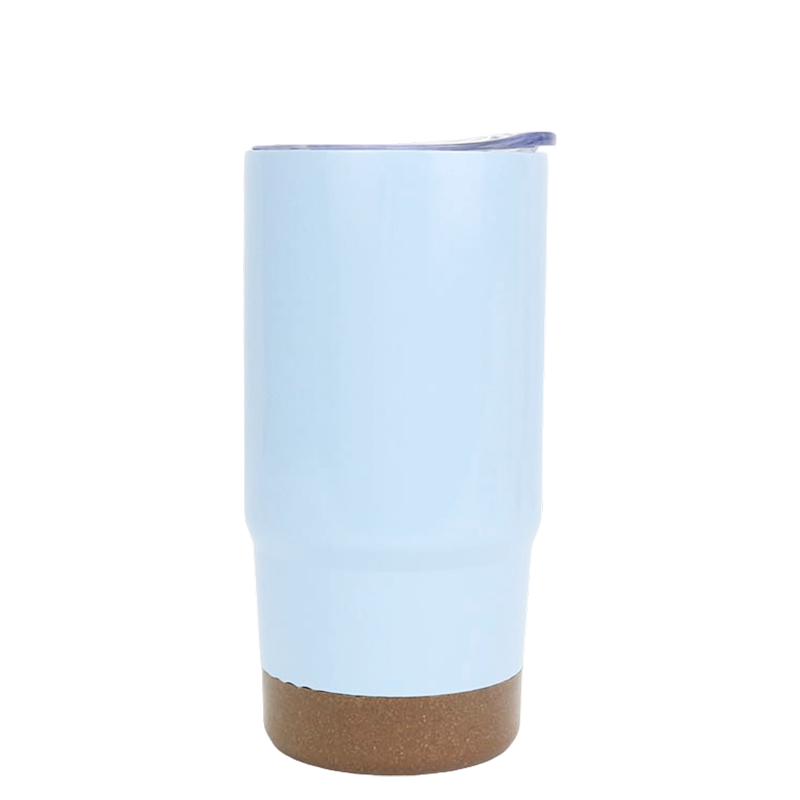
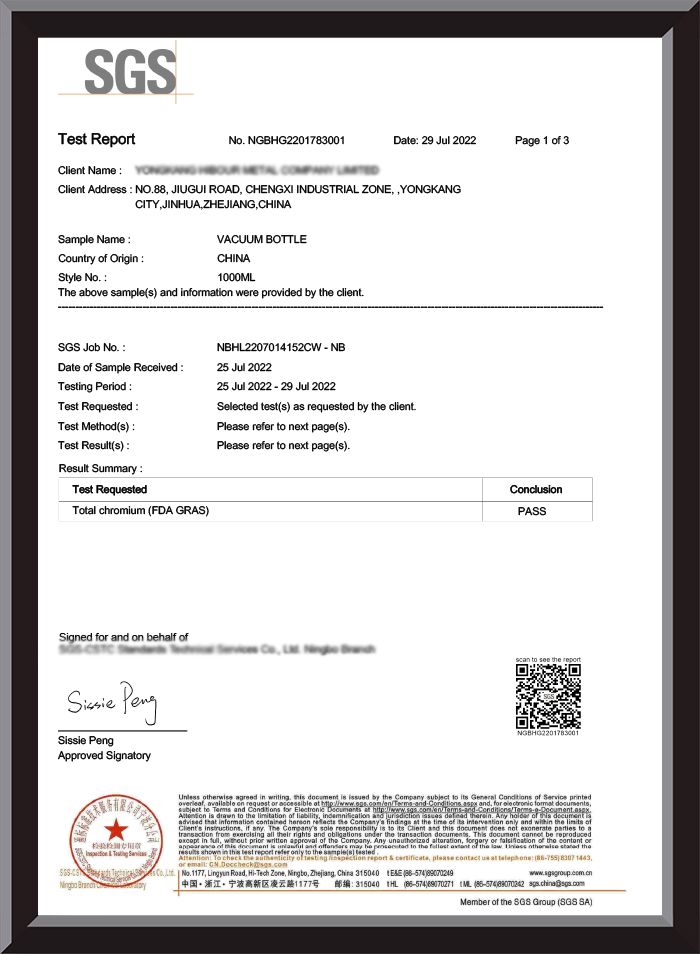
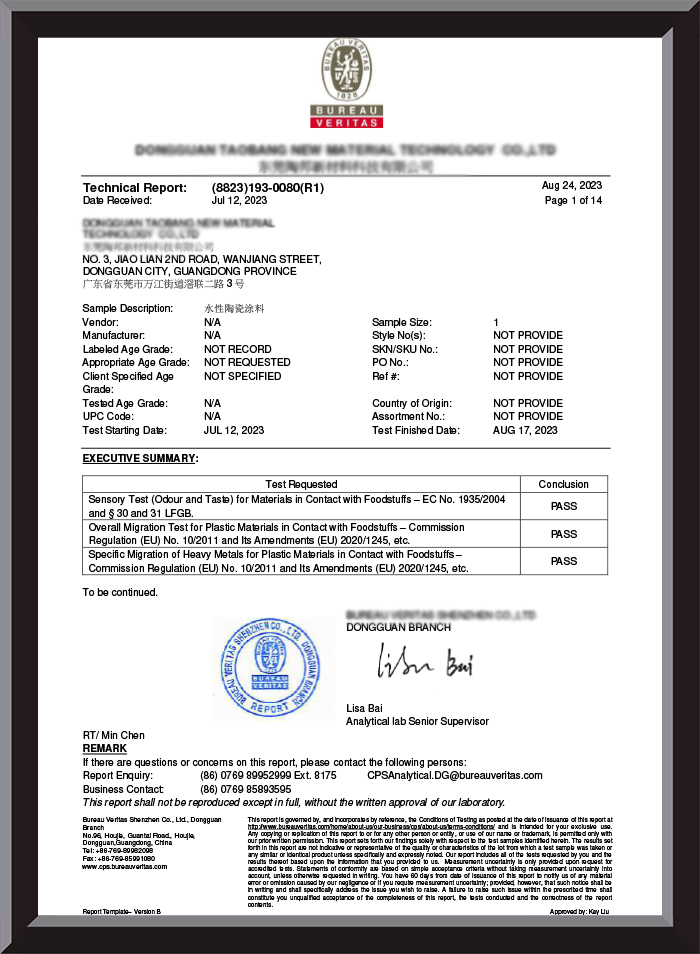
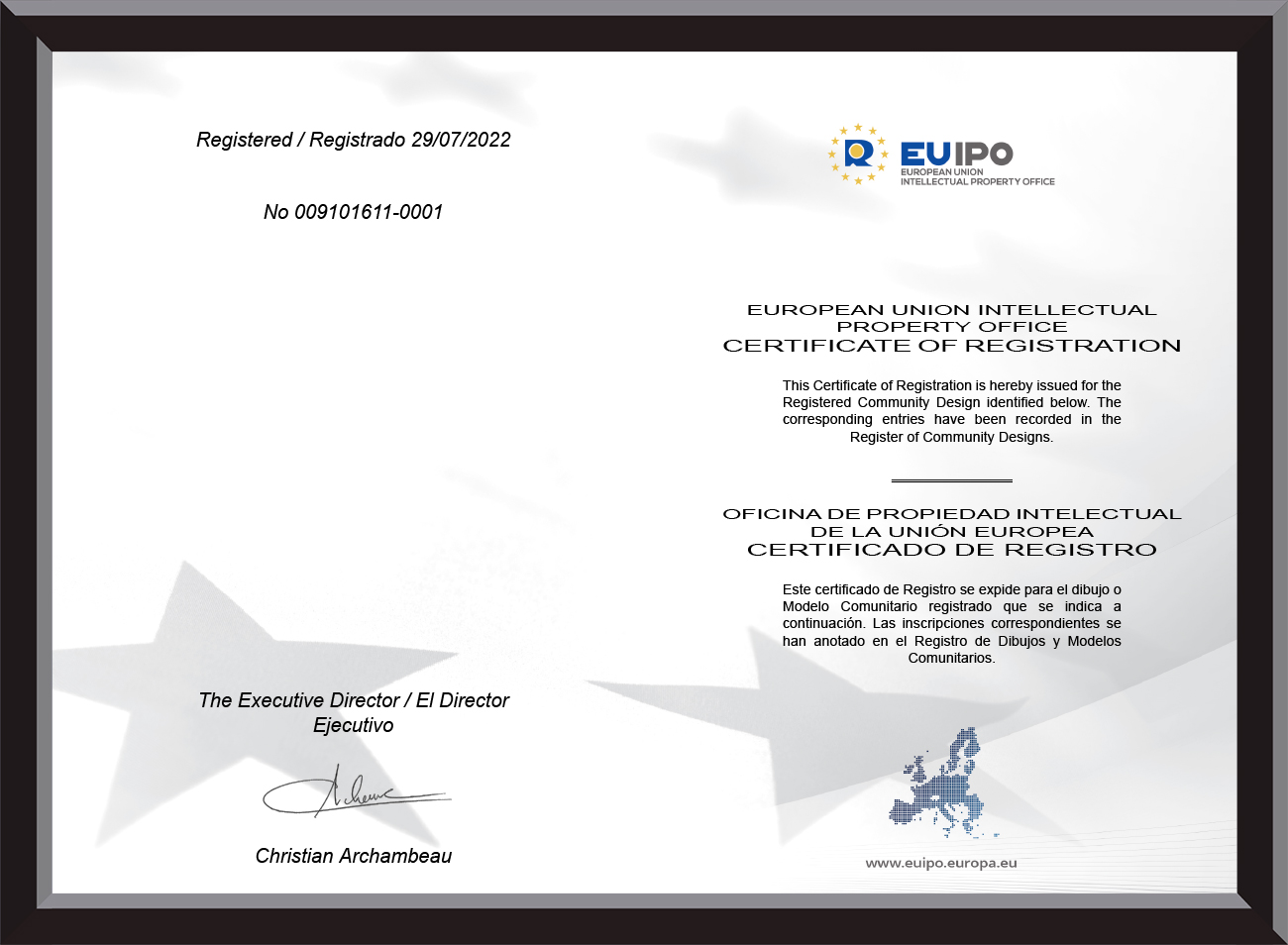
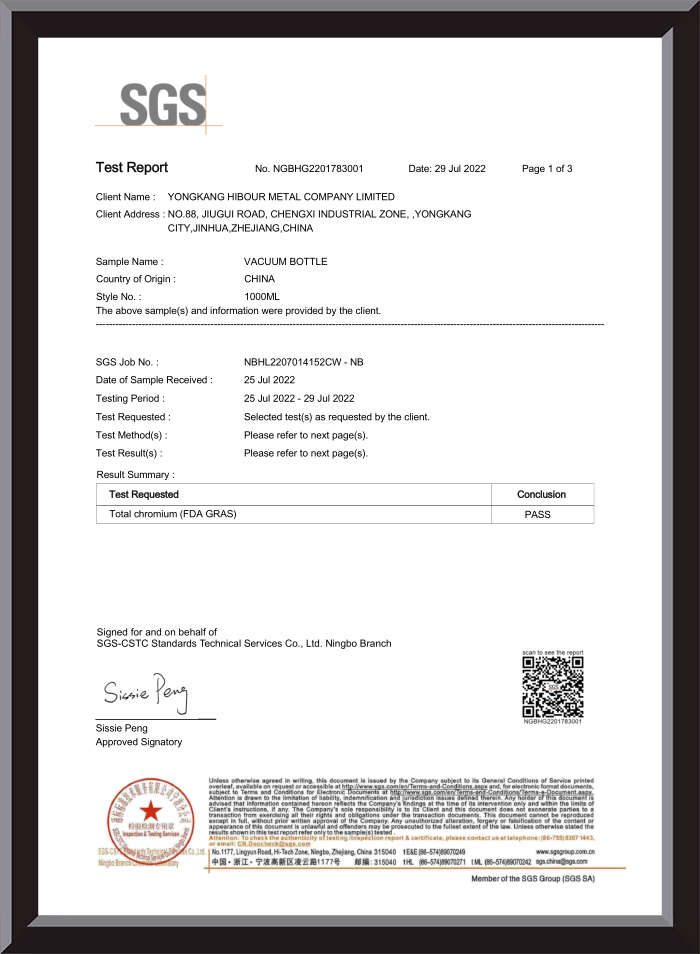
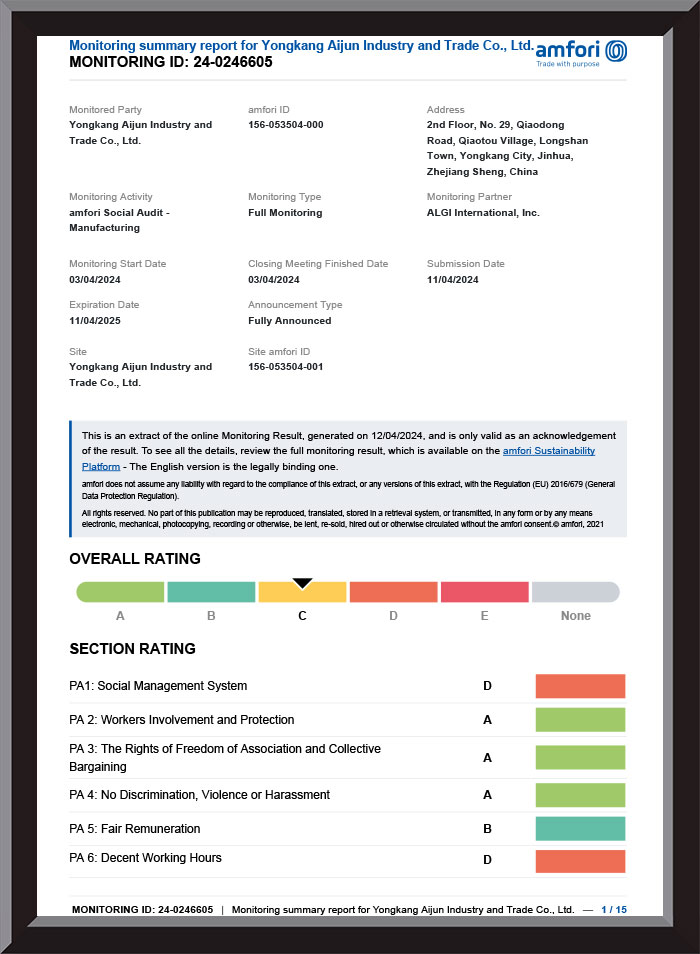
Safety Certifications such as FDA, LFGB, etc. Comp...
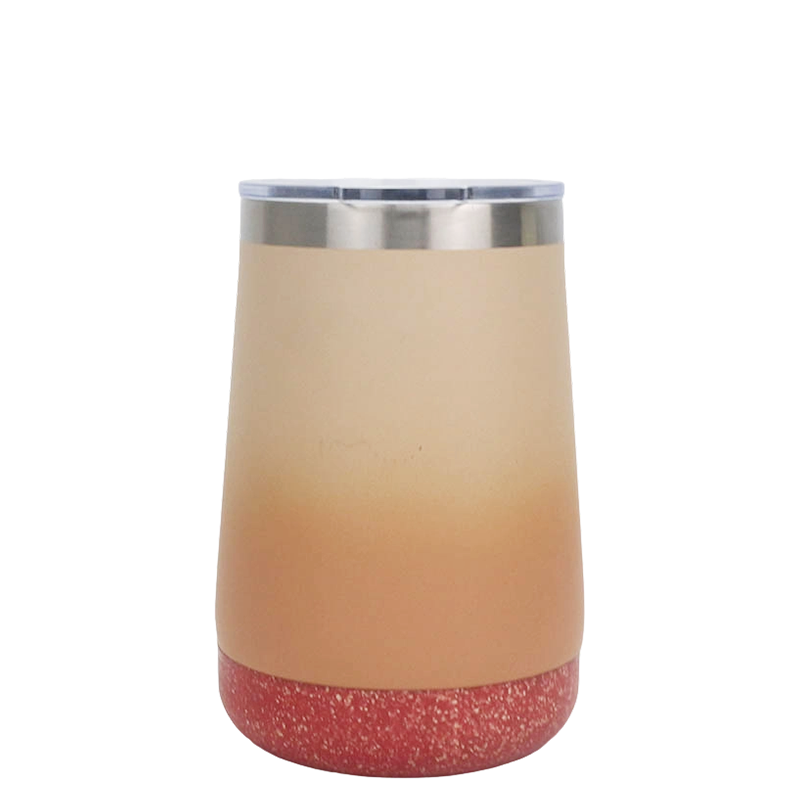
Safety Certifications such as FDA, LFGB, etc. Comp...
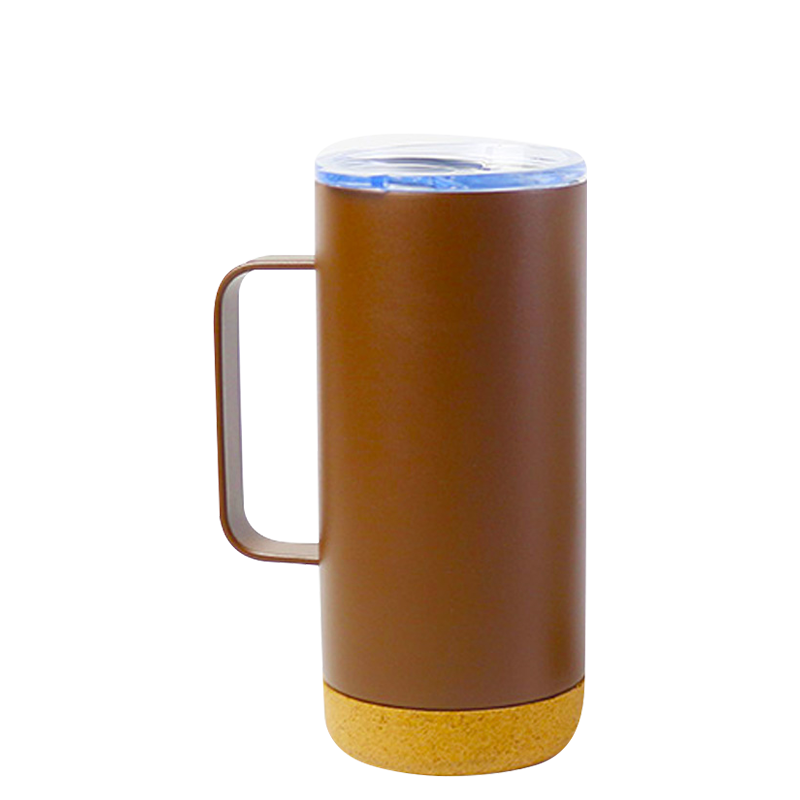
Safety approvals such as FDA, LFGB, etc. Comply wi...
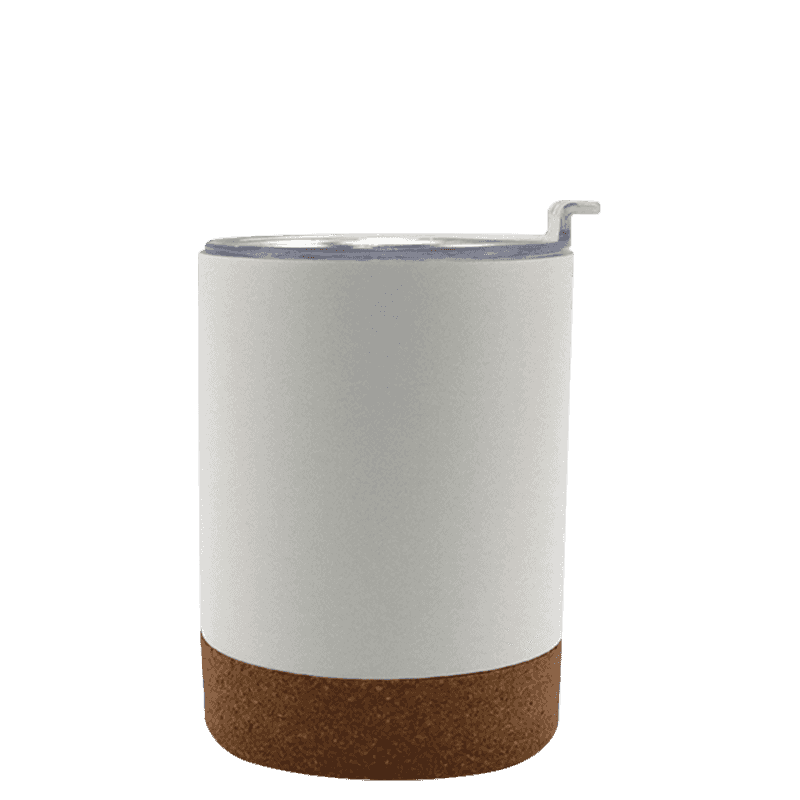
Safety approvals such as FDA, LFGB, etc. Comply wi...
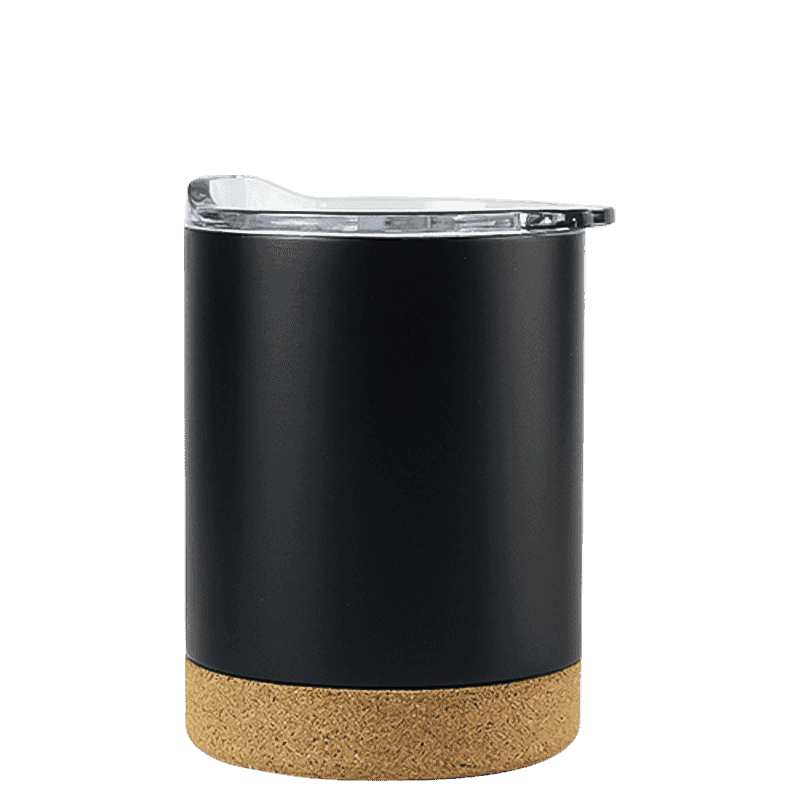
Why Choose 360ml AS Plastic Cup Cover Straight Cor...
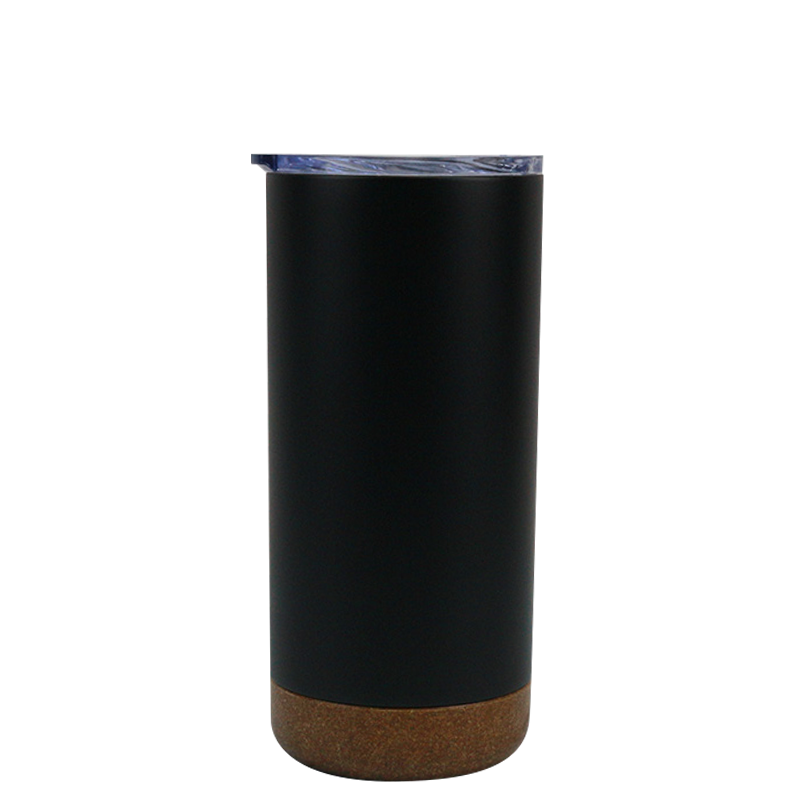
Product Overview The 16oz Cork Bottom Mug pairs a ...
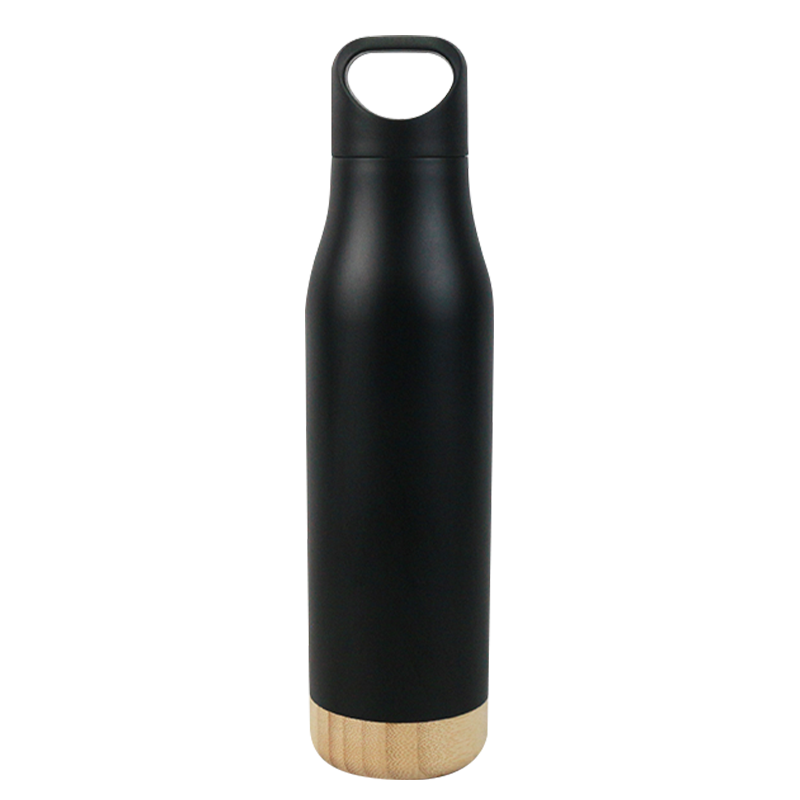
The Cork Bottom Mug represents a harmonious blend ...
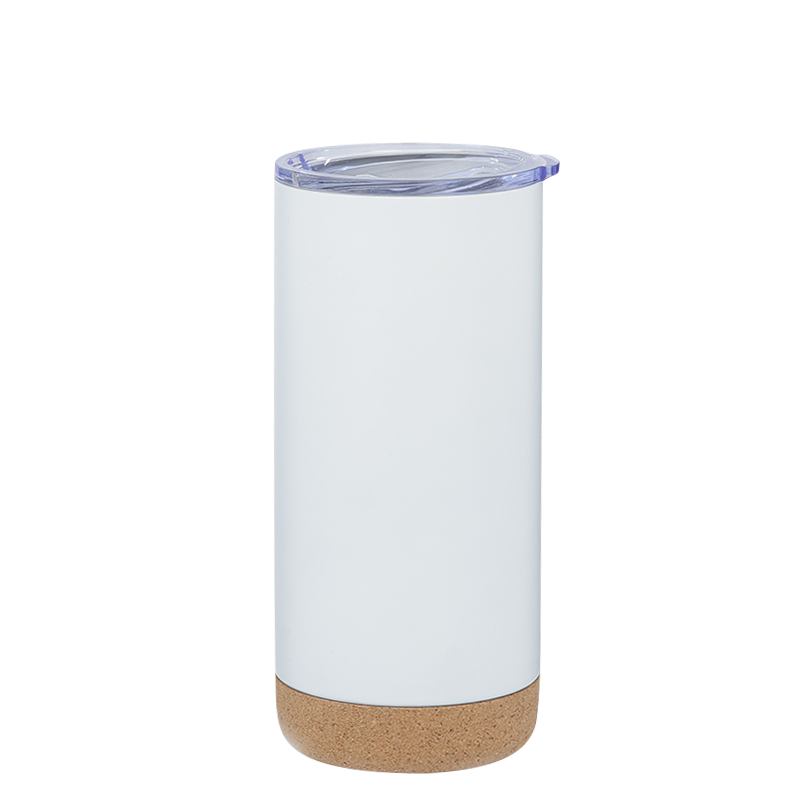
In today's fast-paced lifestyle, the demand for po...
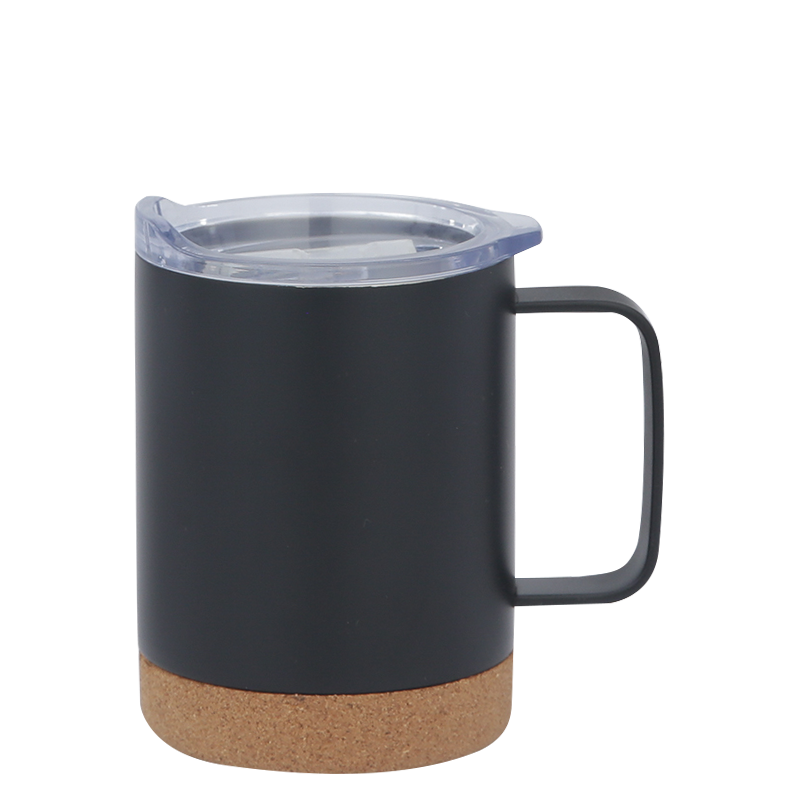
What is the 360ml Large Capacity Cork Bottom Mug? ...
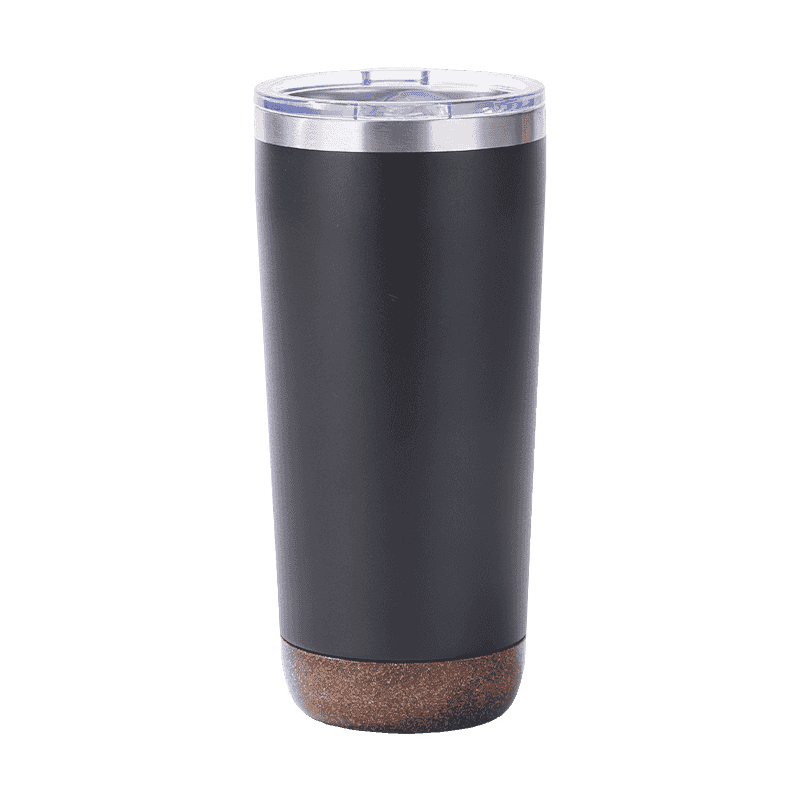
Double Wall Cork Bottom Travel Mug for Everyday Us...
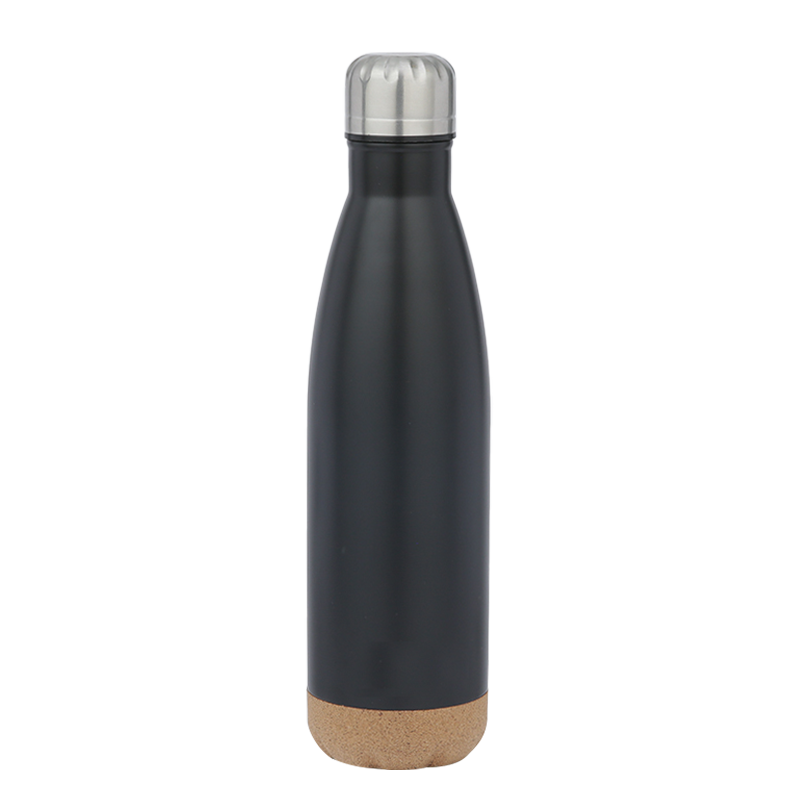
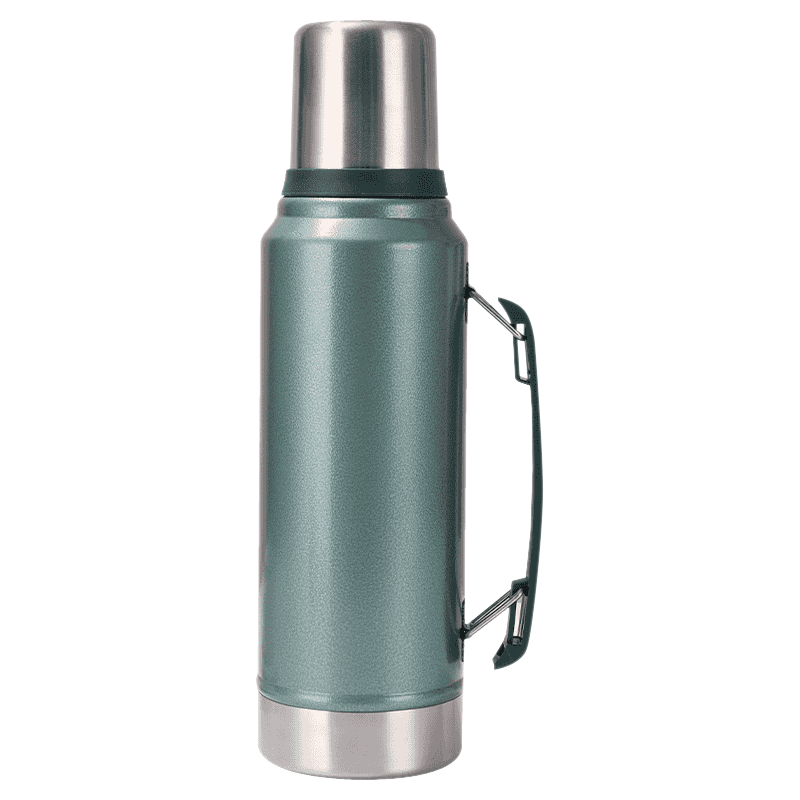
The Vacuum Insulated Coke Bottle is designed for i...
Small details can make a mug feel instantly "right." A Cork Bottom Mug adds one of those details: a warm, grippy base that protects the surfaces you use every day—desks, countertops, café tables—without needing a separate coaster.
The cork layer works as a natural buffer. It helps reduce heat transfer to furniture, adds traction on smooth materials, and softens the sound and impact when you set your drink down. That extra stability is especially welcome in busy spaces—office corners, kitchen islands, shared meeting rooms—where one accidental slide can turn into a spill.
AIJUN cork-bottom styles are designed to balance modern drinkware with a more natural finish. Pair the cork base with different mug bodies and capacities to match your routine, from morning coffee to afternoon tea. Many options are easy to maintain in daily use: the mug can be washed normally, while the cork base typically cleans up with a quick wipe.
Cork is also a responsible material choice. It's renewable and biodegradable, harvested without cutting down trees—making a Cork Bottom Mug an everyday upgrade that looks good, feels secure, and aligns with a more sustainable lifestyle.


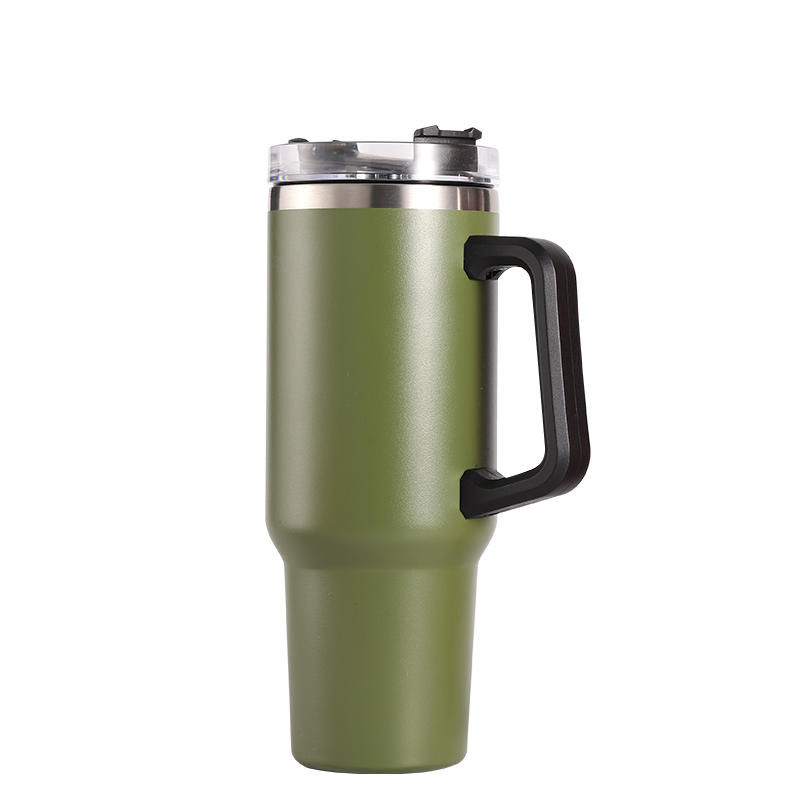
The thermos car mug basically holds drinks and keeps them at a drinkable tempera...
View MoreOutdoor activities have quietly worked their way into daily life for many folks ...
View MoreEnvironmental awareness shows up in big policies but also slips quietly into sma...
View MoreModern routines move at quicker speeds and create demand for drinks during trave...
View MoreThe best drinkware improvements are the ones you stop noticing—because they quietly remove friction from your day. That's exactly what a Cork Bottom Mug does. At first glance, the cork base looks like a style choice. In practice, it solves a set of small, common problems: slippery tabletops, heat marks, annoying clinks, and the constant hunt for a coaster you swear you own.
1) The real job of cork: thermal buffering and surface protection
Hot drinks don't just warm your hands—they can also stress the surfaces beneath them. Wood finishes can dull, some laminates discolor, and delicate desks pick up faint rings over time. Cork helps because it's a natural insulator with a structure full of tiny air pockets. Those pockets slow down heat transfer, so less heat reaches the tabletop.
That doesn't mean your table becomes "heat-proof," but it does mean a cork base can reduce the intensity and speed of temperature change—exactly the type of protection people usually rely on a coaster for.
2) Grip matters more than people think (especially on glass and stone)
Many spills aren't dramatic; they're minor slides. A smooth ceramic or glass base can drift on polished stone, lacquered wood, or glass tables—especially if there's a bit of condensation or dust.
Cork has a slightly compressible, textured surface that creates friction. The result is a mug that feels more planted. In busy environments—office desks with cables, café tables with small bumps, kitchens with hurried elbows—that stability is a real usability upgrade.
3) A quieter, softer set-down changes the "feel" of the mug
One underrated benefit: sound. Cork dampens impact. Instead of the sharp tap of ceramic-on-countertop, you get a softer landing. It's a small thing, but in shared spaces (early mornings at home, open offices, study rooms) it makes the mug feel calmer and more premium.
Cork can also reduce tiny chips that sometimes happen when hard mug bases repeatedly meet hard surfaces.
4) Sustainability: why cork is a smart material choice
Cork is harvested from the bark of cork oak trees without cutting the tree down. The bark regenerates, making cork a renewable resource. It's also biodegradable, which appeals to consumers looking for lower-impact daily goods.
A Cork Bottom Mug pairs that material advantage with the bigger sustainability win: reusability. When a mug is pleasant to use—stable, comfortable, surface-friendly—people reach for it more often, which naturally reduces dependence on disposable cups.
5) Choosing the right cork-bottom mug: what to look for
A few design signals usually indicate a better experience:
Your drinking style: for desk use, grip and quiet set-down may matter most; for gifting, the visual contrast of cork + ceramic/glass/steel can be the main draw.
6) Care tips that keep cork looking good
Cork is durable, but it prefers common-sense care:
If the mug body is dishwasher-safe, confirm whether the base is recommended for dishwashers—hand washing is often gentler for cork over the long run.
A Cork Bottom Mug isn't just a "natural aesthetic." It's a practical hybrid: part drinkware, part built-in coaster. When grip, insulation, surface protection, and a quieter set-down all come together, you get a mug that fits daily life better—one coffee at a time.
* Your email is safe with us, we don't spam.

Our company's products include vacuum flasks, beer mugs, coffee mugs, car tumbler, fire stove and tensile parts, etc.
Phone: +86-13566758039
Tel: +86-0579-87171178
Fax: +86-0579-87171178
E-mail: [email protected]
Add: No.29, Qiaodong Road, Qiaotouzhou Village, Longshan Town, Yongkang, Jinhua, Zhejiang, China.
Copyright © 2024 Yongkang Aijun Industry & Trade Co., Ltd.

Cork Bottom Mug Factory


 English
 中文简体
中文简体 日本語
日本語 Français
 Español