+86-13566758039


Outdoor environments are now common spaces for daily relaxation and shared time. This has encouraged a preference for durable items that remain functional in shifting weather. A Stainless Steel Fire Pit supplies dependable warmth dispersal and firm construction able to cope with frequent moisture contact and thermal swings. This configuration fosters prolonged outdoor stays during fading light or moderate cold snaps, uniting useful heating with uncluttered forms that settle easily into assorted lawn, courtyard, or elevated platform designs.
People increasingly view patios and yards as natural extensions of indoor spaces, seeking elements that allow enjoyment regardless of shifting weather patterns. A Stainless Steel Fire Pit meets this demand through steady heat distribution and resilience against regular exposure to moisture and temperature changes. This discussion covers alloy properties, comparative strengths, structural variations, performance in different weather phases, positioning strategies, handling precautions, upkeep routines, material matchups, selection criteria, sustainability factors, application examples, troubleshooting steps, and user experiences.
The alloy in a Stainless Steel Fire Pit delivers durability, aesthetic flexibility, and functionality that align with diverse environmental demands, complementing current preferences for reduced-smoke operations and hybrid heating-cooking capabilities.
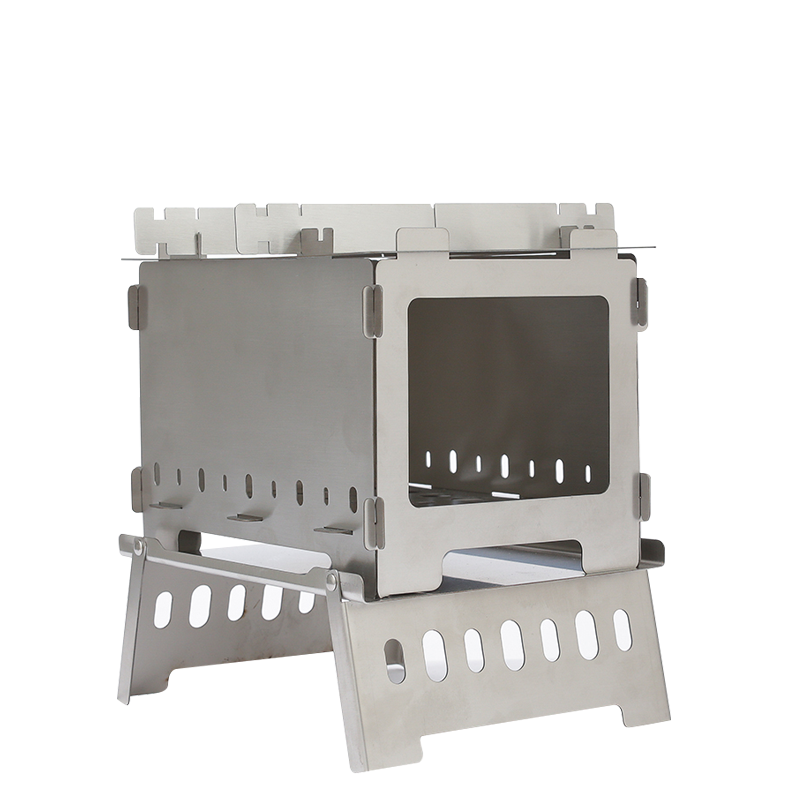
Units classified as a Stainless Steel Fire Pit use alloys engineered for demanding exterior conditions. Grade 304 handles widespread heat and environmental stresses effectively, while grade 316 offers additional safeguards in more challenging exposures, though it involves greater expense.
| Material | Resistance to Moisture | Heat Handling Capability | Portability Factor | Visual Characteristics |
|---|---|---|---|---|
| Stainless Steel | Strong | Reliable | Manageable | Clean, reflective |
| Cast Iron | Fair | Robust | Limited | Aged, textured |
| Corten Steel | Forms protective layer | Solid | Manageable | Evolving rustic tone |
| Stone or Concrete | Stable | Gradual | Stationary | Earthy, substantial |
Stainless steel manages dampness and thermal fluctuations with minimal degradation, differing from materials that undergo intentional surface evolution. Moderate weight facilitates relocation when compared to bulkier counterparts.
Combustion in fire pits involves fuel oxidation releasing energy that spreads radially. Enhanced ventilation in certain models encourages thorough burning, minimizing emissions and matching desires for clearer air during use.
Configurations include deep bowls for traditional flames, geometric cubes for structured appeal, simple rings for ground-level setups, elevated pedestals for better viewing, and integrated table formats that serve dual purposes. Double-layer walls in some promote internal air circulation, contributing to steadier flames.
Essential aspects encompass:
Surface treatments range from matte brushed to high-polish, with heat-induced color shifts possible on certain models. Extensions include elevated cooking surfaces, protective mesh screens, weather-resistant coverings, and convertible tops.
Feature Selection Guide
Such additions enable shifts from pure heating to meal preparation.
Changing atmospheric conditions affect fire pit operation, where construction and material choice impact both user comfort and unit longevity.
Transitional days with lingering moisture give way to cooler nights, allowing a Stainless Steel Fire Pit to maintain warmth effectively. Arrange seating to account for variable breezes, and select quick-igniting dry materials. Inherent moisture tolerance reduces concerns during frequent showers.
Warmer periods shift emphasis toward visual flame effects and social hubs. Table-integrated units offer surface area for drinks or snacks, while raised grates support light grilling. Robust build withstands intense sunlight and sudden rain without noticeable alteration.
Cooler air heightens heating needs, with ventilated designs producing reliable output during extended evenings. Hardwood fuels sustain longer sessions, and metallic reflections complement surrounding natural tones.
Freezing conditions test equipment, but stainless steel retains form without fragility issues common elsewhere. Remove accumulated precipitation from drainage points, and consider protective covers during inactivity. Concentrated heat output proves valuable on shorter days.
Situate units with adequate separation from buildings, overhangs, and combustible items, preferably on firm, heat-tolerant bases. Ensure level installation for uniform burning, and secure against shifting if needed.
Layout integration succeeds on paved surfaces with circular seating arrangements, raised decks using protective mats, or grass areas with stabilizing platforms. Dedicated covers defend against falling leaves or debris.
Positioning Recommendations
Preserve distances from walls and furniture, stay aware of air movement, and keep water or extinguishers accessible. Adhere to area-specific open-flame guidelines.
Utilize approved dry woods, steering clear of processed lumber or ignition aids. Mesh screens limit flying embers, and constant oversight protects younger users or animals.
Remove spent ashes after cooling, cleanse with gentle soap solutions, and dry completely. Skip abrasive agents that could mar finishes.
Treat heat-related color variations with mild compounds, and inspect joints periodically.
Maintenance Schedule
| Category | Stainless Steel | Cast Iron | Corten Steel | Concrete |
|---|---|---|---|---|
| Long-Term Durability | Consistent resistance | Heavy construction | Surface adaptation | Inherent stability |
| Care Requirements | Minimal | Periodic treatment | Hands-off | Basic cleaning |
| Style Impact | Sleek lines | Vintage feel | Industrial evolution | Organic presence |
| Warmth Distribution | Directed radiation | Prolonged retention | Even spread | Slow release |
| Acquisition Cost | Mid to upper range | Variable | Moderate | Installation heavy |
Stainless steel aligns with contemporary preferences for straightforward maintenance, whereas alternatives suit distinct aesthetic or budgetary priorities.
Prioritize documented alloy grades, sufficient thickness, and precise fabrication. Documentation on assembly standards and coverage terms signals dependability.
For volume purchases or tailored orders, review available dimensions, surface options, and imprinting possibilities. Account for order quantities, production schedules, and transport packaging.
Expense varies with alloy type, material gauge, and incorporated elements.
Extended service life combined with full recyclability diminishes replacement frequency. Airflow improvements decrease fuel consumption per session.
Favor locally harvested woods or alternative clean-burning sources to balance emission outputs.
Family evenings revolve around table models supporting shared meals and conversations. Compact versions accompany outdoor trips, whereas permanent installations anchor entertainment zones.
Coordinate with assorted chairs for casual or refined atmospheres, incorporating ambient illumination for prolonged activity.
Heat-induced tonal shifts typically resolve through standard cleaning. Isolated surface marks respond to non-abrasive treatments, ventilation blockages to clearing openings, and persistent smoke to fuel moisture checks.
Units remain outdoors under protection; cooking compatibility exists through suitable attachments.
Bringing a Stainless Steel Fire Pit into any open-air location yields enduring gains via its hardy structure and broad applications, promoting tranquil get-togethers and habitual enjoyment in varied contexts. Emphasis on alloy traits, siting rules, and routine tending secures lasting efficiency and exterior quality through repeated uses. This piece fulfills continuing calls for trustworthy, all-around assets that enrich time spent outside notwithstanding variable seasonal shifts.
Your email address will not be published. Required fields are marked *

* Your email is safe with us, we don't spam.

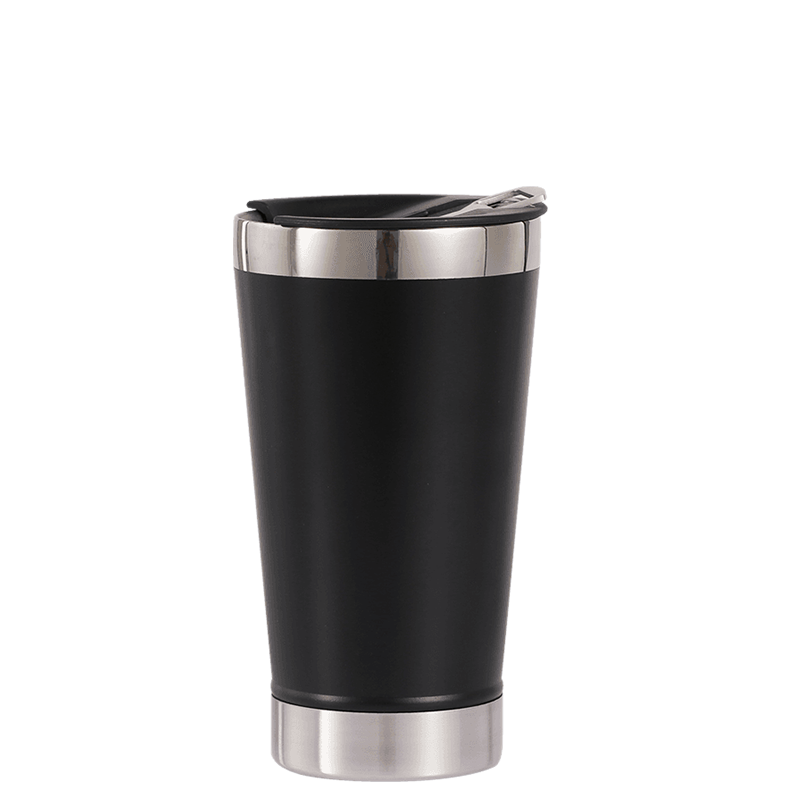
Our company's products include vacuum flasks, beer mugs, coffee mugs, car tumbler, fire stove and tensile parts, etc.
Phone: +86-13566758039
Tel: +86-0579-87171178
Fax: +86-0579-87171178
E-mail: [email protected]
Add: No.29, Qiaodong Road, Qiaotouzhou Village, Longshan Town, Yongkang, Jinhua, Zhejiang, China.
Copyright © 2026 Yongkang Aijun Industry & Trade Co., Ltd.



 English
 中文简体
中文简体 日本語
日本語 Français
 Español