+86-13566758039


A vacuum flask description that says a drink stays hot for several hours leaves an important question unanswered: hot by which definition? Starting temperature, fill volume, lid condition and room temperature all influence the result. Two attractive retention claims may therefore describe different tests.
For importers and promotional drinkware buyers, vacuum flask heat retention is more useful when it connects a measured endpoint to a documented method. The goal is to compare complete products under consistent conditions and write a description that customers can understand. A large hour figure alone does not provide that basis.
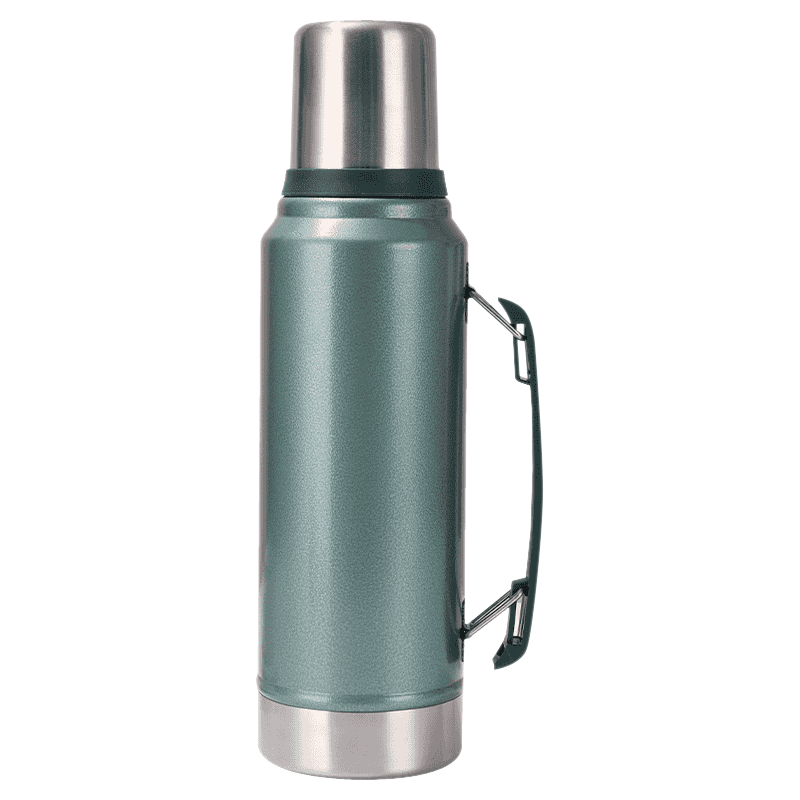
A vacuum insulated vessel reduces heat transfer across the gap between its inner and outer walls. It does not remove every heat path. Heat can still travel through connected parts, while the lid and neck remain part of the complete thermal system.
This explains why a double wall description cannot establish a particular retention time. Wall construction, opening geometry and lid design all belong to the product being evaluated. The result also depends on the temperature difference between the liquid and its surroundings.
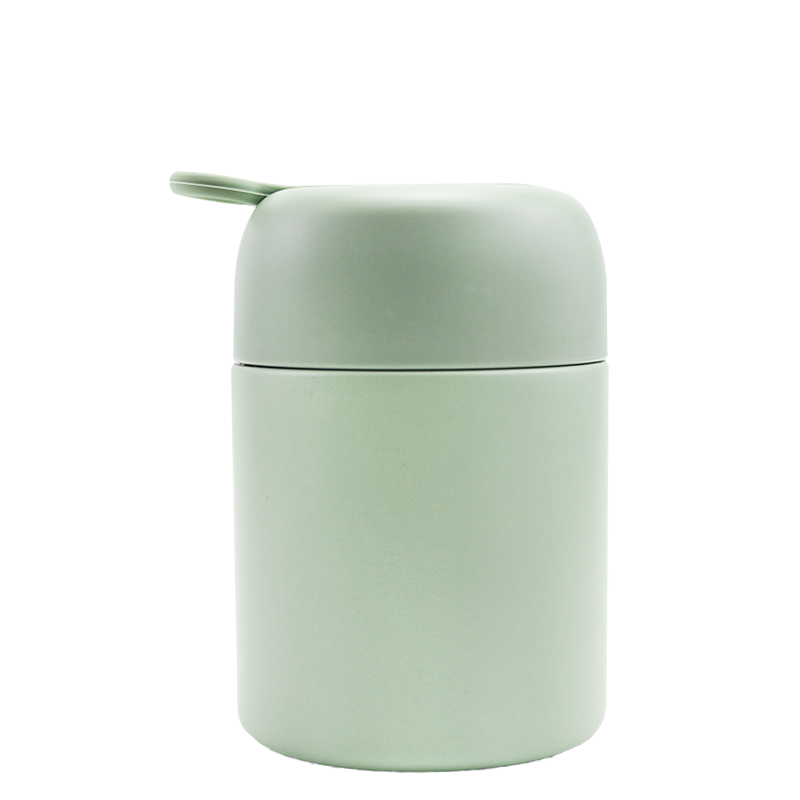
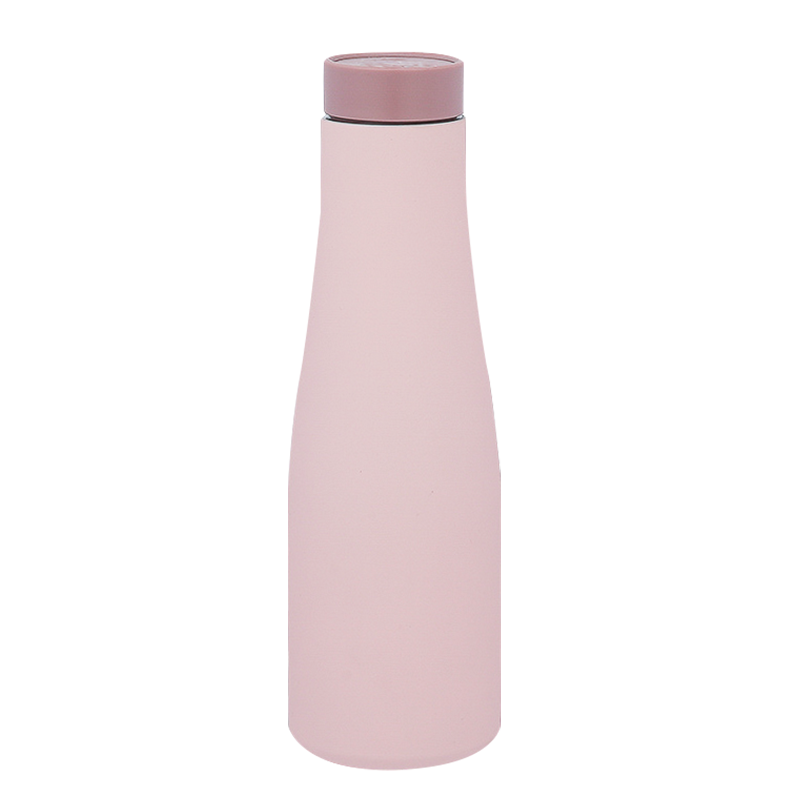
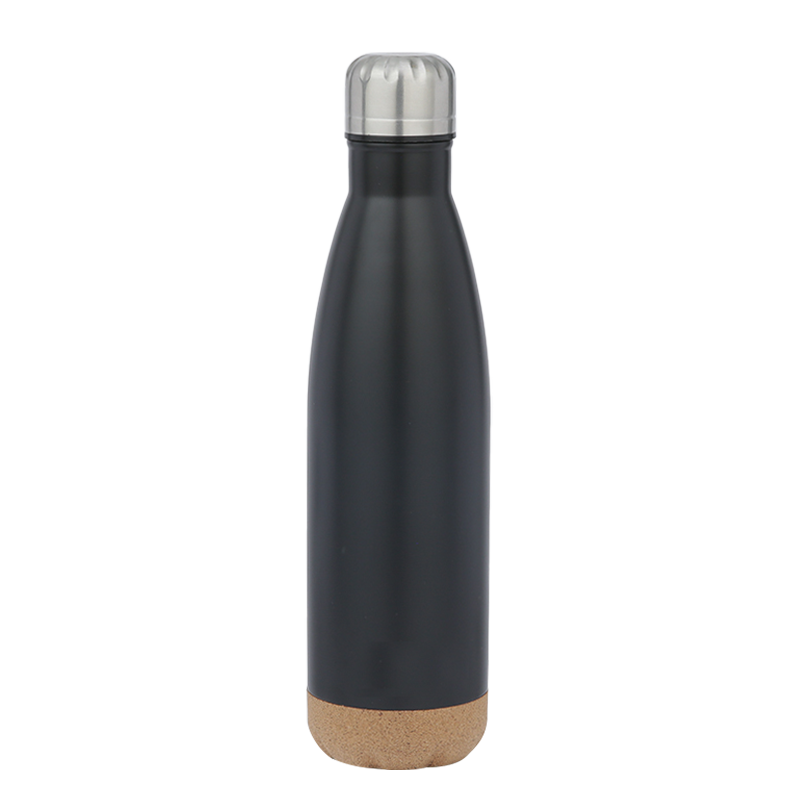
For a buyer, the practical implication is to compare complete assembled samples. A flask body photographed without its lid is useful for understanding shape, but it is not the configuration used to keep a drink warm. Keep each body and lid reference together through the sample process.
When reviewing a vacuum thermos, identify the capacity variant, supplied lid and any inner stopper. A different lid can change use convenience and the test configuration. Do not carry a retention statement from one variant to another simply because their outside finishes match.
Inspect how the user closes the vessel according to the instructions. The sample procedure should use the same assembly and closure method each time. If the lid contains a drinking opening, state whether it remains closed throughout the test.
A useful specification also distinguishes temperature retention from leakage performance. A successful retention result does not prove that a product can travel sideways in a bag without leaking. Those are separate functions with separate acceptance methods, even when both concern the same lid.
A heat retention test needs a defined starting liquid temperature and ambient temperature. The selected endpoint should be recorded at an agreed elapsed time. Zojirushi's published bottle ratings provide an example of making these conditions visible, including starting water and room temperatures.
That example is a method reference, not evidence for an Aijun product's performance. A buyer should obtain the actual test record for the selected flask rather than borrowing another brand's conditions or result. If two suppliers use different methods, their headline figures are not directly comparable.
Record the temperature measuring equipment and how measurements are taken. Repeatedly opening the flask changes the closed condition, so the agreed procedure should explain how that effect is controlled. A method can use separate samples for different endpoints or another documented approach.
The quantity of liquid is part of the test definition. A nearly full flask and a partly filled flask are different conditions. For comparison, follow the agreed fill level and retain the actual quantity in the record instead of writing only the nominal vessel capacity.
The nominal capacity may include space that is not intended to be filled during normal use. The instructions should identify the safe fill level, particularly where a lid or stopper displaces liquid. A purchasing sample should use the instructed configuration rather than an overfilled vessel.
Consider an illustrative review of two similarly sized bottles. One is filled to its marked level and the other only halfway. A temperature difference after several hours cannot fairly be attributed to insulation quality alone. Repeating the review at a common agreed fill level provides a more meaningful comparison.
A closed vessel test gives a controlled basis for comparing thermal performance. Daily use introduces opening, pouring and changing liquid volume. The resulting experience can therefore differ from a rating measured with an uninterrupted closed lid.
Retail copy should explain the basis of the claim without overwhelming the customer. A short statement of the main test conditions is more useful than describing every buyer's day as identical. Avoid converting a closed water test into a promise about frequent drinking in any environment.
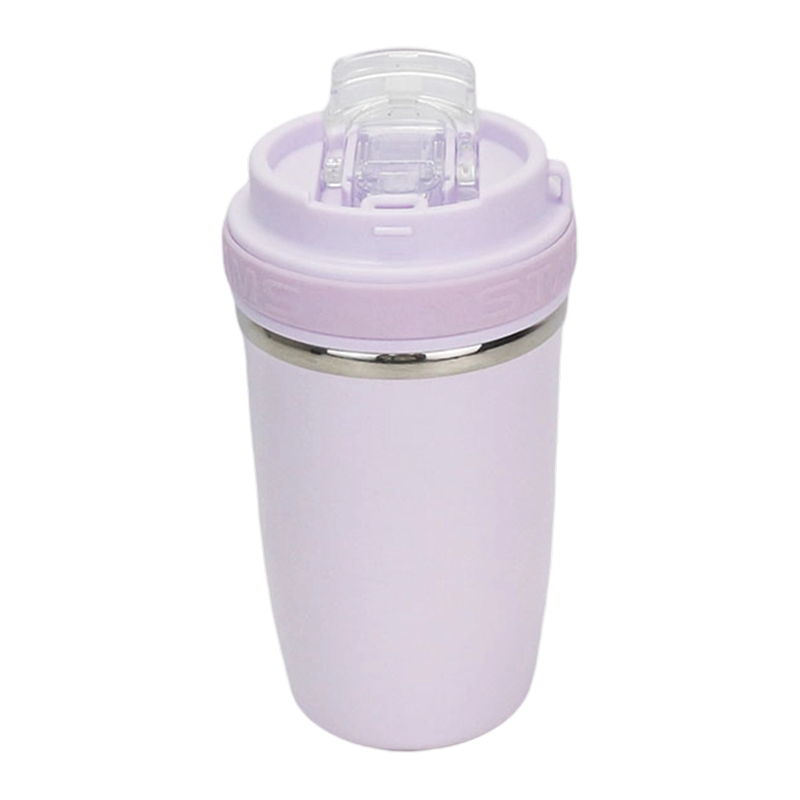
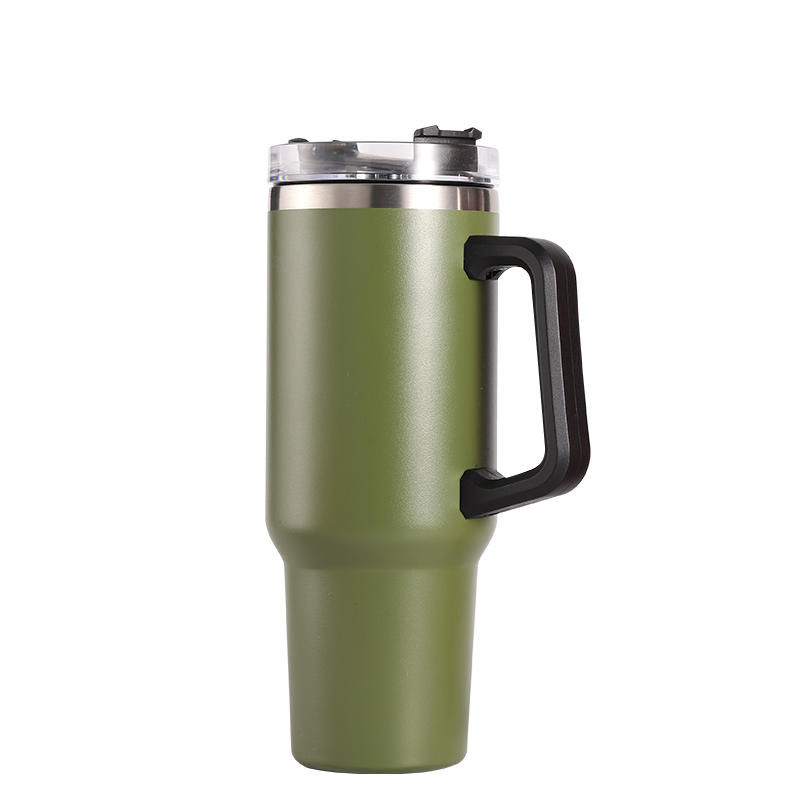
For a product intended for repeated sipping, assess the lid's everyday operation separately. Record whether users can open, drink and reclose it comfortably. These observations help define the product role, but they should not be presented as an independent temperature retention certification.
Some instructions recommend warming or cooling a vessel before filling. If a sample review uses that step, record the procedure and apply it consistently. Otherwise, one product may receive a favourable initial condition that another does not.
Use the actual product instructions when designing the review. Do not introduce boiling water or another treatment that conflicts with the supplied guidance. The purpose is to understand the product in its intended use configuration, not to create the highest possible marketing result.
For bulk orders, keep preconditioning information aligned across the sample report and consumer care guide. If the quoted claim depends on a documented preparation step, the final description should not silently omit it. Buyers need to know how the result was achieved.
The approval file should identify the sample code, capacity, lid assembly, fill quantity, starting temperature, ambient conditions, elapsed time and endpoint. Add the agreed acceptance threshold and the test method or report reference. Record the number of samples reviewed.
A single informal demonstration is not evidence of consistency across every production unit. Discuss production inspection requirements separately with the manufacturer. The application review and the order's quality plan serve related but distinct purposes.
For insulated drinkware, the strongest specification combines a clear product configuration with a clear method. It allows the purchasing team to compare equivalent results and the retailer to explain retention honestly. Before selecting a flask around its hour claim, establish exactly what that claim measures.
Your email address will not be published. Required fields are marked *
* Your email is safe with us, we don't spam.

Our company's products include vacuum flasks, beer mugs, coffee mugs, car tumbler, fire stove and tensile parts, etc.
Phone: +86-13566758039
Tel: +86-0579-87171178
Fax: +86-0579-87171178
E-mail: [email protected]
Add: No.29, Qiaodong Road, Qiaotouzhou Village, Longshan Town, Yongkang, Jinhua, Zhejiang, China.
Copyright © 2026 Yongkang Aijun Industry & Trade Co., Ltd.



 English
 中文简体
中文简体 日本語
日本語 Français
 Español