+86-13566758039


In daily routines, insulated bottles are no longer something people only use occasionally. They often stay on desks, in bags, or inside car cup holders, moving between different environments throughout the day. In this kind of usage pattern, the cap ends up being the part that gets touched often, even though it is usually not the focus when people choose a bottle.
In some discussions around drinkware structure and practical design, Yongkang Aijun Industry & Trade Co., Ltd. is sometimes mentioned in relation to how everyday container systems are put together for routine use.
The Thermos Vacuum Insulated Bottle is usually thought of as a container for keeping drinks stable over time, but in real use, the experience is shaped much more by how the cap behaves during repeated opening and closing.
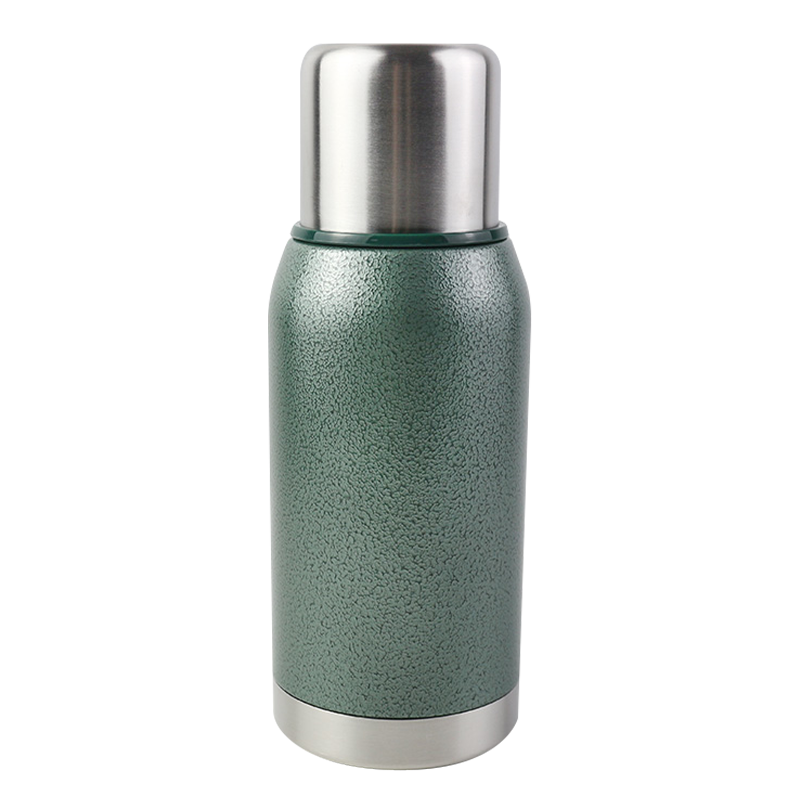
When people use an insulated bottle regularly, the cap is not just something that seals the top. It becomes part of the movement of drinking itself. Open, drink, close, repeat. This simple cycle happens many times in a day, especially in office or commuting situations.
The way the cap works can quietly change how the bottle feels to use. A slightly harder twist, a smoother flip, or a quicker push all affect how often people actually reach for the bottle.
In practical use, the cap tends to influence:
These small differences build up over time and shape drinking habits more than expected.
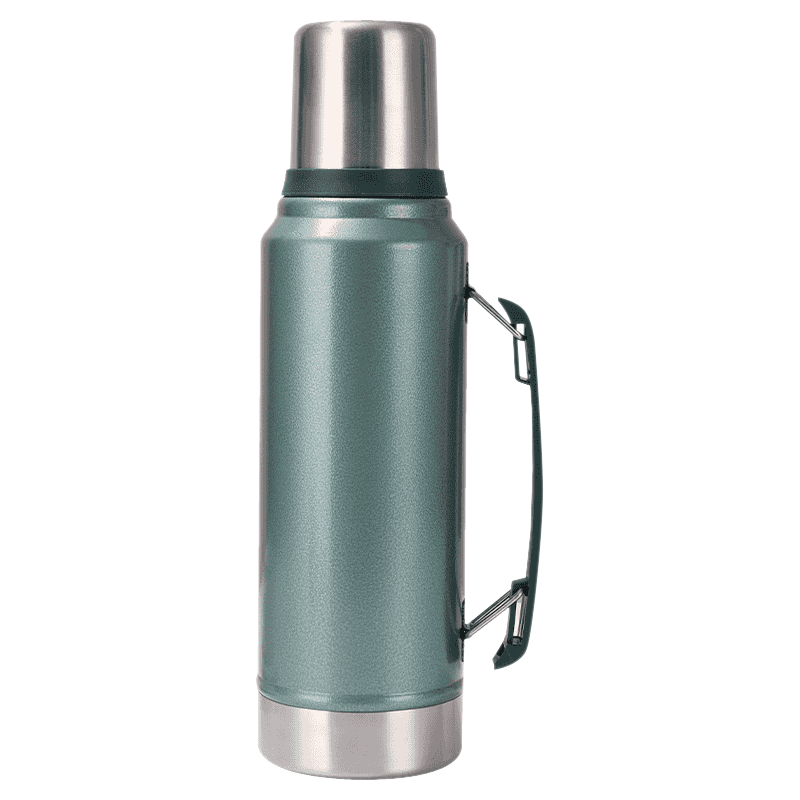
A Thermos Vacuum Insulated Bottle depends on sealing to keep internal conditions steady. The cap sits at the point where internal space meets the outside environment, which makes it a sensitive part of the structure.
In Stainless Steel Thermos Bottle designs, the body is usually stable and rigid. Every time the bottle is opened, that sealed condition is briefly interrupted, then restored again.
Even though the cap looks simple from the outside, inside it often contains several small components working together:
Each piece plays a small role, and the overall behavior depends on how they work together rather than individually.
In daily environments, cap designs tend to follow usage habits rather than strict technical categories. People usually notice differences only after using them for a while.
Some common patterns can be seen:
| Cap Style | Everyday Feeling | Typical Use Context |
|---|---|---|
| Screw cap | Simple, steady | Carrying in bags or storage use |
| Flip cap | Quick access | Office desk or short breaks |
| Push button | Convenient in motion | Walking or multitasking |
| Straw cap | Continuous sipping | Long-duration desk use |
None of these designs replace each other; they simply fit different daily rhythms.
One thing that often matters more in real use than in design drawings is how the bottle behaves when it is not standing still. People carry bottles in backpacks, place them sideways in bags, or use them inside moving vehicles.
The cap has to deal with all these conditions at once.
A Thermos Vacuum Insulated Bottle relies heavily on how well the cap keeps the internal space sealed when pressure or movement changes. Small shifts in temperature or position can slightly affect internal balance, especially if the bottle is opened frequently.
In daily situations, leakage control is influenced by:
These factors do not act separately. They overlap in real usage.
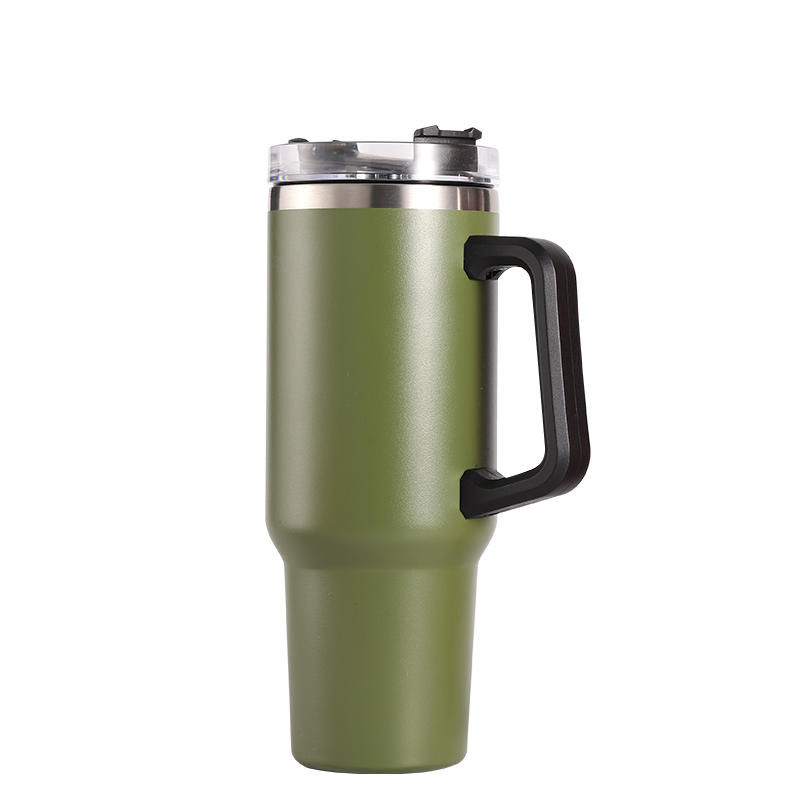
Inside cars, the way bottles are used changes again. A Thermos Car Mug is often associated with this kind of environment, where movement and limited space affect how people drink.
In these situations, the cap is expected to allow quick access without requiring full attention. A small interruption in driving or movement is often enough for a quick sip, so the cap design becomes part of that short interaction.
Typical behavior in vehicle use includes:
This is different from desk use, where timing is more flexible and less dependent on motion.
In Stainless Steel Thermos Bottle structures, the body is usually solid and stable, while the cap contains multiple materials. This combination creates different wear patterns over time.
Plastic parts may loosen slightly with repeated use, while sealing rings may slowly adapt to pressure changes. The connection point between cap and body becomes the frequently used mechanical area.
Over time, users may notice:
These changes are gradual and often tied to usage frequency rather than sudden shifts.
Cleaning behavior often depends on how complex the cap is. Simple screw caps are easier to rinse, while multi-part caps may require more attention to internal corners and seals.
In everyday use, people often adjust cleaning habits based on time and convenience rather than strict routines.
Common patterns include:
The more moving parts a cap has, the more attention it usually needs during maintenance.
Although insulation is mainly associated with the bottle body, the cap still plays a role in how stable the internal temperature remains during use.
Every time the bottle is opened, a small amount of internal balance is affected. This is not usually noticeable in a single use, but over repeated openings, it becomes part of the overall experience.
What influences this includes:
These small actions gradually shape how the bottle performs in daily conditions.
When insulated bottles are used over time, one thing becomes clear: the way the cap is handled depends heavily on where the bottle is used, not just how it is built. The same bottle can feel slightly different between a quiet desk, a moving vehicle, or a short outdoor stop.
In office settings, the bottle is often opened without much pressure or timing. People tend to leave it on the desk and return to it slowly throughout the day. The cap in this case is handled in a relaxed rhythm, where speed is not a concern.
In more active environments, things change. Walking between places or using the bottle while carrying other items means the cap is handled more quickly, sometimes almost without thinking.
Inside vehicles, the behavior shifts again. A Thermos Car Mug type of use tends to involve short, controlled interactions. The bottle is not fully taken apart or handled with both hands. It is more about quick access and returning it to a stable position.
It usually becomes clearer after repeated use in different situations. A screw cap, for example, might feel simple and stable, but it takes more effort when the bottle is used frequently throughout the day.
Flip and push-style caps change that rhythm. They allow faster access, but the feeling of sealing and opening is different. Some users prefer the slower, more deliberate motion of screw caps in stable environments, while others gradually shift toward quicker systems when the bottle becomes part of a more mobile routine.
There is no fixed preference pattern. It often depends on how the bottle is carried and how often it is used rather than the design itself.
Leak behavior is rarely discussed during initial use, but it becomes more noticeable in daily movement. A bottle placed in a bag, tilted inside a vehicle, or carried while walking goes through constant position changes.
The cap plays the main role in handling these shifts. Even when the body of a Stainless Steel Thermos Bottle remains unchanged, the sealing point at the top is exposed to repeated pressure changes.
What matters in daily use is not only tightness, but how consistently the seal behaves after many open-close cycles. Over time, small changes in resistance or sealing feel may appear, especially when the bottle is used across different environments in a single day.
Inside a moving car, the situation is slightly different. A Thermos Car Mug setup is often used in a space where stability is limited but routine drinking still happens. The bottle is usually placed in a holder, and interaction with it happens briefly between moments of movement.
In these conditions, users tend to prefer caps that do not require full attention. One-hand operation becomes common, not because it is designed that way, but because there is usually something else happening at the same time.
Typical behavior inside vehicles often includes:
The cap, in this case, is judged by how little attention it demands during use.
A Stainless Steel Thermos Bottle usually stays structurally stable for a long time, but the cap system goes through more frequent movement. This creates a different kind of wear pattern between the rigid body and the more active top section.
The sealing ring inside the cap is often the part that changes first, not in a sudden way, but gradually through repeated compression. The threading area may also feel slightly different over long-term use, especially when the bottle is opened and closed many times in a single day.
These changes are subtle. They do not stop the bottle from being used, but they influence how the interaction feels.
Cleaning is another part of daily use that depends heavily on cap design. A simple screw cap can usually be rinsed quickly, while multi-part caps take more attention because liquid tends to stay in small internal spaces.
Over time, users adjust their cleaning habits based on how the cap behaves in daily use. Some prefer quick rinsing after light use, while others separate parts more often when different drinks are used throughout the day.
The difference is not about maintenance level, but about how much effort the cap design naturally requires.
Insulated bottles are often used in short cycles rather than long uninterrupted periods. A drink is taken, the bottle is closed, and then reopened again later. Each cycle slightly affects the internal balance, not dramatically, but enough to be noticed over time.
The cap is the point where this exchange happens. Every opening introduces a brief change in internal conditions. The frequency of this action matters more than the duration of a single opening.
In daily use, this shows up more in behavior patterns than in performance differences.
Over time, users rarely think about cap design directly. Instead, they build habits around how the bottle fits into their day. Some reach for it often in small amounts, while others use it only at specific moments.
These habits are shaped by small interactions:
The cap gradually becomes part of these routines without being noticed as a separate element.
In everyday conditions, insulated bottles are not used in a fixed pattern. They move between different spaces and situations, and the cap becomes the point where this interaction happens.
Whether it is a Thermos Vacuum Insulated Bottle used at a desk, a Stainless Steel Thermos Bottle carried between locations, or a Thermos Car Mug placed in a vehicle, the behavior always returns to the same small cycle of opening and closing.
It is in this repetition that cap design quietly shapes how the bottle is experienced, without drawing attention to itself.
Your email address will not be published. Required fields are marked *
* Your email is safe with us, we don't spam.

Our company's products include vacuum flasks, beer mugs, coffee mugs, car tumbler, fire stove and tensile parts, etc.
Phone: +86-13566758039
Tel: +86-0579-87171178
Fax: +86-0579-87171178
E-mail: [email protected]
Add: No.29, Qiaodong Road, Qiaotouzhou Village, Longshan Town, Yongkang, Jinhua, Zhejiang, China.
Copyright © 2026 Yongkang Aijun Industry & Trade Co., Ltd.



 English
 中文简体
中文简体 日本語
日本語 Français
 Español