+86-13566758039

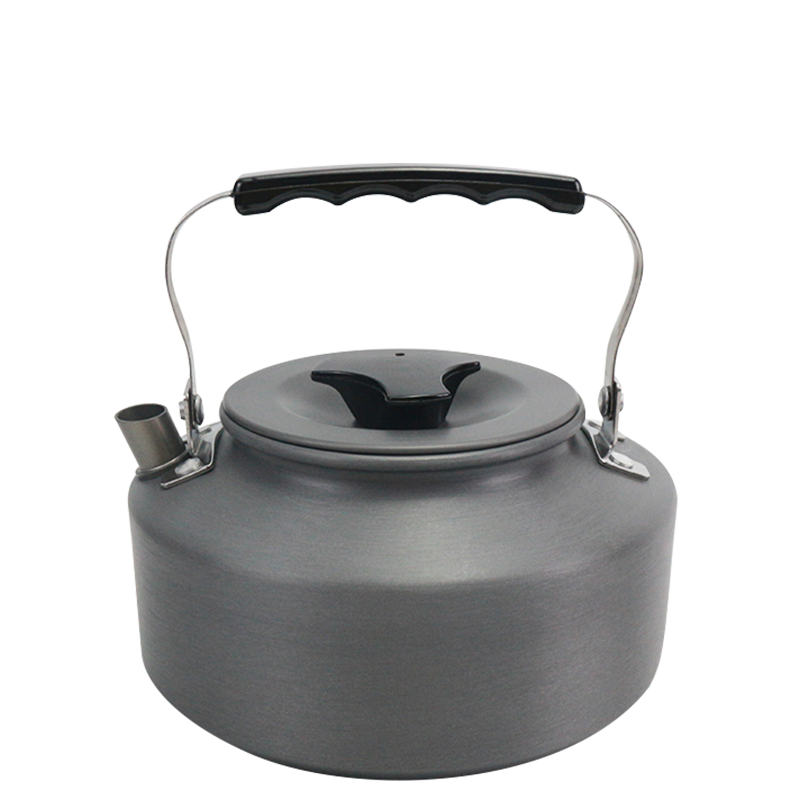
The 4 Pcs Portable Outdoor Camping Cookware Set is...
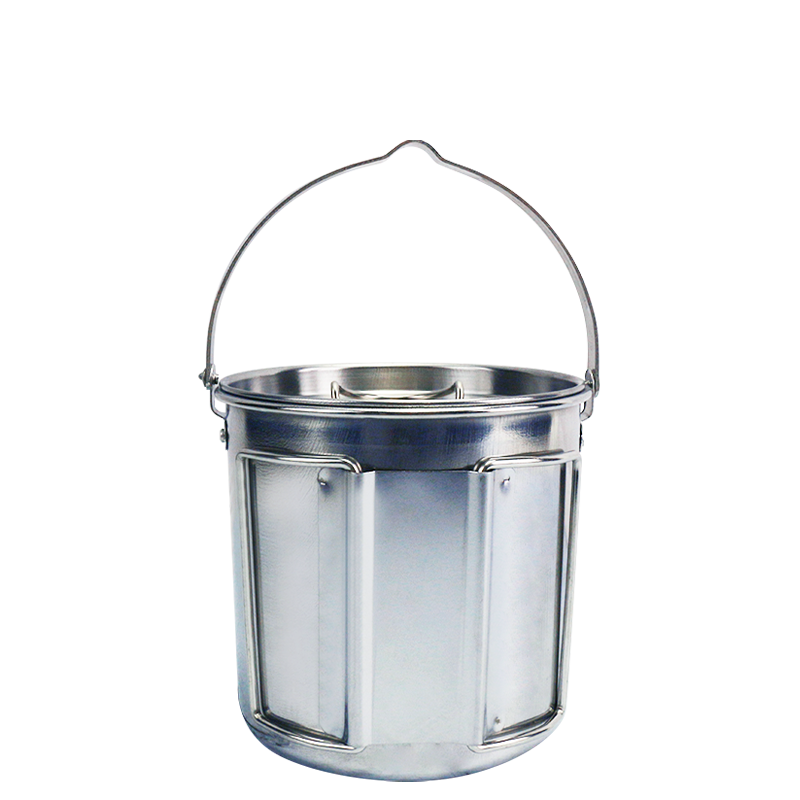
The Camping Water Pot is a reliable companion for ...
Outdoor cookware should make camp life easier, not louder. AIJUN designs travel-ready cooking essentials for people who cook outside—weekend campers, road-trip crews, and backyard hosts who want gear that stores neatly, warms fast, and wipes clean without extra effort.
This category covers everything from space-saving pots to complete cooking kits for the basics you do most: boiling water, heating meals, and cooking simple breakfasts or one-pan dinners. A dependable Camping Water Pot is the piece many outdoor kitchens revolve around—ideal for coffee, tea, dehydrated meals, and hot water when you're away from reliable taps. If you'd rather grab one coordinated solution, a Portable Outdoor Cookware Set keeps the right pieces together, packs efficiently, and helps avoid the common “forgot the lid / wrong size pot” problem—especially handy for family camping, festivals, and overland travel.
AIJUN also supports scalable sourcing for brands and wholesalers. Through Custom Outdoor Cookware OEM services, we can adjust materials, surface finishes, handle designs, logo application, and packaging so your products fit your market and your channel. The result is straightforward: outdoor cookware that performs consistently and stays in rotation season after season.

Titanium cup materials are not only a label on the surface of drinkware. The int...
View MoreWhy Is Material Choice Becoming an Environmental Concern Daily drinking habits c...
View MoreWhy Does Daily Cleaning Matter for a Titanium Cup A titanium cup often becomes p...
View MoreWhy Are More People Paying Attention to Titanium Cup in Daily Life? Daily drinkw...
View MoreOutdoor cookware is one of those categories where "looks good" is easy—and long-term satisfaction is harder. In real use, pots get scorched, rattled in a trunk, boiled dry once or twice, and cleaned with whatever sponge happens to be nearby. The pieces that earn repeat use (and better reviews) share a few practical traits: sensible capacity, stable handling, and materials that match how people actually camp.
Below is a field-tested way to think about outdoor cookware—useful for end users choosing gear, and just as useful for brands sourcing a Portable Outdoor Cookware Set or planning a private-label launch.
1) Start with the most-used item: the pot for hot water
Most camp meals begin with water—coffee, oatmeal, pasta, soup, freeze-dried pouches, and dishwashing. That's why the Camping Water Pot often becomes the "daily driver" of an outdoor kitchen.
What makes a good one?
For many Western campers, this pot is used more often than a frying pan—so it's the first place where quality is noticed.
2) Material choices: what buyers expect in the US/EU market
Different trips reward different materials, and shoppers often choose based on a mix of weight, durability, and maintenance.
When a set is positioned for mainstream outdoor customers (not ultralight specialists), the sweet spot is usually durability + easy cleaning + predictable performance.
3) Why sets sell: fewer missing pieces, less decision fatigue
Many shoppers don't want to research which lid fits which pot or whether a handle will melt near a flame. A Portable Outdoor Cookware Set reduces that friction by offering a complete, compatible system.
A well-built set typically focuses on:
For retailers and e-commerce sellers, sets can also increase average order value while lowering the "I bought the wrong thing" return risk.
4) Small design details that prevent bad reviews
Outdoor cookware is judged on small annoyances. The usual culprits: wobbly handles, lids that pop off in a backpack, and hotspots that burn food.
If you're sourcing for resale, watch for:
These details matter because outdoor customers are quick to leave feedback—and the "minor" issues become headline problems online.
5) OEM sourcing: what to lock down before mass production
If you're building your own line, Custom Outdoor Cookware OEM work isn't just about adding a logo. Consistency is what protects your brand.
Key items to define early:
A good OEM plan makes the product repeatable—not just impressive in a first sample.
Outdoor cookware succeeds when it's designed around the boring realities: boiling water daily, packing and unpacking repeatedly, and cleaning fast at the end of a long day. Choose a reliable Camping Water Pot as the foundation, then build outward with a Portable Outdoor Cookware Set that nests well and holds up to real use. For brands, Custom Outdoor Cookware OEM is where durability, consistency, and market-fit are won—or lost.
* Your email is safe with us, we don't spam.

Our company's products include vacuum flasks, beer mugs, coffee mugs, car tumbler, fire stove and tensile parts, etc.
Phone: +86-13566758039
Tel: +86-0579-87171178
Fax: +86-0579-87171178
E-mail: [email protected]
Add: No.29, Qiaodong Road, Qiaotouzhou Village, Longshan Town, Yongkang, Jinhua, Zhejiang, China.
Copyright © 2026 Yongkang Aijun Industry & Trade Co., Ltd.



 English
 中文简体
中文简体 日本語
日本語 Français
 Español