+86-13566758039

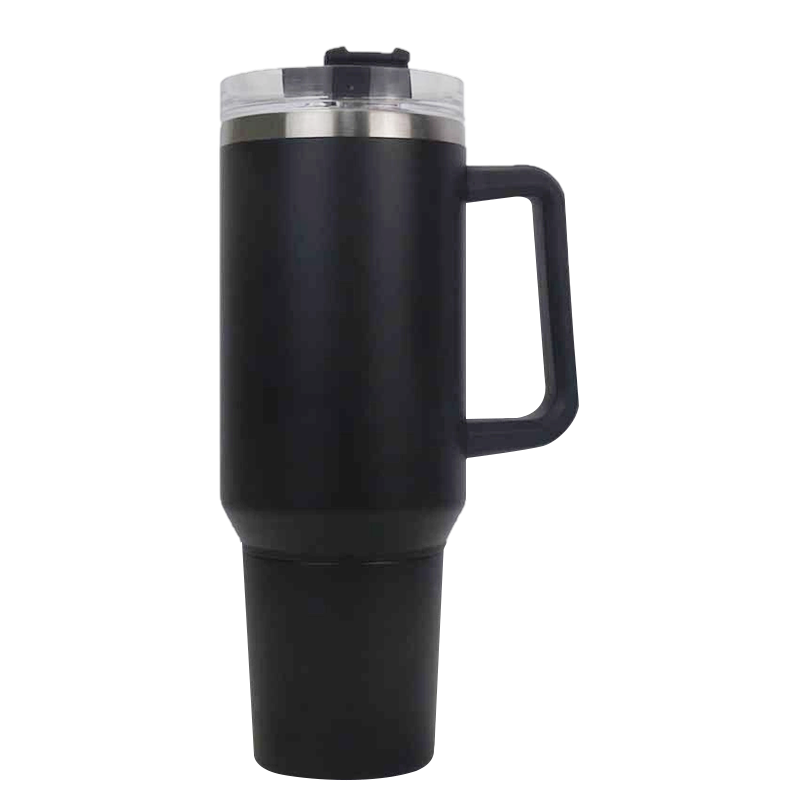
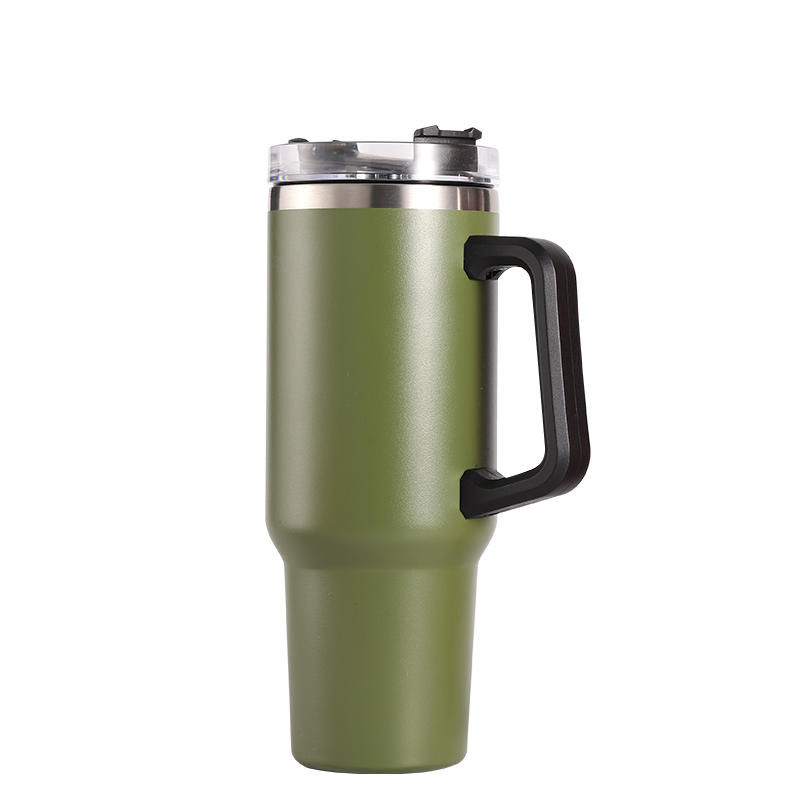
40oz 304 Stainless Steel Car Mug – Detachable Dual...
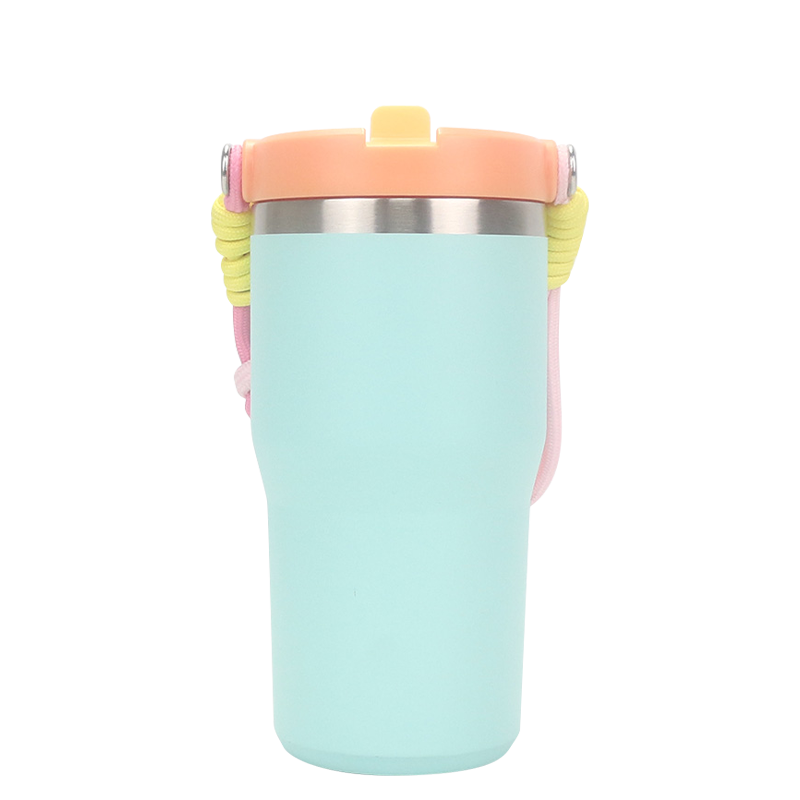
A stylish Car Tumbler designed for daily travel, c...
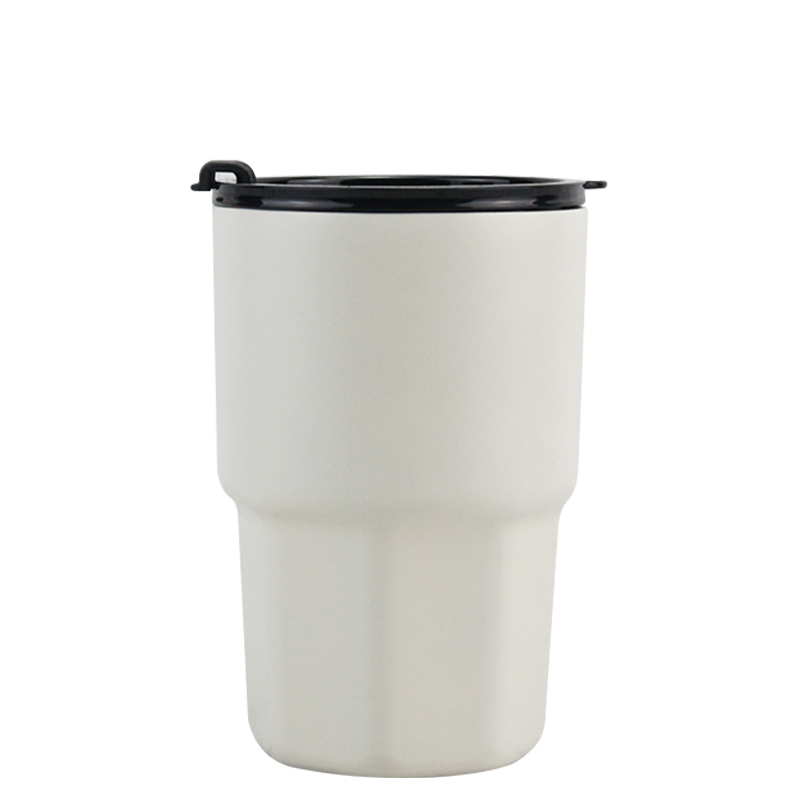
Product Features of Thermos Double Wall Travel Mug...
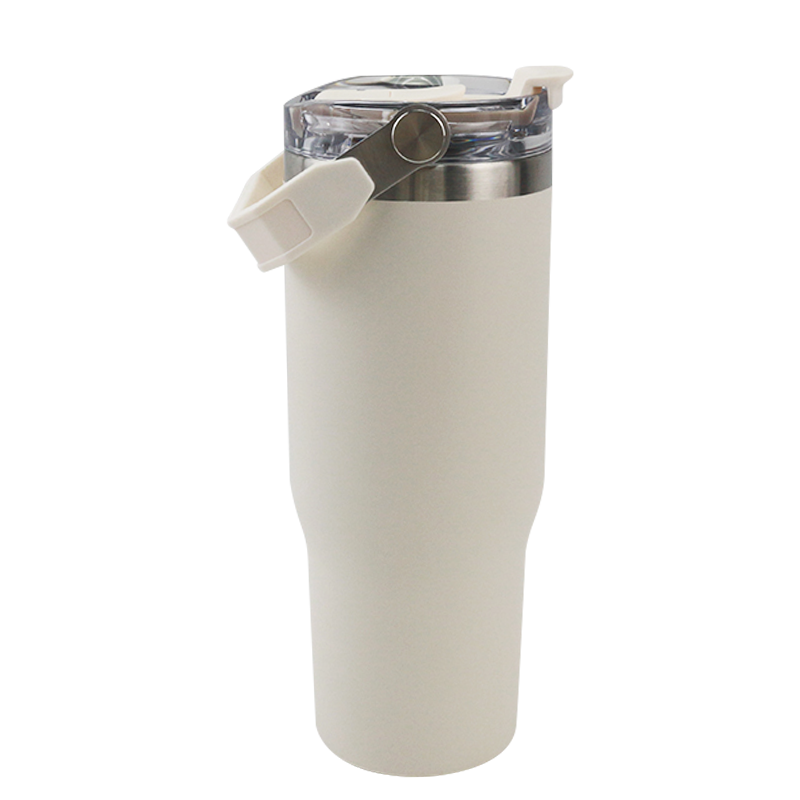
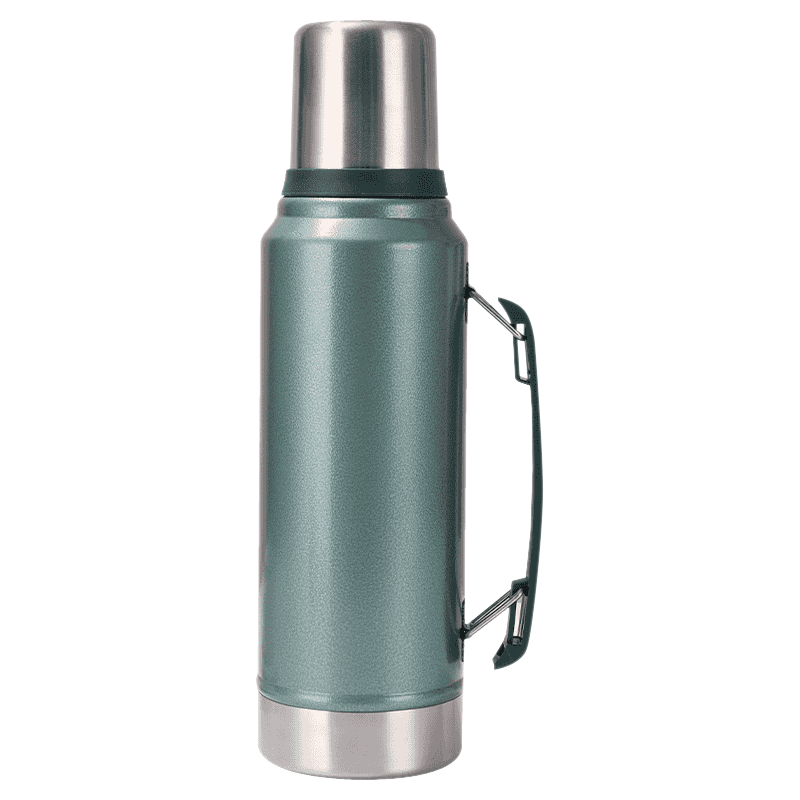
900ml Stepped-Bottom Thermos Stainless Steel Leak ...
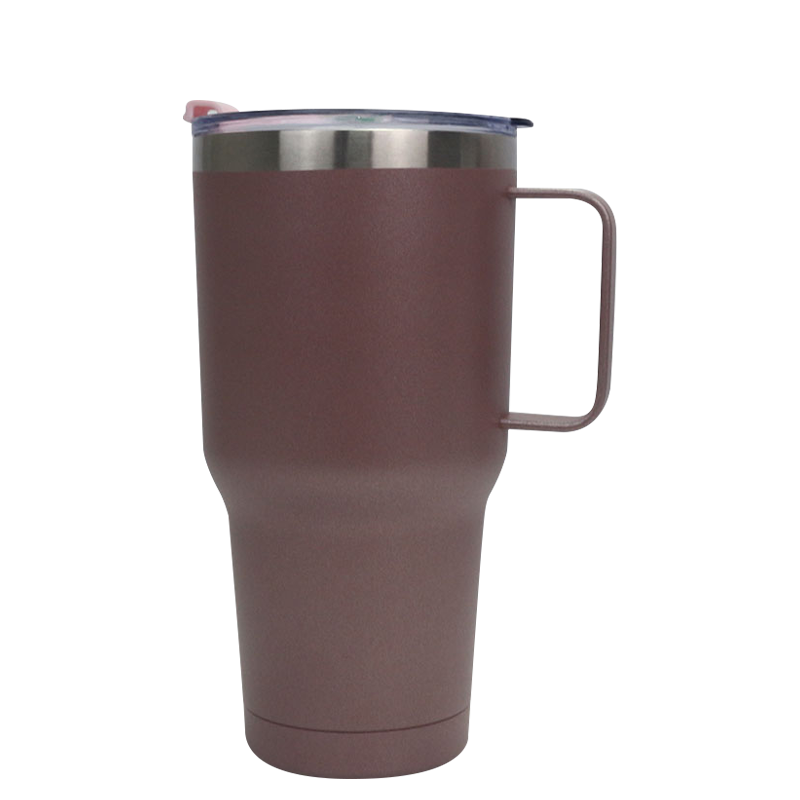
30 Oz Mug with Handle for Car – Large Capacity Dou...
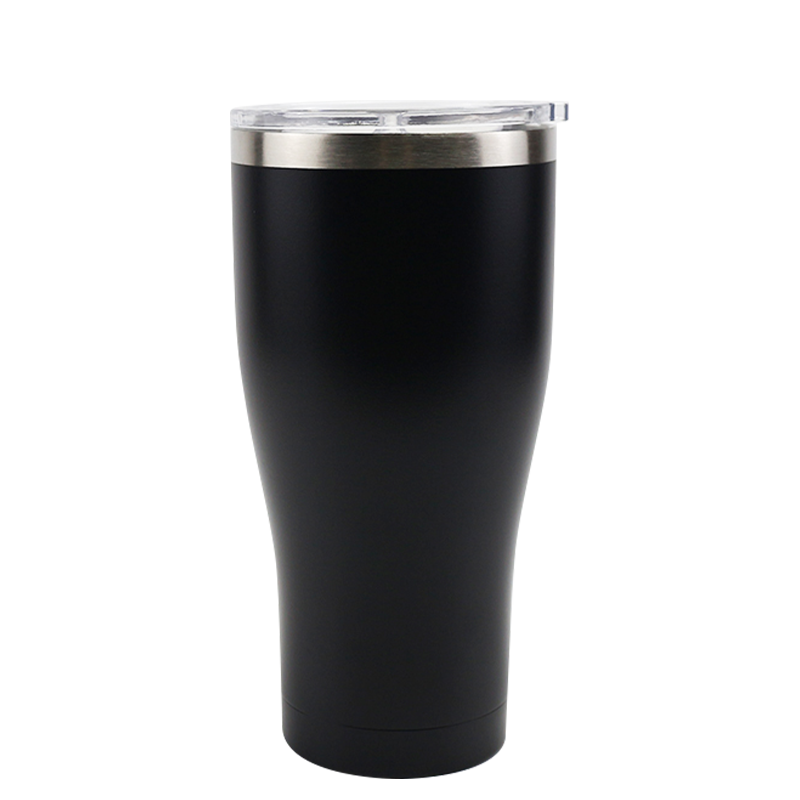
30oz Stainless Steel Car Cup with Large Diameter A...
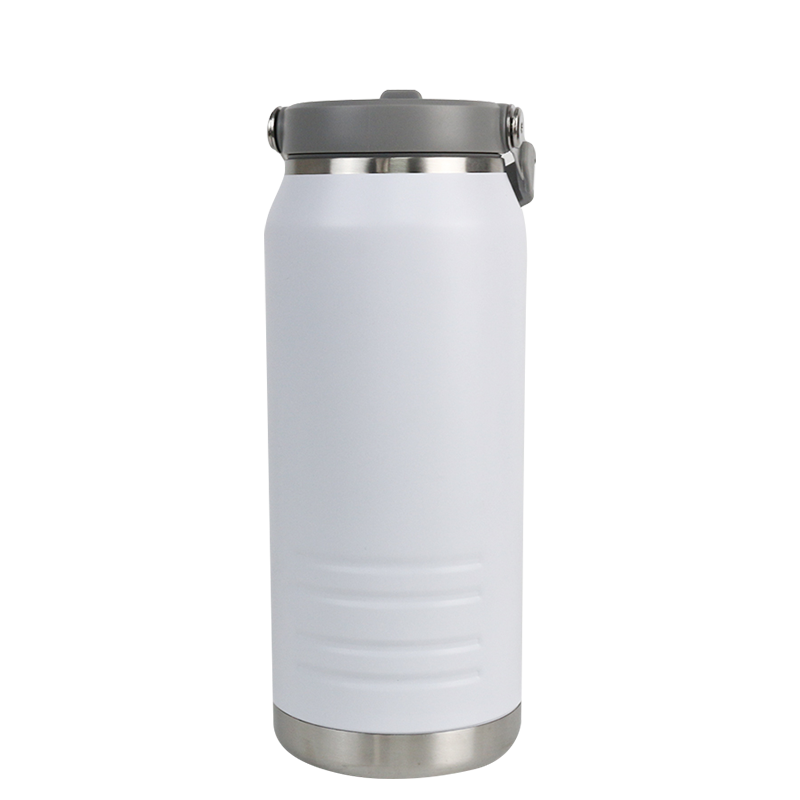
1200ml Stainless Steel Extra Wide Mouth Car Tumble...
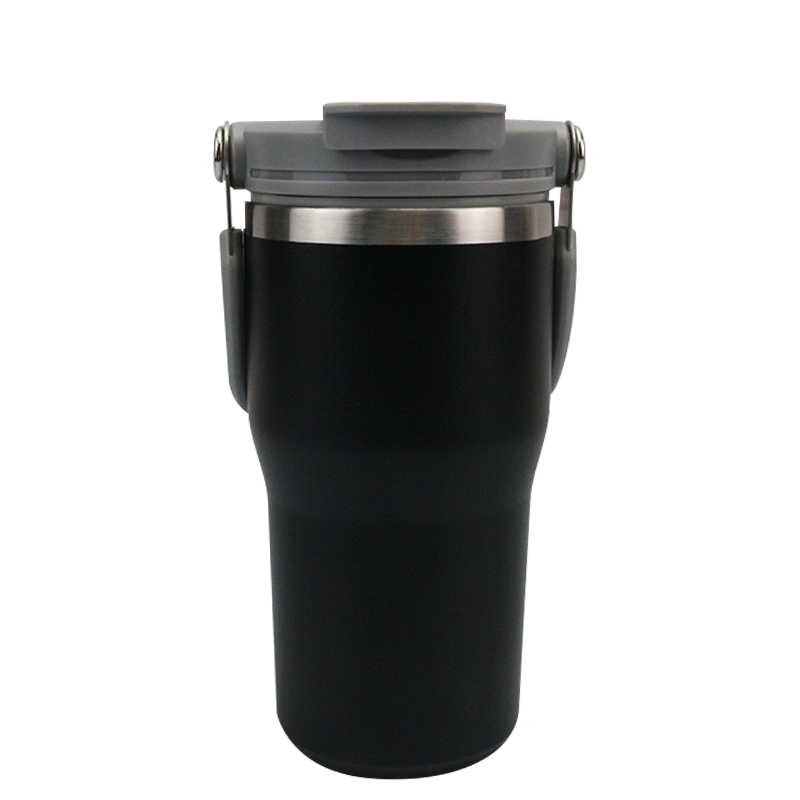
20oz/30oz Stainless Steel Car Tumbler – Stepped Sh...
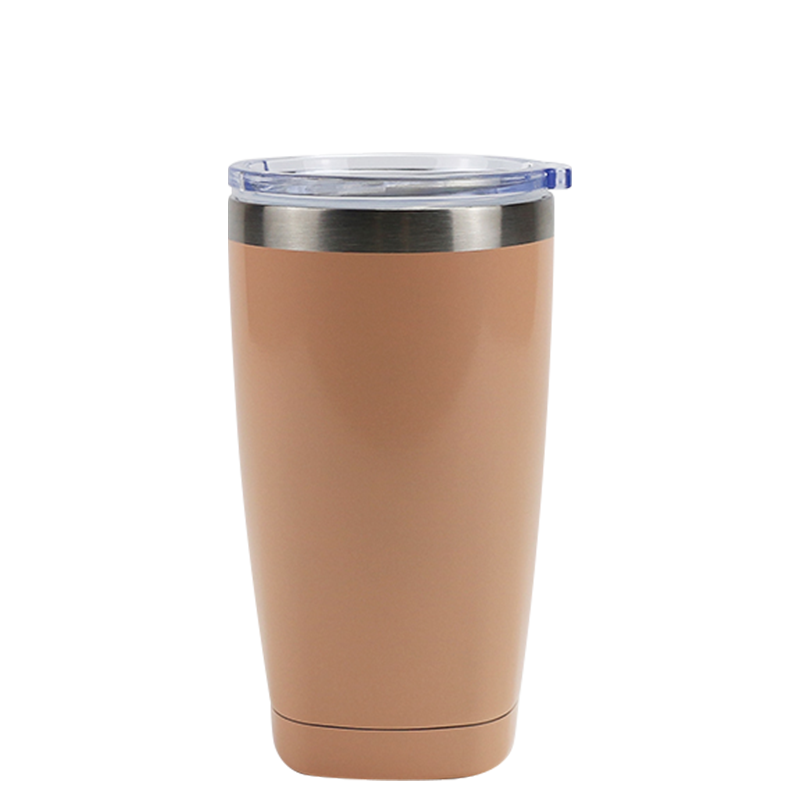
Design Features: Distinctive square base for supe...
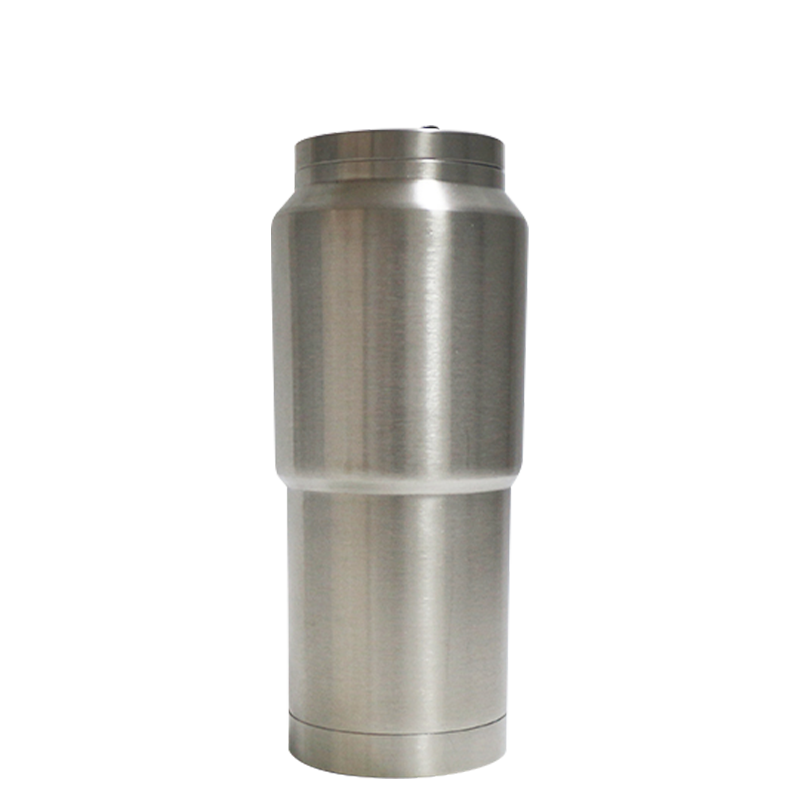
400ml 304 Stainless Steel Easy Clean Direct Drinki...
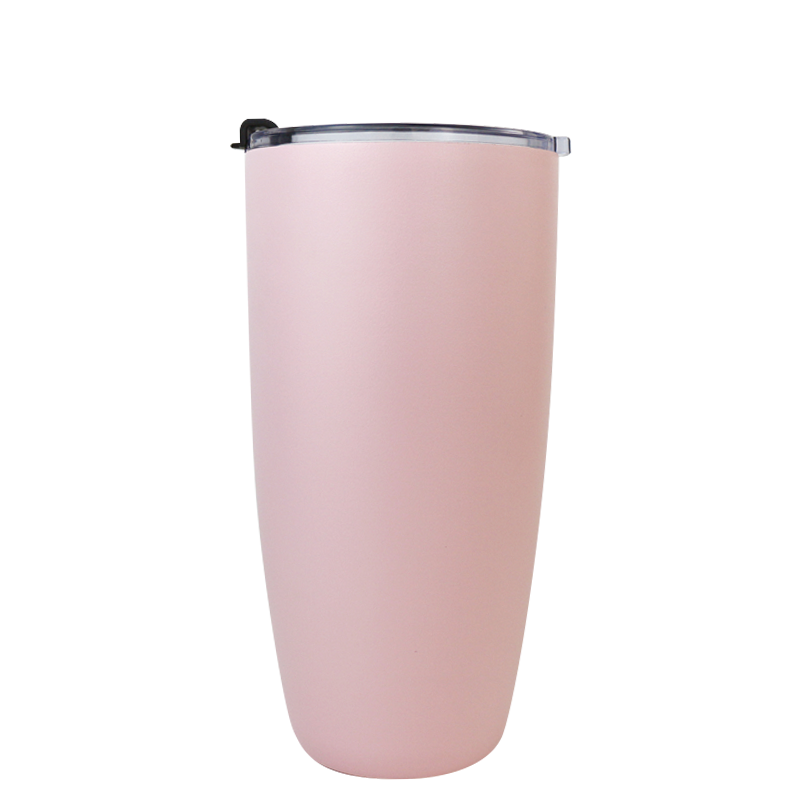
1000ml Large Capacity Wide Mouth Easy-to-Remove Fr...
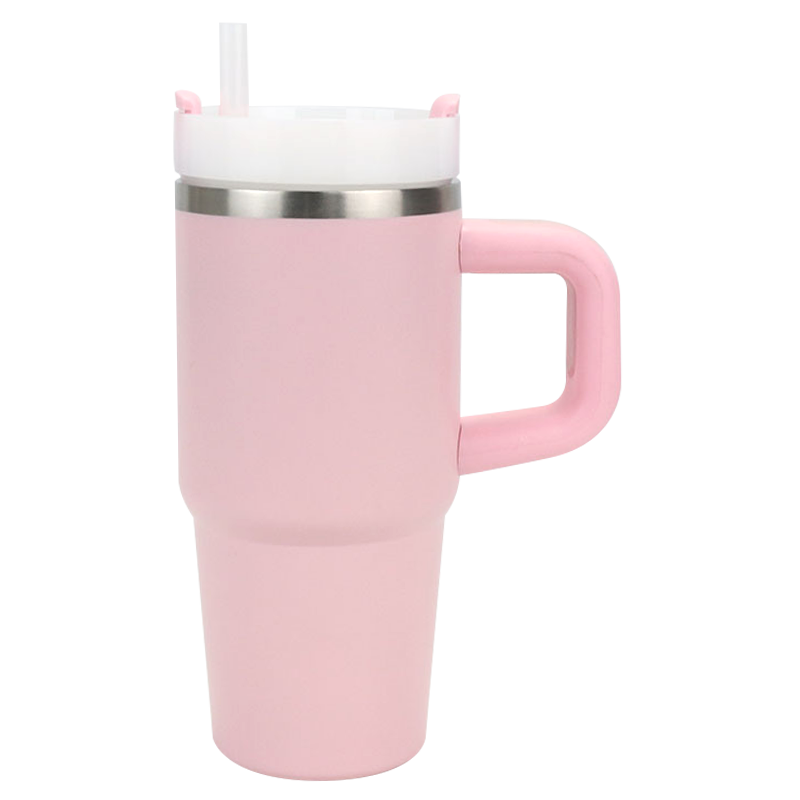
360ml Pink Tumbler with Handle AS Plastic Cup Lid ...
An in-car mug should do two things exceptionally well: keep your drink at the right temperature, and stay put when the road doesn't cooperate. The AIJUN Thermos Car Mug is made for daily driving—sized to sit securely in most cup holders, easy to reach, and built to reduce the little hassles that come with sipping on the move.
Its stainless-steel construction and effective thermal design help maintain heat for morning coffee and retain chill for water or iced drinks through long errands and commutes. The lid is engineered to seal tightly, so quick turns, uneven pavement, and sudden braking don't turn into messes. A sturdy handle adds control when you're lifting, carrying, or drinking, and the durable body is designed to handle everyday use without feeling fragile.
Cleanup is simple, and because it's made to be reused again and again, it's an easy way to cut down on disposable cups while saving money over time. Practical, clean-looking, and dependable, the AIJUN Thermos Car Mug is a small upgrade that makes the drive feel a lot more comfortable.




Outdoor camping keeps drawing more folks looking to unwind and spend time away f...
View MoreBamboo shoots up fast after you cut it, which makes it stand out as a highly vis...
View MoreDue to the long history of stainless steel cups, conventional electrolytic stain...
View MoreMobile work and everyday commuting have become normal for lots of people, meanin...
View MoreA car tumbler sounds simple—until you use the wrong one for a week. Maybe the lid drips at the first hard brake. Maybe your coffee turns lukewarm before you reach the highway. Or the mug is "travel-friendly" in theory, but somehow never fits your cup holder. The good news is that performance isn't mysterious; once you know what to look for, it's easy to pick a tumbler that behaves on the road.
1) Why vacuum insulation wins in real driving
In a car, temperature swings are constant. You go from cold outdoor air to a heater blasting at your feet, then park in the sun and watch the cabin warm like a greenhouse. A vacuum-insulated tumbler—built with two walls and a vacuum layer between them—slows heat transfer dramatically. That means hot drinks cool down more slowly, and cold drinks warm up more slowly, even when the cabin temperature changes.
Single-wall mugs can't compete because the outside environment affects the liquid quickly. In practice, vacuum insulation is the difference between "still enjoyable after errands" and "why did I even bother making this at home?"
2) The lid is the most underrated feature
Drivers often focus on insulation numbers, but the lid is where daily happiness—or daily annoyance—comes from. A well-designed lid does three jobs at once:
Look for a lid with a reliable gasket and a closure that stays closed in a bag. If you frequently drive with one hand on the wheel, simple operation matters more than fancy tricks.
3) Cup-holder fit: small detail, big impact
A tumbler that doesn't fit your car becomes a desk cup. Many vehicles are designed around a fairly standard cup-holder diameter, so the most useful tumblers keep a slim base while still offering a comfortable capacity above. That "tapered" profile isn't just aesthetics—it's function.
If you share a car with family members or switch between vehicles, a shape that fits most holders saves you from the awkward "seat wedge" method that ends in spills.
4) Material choices affect taste, durability, and hygiene
Food-grade stainless steel is popular because it's tough, rust-resistant, and generally neutral in taste. It also stands up to daily knocks—door dings, keys in a bag, the occasional drop on pavement—better than many plastics.
Hygiene is another factor people notice after a month. Smooth interiors are easier to rinse clean, and wide openings help with thorough washing. If you drink coffee or milk-based drinks, easy cleaning isn't a bonus feature; it's what keeps yesterday's smell from joining today's commute.
5) Hot vs. cold: choosing capacity and style for your routine
Bigger isn't always better. A larger tumbler can hold temperature longer because there's more liquid mass, but it also adds weight and may feel bulky for short commutes. For many drivers, the "sweet spot" is the size that finishes within a normal drive window—so you're enjoying the drink, not storing it.
Cold-drink fans may care more about ice compatibility (and a lid that handles faster flow), while coffee drinkers often prioritize controlled sipping and a lid that keeps heat from escaping.
6) A practical care routine that extends lifespan
To keep a car tumbler performing like new:
A solid tumbler is one of the easiest reusable habits to maintain—simple, cost-saving, and noticeably better than disposable cups once you find the right fit.
A great car tumbler doesn't demand attention. It fits the holder, seals reliably, and delivers your drink the way you intended—hot, cold, and spill-free—mile after mile.
* Your email is safe with us, we don't spam.

Our company's products include vacuum flasks, beer mugs, coffee mugs, car tumbler, fire stove and tensile parts, etc.
Phone: +86-13566758039
Tel: +86-0579-87171178
Fax: +86-0579-87171178
E-mail: [email protected]
Add: No.29, Qiaodong Road, Qiaotouzhou Village, Longshan Town, Yongkang, Jinhua, Zhejiang, China.
Copyright © 2024 Yongkang Aijun Industry & Trade Co., Ltd.

Thermos Car Mug Supplier


 English
 中文简体
中文简体 日本語
日本語 Français
 Español