+86-13566758039

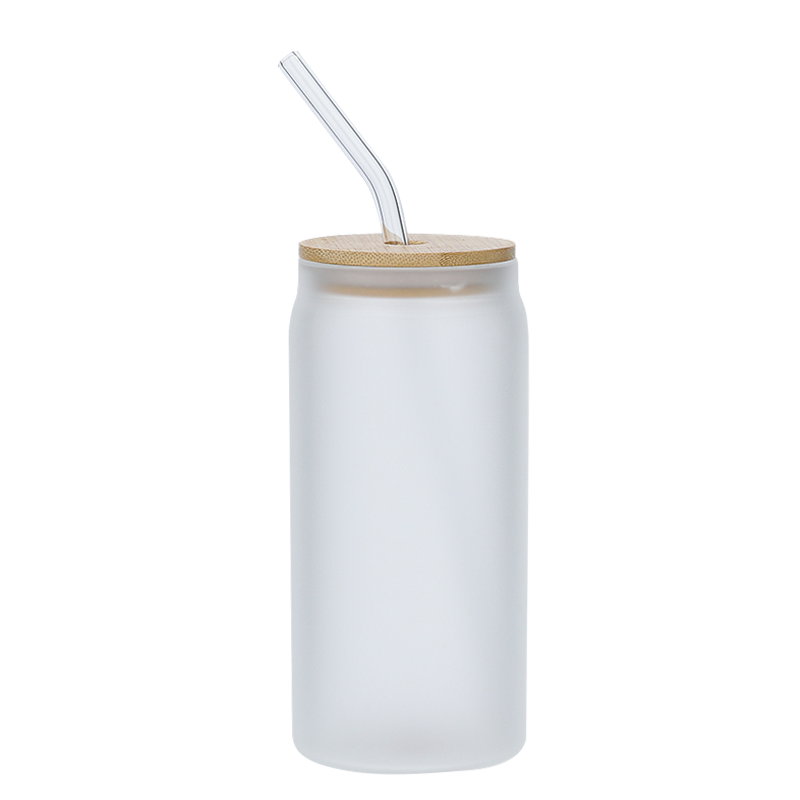
In the realm of glassware, high borosilicate glass...
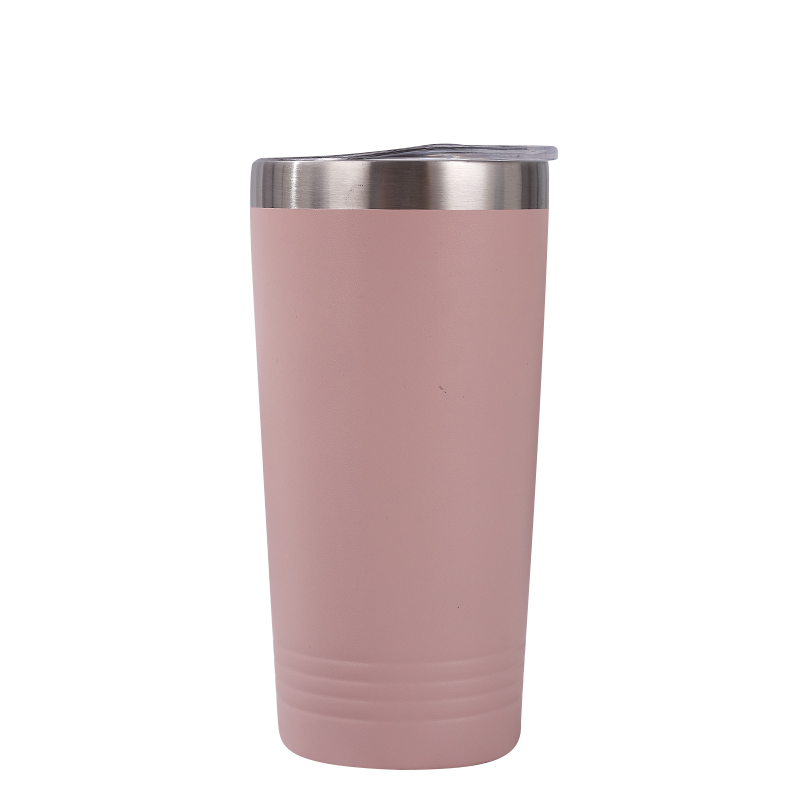
The Rim Beer Mug features a double-walled insulate...
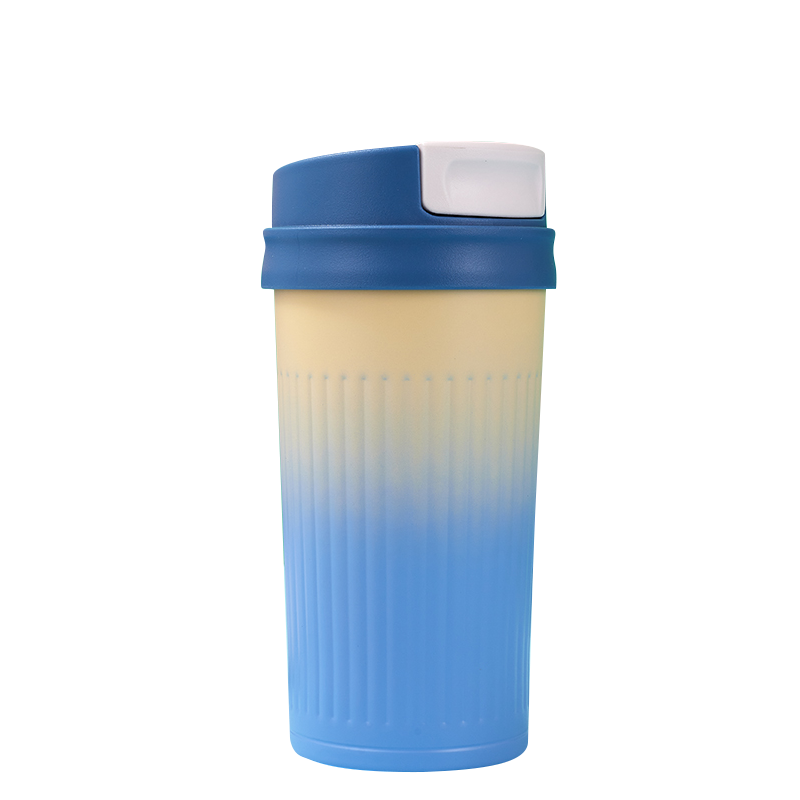
Stylish and Functional 450ml Gradient Stainless St...
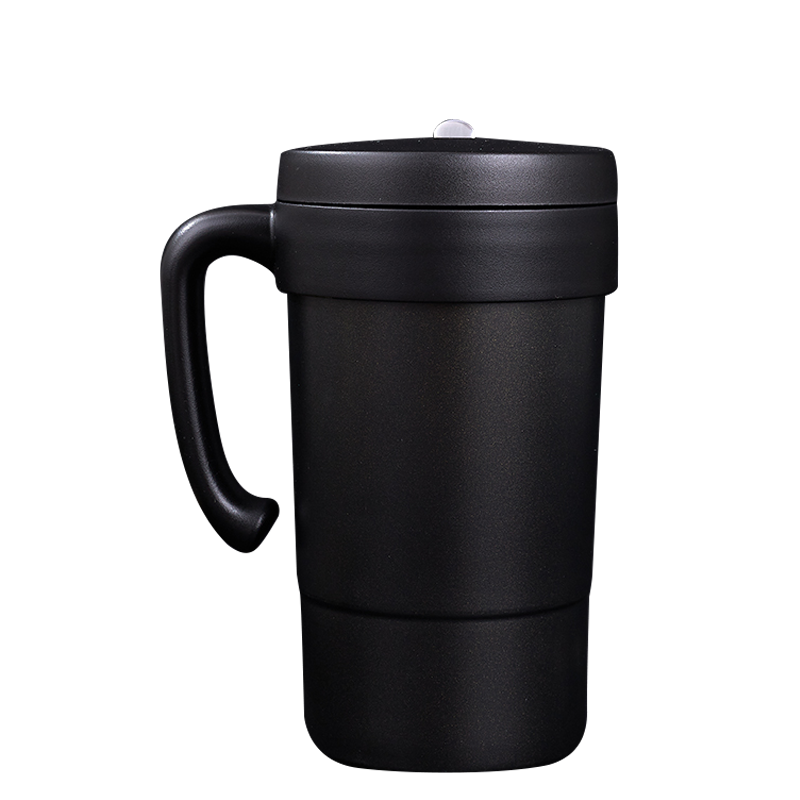
580ml Coffee Mug with Handle: Enhance Your Coffee ...
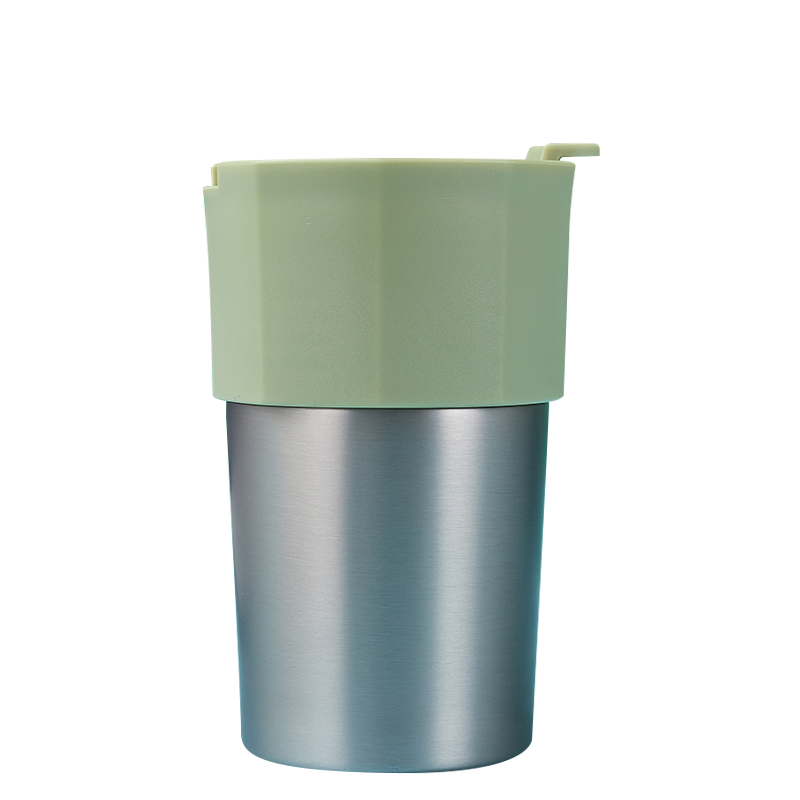
Enjoying a hot beverage is about balancing the war...
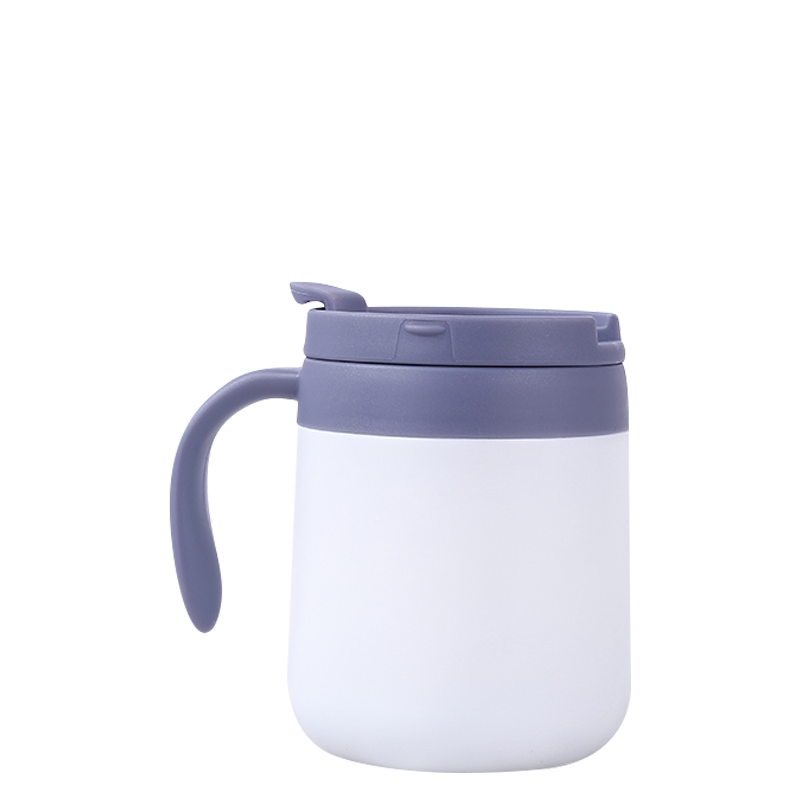
Aijun Nordic Stainless Steel Coffee Mug The Nordic...
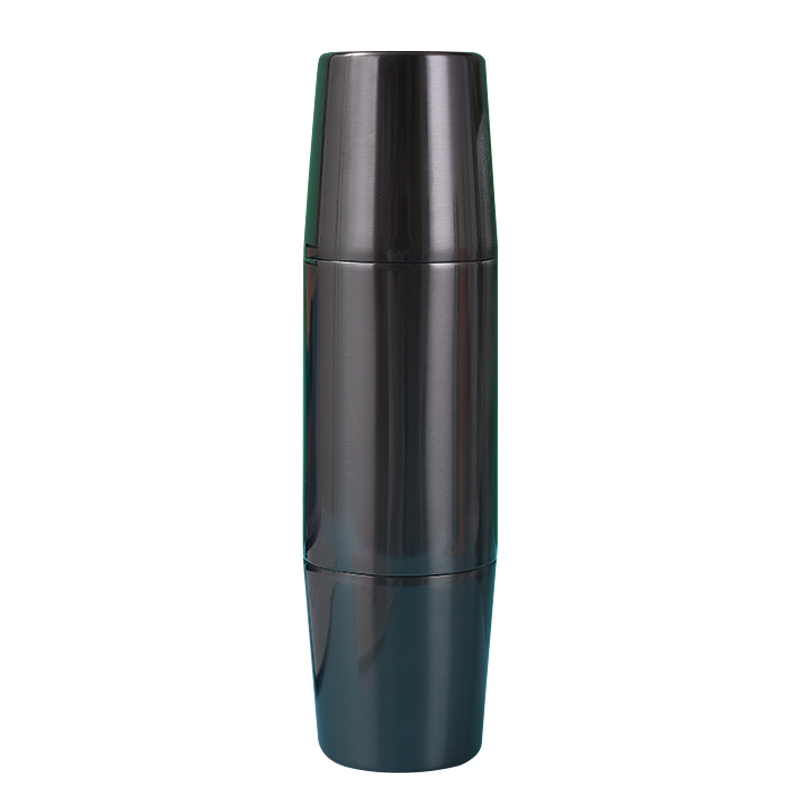
The 730ml Magnet Beer Mug with Two Ends introduces...
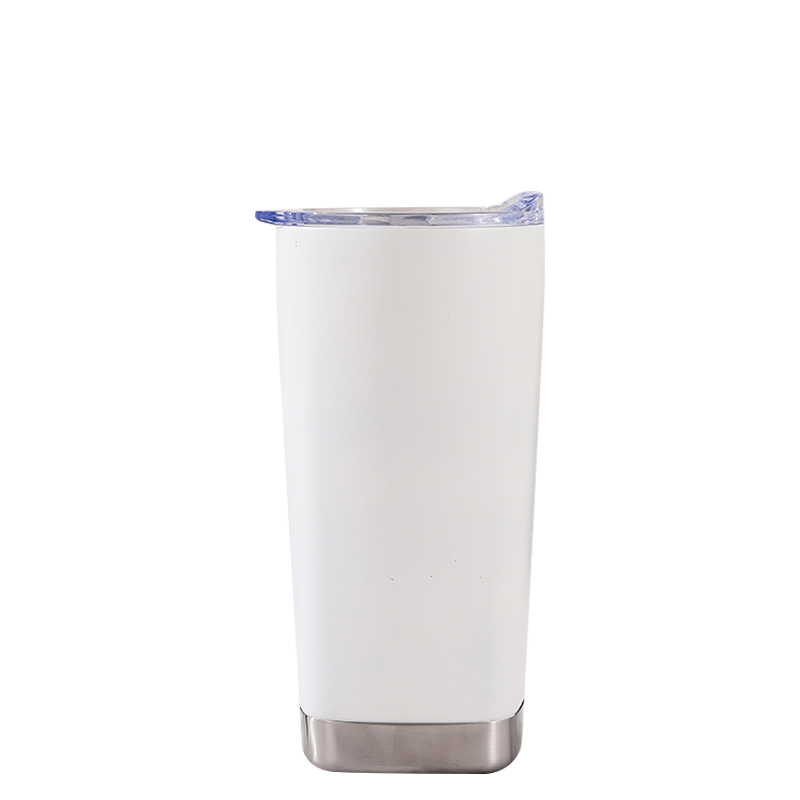
The world of beer drinking is as varied as the bee...
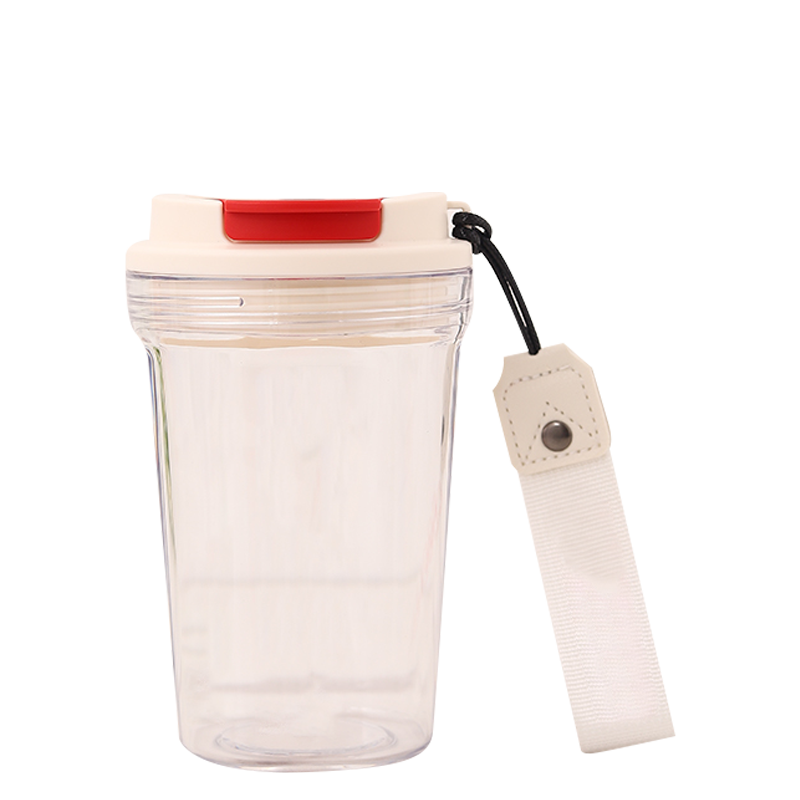
The world of coffee enthusiasts is always searchin...
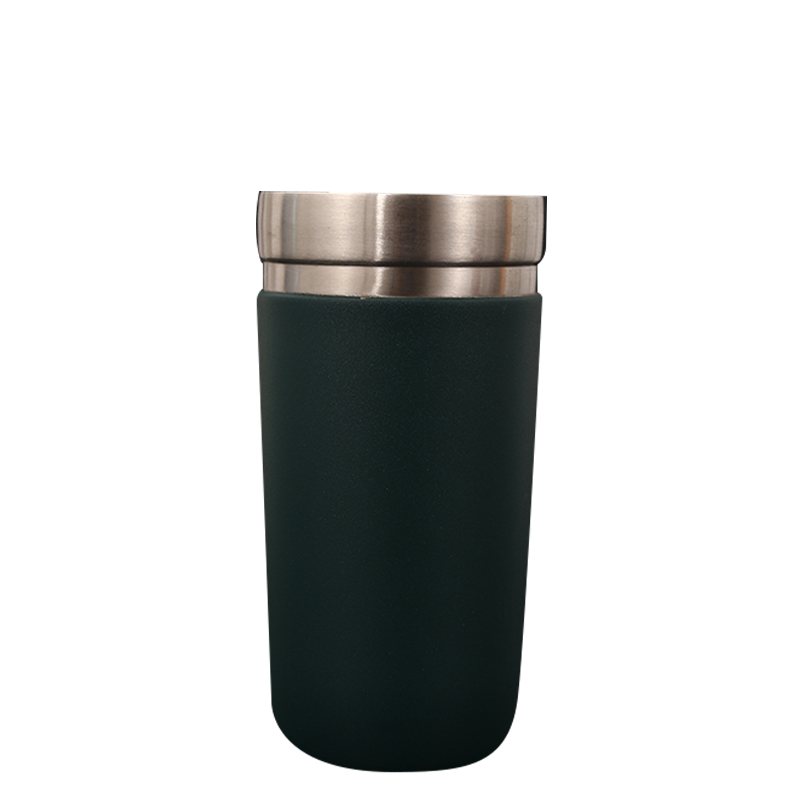
Coffee lovers often seek a reliable vessel to enjo...
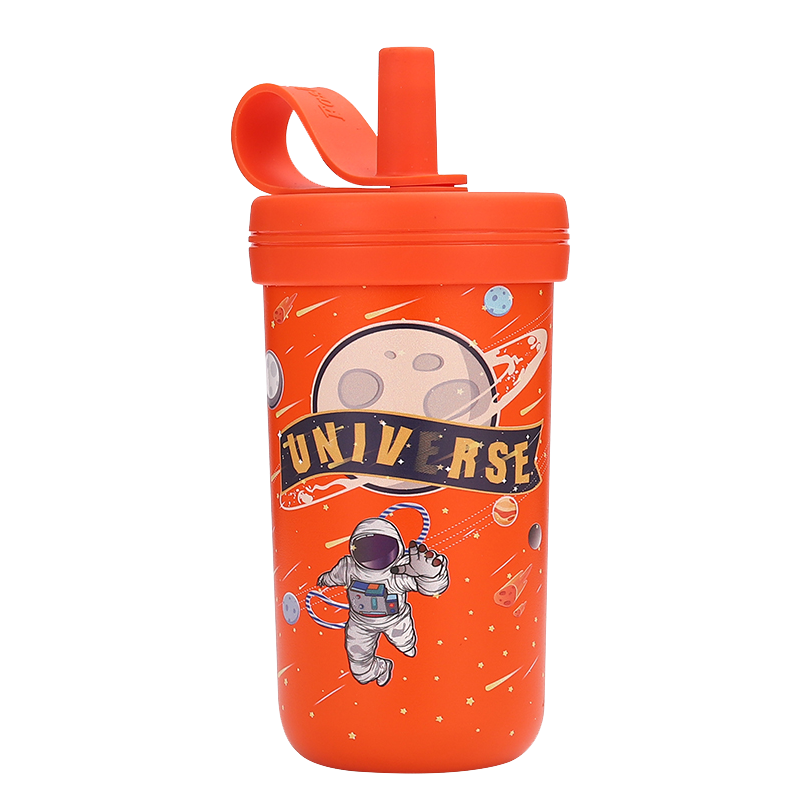
Built to LastThe 316 stainless steel straw mug is ...
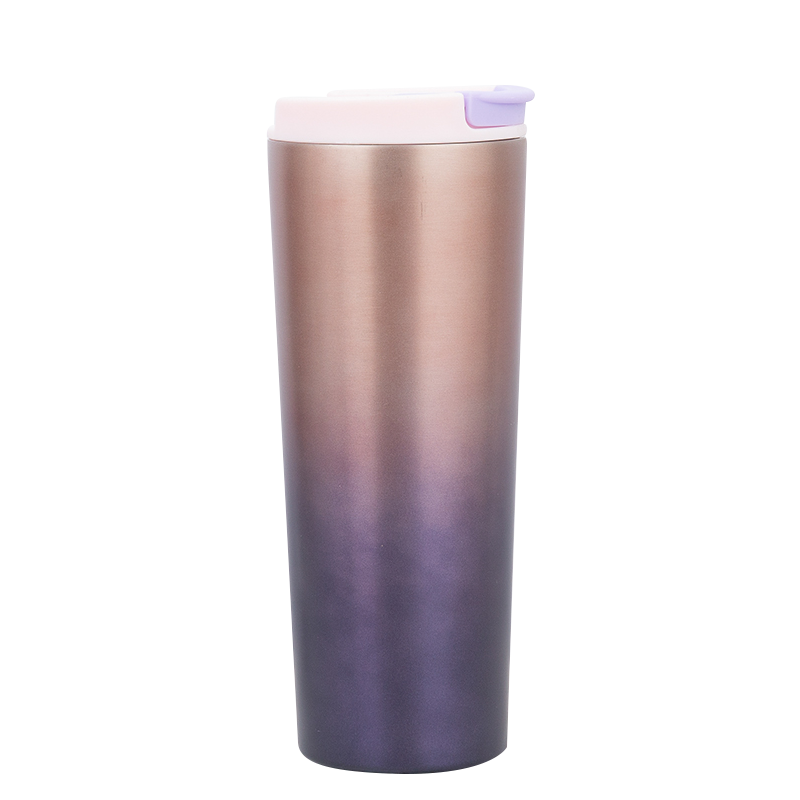
600ml Coffee Mug Overview: This 600ml coffee mug c...
AIJUN's mugs aren't designed to sit untouched in a display cabinet—they're built for real routines. Think early commutes, long shifts, and relaxed weekends where you reach for the same favorite cup again and again. The focus is on everyday comfort: a secure feel in the hand, dependable performance, and surfaces that still look neat after repeated use.
Across the range, many models use a double-wall build to help buffer temperature changes. That extra layer slows heat exchange, so coffee and tea stay enjoyable longer, while cold drinks keep their bite without turning the outside of the mug into an icy, dripping mess. The exterior remains easier to hold, and condensation is kept in check—good news for desks, car interiors, and anything you'd rather not wipe down. Material options such as stainless steel and double-wall glass give you flexibility, and select designs can be paired with lids for more spill-aware travel.
These pieces also work well as gifts or branded items. Customization—whether it's a name, a logo, or a tailored graphic—makes them a fit for companies, cafés, events, and retail collections.
Just as important is how they're made. AIJUN tightens control over processes like metal electrolysis and coating, while collecting and treating wastewater and exhaust to reduce environmental discharge. The result is drinkware that aims to be practical, repeat-use friendly, and produced with greater care.


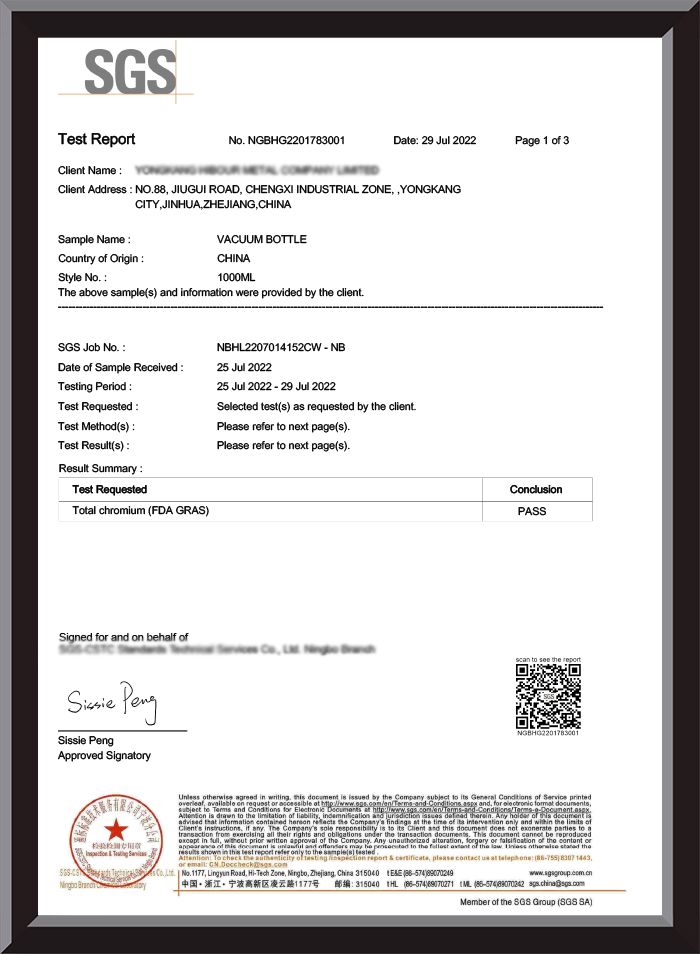
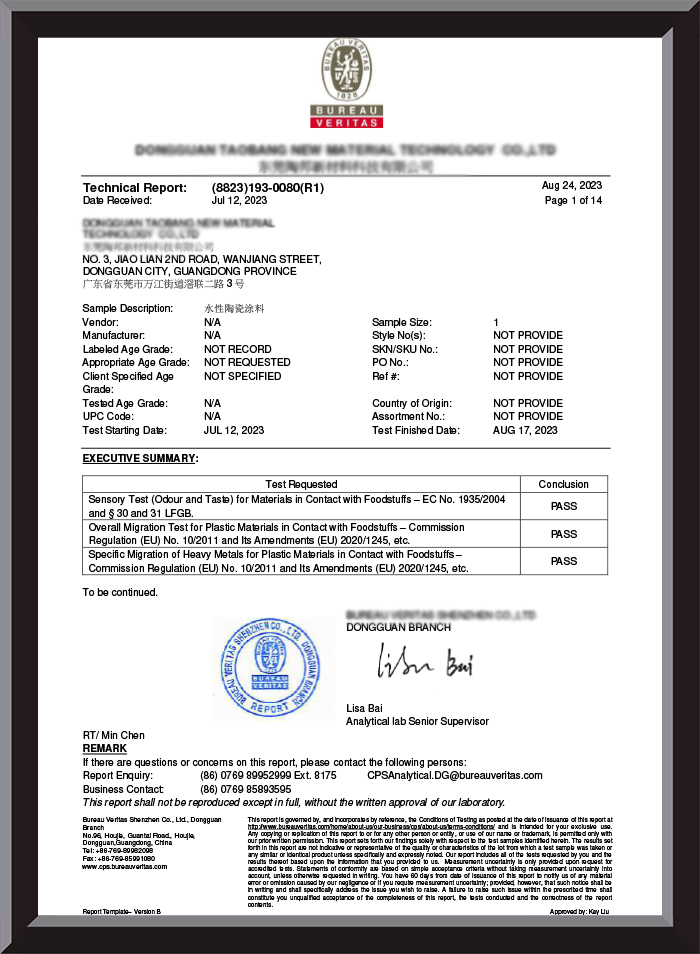

Out in the backcountry, having enough clean water on hand makes or breaks the wh...
View MoreWith the development of the times, traditional stainless steel cups have been re...
View MoreLots of people these days just bring along their own insulated container whereve...
View MoreDriving involves long stretches behind the wheel, and having a drink close at ha...
View MoreMost people don't think about mug design until a small annoyance shows up—burnt fingers from a hot cup, watery rings on the desk, or an iced drink that turns lukewarm halfway through the morning. Double-layer drinkware solves those "minor" problems in a very practical way. A Double Layer Coffee Mug (and its cousins: straw tumblers and beer cups) uses two walls with a thin insulating gap between them. That gap—usually air, sometimes a more advanced barrier—slows heat movement, which changes how the cup feels and how the drink behaves.
Below is what the two-layer build does in real life, plus how to pick a style that fits the way you actually drink.
1) Why a two-layer mug feels better to hold
Single-wall cups quickly take on the temperature of what you pour in. Hot coffee makes the outside uncomfortably warm; iced drinks make it cold and sweaty.
A Double Layer Coffee Mug keeps the exterior more comfortable because the insulation gap acts like a speed bump for heat transfer. In everyday terms, that means:
Less "too hot to touch" for espresso, tea, or hot chocolate
Less clammy cold when you're holding an iced latte
Fewer condensation puddles, so desks, coasters, and hands stay drier
This is also why double-wall glass mugs are popular in cafés and home setups: you get the comfort benefit and the visual appeal.
2) Temperature retention: what helps (and what still steals heat)
Double-layer construction supports temperature stability, but it's not magic—your drink still loses heat fastest from the top. Stirring, sipping, and leaving the mug open all accelerate temperature change because you keep swapping warm air for cooler air (or the reverse for iced drinks).
If you care about holding temperature longer, focus on the real levers:
Use a lid when possible, especially for slow sipping or commuting
Choose a sensible capacity—more liquid generally changes temperature more slowly
Mind the opening design (smaller openings usually reduce heat exchange)
For many people, the "right" mug isn't the one that promises extreme hours on a spec sheet; it's the one that keeps coffee enjoyable through a normal meeting or commute.
3) Picking materials: stainless steel vs. double-wall glass
Material choice isn't about what's "best"—it's about what you want the mug to do.
Double-wall glass: great for presentation. It highlights crema, milk layers, tea color, and beer head. Quality borosilicate glass also handles temperature shifts better than typical glass.
Stainless steel: built for durability. If your mug rides in bags, survives busy workspaces, or sees outdoor use, steel is usually the low-stress option.
A common approach (for brands, cafés, and retailers) is to offer both: glass for the experience, steel for the beating life sometimes delivers.
4) Straw tumblers and beer mugs: different drinks, different priorities
A straw tumbler is all about easy flow. People pick it for iced drinks, smoothies, or long hydration sessions where quick sipping matters. The best designs also consider hygiene—straws that clean easily and lids that don't hide residue in hard-to-reach channels.
Beer mugs are about secure grip and comfort. Handles matter more when the drink is cold and the mug can get slick. A double-layer build helps reduce exterior sweat and can keep the pour cooler a bit longer—useful for casual gatherings, patios, and service settings.
5) Why customized mugs don't get forgotten
Drinkware is one of the few "giftable" items that can become a daily habit. A logo for a café program, an event graphic, a name, or a short message turns a mug into something people keep on their desk rather than something that disappears into a cupboard.
A Double Layer Coffee Mug is especially strong here because it offers a noticeable upgrade in comfort—so the gift doesn't just look thoughtful; it gets used.
6) Sustainability isn't only about reusability
Reusable mugs reduce the demand for single-use cups, but the manufacturing side matters too. Responsible factories focus on controlling finishing steps (like surface treatments and coatings) and properly collecting and treating wastewater and exhaust, instead of pushing the burden downstream.
In other words, "eco-friendly" is part product choice, part process discipline.
A well-chosen Double Layer Coffee Mug is a small upgrade that pays you back daily: a more comfortable grip, fewer drips and rings, better temperature stability, and a cleaner drinking routine. Add the right format—straw tumbler for all-day sipping or a handled beer mug for cold pours—and you end up with drinkware that fits your habits instead of fighting them.
* Your email is safe with us, we don't spam.

Our company's products include vacuum flasks, beer mugs, coffee mugs, car tumbler, fire stove and tensile parts, etc.
Phone: +86-13566758039
Tel: +86-0579-87171178
Fax: +86-0579-87171178
E-mail: [email protected]
Add: No.29, Qiaodong Road, Qiaotouzhou Village, Longshan Town, Yongkang, Jinhua, Zhejiang, China.
Copyright © 2024 Yongkang Aijun Industry & Trade Co., Ltd.

Double Layer Coffee Mug in China


 English
 中文简体
中文简体 日本語
日本語 Français
 Español