+86-13566758039

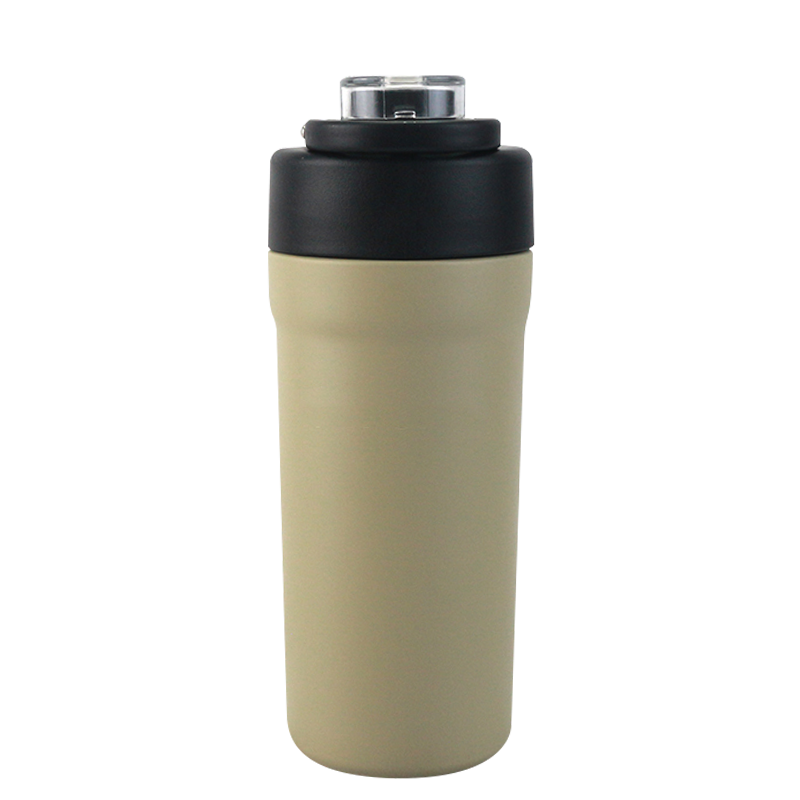
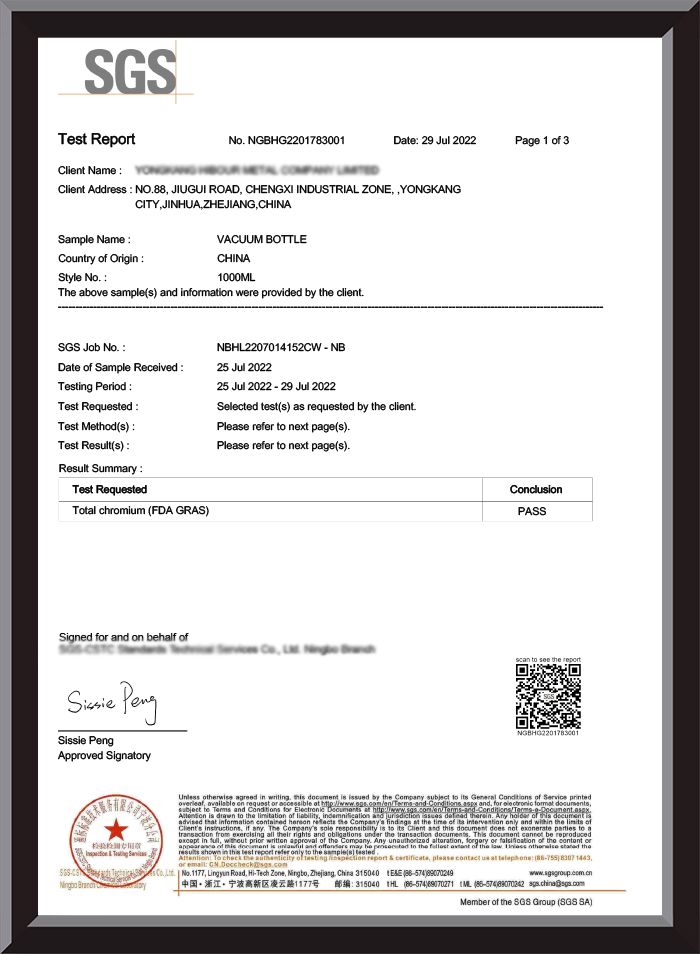
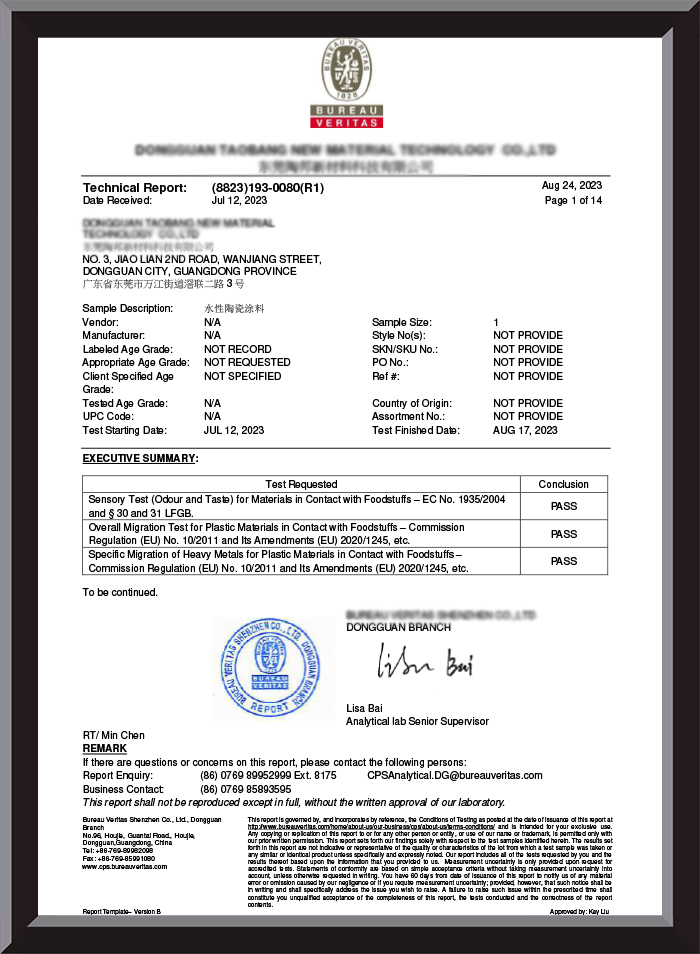
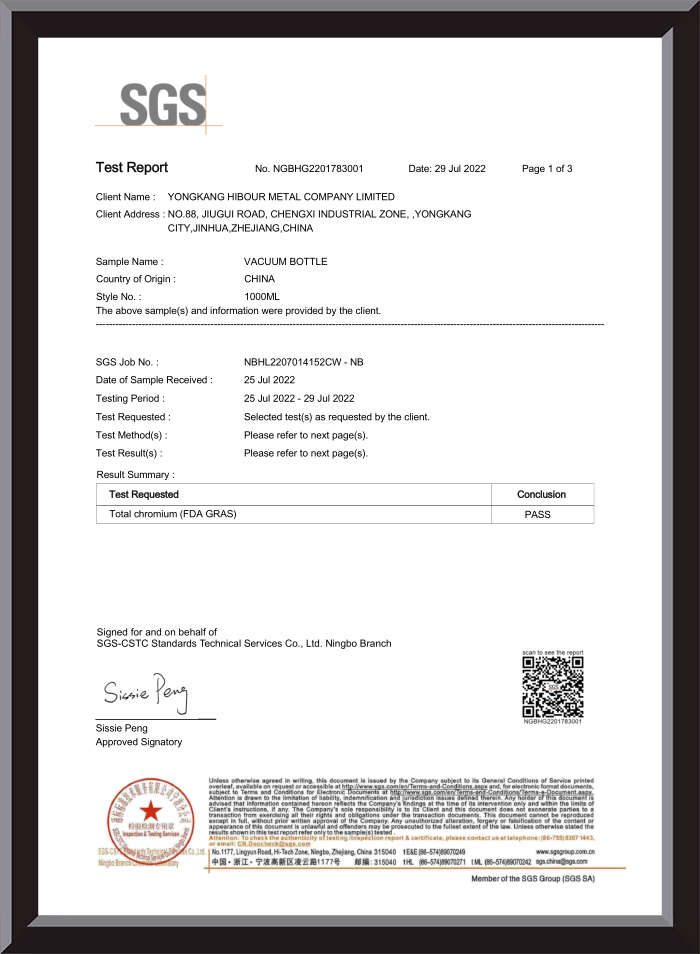
Safety approvals such as FDA, LFGB, etc. Comply wi...
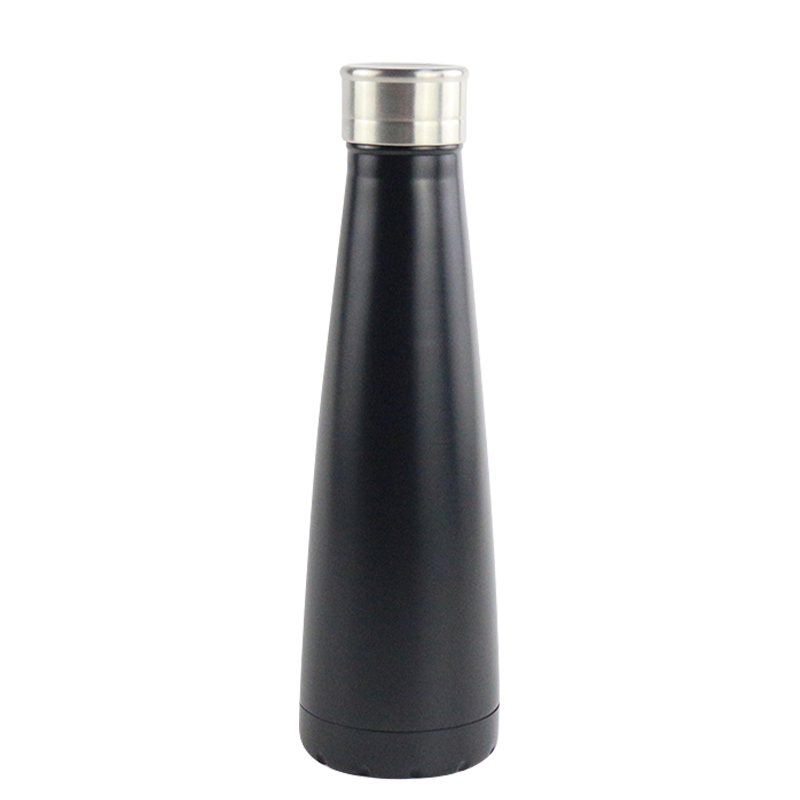
Safety approvals such as FDA, LFGB, etc. Comply wi...
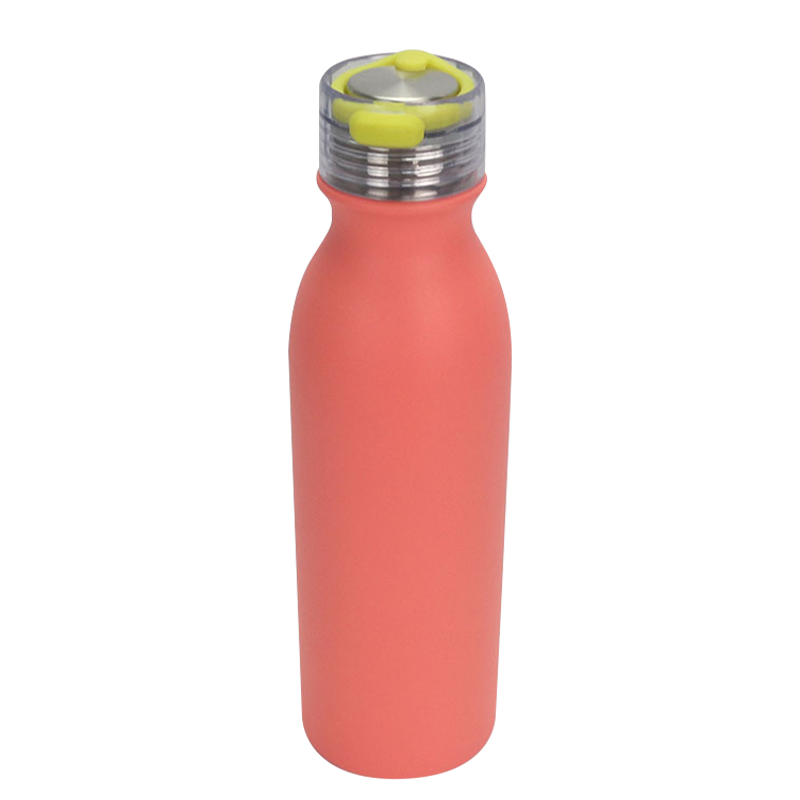
Safety approvals such as FDA, LFGB, etc. Comply wi...
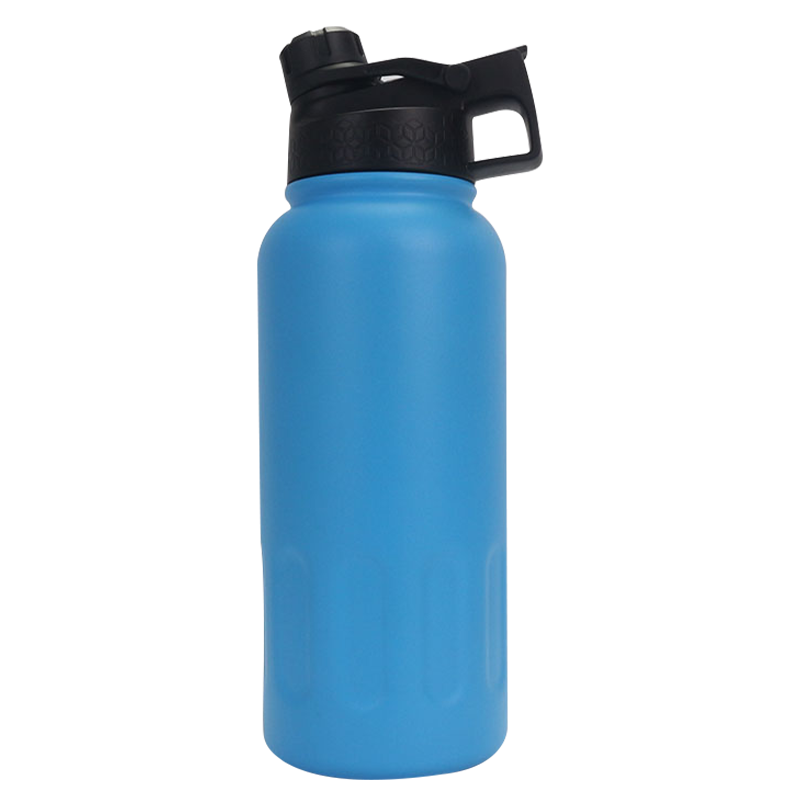
This 1000ml matte blue Sports Water Bottle is buil...
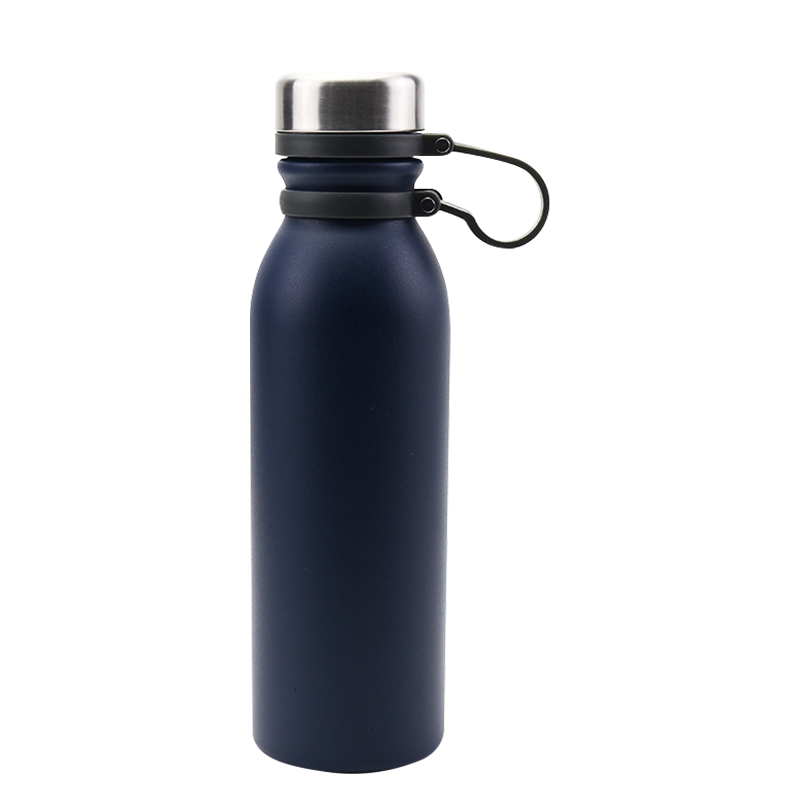
Safety approvals such as FDA, LFGB, etc. Comply wi...
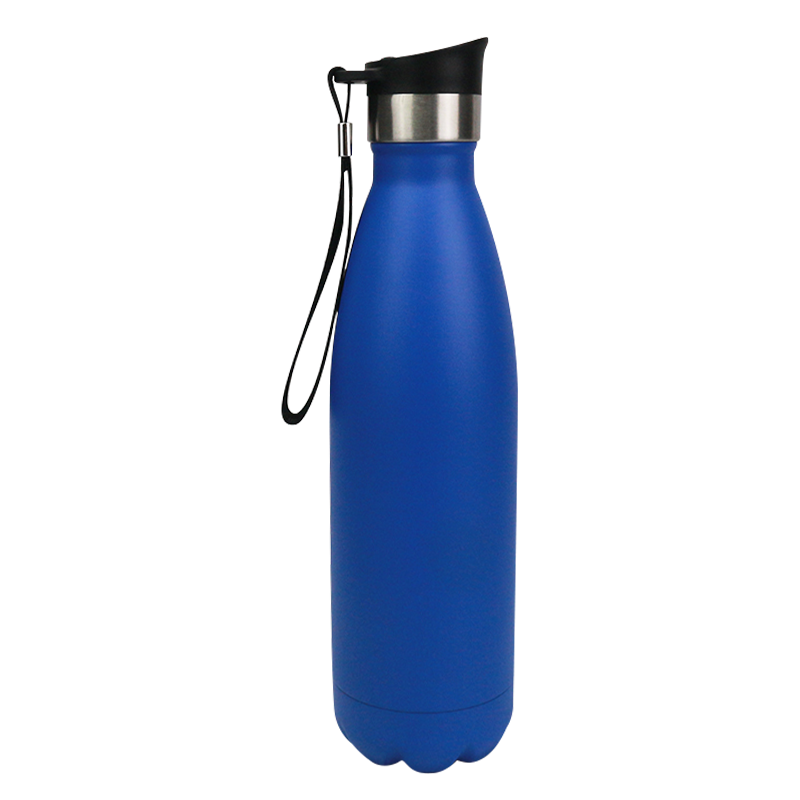
Safety approvals such as FDA, LFGB, etc. Comply wi...
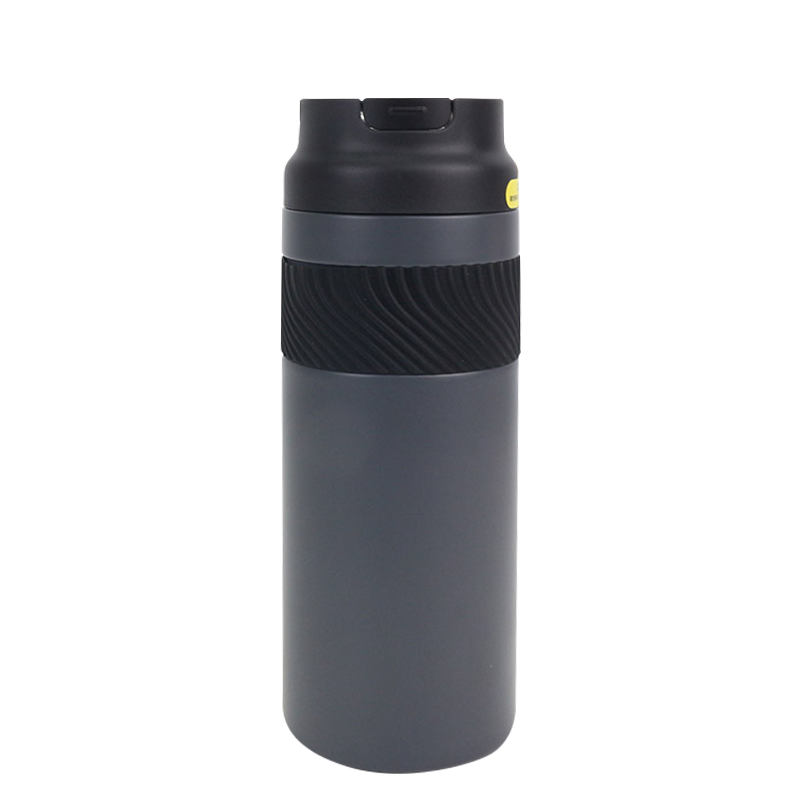
Safety certifications such as FDA, LFGB, etc.Compl...
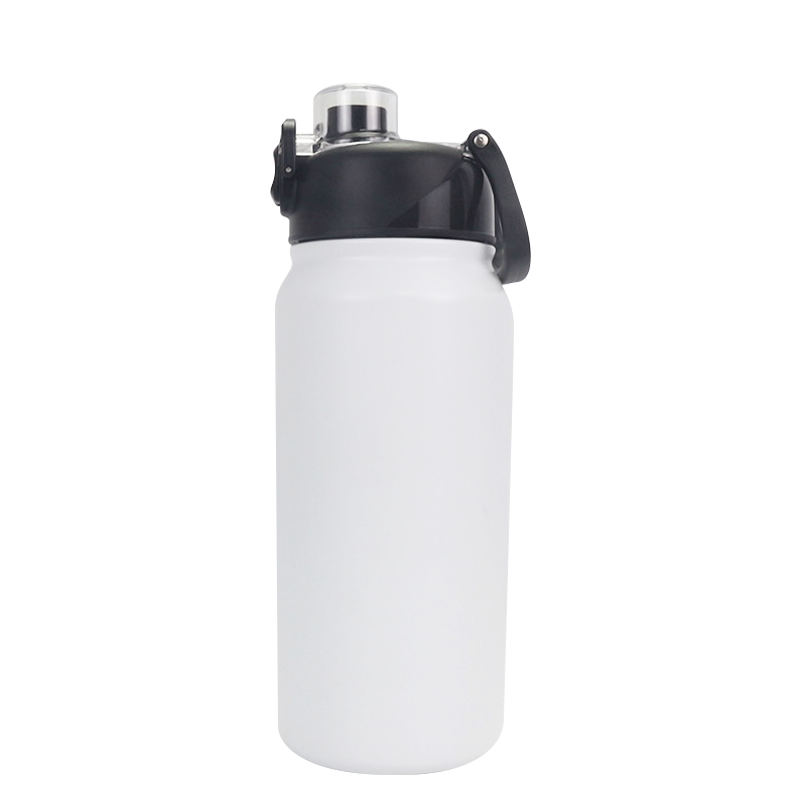
Safety certification:Comply with US FDA, CA65 and ...
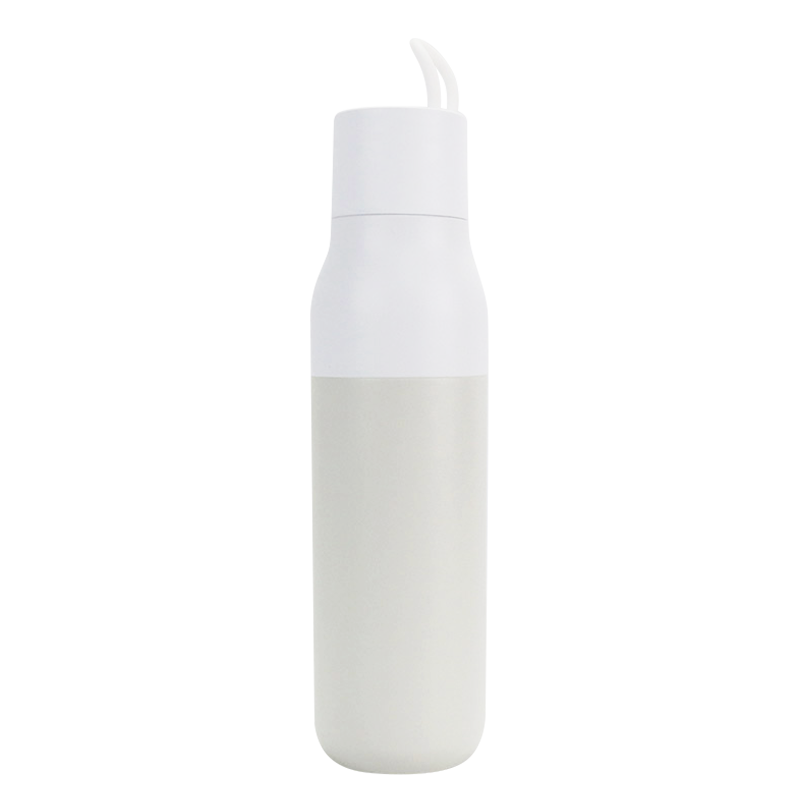
Safety certification:Comply with US FDA, CA65, and...
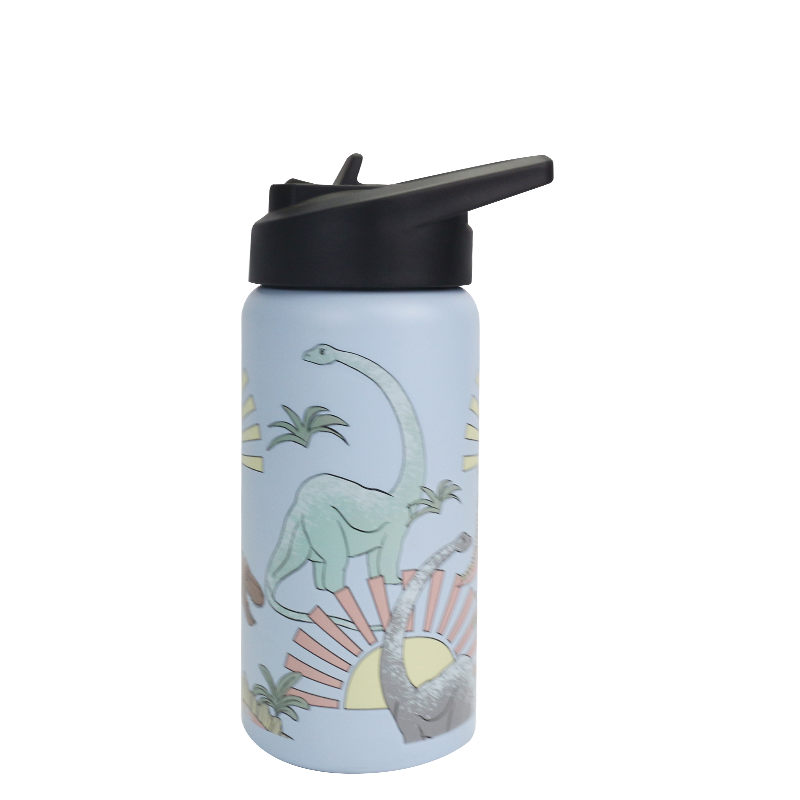
Safety certification:Comply with US FDA, CA65 and ...
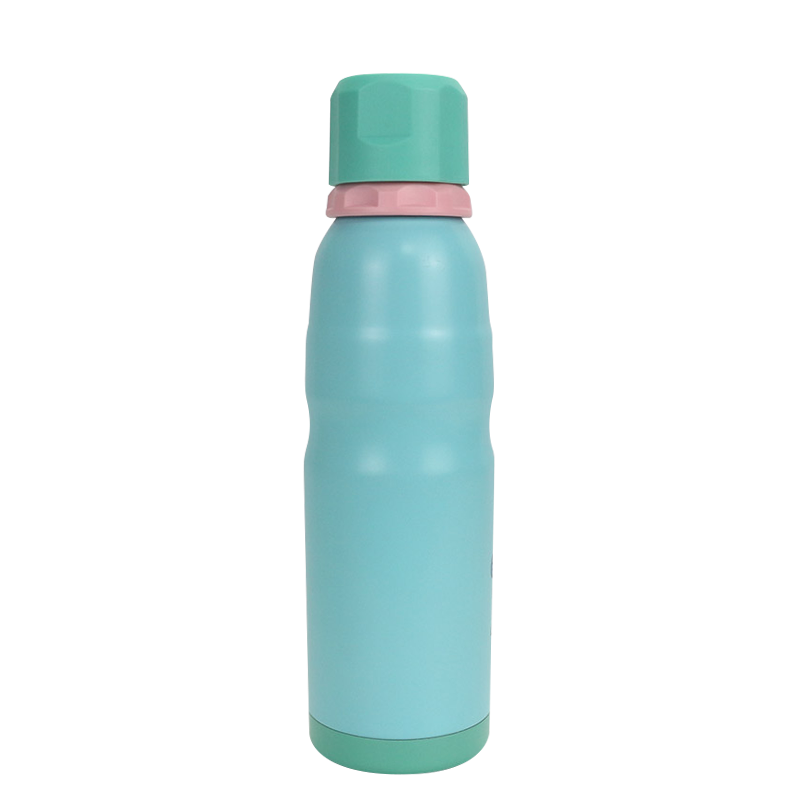
Safety certification:Comply with US FDA, CA65 and ...
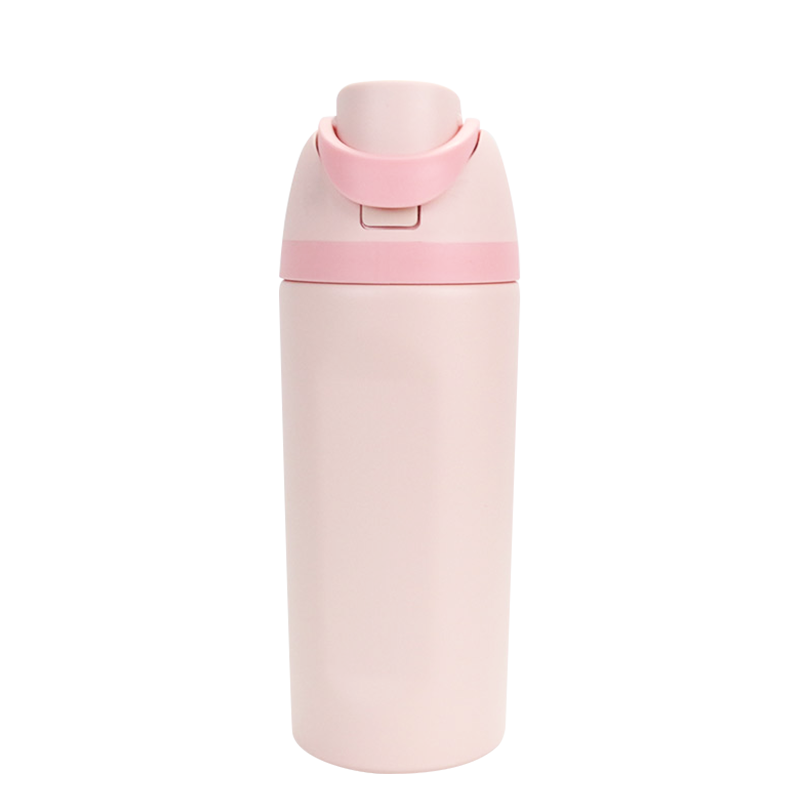
Capacity:720ml/480ml/570ml/720mlFeatures:Food-grad...
Hydration shouldn't slow you down. AIJUN Cola Bottles & Sports Bottles are made for training days, outdoor miles, and busy routines where a good bottle needs to be light in the hand, tough in a bag, and easy to use at speed.
The silhouette is designed to feel secure and comfortable to grip, whether you're jogging, cycling, or moving between the gym and the office. A dependable, leak‑resistant lid helps prevent spills in backpacks and cup holders, while drink openings are built for quick sips without the awkward "cap juggling" that interrupts a workout. Many styles also make refilling and cleaning simple, thanks to practical openings and smooth inner surfaces.
Materials matter, too. AIJUN bottles are produced with environmentally responsible choices—using stainless steel and recyclable plastics such as PP, PS, PE, and AS—selected to meet strict environmental standards. The result is a reusable bottle you can count on day after day, helping reduce single‑use waste while keeping your routine convenient.
From short sessions to long outdoor days, these bottles are designed to go wherever your next workout takes you.




Outdoor camping keeps drawing more folks looking to unwind and spend time away f...
View MoreBamboo shoots up fast after you cut it, which makes it stand out as a highly vis...
View MoreDue to the long history of stainless steel cups, conventional electrolytic stain...
View MoreMobile work and everyday commuting have become normal for lots of people, meanin...
View MoreA sports bottle looks like a simple purchase—until you've carried the wrong one through a workout. If it's too slippery, it's annoying mid-run. If it leaks, it ruins your bag. If it's hard to clean, it becomes that bottle you "mean to wash" and quietly stop using. The best bottle isn't about hype; it's about a handful of design decisions that fit real movement.
1) Start with how you'll use it (not the capacity on the label)
Most people choose a bottle by size first. A better approach is to think in time and access:
A bottle that matches your routine gets used. One that fights your routine gets left behind.
2) Ergonomics: shape and surface finish are performance features
During exercise, you're often dealing with sweat, gloves, cold fingers, or a fast pace. That's why an ergonomic "cola bottle" profile is popular: it typically sits naturally in the hand and feels stable when you lift it quickly.
Pay attention to:
These aren't style details—they're what make hydration effortless.
3) Leak resistance is non‑negotiable
A sports bottle lives inside backpacks, gym bags, and car interiors. A good lid system prevents the classic problems: slow drips, a cap that loosens over time, or a spout that opens by accident.
What usually works best is a lid that combines:
The practical test is simple: fill it, close it, shake it, and leave it upside down for a while. If it passes that, it's ready for real life.
4) Temperature control: decide whether you truly need insulation
Not everyone needs an insulated bottle. If you train indoors or finish your drink quickly, a lightweight, non-insulated bottle may be the most convenient choice.
Insulation becomes valuable when:
Double-wall insulated designs keep drinks cool longer, but they can weigh more. It's a trade you can choose intentionally once you know your use case.
5) Materials and sustainability: what "better" often looks like
Reusable bottles reduce reliance on single-use packaging—but only if the bottle is durable enough to stay in your rotation. That's where materials matter.
Common choices include:
When a brand commits to strict environmental standards and recyclable material choices, you're not only buying a bottle—you're buying a habit that produces less waste over time.
6) Easy cleaning is the feature that protects consistency
If a bottle is annoying to clean, it becomes the bottle you stop using. Look for wide-enough openings, smooth interiors, and lid parts that don't trap residue.
A simple care routine keeps any sports water bottle fresher:
A great sports bottle should disappear into your routine—in a good way. When grip, lid security, materials, and cleaning are all handled thoughtfully, you drink more consistently, waste less, and spend less time dealing with the small irritations that add up.
* Your email is safe with us, we don't spam.

Our company's products include vacuum flasks, beer mugs, coffee mugs, car tumbler, fire stove and tensile parts, etc.
Phone: +86-13566758039
Tel: +86-0579-87171178
Fax: +86-0579-87171178
E-mail: [email protected]
Add: No.29, Qiaodong Road, Qiaotouzhou Village, Longshan Town, Yongkang, Jinhua, Zhejiang, China.
Copyright © 2024 Yongkang Aijun Industry & Trade Co., Ltd.

Sports Water Bottle Manufacturer


 English
 中文简体
中文简体 日本語
日本語 Français
 Español