+86-13566758039


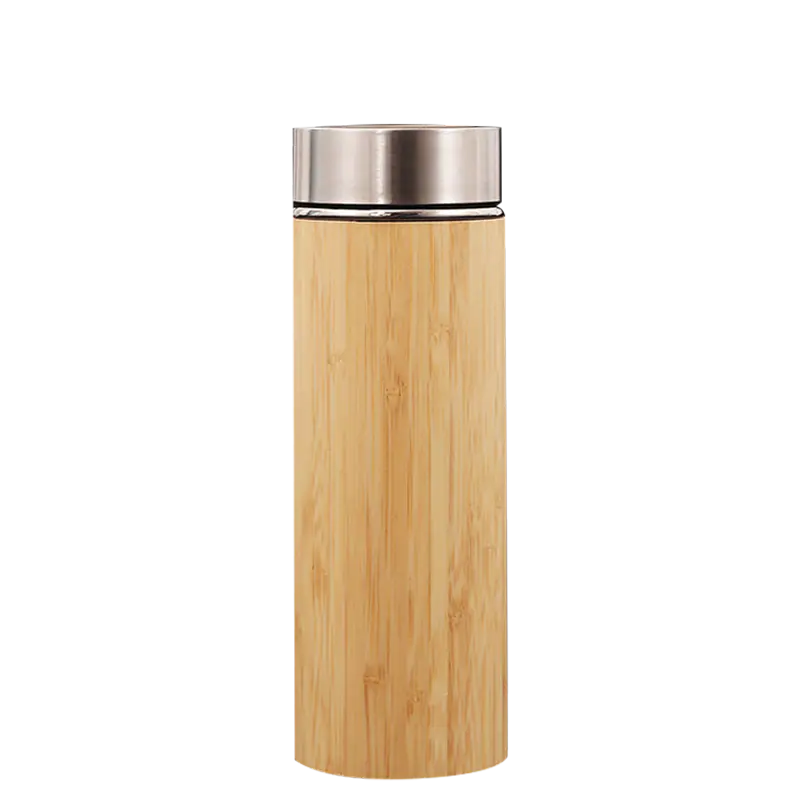
We've all experienced that disappointing moment when we reach for our coffee after a brief meeting, only to find it has transformed into an unappetizing lukewarm beverage. The frustration of losing precious heat from our drinks has plagued commuters, office workers, and outdoor enthusiasts for generations. While countless container options flood the market, many fail to address the fundamental physics of heat transfer. Enter the bamboo thermos flask, a solution that combines natural materials with modern engineering to tackle temperature retention from multiple angles. Unlike conventional bottles that rely solely on synthetic materials, this innovative approach harnesses bamboo's inherent properties alongside proven insulation technology. The result addresses not just one but seven distinct pathways through which your beverages lose their desired temperature.
Heat doesn't just disappear from your cup or bottle. It constantly tries to balance out with the cooler air around it through three main ways. Conduction is when warmth passes straight through touching materials. Convection takes place as liquids or air circulate, bringing heat along. Radiation sends out energy in waves that travel through empty space without needing anything solid in between.
Typical drink holders fight these processes with mixed results. Basic metal bottles with one layer let heat move quickly to the outside, basically turning them into devices that cool down your drink fast. Plastic ones do a bit better at slowing heat flow but still aren't great. Glass holds up somewhat well against temperature changes but tends to break easily and weighs a lot. The trick is building a setup that stops all three kinds of heat loss while staying easy to use every day.
Bamboo from nature offers surprising benefits to this design problem. Its inner makeup has lots of tiny air spaces that naturally slow down heat travel. When added to a layered setup for keeping temperatures steady, it boosts the whole thing more than man-made stuff can do by itself.
Question: Can One Wall Really Keep Your Drink Hot?
The answer reveals why so many containers disappoint:
Double-layer setups with empty space in between changed the game for holding onto heat by adding a gap between the inside and outside parts. This empty area stops air movement and cuts down on direct heat transfer a lot. But not every double-layer holder works the same. How well the empty space is sealed makes a big difference, and the outer material affects both toughness and how it feels to use.
Adding bamboo to this setup helps in several ways. The natural stuff gives a nice, grippy outside that's comfy to touch no matter the drink's temperature. Unlike plain steel that can get too hot or cold on your skin, bamboo stays mild. This makes people want to keep holding it instead of putting it down, so drinks stay handy and you don't lose heat from opening it over and over.
Bamboo's build also helps keep the empty space intact for longer. Its bit of give soaks up bumps that could hurt stiff metal outsides, guarding the important seal from wear during regular handling.
The Top Truth About Temperature Loss
A lot of heat slips away not through the sides of the holder. Checks on how well they keep temperatures show that poor lid setups cause most of the cooling in sealed holders. Even tiny openings around the edges or seals let air flow in ways that slowly pull out the warmth.
Manufacturing precision determines lid effectiveness. Consider these critical factors:
Top bamboo thermos designs handle these needs with lids made from several parts. Soft seals give the main close while staying flexible from very cold to very hot. Screwing tops built to exact fits make sure they catch properly with each turn. Some styles even put extra bamboo in the lid itself, giving more protection at this easy-to-lose spot.
The part for drinking adds another issue. Buttons to press or tops that flip need to mix ease with keeping heat in. Good ones keep the hole small but let liquid come out smoothly, cutting down on how much air swaps temperatures each time you use it. When done right, these let you get to your drink while holding the temperature steady for a long while.
Inside any container, moving air is a major hidden enemy of steady temperature. With a half-full bottle of hot liquid, the warmer air naturally drifts upward while the cooler air settles toward the bottom, forming steady looping currents that pull heat away much faster than if the air stayed still. Cold drinks face the mirror-image problem: warmer room air descends from above and gradually warms the contents. The vacuum layer between the walls stops all convection there, but the actual drinking compartment still allows plenty of air movement. The most straightforward fix is to leave almost no air space by filling the container to the brim, though few people find that convenient day to day. Thoughtful design can achieve much of the same benefit without the hassle. A noticeably narrow neck greatly shortens the column of air sitting over the liquid, making it harder for full-scale convection cycles to develop. Several bamboo-covered thermos styles include small internal shelves, ribs, or stepped sections that deliberately interrupt those rising and falling air streams while still letting you pour without obstruction. Details like these quietly separate the best-performing bottles from average ones. The bamboo sleeve also helps by giving the entire structure extra toughness, so the precise internal shape stays consistent for years instead of slowly changing through everyday knocks and pressure. Any container that bends, dents, or warps eventually loses those carefully planned airflow-blocking features, letting convection quietly return and erode temperature holding power.
Question: How Does Light-Like Heat Escape Without Touching Anything?
Infrared radiation is the stealthiest route for heat to leave your drink. Every object gives off electromagnetic waves based on how hot it is; the greater the temperature, the stronger and more plentiful those waves become. A cup of piping-hot coffee is constantly sending out invisible infrared "light" that will keep escaping unless something stops it. The classic countermeasure is a highly polished, mirror-like surface that reflects those waves right back into the liquid instead of letting them pass outward through the container walls. That reflective inner steel lining has been the cornerstone of good vacuum bottles for generations. Today's bamboo thermoses stick with this reliable radiant-blocking method on the inside while adding real-world advantages on the outside. The gleaming stainless interior bounces heat back where it belongs, the vacuum space blocks radiation from jumping across to the outer wall (since there are no air molecules to carry the energy), and the bamboo layer brings comfort, durability, and style. These overlapping defenses make it much harder for infrared energy to sneak away unnoticed.
Water droplets collecting on the outside of a bottle are more than just a nuisance-they are proof that heat is actively leaving your drink. Whenever a cold beverage cools the exterior wall below the dew point of the surrounding air, moisture condenses on the surface and, in the process, draws significant thermal energy outward, causing the contents to warm up more quickly. Classic stainless bottles are notorious for becoming soaked when holding iced drinks, leaving wet marks everywhere and soaking into backpacks or purses. Beyond the temperature penalty, the slick wet exterior makes the bottle far more likely to slip from your grip, and long-lasting condensation can ruin nearby items such as books, electronics, or leather wallets. Bamboo handles this challenge in a natural way. Thanks to its porous, cellular makeup, it acts as a built-in thermal buffer that keeps the outer surface considerably warmer than metal would be under the same conditions. Even with the interior packed with ice-cold liquid, a well-made bamboo exterior usually stays dry to the touch and pleasant to hold. The advantages continue beyond dryness: the material's natural texture provides confident grip whether your hands are sweaty, gloved, or just slightly damp. That reliable hold cuts down on accidental drops that could otherwise stress or break the vacuum seal. Bamboo also has a small amount of natural flex that helps absorb light impacts, sparing the rigid inner steel from dents and preserving long-term performance.
| Container Type | Exterior Condensation | Hand Comfort | Surface Temperature |
|---|---|---|---|
| Single-Wall Metal | Heavy sweating | Cold and wet | Matches interior |
| Plastic Insulated | Moderate moisture | Variable | Slightly warmer |
| Vacuum Stainless | Minimal drops | Neutral | Room temperature |
| Bamboo Vacuum Design | Essentially dry | Warm and natural | Stable and pleasant |
Every time you unscrew the lid to take a sip, you inevitably let some heat escape and invite outside air inside-or the reverse when the drink is cold. This brief exposure is one of the biggest real-world challenges to long-term temperature holding. The key lies in designs that make these necessary openings as thermally painless as possible.
The size and shape of the drinking opening play a major role. A very wide mouth lets a large rush of air swap places quickly, carrying away heat (or letting it in) in seconds. Extremely narrow openings do a much better job of preserving the internal climate but can turn even a simple drink into a frustratingly slow trickle. The best modern bamboo thermoses strike a careful middle ground. Many now feature a main wide lid for easy filling, thorough cleaning, or dropping in ice cubes, paired with a smaller, secondary pour spout or sipping port that minimizes air exchange during everyday use. Some go further with built-in, extendable straw systems that let you drink while keeping the main lid sealed almost completely, greatly reducing the amount of temperature-disrupting air that moves in and out.
The bamboo lid itself adds another helpful layer. Because the material naturally resists rapid temperature swings, it slows the rate at which heat sneaks across the top during those short moments the container is open. Fast-acting, reliable closing mechanisms also help by making it second nature to reseal quickly, cutting down on how long the interior is exposed to the outside environment.
Why Does Bamboo Feel Different From Metal or Plastic?
The speed at which a material conducts heat-its thermal conductivity-directly affects how it feels in your hand. Metals transfer heat so quickly that a chilled aluminum bottle feels icy almost instantly, while a metal pan handle left in the sun can burn you in moments. Plastics conduct heat more slowly but still pass it along noticeably. Bamboo sits in a very different category thanks to its natural makeup. Tiny air pockets trapped inside its cellular structure act like built-in insulators, while the strong lignin and cellulose fibers resist heat movement. Its relatively low density means there is simply less material available to store and release heat. Because bamboo is anisotropic (its properties change depending on the direction), heat travels differently along the grain versus across it, giving designers another way to fine-tune performance.
When used as the outer layer over a vacuum-insulated stainless steel core, bamboo contributes meaningfully to the overall thermal barrier while completely transforming the way the container feels against your skin. Whether the drink inside is scalding or ice-cold, the exterior stays comfortable-never painfully hot or freezing. That pleasant touch encourages people to actually hold the bottle rather than set it down quickly, which in turn helps protect the vacuum seal and internal geometry over time. The combination of bamboo outside, vacuum in the middle, and polished steel inside forms a series of thermal hurdles that heat must cross one after another, making the whole system far more effective than any single material could be alone.
While excellent temperature retention is the main reason to choose a bamboo thermos, the material brings a collection of other practical and appealing qualities that add real value. Sustainability matters to more buyers every year, and bamboo stands out strongly in this area. It grows extremely fast-ready to harvest in just three to five years compared to decades for traditional hardwoods-without needing replanting, heavy pesticides, or large amounts of water. After cutting, the root network stays alive underground, holding soil in place against erosion while the plant continues capturing carbon and producing oxygen. These traits place bamboo among the most environmentally sound options available for everyday products.
Bamboo also carries natural antibacterial qualities that help keep odors at bay and make cleaning easier. Although you still need to wash the container regularly, the material resists the stubborn smells and biofilm buildup that can eventually affect many plastic bottles. Visually, the unique grain and warm tones of real bamboo give each piece its own character-something no plastic or painted metal can truly imitate. That organic look and feel fits comfortably in offices, kitchens, hiking trails, or travel bags.
Durability concerns sometimes push people toward plain metal or hard plastic, but well-made bamboo thermoses hold up impressively. The material has enough natural flex to soak up light knocks and drops that would dent a metal shell or crack a ceramic one. When properly sealed against prolonged moisture exposure, bamboo maintains its strength and appearance for years with very little special care.
The first real-world choice comes down to capacity. Most people who carry a bottle for their morning coffee or tea find 12 to 16 ounces plenty for the commute and early hours. Those needing drinks to last through lunch or an entire workday often prefer 20 to 32 ounce sizes that eliminate the need for constant refills. For full-day outdoor trips, road travel, or situations where access to fresh beverages is limited, 40 ounces and larger become the practical choice.
Opening size strikes another important balance between thermal performance and everyday convenience. Narrow mouths do the best job of keeping heat or cold locked inside because they limit air exchange, but they can make filling awkward and thorough cleaning more difficult. Wide mouths welcome large ice cubes with ease and let you reach inside for scrubbing, yet they allow noticeably more temperature loss each time the lid comes off. Several thoughtful bamboo thermos designs solve this trade-off by offering a fully removable wide-mouth lid for filling and deep cleaning, combined with a smaller, narrower sipping spout or pour opening for regular use.
Spotting quality takes only a few quick checks. Run the lid on and off a few times-threads should engage smoothly without catching or feeling loose. Gently press the gasket to see that it is soft, flexible, and sits evenly in its groove. After filling with very hot or very cold liquid and letting it sit a while, open the lid slowly and listen for the characteristic rush of air that signals a strong vacuum. Examine the bamboo surface for even, smooth finishing and make sure it is securely bonded to the inner structure with no gaps or peeling edges.
Look for clear signs that the product meets food-contact safety standards and has passed independent testing. Strong brands usually back their containers with meaningful warranties against manufacturing flaws, which shows they trust the build quality.
Price differences usually reflect real differences in construction rather than just branding. The cheapest options frequently cut corners with weak vacuum seals, cheap rubber-like gaskets that harden quickly, or thin bamboo coatings glued over plastic bodies. Mid-priced bottles generally provide dependable insulation, genuine bamboo exteriors, and solid assembly. The higher-end models bring extra refinements-smoother threading, thicker stainless walls, better gaskets, more precise vacuum sealing, and longer warranties.
Certain extras make sense depending on your routine. Tea lovers often like built-in infusers that sit neatly inside. Coffee drinkers may want filters that keep grounds out of the last sip. A handle makes one-handed carrying easier on busy mornings but adds a bit of size. Some people value clip points for attaching to packs or secure lid locks for active use.
Question: How Do You Keep Bamboo Thermos Flasks Performing Like New?
Daily care keeps both performance and appearance in top shape:
Skip abrasive scrubbers that can scratch the steel inside or rough up the bamboo finish. Although dishwashers are tempting, they often harm bamboo over time and break down silicone gaskets faster, so hand washing remains the safer choice. Strong bleach mixtures can discolor bamboo and weaken seals.
For lingering smells, fill the bottle with a baking soda and water mixture and let it sit overnight before rinsing well. Coffee or tea stains usually lift after a vinegar-water soak followed by several plain-water rinses. Try not to leave drinks sitting inside for many hours, since residue builds up faster and can encourage unwanted bacteria.
Store the container with the lid removed so air can circulate and moisture doesn't get trapped. Keep it in a dry spot out of direct sunlight to prevent fading of the bamboo color. Every few months, do a quick vacuum check by filling with hot liquid, sealing, waiting, and listening for that satisfying air rush when you open it.
Gaskets are the part that wear out most often. Repeated opening and closing slowly compresses them until they no longer seal tightly. Having a spare set on hand lets you replace them the moment you notice performance dropping, bringing the bottle back to its original temperature-holding ability.
Bamboo thermos designs tackle all seven major heat-loss routes that ordinary bottles struggle with. Thin single walls that conduct heat freely are replaced by layered vacuum insulation. Loose-fitting lids give way to precisely machined closures backed by reliable silicone seals. Internal air currents are broken up by carefully shaped interiors. Radiant heat gets reflected back inside by mirror-polished steel. Sweaty condensation disappears thanks to bamboo's natural warmth on the outside. Everyday sipping losses shrink with smart pour systems that keep openings brief and small. And the rapid heat transfer of metal or plastic exteriors is softened by bamboo's own insulating character.
The result is not just impressive numbers on a lab chart-it means your morning coffee can still be pleasantly hot at lunchtime, your iced tea stays refreshing through a long afternoon, and your hiking water remains cold when you finally reach the lookout. These everyday differences turn a simple container into something genuinely useful.
Choosing a bottle built from fast-growing, renewable bamboo also carries a quiet environmental upside. A durable design that lasts years cuts down on single-use cups and plastic bottles piling up in landfills. Over time, those small decisions add up to a real difference.
Aijunware is one company putting these ideas into practice, creating bottles that rely on smart engineering and honest materials rather than flashy claims. No matter which brand you choose, knowing how heat really moves-and how good design stops it-helps you pick a container that truly matches the way you live.
Your email address will not be published. Required fields are marked *
* Your email is safe with us, we don't spam.

Our company's products include vacuum flasks, beer mugs, coffee mugs, car tumbler, fire stove and tensile parts, etc.
Phone: +86-13566758039
Tel: +86-0579-87171178
Fax: +86-0579-87171178
E-mail: [email protected]
Add: No.29, Qiaodong Road, Qiaotouzhou Village, Longshan Town, Yongkang, Jinhua, Zhejiang, China.
Copyright © 2026 Yongkang Aijun Industry & Trade Co., Ltd.



 English
 中文简体
中文简体 日本語
日本語 Français
 Español