+86-13566758039


The crackling warmth of an evening campfire creates memories that last lifetimes, yet many outdoor enthusiasts struggle with a deceptively simple task that can make or break their wilderness experience. Whether you're preparing morning coffee as dawn breaks over mountain ridges or purifying water after a long day on the trail, knowing how to properly use a Camping Water Pot becomes fundamental to outdoor success. The romantic notion of fire-cooked meals often collides with harsh reality when campers discover their equipment damaged, their food burnt, or worse, their safety compromised by preventable errors. Understanding these common pitfalls transforms frustrating experiences into confident, enjoyable moments under open skies.
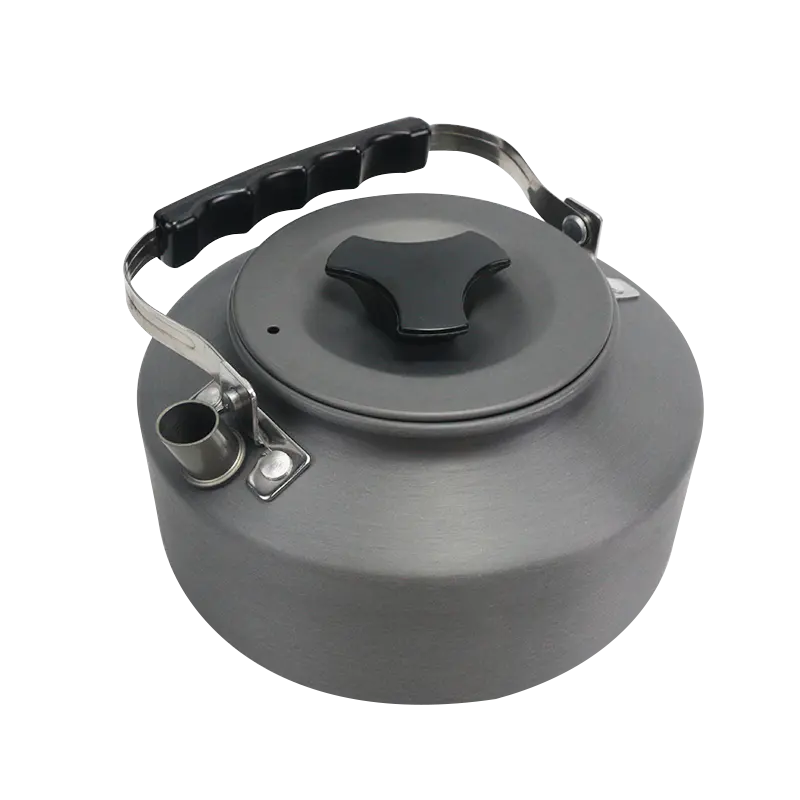
Picking cookware just by how light it feels or how cheap it costs gets lots of campers into trouble that a little understanding of materials could easily prevent.
Common material-related errors include:
The backcountry setting is nothing like a home kitchen. You get only rough control over temperature at best, with flames changing strength depending on the kind of wood, how wet it is, and any breeze that comes through. Stuff that shines on a steady camp stove often breaks down when it faces the intense, patchy heat that comes from real wood fires. Aluminum spreads heat well but does not hold its shape through repeated high-heat exposure unless it has enough thickness. Stainless steel stands up to rough use but develops hot patches that scorch food unless you watch it every second. Getting familiar with these built-in traits before you head out stops the letdown of finding out what does not work once you are already at camp.
| Material Type | Heat Conductivity | Durability Rating | Fire Compatibility | Weight Factor |
|---|---|---|---|---|
| Aluminum | High | Moderate | Good with thickness | Light |
| Stainless Steel | Moderate | High | Excellent | Heavy |
| Titanium | Very High | Very High | Excellent | Very Light |
| Enamel-Coated Steel | Low | Moderate | Fair | Heavy |
| Hard-Anodized Aluminum | High | High | Very Good | Light-Moderate |
Problems with things staying steady top the list of real dangers when you cook over open flames, but plenty of campers do not see the hazard until something goes wrong.
Fire rings and pits look different at every campsite. Some spots have solid metal grates or well-built stone circles, while others give you nothing but a patch of bare ground. Setting a pot full of water straight onto logs that are still burning starts trouble right away. The rounded, bumpy shape of firewood makes a wobbly base, and as the logs burn down and move, the pot tips without warning. Boiling water splashing into the fire kicks up steam bursts and puts out parts of the flames, sending up smoke and ash that gets into whatever water or food you have left.
Effective positioning requires:
A lot of mishaps in the wild come from trying to hurry the meal along. Taking time to get the fire right pays off in both safety and better results when you cook. A bed of coals puts out steady, easy-to-manage heat that gets rid of the big temperature jumps you get from fresh, active flames. That kind of calm setup lowers the chances of spills boiling over, food burning onto the pan, and the kind of stress that eventually ruins cookware.
The wild, uncontrolled heat coming from wood fires sets up situations that catch even seasoned outdoor cooks off guard when they switch over from using gas stoves.
Leaving a pot sitting alone above open flames can lead to all kinds of trouble. Water disappears through boiling and evaporation much quicker than most expect, particularly up high or in arid places where it steams off faster. Once a pot runs low or goes dry while flames keep licking underneath, temperatures climb sharply. Aluminum starts bending out of shape at levels these fires reach without much effort. Stainless steel takes on lasting discoloration, showing those colorful oxidation streaks that signal changes inside the metal itself. Handles work loose as the rivets heat up, cool down, and repeat the cycle far beyond what they were built to handle.
Scorched food brings its own chain of headaches. Burnt bits stick hard to the inside of the pot, turning cleanup into a real struggle out in the wild where you lack rough scrubbers and plenty of hot water. The sharp, bitter smoke from charred food seeps into nearby clothes, sleeping bags, or anything stored close by. Foods heavy in protein cause the worst trouble—they blacken at lower heat than starches and leave behind tough, glued-on residue that fights even hard scrubbing.
Sudden temperature jumps hurt too, especially when you pour cold water into an overheated pot. That quick shift creates tiny cracks under the surface that build up quietly until the pot finally gives way—splitting at the seams or springing small leaks. It feels tempting to cool things down fast by dumping cold water on a hot pan after cooking, but that habit needs to be broken despite how quick it seems.
Burns from grabbing metal handles that have heated up through direct contact rank among the more frequent yet avoidable injuries on camping trips.
Camp stoves usually keep handles pointed away from the burner, but open fires bathe every part of the pot in radiant heat. Metal handles turn painfully hot in just a few minutes. People often think folding handles or short cooking sessions offer enough safety, which leads to plenty of sore fingers and blisters. Even pots sold with handles meant to stay cooler frequently let heat through under steady fire conditions, as the materials break down or pass along more warmth than expected.
Smart ways to manage handles include:
Using makeshift fixes like bandanas, shirt tails, or fresh-picked leaves gives a dangerous sense of security. Cloth catches fire easily around open flames, and wet green plants move heat straight through while turning moisture into steam that burns skin underneath. Spending on gear designed just for handling hot pots and pans makes a big difference in staying comfortable and safe across many trips.
Putting together a fire suited for cooking takes different approaches than one meant for looks or warmth, but lots of people who enjoy the outdoors mix the two up.
Huge, crackling blazes look great in pictures yet make awful cooking setups. Too much heat ruins gear, takes away any chance of controlling temperature, and burns through wood that could keep things going longer into the night. The aim is steady, moderate warmth instead of big flame shows. Hardwoods such as oak, maple, or ash last longer and build better coal beds than softwoods like pine or fir, which go fast and throw off smoky, resin-tasting fumes that can ruin water and food.
Wind plays a major role in how flames act and where heat lands. Picking your cooking spot with an eye on the usual breeze direction keeps smoke out of your face and stops flames from pushing sideways under pot rims, which overheats handles or creates patchy cooking. Using natural features in the landscape or placing gear thoughtfully can act as wind shields to hold conditions steady.
Good fire management means:
How dry the firewood is changes everything about how it burns. Damp or freshly cut wood just smolders and makes thick smoke without much real heat, while completely dry stuff flares up strong but dies out quickly. The best pieces snap cleanly when broken, show no dampness inside, and weigh noticeably less than you would guess from their size.
The dark layer of carbon that builds up on the outside of pots from cooking over open flames brings troubles that catch many campers by surprise and that they often handle the wrong way.
Soot sticks fast and transfers easily to whatever it touches. Tossing a blackened pot straight into your pack smears greasy carbon onto sleeping bags, clothes, and anything meant to stay clean, leaving marks that prove tough to wash out of fabric. The issue goes past simple mess when you consider that some bits of that carbon come from wood that did not burn completely. A heavy buildup of soot also acts like a blanket, cutting down on how well heat gets through to the food inside, so meals take longer to cook and you end up burning extra wood or fuel each time.
Grabbing sooty pots without something to protect your hands turns them black right away, and that grime spreads quickly to your face, your meals, and the rest of your camp setup as the day goes on. Bits of soot can flake off the outside or the lid and drop straight into whatever you are serving or drinking. For a lot of people, dealing with gear that stays constantly filthy takes some of the fun out of being outdoors, even when they know things cannot stay spotless in the backcountry.
Managing soot effectively requires:
A few campers come to like the dark finish that builds up from many fires, seeing it as a sign of real time spent outside. That view makes sense as long as careful steps stop the soot from getting onto other gear or into food. What matters most is handling it on purpose instead of just letting the mess happen.
Washing dishes in the backcountry comes with its own set of difficulties that set it far apart from scrubbing things in a regular kitchen, and slip-ups here hurt both your equipment and the land around you.
Attacking a hot pot with a scrubber right after you finish cooking looks like a time-saver but often leads to burns and can harm some pot types when cold water hits hot metal suddenly. Rough stuff like sand, small rocks, or stiff brushes digs into aluminum and strips away any protective layers on treated surfaces. Those scratches leave behind tiny rough patches where food sticks more stubbornly next time, starting a loop where cleaning gets harder and harder.
Using soap in wild places needs extra thought. Even soaps labeled as breaking down naturally still carry chemicals that damage lakes, streams, and fish when they wash straight into the water. The right way involves walking your dirty water at least seventy steps from any natural source, then spreading it out thinly over the ground instead of dumping it all in one spot. Bits of leftover food in that water draw animals closer to camp, turning them into pests and teaching them to connect people with easy meals, which causes problems that last long after you leave.
Responsible cleaning practices include:
Surprisingly, plain cold water works well on many outdoor cooking messes when you give it time and use the right approach. Letting burned or stuck food soak loosens it up without heavy scraping. Bringing a pot of clean water to a boil inside a dirty one can lift off residue with heat and movement, though it uses fuel and effort that might serve better elsewhere.
Boiling stands out as one of the easiest ways to make water safe, but campers often mess it up in ways that put their health at risk.
A lot of people think water turns safe the instant it hits a boil, but that idea skips over the real details. You need a strong, rolling boil going across the whole surface for long enough to kill off harmful organisms. As you climb higher above sea level, water starts boiling at cooler temperatures, so the same amount of time that works at lower spots falls short up in the mountains. That means you have to keep the boil going longer when you camp at elevation to get the same level of safety.
Even after you boil it right, water can pick up germs again if it touches dirty lids, the outside of the pot, or containers that held untreated water before. Dirty hands or spoons that dipped into raw water can bring pathogens right back into what you just made safe. The pot itself needs to start out clean too—leftover bits from earlier meals can hold onto bacteria and undo all your work.
Proper purification protocols involve:
When fuel starts running low, especially if you have to boil more batches often, it gets tempting to stop the boil early. That shortcut carries big risks since waterborne sickness can ruin a trip fast or worse. Figuring out fuel needs ahead of time and packing enough keeps you from having to choose between drinking enough and doing the job properly.
How much you put in the pot matters for both staying safe and using resources well, yet plenty of campers fill right to the top without thinking twice.
Water swells up as it gets hot, and a hard boil makes it churn and splash against the sides. Pots filled too full spill easily, particularly on uneven ground or when a gust of wind hits. Spills put out parts of the fire, send up steam that can burn, and waste the fuel you already used to heat that extra water. Heavy, overfilled pots turn awkward to lift or shift with grippers, raising the odds of dropping them or sloshing more out.
Bigger volumes also take longer to heat through to a boil, so you burn more fuel and wait more time just to get started. That inefficiency hits hard on trips where you cannot carry endless fuel or when wet weather makes starting fires tough.
Appropriate filling guidelines suggest:
When you cook for a group, the urge grows to stuff as much water as possible into one pot to save effort. Spreading the work across a few pots or doing it in turns lightens each load, makes moving safer, and trades a bit of extra time for much better control overall.
Cooking over fire always carries real danger that needs steady watching instead of just hoping nothing goes wrong.
Clothes made from synthetic fabrics like fleece, nylon, or polyester melt fast when they catch flame or get too close to intense heat. What starts as normal gear can turn into something that sticks and burns skin in seconds. Clothes from natural fibers hold up better against sparks and heat, but even then, loose sleeves, hanging strings, or untied hoods can snag or catch fire near flames. Long hair hanging free poses the same kind of risk if it swings too close while you work.
Kids and pets do not have the judgment or self-control to stay back from hot fires and pots. A quick dash, a moment of curiosity, or simple play can put them right against scalding metal, open flames, or wobbly setups. Setting firm boundaries and keeping close watch stops those moments from turning serious.
Comprehensive safety measures include:
Being ready goes past just a first aid kit to having backup plans if things break or go wrong. Knowing other ways to purify water, carrying extra stove options, and keeping mental notes on how to get out if needed all add layers of protection. That kind of thorough prep builds real confidence and lets everyone relax more instead of worrying about what might happen.
Getting good at using camping pots over open flames comes from doing it over and over, not just from reading about it or thinking it through.
Every fire acts its own way depending on the type of wood, how dry it is, what the weather does, and the shape of the fire ring you have. Figuring out what different flame colors mean, what the smoke tells you, and when to add more wood takes real time spent watching and adjusting in all kinds of situations. Practicing those early lessons in easy spots like your own backyard pit or a regular campground lets you build confidence without worrying that a mistake will leave you without safe water or food far from help.
Progressive skill development involves:
Learning from someone who already knows their way around camp cooking speeds things up because you can watch what really works. Still, what fits their hands, their pots, and their style might not match yours exactly. Taking the good ideas you see and tweaking them for your own strength, equipment, and way of doing things builds stronger skills than trying to follow someone else's steps word for word.
Taking good care of your pots when you are not on a trip keeps them working well season after season.
Giving them a proper clean at home with the right methods clears away bits and buildup that quick field washing could not touch. Stainless steel stands up to tough scrubbing and strong soap without complaint, but aluminum needs softer treatment to avoid cleaners that eat into the metal. Soaking dried-on food or light rust spots with the correct stuff at home gets them off far easier than scraping in camp with limited water and tools.
How you store pots between uses makes a big difference in how long they last. Any leftover dampness trapped inside leads to rust spots and that stale smell that takes forever to air out. Nesting them together without anything in between lets metal rub metal, scratching surfaces and wearing away coatings that protect them. Leaving pots in places that get very hot, very cold, or damp can weaken materials or loosen glue that holds handles on.
Proper maintenance protocols include:
Knowing when a pot has reached the end of its useful life takes clear-eyed judgment. Serious cracks, actual holes, wobbly handles, or bad warping make it unsafe and unreliable no matter how much you like it. Holding onto damaged gear because you are attached to it or do not want to spend money often leads to problems at the worst possible time—spills, leaks, or worse when you are counting on it miles from anywhere.
Understanding common errors when using Camping Water Pots over open flames transforms potentially frustrating outdoor experiences into confident, enjoyable adventures. Material selection, proper positioning, temperature management, and diligent maintenance form the foundation of successful fire-based cooking. Safety considerations extend beyond personal protection to include environmental responsibility through appropriate cleaning practices and Leave No Trace principles. Whether you're just beginning to explore outdoor cooking or refining techniques developed over years of wilderness travel, attention to these fundamental principles ensures reliable performance from your equipment. Companies like Aijunware continue developing cookware solutions that balance traditional outdoor cooking methods with modern material science, though success ultimately depends on user knowledge and proper technique application rather than equipment alone.
Your email address will not be published. Required fields are marked *
* Your email is safe with us, we don't spam.

Our company's products include vacuum flasks, beer mugs, coffee mugs, car tumbler, fire stove and tensile parts, etc.
Phone: +86-13566758039
Tel: +86-0579-87171178
Fax: +86-0579-87171178
E-mail: [email protected]
Add: No.29, Qiaodong Road, Qiaotouzhou Village, Longshan Town, Yongkang, Jinhua, Zhejiang, China.
Copyright © 2026 Yongkang Aijun Industry & Trade Co., Ltd.



 English
 中文简体
中文简体 日本語
日本語 Français
 Español