+86-13566758039


Morning routines often involve a familiar frustration: ceramic mugs sliding across desks during video calls, condensation rings appearing on wooden furniture, and the sharp clink of drinkware meeting hard surfaces in quiet offices. These daily annoyances have driven manufacturers to rethink how mugs interact with the spaces where people work and relax. The Aijun Cork Bottom Mug addresses these concerns by integrating a natural cork base that grips surfaces while protecting them from scratches and moisture damage. This combination of materials turns a simple drinking vessel into a practical tool for office workers managing cluttered desks, commuters balancing beverages during rushed mornings, and gift buyers seeking items that recipients actually appreciate using. Understanding how cork bases attach to different mug materials, what maintenance these products require, and which construction methods deliver reliable performance helps buyers navigate the growing selection of cork-enhanced drinkware available through marketplace platforms, direct manufacturers, and specialty retailers.
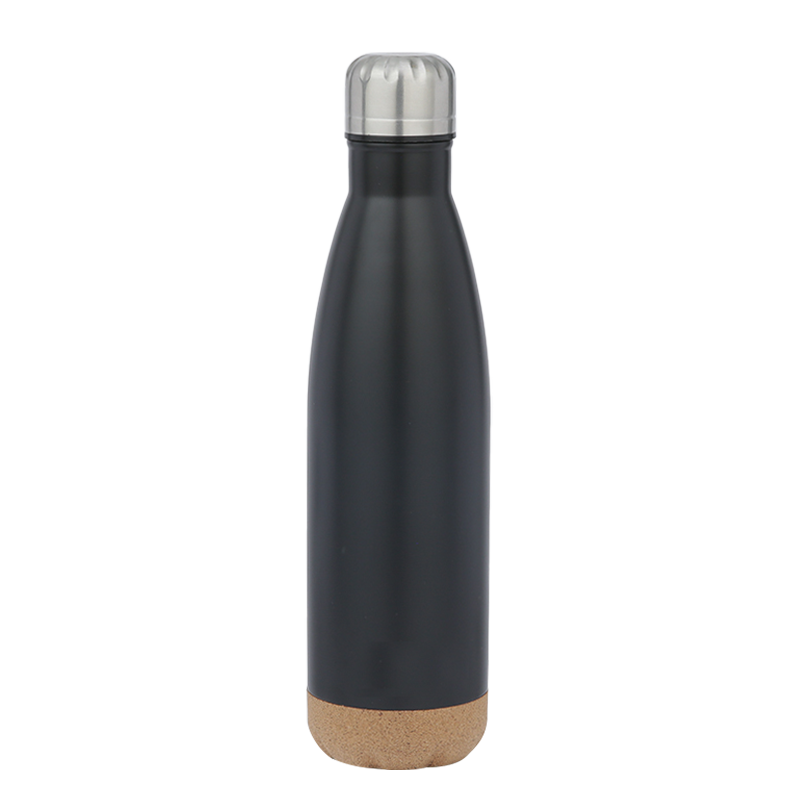
A Cork Bottom Mug is a regular drinking cup—usually crafted from ceramic, porcelain, stainless steel, or sometimes glass—that has a layer of real cork fixed to the bottom. This cork piece handles several everyday jobs that make the mug more practical.
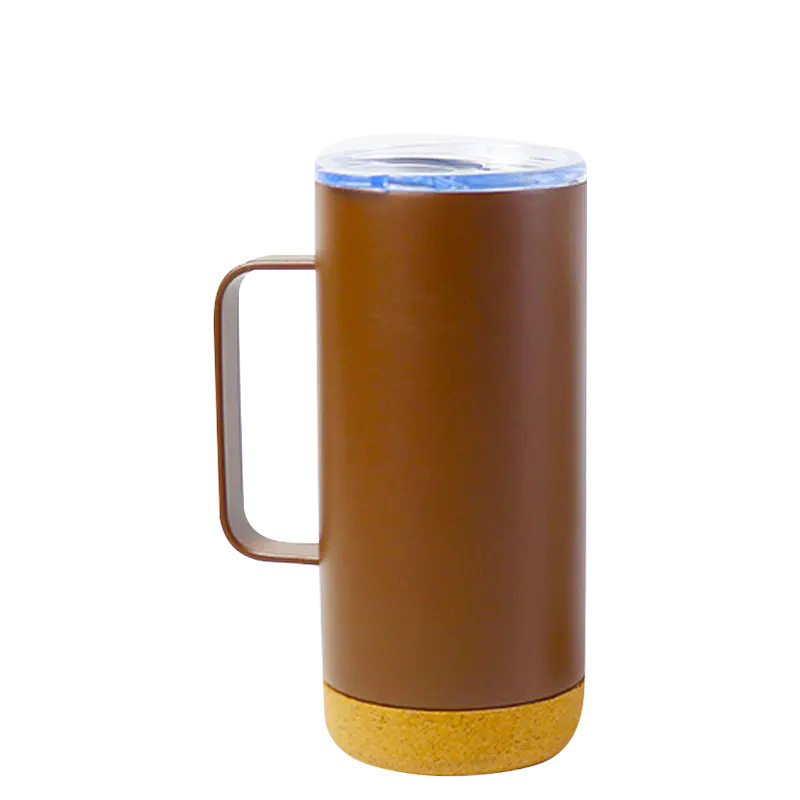
Cork Bottom Mugs catch the eye of office folks who keep drinks close to laptops and papers, people rushing through morning commutes who want something that won't tip easily, buyers who like using renewable natural materials, and companies looking for useful gifts that actually get used day after day. The cork base turns a basic mug into something that takes care of surfaces while still working just fine for coffee, tea, or whatever else you drink.
Cork Bottom Mugs come in a few different styles depending on what the maker wants to focus on and who they sell to. How the cork attaches decides how long it lasts, how you clean it, and whether you can swap out worn parts.
Permanent Adhesive Disc
In many everyday designs, a thin cork pad is adhered directly to the base of the ceramic or metal mug using a food-safe adhesive. The pad usually runs about 3-5mm thick and covers the whole base. Factories cut these circles from sheets of pressed cork, spread on the glue, and press everything together during assembly. The glue holds up through regular use but can weaken if it stays wet for long stretches or goes through lots of hot-and-cold changes.
Removable Cork Sleeve
Nicer models use a cork sleeve that slips over the base or wraps the lower part of the mug. You can pull it off for separate washing or replace it when it starts looking worn. These stay on thanks to a snug fit or small silicone grips, but they come off easily when you want. The setup costs more upfront but makes the mug last longer overall since you can refresh the cork part.
Cork Composite Base
A few specialty makers mix cork bits with binding agents and mold them right into the base so it becomes one solid piece of the mug. This gives even thickness and no risk of the cork peeling loose, though you lose some of the pure cork feel and it gets trickier to recycle later.
The main mug material plays a big role in picking the right cork setup. Ceramic works great with glued-on discs because the flat bottom gives a solid sticking surface. Stainless steel travel mugs lean toward removable sleeves since metal swells and shrinks with temperature swings that could pull glued cork apart over time. Glass mugs almost never get cork bases—the see-through material would show any glue, and the fragility makes permanent bonding too risky.
Two big questions come up every time someone thinks about buying one of these: can you put it in the microwave, and will the dishwasher ruin the cork? Everything comes down to how the mug is built.
Microwave Compatibility Cork has no metal in it, so it won't spark or arc inside a microwave on its own, but the glue holding the cork to the base might have ingredients that don't handle the electromagnetic waves well. On top of that, heating creates steam inside the mug, and some of that moisture can sneak between the cork and the body, slowly loosening the bond after repeated uses.
Mugs with removable cork sleeves make things easy—just pull the cork off and set it aside while you microwave the main part. Slide it back on once the drink is warm. For ones where the cork is glued on permanently, only the makers who use special microwave-safe adhesives will say so clearly on the box or label. If there's no mention of microwave use at all, play it safe and keep the whole mug out of the appliance to avoid the cork peeling or coming loose later.
Dishwasher Durability Regular dishwashers blast hot water, strong soap, and high pressure in long cycles—none of which natural cork likes very much over time. The heat makes cork swell, the detergents break it down, and constant soaking turns the sturdy cells soft and crumbly. Even cork that starts out sealed or treated usually can't take many trips through the machine before it starts falling apart.
Hand washing is recommended for cleaning these mugs. Scrub the ceramic or metal part with warm soapy water like normal, then just wipe the cork base gently with a damp cloth—never soak it fully. Let everything air dry completely, and store the mug upside down so no water sits in the cork. If a company has figured out how to make the adhesive and cork tough enough to handle dishwasher cycles, they shout about it because it's a real selling point. No mention of dishwasher safety almost always means hand wash only.
Cork's built-in air pockets give it a bit of natural insulation without making the base thick or awkward for stacking in cabinets.
A typical 4mm layer of cork cuts down roughly 15-20% of the heat that would otherwise pass straight from a hot mug to whatever it sits on, compared to a plain ceramic or metal bottom. That small shield keeps hot mugs from leaving marks on wood finishes or giving you a jolt when you set them on cold stone counters. Still, the cork only helps at the contact point—it doesn't do much to keep the drink itself hot for longer since the sides of the mug still lose heat the usual way.
For those who prioritize surface protection, the cork base offers a functional benefit without adding noticeable bulk. Anyone who really wants their coffee or tea to stay hot longer should pair the mug with a good lid instead of counting on the base alone for serious temperature holding.
The waxy texture inside cork's cells grabs nicely onto wood, laminate, glass, or stone, stopping the mug from sliding when you nudge it on a smooth surface during a rushed morning.
A quick check shows how well it grips: set the filled mug on a tilted surface like a clipboard or thick magazine. Good cork bases stay steady even at tilts around 15 degrees, while cheap or worn ones slip right away. The same test spots cork that has warped and doesn't sit flat anymore, which makes the mug wobble and defeats the whole point of having it there.
Grip fades over time as cork picks up skin oils and dust from handling. Wiping it monthly with a lightly damp cloth clears that buildup and brings back the friction. When the cork gets badly compressed and feels smooth instead of grippy, it's usually time to replace the base or the whole mug.
Cork comes from the outer bark of cork oak trees, mostly grown around the Mediterranean. Stripping the bark doesn't kill the tree—it grows back every 9-12 years—so the material counts as renewable, which draws in buyers who care about the environment. Still, how the cork gets turned into a mug base varies in how eco-friendly the process really is.
Natural Cork vs Agglomerated Cork
Top-quality mugs use straight slices of natural cork from whole bark sheets. You can see the real grain, and with careful use it holds its shape and strength for years. Natural cork runs pricier but stands up better to pressure and dampness than cheaper options.
Agglomerated cork mixes ground-up bits with binders to make a smooth, even layer at lower cost. It works fine for basic needs but wears out quicker under heavy use and sometimes gives off a faint smell when brand new. The added binders can bother people who react to certain synthetic materials.
Most folks have no trouble with cork at all, but anyone with strong tree pollen allergies might notice mild skin irritation from touching the base. It doesn't happen often. Many manufacturers add a thin protective seal over the cork to cut down on direct contact with its natural oils, which helps lower any chance of sensitivity.
Cork Bottom Mugs fix certain everyday annoyances but bring along care routines that not everyone wants to deal with.
Primary Benefits:
Notable Drawbacks:
Who Benefits Most:
For desks equipped with keyboards, papers, and devices, cork bases are a functional addition that reduces the risk of spills from accidental contact.The quiet placement fits open-plan offices or libraries. Commuters like how the grip holds steady on bumpy rides or crowded counters. Gift shoppers pick these because they feel like a step up from plain mugs, and the natural cork fits current interest in sustainable, wellness-oriented items.
Who Should Consider Alternatives:
Anyone who throws dishes straight into the dishwasher will find the hand-wash rule annoying. For regular travel, a fully sealed mug is typically preferred. The properties of cork are usually not compatible with conventional leak-proof designs. Folks who hate extra upkeep might get irritated by having to wipe and air-dry the base every time. Workers in messy settings with spills flying often do better with completely waterproof, non-absorbent bases.
Good details in listings help spot solid makers from ones skimping on quality. Look for or ask about these points before buying one mug or ordering in quantity.
| Specification | What to Look For | Why It Matters |
|---|---|---|
| Cork Thickness | Moderate thickness range | Very thin cork may compress readily; thicker cork can add visual bulk |
| Attachment Method | Removable sleeve or food-safe adhesive | Influences whether the cork can be replaced and how long it lasts |
| Cork Treatment | Sealed or natural surface finish | Sealed cork handles moisture better but may offer less tactile grip |
| Mug Capacity | Standard and larger size ranges | Impacts balance and stability when the mug is filled |
| Base Diameter | Comparable to the mug's rim diameter | A base that is too narrow may compromise stability with a full mug |
| Body Material | Ceramic, porcelain, or stainless steel | Affects heat retention and overall durability |
| Cork Origin | Portugal, Spain, or general source | Origin can indicate material characteristics |
| Care Instructions | Clear hand-wash recommendation | Suggests the manufacturer has considered material care |
| Warranty Coverage | Included period for cork integrity | Indicates confidence in materials and construction |
Price Ranges by Quality Tier:
Lower-end choices sit in the basic ceramic mug price zone with thin glued cork pads. They work for light, casual use where long life isn't the main goal. You usually get plain looks with little room for personal touches or custom work.
Mid-tier options step up with thicker cork, stronger glues, and small extras like different glaze colors or subtle designs. These fit personal daily use or small gifts where looks count but you still watch spending.
High-end and custom business versions cost more because of removable sleeves, carefully finished ceramic, exact logo work, and sturdy packaging. Increasing order size, while often involving set quantity thresholds, usually reduces the per-item price and enables full customization for unified gift collections.
Red Flags in Product Listings:
Steer clear of sellers who skip close photos of how the cork attaches—this usually means they're hiding sloppy glue jobs or low-grade cork. Broad "eco-friendly" claims without any proof or certifications often point to marketing fluff instead of real sustainable practices. No care directions at all suggest the company hasn't thought about how the mug holds up long-term. Prices way below what similar mugs go for normally signal cheap materials or quick factory runs that fail early.
Cork sits in the middle ground between plain mug bottoms and purpose-made non-slip options, each with its own give-and-take.
| Feature | Cork Base | Silicone Base | Double-Wall Insulated | Simple Coaster |
|---|---|---|---|---|
| Surface Protection | Excellent | Excellent | Good | Excellent |
| Heat Insulation | Minimal | Minimal | Significant | Moderate |
| Noise Dampening | Good | Excellent | Moderate | Good |
| Cleaning Ease | Hand wash required | Dishwasher safe | Varies by model | Independent cleaning |
| Aesthetic Appeal | Natural, warm | Modern, smooth | Sleek, technical | Customizable |
| Durability | 1–3 years typical | 3–5 years typical | 5+ years (body) | Indefinite |
| Customization | Laser engraving | Limited | Powder coating | Full surface printing |
Go for cork when you like the natural look and plan to hand wash carefully. Company gifts gain from the upscale feel and easy engraving. Home offices or creative spaces where mugs mostly sit still get the full protection perks without putting constant wear on the cork.
Silicone bases fit homes that run the dishwasher often or have kids who grab mugs roughly—the bendy material bounces back from drops and tough cleaning that would wreck cork. Double-walled travel mugs help commuters who want drinks staying hot or cold for hours on the road. Plain separate coasters give surface protection without anything stuck to the mug, which suits people who prefer keeping things simple and switching vessels freely.
How long a Cork Bottom Mug lasts comes down to simple daily habits that take just a couple of minutes but stop small problems from turning into big damage over time.
Never let the cork base soak in water or sit submerged in a sink full of dishes. The tiny cells in cork pull in water fast, swell up, and weaken the glue holding it on. Skip rough sponges or scrubbers on the cork—they rip into the soft surface and leave grooves that grab dirt more easily.
Regular coffee and tea use slowly stains cork darker even when you clean it carefully. The color change stays on the surface and doesn't hurt how the mug works, but it bothers some people who want it to look fresh. For mild marks, mix a little baking soda with just enough water to make a paste, rub it on gently with a soft cloth, wait about five minutes, then wipe it off and dry the spot completely.
Smells build up mostly when the cork stays damp too long between uses. Set the mug in a sunny spot for two or three hours—sunlight breaks down odors naturally and dries out any hidden moisture. Turn the mug every half hour so the whole base gets light. Window sunlight indoors does the job; you don't need to take it outside.
Special cork cleaning sprays or wipes exist, but they're hardly ever needed for mug bases. Many contain strong chemicals that can soften glue or leave traces that end up on your fingers later. Plain water plus the odd baking soda scrub takes care of almost everything.
If the edges start peeling or the whole pad comes loose, fix it quickly before it falls off completely. Wipe both the mug bottom and the cork piece with rubbing alcohol to get rid of grease and old residue. Let them dry fully. Use a food-safe adhesive designed for cork, applying it thinly. Contact cement or adhesives made for cork are appropriate options. Press the pieces together hard and leave them untouched for a full day before using the mug again.
You can cut new cork pads yourself from sheets sold at craft shops. Outline the mug base on the sheet, cut just inside the line with sharp scissors or a utility knife, then glue it on the same way. This cheap fix keeps the mug going for years more. For mugs with slide-on cork sleeves, reach out to the company directly—they can send the right replacement size.
Cork takes different kinds of decoration well, turning plain mugs into standout personal items or branded giveaways.
Using heat to lightly char the cork surface produces dark designs that contrast with the untreated material. The resulting impressions, whether logos, names, dates, or illustrations, maintain clarity even in finer detail.Clean vector files give the sharpest edges. The mark stays put and doesn't flake off, though spots that get handled a lot might fade slightly over heavy use.
Laser setup fees stay reasonable, so small runs make sense without huge costs. Most places need five to ten business days after you approve the design. Ask for a test piece first—cork grain changes from piece to piece and can make the same artwork look a bit different.
Customization usually focuses on the mug itself rather than the cork. Heat-transfer sublimation puts bright, full-color pictures or text onto white ceramic that holds up to washing. Pairing that with an engraved cork base makes a polished, matching gift set that people actually keep on their desks.
Pick colors that work alongside the cork's tan shade instead of trying to match it exactly—natural variations always show. Complementary tones highlight the cork as its own feature rather than fighting it.
For branded mug orders, a set quantity is generally required, which is adjusted according to the degree of customization involved. Get quotes that list out the per-mug price, any setup charges, shipping, and fees for changing artwork.
Send designs in vector formats like AI, EPS, or high-res PDF whenever possible. If you only have raster files like JPG or PNG, make sure they hit at least 300 DPI at the final size. Include Pantone codes if exact color matching matters. Check digital mockups closely—cork texture changes how printed or engraved designs look compared to smooth previews.
For corporate gifts, ask for individual gift boxes instead of plain bulk packaging—it makes the item feel more special. Throw in printed care cards with your branding. A few suppliers bundle matching coasters, which ties back to the surface-protection idea and adds extra value without much added cost.
Cork Bottom Mugs show up on big online marketplaces, straight from factories, companies that handle branded promo items, and niche shops focused on coffee gear. Each spot fits different kinds of buyers.
These give you tons of choices plus real buyer feedback that shows how the mugs hold up in actual use. For seller evaluation, prioritize options with a substantial review history that maintain consistent ratings. Examine the latest feedback related to cork durability. Stick to purchases marked as verified to skip phony reviews. Pay attention to listings with sharp, close photos of the cork join—fuzzy or far-away pictures usually cover up weak spots.
Prices swing a lot here depending on whether it's a plain design or something branded, and whether it comes singly or in packs. Fancy decorative ones land in the middle price range while simple no-frills versions stay cheaper. Custom work that needs back-and-forth about designs or logos costs extra but gives you something one-of-a-kind you won't find ready-made.
Ordering straight from the people who make them cuts costs when you buy in bigger amounts, though you have to talk more about exact specs. Ask for sample pieces before you lock in a large run—good factories send them willingly to buyers who mean business. Check delivery schedules ahead, especially around busy holiday gifting times when waits grow longer. Ask clearly about returns for anything faulty and what kind of natural cork differences count as normal.
These companies specialize in branded goods for businesses. They take care of logo setup, send proofs to approve, and arrange shipping to different addresses if needed. Their collections stick to proven items with dependable quality, even if the range stays smaller than open marketplaces. You pay a bit more for their help, but it saves your team time chasing details.
Get quotes from several of these suppliers and compare not only the bottom-line price but also extras like holding inventory for future orders, fast-turn options, and ready-made design files that make reorders quicker.
Some standalone coffee spots and bigger chains carry Cork Bottom Mugs as part of their own branded lineup. These tend to use nicer materials and more careful designs since they carry the shop's name. You pay retail-level prices, but you get them right away and the reassurance that comes from a business with a solid track record.
Even well-made cork bases wear down eventually. Spotting trouble early keeps the mug from getting worse and holds onto the protection and grip you bought it for.
When the cork starts peeling up just a little around the outside, that's the glue beginning to let go. Catch it quick by cleaning both the mug bottom and the loose cork edge, then put on a fresh layer of suitable adhesive to stick it back down. Wait too long and the whole piece comes off, making the repair messier and harder. Get in the habit of checking the edges once a month—run a fingernail lightly along the seam, and if you feel any lift or gap, fix it right away.
Over time the tiny air pockets in the cork get squashed flat from repeated pressing against tables, leaving smooth, shiny patches that slide instead of grabbing. You are likely to notice the change when the mug begins to slip during regular use, even when other conditions remain the same. At that point the cork can't bounce back, so replacement is the only fix. Slide-off sleeves swap out easily; glued-on ones mean cutting a new pad to size and gluing it on following the earlier care steps.
Heavy, dark marks from years of coffee drips or sitting in puddles might not lift even after trying baking soda paste and sun time. That kind of deep color stays put and counts as permanent. It doesn't change how the mug works or keeps drinks safe—only decide if the looks bother you enough to get a new one.
Dark specks or fuzzy patches mean the cork held onto moisture way too long. That turns into a cleanliness issue you need to handle fast. Throw out cork that shows serious mold and fit a completely new piece rather than trying to scrub it clean. Stop it from happening by patting the base dry after every wash and keeping mugs in open, airy spots instead of sealed, humid cabinets or drawers.
Companies that support their products typically provide a reasonable period for addressing issues such as premature adhesive failure or cork degradation. Should a defect occur, take clear, detailed photographs of the problem. Contact the seller promptly upon discovery, as extended delays may complicate resolution. For bulk orders intended as business gifts, it is advisable to clarify replacement policies in advance. Many suppliers accommodate the exchange of a limited percentage of units, acknowledging the natural variations inherent in materials like cork.
Cork Bottom Mugs strike a useful balance between plain everyday cups and fancy specialty ones. They stop the wet marks and sliding slips that mess up desks and tables without forcing big switches in how you clean, store, or use your drinkware. The real cork fits right into today's push toward greener, more thoughtful choices, and it takes personalization well so branded gifts come across as warm and custom instead of off-the-shelf.
Cork Bottom Mugs occupy a practical middle ground between basic drinkware and specialized solutions. They prevent the surface damage and sliding incidents that frustrate daily routines without requiring dramatic changes to kitchen habits or storage arrangements. The natural material complements contemporary emphasis on sustainable choices while accepting customization that makes corporate gifts feel personal rather than generic. Success with these mugs depends on matching construction to intended use and committing to simple maintenance routines. Office environments with responsible adult users see cork bases lasting years. Households with children or casual cleaning habits may find the hand-wash requirements annoying. Selecting removable cork designs adds cost but eliminates anxiety about adhesive failure. Choosing sealed cork sacrifices some grip but improves moisture resistance. When making a purchase, focus on clear product details as a primary factor rather than cost alone. Verify cork thickness, check for detailed care instructions and examine closeup photographs of the base attachment. For corporate buyers, request samples and communicate artwork requirements precisely to avoid revision delays. When maintained properly through gentle cleaning and thorough drying, a quality Cork Bottom Mug provides reliable surface protection and secure grip throughout typical lifespans of several years. The Aijun brand demonstrates how thoughtful material combinations solve everyday frustrations through straightforward engineering rather than complex solutions.
Your email address will not be published. Required fields are marked *
* Your email is safe with us, we don't spam.

Our company's products include vacuum flasks, beer mugs, coffee mugs, car tumbler, fire stove and tensile parts, etc.
Phone: +86-13566758039
Tel: +86-0579-87171178
Fax: +86-0579-87171178
E-mail: [email protected]
Add: No.29, Qiaodong Road, Qiaotouzhou Village, Longshan Town, Yongkang, Jinhua, Zhejiang, China.
Copyright © 2026 Yongkang Aijun Industry & Trade Co., Ltd.



 English
 中文简体
中文简体 日本語
日本語 Français
 Español