+86-13566758039


Every coffee lover knows the frustration of discovering yet another water ring on a wooden desk or hearing that unpleasant scraping sound when ceramic meets glass, which is why more people are discovering how the Aijun Cork Bottom Mug solves these everyday annoyances while bringing natural warmth to their daily beverage routine. This simple addition of Cork to a Mug base creates practical benefits that extend beyond mere surface protection, addressing stability concerns, moisture management, and even contributing to a more sustainable approach to kitchenware choices. Before investing in any Cork Bottom Mug, understanding the construction differences, maintenance requirements, and realistic performance expectations helps ensure your purchase serves you well for years rather than disappointing you after a few months of use.
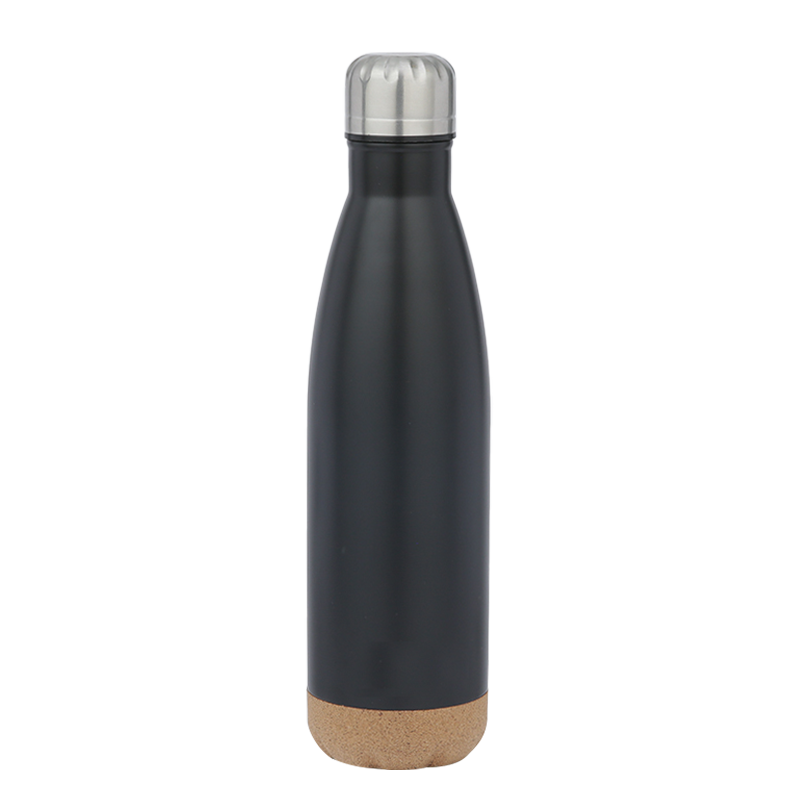
A Cork Bottom Mug pairs a standard drinking cup—usually ceramic, stainless steel, or glass—with a pad of natural Cork fixed to the Bottom. That Cork layer acts as a soft shield between the Mug and whatever it sits on, from wooden desks and glass tabletops to stone counters. Most designs go one of two ways: a Cork base glued on permanently during manufacturing, or a detachable Cork piece that you can swap out once it starts showing wear.
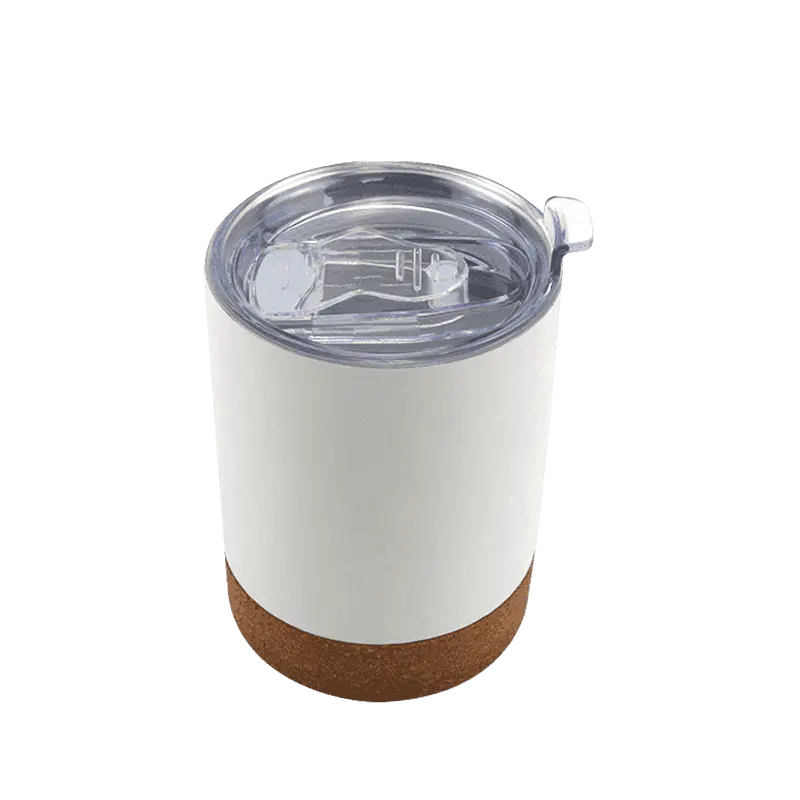
Several design variants exist in the marketplace:
How the Cork stays attached changes from one Mug to the next. Plenty of makers use safe, food-approved glue to stick Cork straight onto ceramic or metal for a solid, lasting connection. Others build in simple mechanical clips or holders so the Cork comes off without needing tools. Top versions sometimes fuse the Cork to the Mug through a heat-and-pressure process that creates a tough bond able to stand up to repeated washing without pulling apart.
Cork grows as the outer bark of Cork oak trees and naturally forms from countless small, air-filled cells that give it cushion and a bit of water resistance. For Mug bases, companies usually treat the Cork to make it tougher and better at handling moisture, though how much treatment they apply decides how well it holds up through regular daily use. Heavily sealed Cork fights stains and soaking better than raw or lightly treated pieces, while thicker pads spread out the Mug's weight more evenly and take longer before they flatten and lose their bounce.
What sets Cork Bottom Mugs apart from ones with silicone or rubber bases is the natural look and feel—Cork brings an organic warmth that many people prefer over plastic-like materials. The catch is that Cork asks for more careful handling than silicone to avoid water damage and breakdown over time.
Picking a Cork Bottom Mug means balancing clear upsides against some everyday realities that shape how it fits into your routine.
Primary Benefits:
The biggest draw stays surface protection. Cork softens the contact point so the Mug doesn't scratch wood furniture, nick glass tables, or make that harsh scraping noise when ceramic or steel bumps hard surfaces. That matters a lot for home offices where desks get heavy use or kitchens with counters that show every mark.
Next comes the grip. Cork's rough, natural surface holds steady on slick desks or counters, even if you knock something nearby. Fewer slips mean fewer spills, which feels reassuring around laptops, papers, or anything you don't want wet.
The organic appearance draws people who like real materials better than man-made ones. Cork adds a warm, earthy touch that pairs nicely with wood accents, leather, or other natural elements in modern spaces. With proper care it ages into a patina that looks lived-in rather than beat-up.
A small amount of insulation helps too. The air pockets inside Cork slow down how fast heat from a hot drink reaches the table underneath, cutting the chance of scorch marks on delicate finishes. The base also feels a touch cooler to the touch after sitting out, even if it can't compete with true insulated walls for keeping drinks hot longer.
Realistic Tradeoffs:
Wear happens over time. Everyday pressing flattens the Cork cells bit by bit, thinning the pad and reducing both cushion and grip. Letting moisture sit too long speeds that up—most pads show clear signs of compression after six to twelve months of steady use, depending on how thick and well-made they started.
Untreated or lightly sealed Cork soaks up water and stains from coffee drips, cold-drink sweat, or leftover cleaning moisture. That can lead to dark spots or faint smells. Better-sealed Cork handles those issues well but costs more and still might discolor eventually with heavy exposure.
Dishwasher and microwave rules limit things. Hot water, strong detergents, and long cycles hurt Cork and loosen glue, so most Mugs carry a hand-wash label. Microwaving can scorch the Cork or melt weaker adhesives, especially on cheaper bonds.
Direct heat from warming plates or stovetops pushes Cork past what it likes. While it deals fine with normal hot-drink temperatures, setting a scorching Mug straight onto the Cork can break it down faster. Some treatments boost heat tolerance, but the material has its built-in limits.
Even with those drawbacks, Cork Bottom Mugs work great for plenty of people when the Mug matches how they actually use it and they follow the care instructions. The trick lies in knowing what matters most to you so the benefits outweigh the upkeep.
Picking a solid Cork Bottom Mug means looking at several key details that shape how well it holds up and how pleasant it is to use every day. This part walks through the main things to check and why they make a real difference over time.
The way Cork gets fixed to the Mug base decides both how tough it stays and whether you can fix it later. Glued versions bond the Cork straight to the Bottom with safe adhesive, giving a strong hold that doesn't come loose easily in regular use but leaves you stuck when the Cork finally wears thin. Mechanical setups use clips, slots, or snug friction holds so you can pull the Cork off and put a fresh one on without any tools or special know-how. Replaceable systems give the best value long-term since you keep the same Mug body going for years instead of tossing the whole thing when the base gives out.
Always check if the seller offers spare pads that match and make sure they're easy to buy separately. Stay away from odd custom-fit designs that lock you out of replacements once the original wears down.
Thicker Cork lasts longer and soaks up impacts better than skimpy layers. Most run between three and six millimeters thick—thicker ones take more abuse but raise the Mug a touch higher. Extra thickness also helps keep things steady, though badly made thick pads sometimes wobble if they weren't pressed evenly at the factory.
The finish on the Cork controls how well it fights water and stains. Sealed or coated Cork pushes liquids off and blocks deep stains much better than plain natural Cork. Raw, unsealed Cork keeps its true rough look and honest feel but soaks up spills faster, takes longer to dry, and needs more careful wiping after every use.
What the Mug itself is made from changes how the Cork performs overall:
Ceramic Mugs give that classic look and hold heat nicely but weigh enough to press down harder on the Cork over time. Drops can chip ceramic edges, and water sneaking into the joint where Cork meets body sometimes starts small cracks.
Double-walled stainless steel keeps drinks hot or cold much longer and stands up to rough handling. The lighter weight eases stress on the Cork pad so it lasts longer. Metal expands and contracts with temperature swings, so the glue has to be chosen carefully to avoid popping loose.
Borosilicate glass looks clean and handles sudden temperature changes without cracking easily. Pairing glass with Cork makes an attractive combo but calls for gentle treatment—glass breaks on hard falls even if the Cork softens the Bottom hit a little.
What companies say about machine washing and microwaving differs a lot. A few Cork Bottom Mugs hold up through dishwasher runs without trouble, while most warn against it to save the glue and Cork from breaking down. When shopping, go beyond the label and read actual buyer feedback about Cork peeling or crumbling after going through the machine a bunch of times.
Microwave use hinges on the adhesive and any Cork coating. Most of these Mugs aren't built for microwaves—some glues have bits that spark or give off smells when heated, and others simply weaken or fail at high temperatures.
Tiny spaces where Cork meets the Mug base trap water and invite mold or mildew. Good designs keep those gaps almost nonexistent with tight factory fits and sealed edges that block liquid from getting in. Watch out for these weak spots:
Taking a close look at the base tells you a lot about build quality and how long the Mug should last.
Adding Cork shifts the weight a bit and changes how the Mug sits flat. Bad designs cause rocking or leaning, especially on taller, slimmer shapes. Where the handle sits compared to the Cork thickness affects how steady it feels when you pour or when the Mug sits empty.
Cork naturally darkens as oils come up and use marks build over months. Plenty of people enjoy that aged, character-filled look, while others want it to stay even and fresh-looking longer. If the Cork gets dyed to match a certain style, check how well the color holds up—some fade or bleed when hit with soap or left in sunlight.
| Feature | What to Look For | Why It Matters |
|---|---|---|
| Attachment Method | Replaceable pads, mechanical clips, clear replacement information | Extends mug life, reduces total cost, easier maintenance |
| Cork Thickness | 4–6 mm, even compression, no visible air pockets | Better durability, consistent cushioning, longer service life |
| Cork Finish | Sealed or varnished surface, water-resistant coating | Prevents staining, speeds drying, reduces mold risk |
| Mug Material | Quality ceramic, food-grade stainless steel, thermal glass | Affects weight on cork, heat transfer, breakage risk |
| Seam Quality | Tight gaps, sealed edges, no adhesive overflow | Prevents moisture infiltration, reduces mold growth |
| Care Requirements | Clear washing instructions, explicit dishwasher compatibility | Matches maintenance preferences, prevents damage |
| Balance | Stable base, appropriate cork diameter for mug size | Prevents tipping, ensures safe use, improves handling |
| Replacement Parts | Available cork pads, reasonable pricing, compatible sizes | Enables repair, reduces waste, maintains investment |
Different settings and daily habits call for certain Cork Bottom Mug features over others. Knowing what matters most for how you plan to use the Mug makes picking the right one much easier.
Desks in offices need strong surface protection and rock-solid stability more than anything else. Go for Mugs with thicker Cork pads that absorb contact with hard desk materials and keep the Mug planted even when stacks of papers, files, or keyboards crowd the space. Replaceable Cork pads turn out especially useful here—constant daily use wears them down faster, and being able to swap just the base instead of buying a whole new Mug keeps expenses in check over time.
Dishwasher safety takes a back seat for most office Mugs since people usually rinse them by hand in the break room sink. Still, quick cleaning counts, so pick ones with smoother, less porous Cork that wipes off coffee rings and splashes easily rather than rough surfaces that hold onto residue.
Handles should feel comfortable for one-handed lifts while you type or scroll, so look for grips that let you pick the Mug up with just fingers and stay balanced without tipping.
On the move, Cork needs to handle bumps, squeezes in cup holders, and tossing into bags without falling apart. Removable Cork coasters or full sleeves that cover the lower Mug hold up better than fixed glued pads—they compress less under pressure and bounce back easier. Plenty of commuters keep a plain travel Mug for the daily ride and save Cork Bottom ones for when they reach the desk or home.
When you do carry a Cork Bottom Mug, lean toward thick, well-sealed Cork that shrugs off sweat from cold drinks or accidental spills inside your bag. Stainless steel bodies cut down weight compared to ceramic, making the whole thing easier to haul around.
Lids help prevent spills during travel but can throw off balance and add height that makes some Cork designs wobble. Double-check that any travel-friendly Cork Bottom Mug sits steady even with a lid on top.
At home you get more room to work with maintenance and storage, so sealed Cork shines in kitchens where Mugs face frequent spills, steam, and temperature swings from hot drinks to fridge-cold ones. Models that go through the dishwasher safely save time after busy breakfasts or when the family piles up cups.
Looks play a bigger role here than in offices—Cork tone and texture should blend with your cabinets, counters, and other pieces you see every day. Households often end up with several similar Mugs, so having pads that match across different ones simplifies things when one wears out.
Mugs picked as gifts put appearance and first impressions ahead of heavy-duty function. Search for ones that come in nice boxes, show clean even Cork application, and carry little touches like polished finishes or subtle details that signal care went into the making. Laser-etched designs, branded Cork, or perfectly matched colors between Mug and base make stronger presents than plain functional versions.
Think about whether the person receiving it minds hand washing or expects dishwasher ease—that choice affects how happy they stay with it. Toss in a short care note with the gift so they know from day one how to keep the Cork looking and working its best.
Taking good care of a Cork Bottom Mug stretches its useful life a lot and heads off the usual issues that force people to replace them too soon.
Right after you finish drinking, give the Cork base a quick wipe with a dry cloth to soak up any leftover water from washing or from condensation on cold drinks. That one easy move stops the Cork from pulling in moisture, which would otherwise make it swell and start breaking down. Never leave these Mugs sitting in standing water or damp spots around the sink where they can stay wet for a long time.
If your Mug has a removable Cork pad, turn it around now and then so wear spreads out evenly instead of one spot getting flattened much quicker than the rest.
When you wash the Mug part, tip it so water stays away from the base as much as possible. Stick to lukewarm water for hand washing—really hot water softens the glue holding the Cork and speeds up how fast the material wears out.
Keep Cork Bottom Mugs stored standing upright in dry spots rather than tucked inside other cups or containers where air can't move freely and moisture gets locked in.
Once a month, give the Cork a deeper clean to keep it looking decent and stop buildup that turns into smells. Stir up a mix of equal parts white vinegar and water, dab it onto the Cork with a soft cloth, and rub gently in small circles to lift marks without tearing the surface. Rinse everything off well with plain water, then dry it completely before putting the Mug back into use.
For tougher stains that won't come off easily, make a thick paste from baking soda and a little water. Spread it on the stained spots, leave it for about ten minutes, then rub lightly and rinse clean. Skip rough scrubbers or pads—they rip into the Cork and leave scratchy areas that grab dirt faster.
Don't ever soak the whole Mug in water or cleaner. Letting Cork sit submerged pulls in too much liquid, swells the cells, loosens the glue, and often causes lasting harm.
Cork Lifting or Peeling: When the glue starts failing and the Cork pulls away from the base, you can try fixing it temporarily with food-safe contact cement or glue made just for Cork. Clean both the Mug base and the Cork piece thoroughly, spread the adhesive following the directions, and press everything together hard—use a clamp if you have one—for the full curing time listed. In most cases, though, putting on a fresh pad works better and lasts longer than trying to re-stick the old one.
Staining and Odor Development: Dark marks that stick around usually mean moisture got deep into unsealed Cork. Brush on a food-contact Cork sealer to build a shield against future soaking. For smells, dust baking soda over the Cork, let it sit overnight, then brush it off and wipe the surface clean. If the odor hangs on, the Cork has likely picked up bacteria inside and needs replacing.
Mold and Mildew: Any visible mold spots show the Cork stayed too wet for too long and didn't dry properly. Wipe it away right away with a weak bleach-and-water mix, rinse very well, and dry everything completely. From then on, make sure to wipe the base after every use and store Mugs where air moves freely. If mold keeps coming back even with better habits, swap the Cork for a new one.
When Cork wear becomes noticeable or damage occurs:
Cork Bottom Mugs use materials that come into contact with food and drinks plus factors tied to the environment, so it pays to look closely at these before buying.
Any Cork that ends up near where you drink or eat needs to follow food safety rules. Check for clear statements from the maker about using food-grade glue and no-BPA bonding agents. Cheaper Mugs sometimes rely on industrial adhesives that give off smells when warmed or release tiny amounts of stuff that can change how your beverage tastes.
Cork by itself counts as safe for indirect contact with food, but the treatments factories add during making can bring in chemicals worth questioning. Plain, untreated natural Cork carries very little risk, while Cork with heavy synthetic coatings or sealants calls for proof of safety approvals to make sure nothing harmful leaches out.
Cork gives a decent amount of insulation that slows how fast heat moves from a hot Mug to tables or your fingers. Still, it doesn't block heat completely, so stay careful when picking up Mugs full of very hot drinks. The Cork base warms up some through contact with the Mug body, but it usually stays noticeably cooler than the sides.
Don't set Cork Bottom Mugs straight onto stove burners, hot plates, or any active heat source—high direct heat breaks Cork down fast and, in rare extreme cases, can set it on fire. Cork resists flames naturally to a point but isn't built to handle real fire.
Because Cork comes from a natural source, it can grow mold when it stays wet for long stretches. How likely mold actually appears depends far more on how you care for the Mug than on the Cork itself. People who wipe the base dry after every use and keep Mugs in open, airy spots run into almost no mold trouble. Letting the Cork stay damp or storing Mugs in steamy, closed places often brings mold in just a few weeks.
Cork with a good seal holds off mold better since water has a harder time getting inside the protective layer. Even sealed Cork wears over time, though, opening tiny paths for moisture, so keep an eye on it regularly.
Cork grows as bark on Cork oak trees that keep producing after each harvest, so it counts as a renewable choice compared to plastic or rubber bases made from oil. Most Cork comes from a handful of Mediterranean countries, though, and shipping it adds some environmental footprint.
At the end of its life, Cork beats synthetic options because it breaks down naturally in compost while silicone and rubber sit in landfills for decades. Glued Cork-Mug combos turn into mixed waste that's tough to recycle or compost, but loose or replaceable pure Cork pads separate easily for composting.
Seek out makers who talk openly about where they get their Cork and show they follow responsible harvesting. Look for forestry group certifications that back up claims of caring for the forests properly.
Good companies lay out clear details on materials, any safety tests done, and how to care for the Mug. Watch out for listings that stay fuzzy on what goes into the Mug, skip cleaning advice, or say nothing about getting replacement parts. When descriptions leave out key safety or upkeep info, ask the seller for specifics before you buy.
Whether you hold the Mug in your hand at a store or shop online, a few straightforward checks show real quality differences that affect how happy you end up.
When you can pick up Cork Bottom Mugs yourself, run through these quick tests:
Slide your fingers over the Cork to feel the surface. Even, smooth finishes point to sealed Cork that sheds water well, while rough, open textures mean untreated Cork that soaks up spills and needs extra care. Look for loose bits or peeling that hint at low-grade Cork or rushed finishing.
Look closely at the line where Cork meets the Mug base. Tight, even seams show careful making, but gaps you can see or glue squeezed out signal spots where water might sneak in later.
Drop a couple beads of water on the Cork and watch. Good sealed Cork lets water bead up and roll off fast. If it soaks in right away, expect easier staining and slower drying.
Set the Mug on a level spot and push gently on one side. Solid Cork bases stay flat without rocking. Uneven application or too-thin Cork makes the Mug wobble, which gets irritating fast in regular use.
Try lifting the edge of the Cork lightly to see if it's removable. Detachable pads should come away smoothly without much pull, while permanent ones hold firm against casual tugs.
Shopping Cork Bottom Mugs online without touching them means leaning on details in listings and what other buyers say:
Hunt for clear mentions of replaceable pads, exact Cork thickness numbers, and straight talk about dishwasher use. Vague wording or missing info often means the maker skimped or isn't sure about the product.
Look for sharp, close-up photos of the base from different views. Sellers who show real Cork texture, how it attaches, and build details care about quality. Skip ones that only post pretty overall shots hiding the Bottom.
Scan reviews for comments on how the Cork holds up, how cleaning goes, and if it peeled or wore out quickly. When several people report Cork issues in the first few months, that's a pattern worth dodging.
Confirm replacement pads exist by checking the maker's site or asking support. Mugs without spares offer weak long-term value no matter how good the starting price looks.
Double-check return rules since Cork problems sometimes only show after you've used the Mug a few times. Longer return periods give you room to spot issues before you're stuck.
Cork Bottom Mug prices swing quite a bit depending on what materials go into them, how well they're put together, and where the brand positions itself in the market.
Lower-end Mugs usually fall between eight and fifteen dollars and stick to simple ceramic bodies with basic glued-on Cork pads. They do the job for occasional use but rarely offer spare pads to replace worn ones, and the adhesives tend to let go sooner than better ones. These make sense if you only use the Mug now and then and don't mind swapping it out every year or so.
Mid-range choices run from fifteen to thirty dollars and step up with stronger construction, sealed Cork that handles moisture better, and in some cases, pads you can actually replace when they wear down. For most people looking for a Mug they use every day and want to keep going for several years with decent care, this price bracket hits the sweet spot between spending and lasting quality.
Higher-end Cork Bottom Mugs start above thirty dollars and bring nicer looks, clear promises of replacement pads being available, tougher glues that hold longer, and usually some kind of warranty for factory flaws. They fit folks who care about things lasting, enjoy thoughtful design touches, and like dealing with brands that stand behind their stuff with good support.
Most warranties on these Mugs cover clear manufacturing problems—like glue failing way too early under normal conditions—but don't touch normal wear such as Cork flattening from use or picking up stains over time. Typical coverage lasts anywhere from ninety days to a full year, though some top brands stretch it further.
Always read the fine print since many warranties rule out damage from running the Mug through the dishwasher or not following cleaning steps exactly, which basically cancels protection if you slip on care routines. Warranties really shine for catching defects that show up soon after you start using the Mug rather than shielding against gradual everyday wear.
Return policies often matter more than the warranty itself for a lot of buyers. A thirty-day window lets you try the Mug at home, see how it feels in real life, and send it back if it doesn't work out, while short or strict return rules can leave you stuck with something that doesn't suit you.
New Cork pads run between three and eight dollars each, depending on the size and whether you get them straight from the Mug maker or from another source. Generic pads from craft stores or online sellers usually cost less than official branded ones but might not line up perfectly in diameter or thickness with your original.
Some companies sell spares right on their websites, while others make you email or call support to order them. General retail sites carry universal Cork pads that work on standard Mug sizes, but you have to measure your base carefully to get a good match.
If you're okay with a little hands-on work, buying a sheet of Cork and cutting your own pads turns into the cheapest way to keep things going. A single sheet usually costs eight to twelve dollars and gives you enough material for several replacements. That route works especially well for homes with multiple Cork Mugs or if you want to try different thicknesses for better feel or fit.
The right Cork Bottom Mug comes down to lining up its features with how you actually plan to use it while keeping reasonable expectations about upkeep and how long it will hold up. The Aijun brand builds models shaped by what real users say they need, putting replaceable pads and sealed Cork front and center to tackle the usual care headaches while still giving solid protection for surfaces. For office desks where keeping tables scratch-free tops the list, focus on thick sealed Cork and steady bases rather than worrying about portability. Kitchen use at home gains from dishwasher-safe options and looks that fit with your counters and cabinets. On the go, you want tough builds that handle bumps and movement, though removable Cork coasters often beat fixed bases for travel.
Getting familiar with how Cork attaches, what thickness works best, and which Mug materials pair well helps spot ones built to last through regular use. Replaceable pad designs give the best ongoing value since you refresh the Cork without ditching the whole Mug. Sealed Cork makes cleaning simpler and fights stains better than raw versions. Steady daily care—wiping the base after each use, drying it properly, and doing a deeper clean monthly—keeps moisture damage and mold away so the Cork stays good far longer. When wear finally shows, easy access to affordable replacement pads turns your Mug into something that serves you for years instead of months. Safety points around glues, heat limits, and mold prevention deserve a quick check but shouldn't overshadow the real advantages Cork brings when you treat it right. The natural feel and eco-friendly side of Cork give surface protection that plastic or rubber bases can't copy, making it a smart pick for anyone ready to give it the small amount of attention needed to keep it performing well.
Your choice of Cork Bottom Mug should reflect how you actually use drinkware in your daily life, whether that involves protecting a home office desk, coordinating with kitchen aesthetics, or finding something durable enough for occasional travel. Products from manufacturers like Aijun demonstrate how thoughtful design choices around replaceable pads and sealed Cork finishes address the maintenance concerns that often shorten the lifespan of less carefully constructed alternatives. By evaluating attachment methods, verifying replacement part availability, and committing to simple care routines like regular drying and monthly cleaning, you transform what might seem like just another Mug purchase into a functional tool that protects your surfaces, reduces waste through repairability, and brings the natural appeal of Cork into your everyday environment.
Your email address will not be published. Required fields are marked *
* Your email is safe with us, we don't spam.

Our company's products include vacuum flasks, beer mugs, coffee mugs, car tumbler, fire stove and tensile parts, etc.
Phone: +86-13566758039
Tel: +86-0579-87171178
Fax: +86-0579-87171178
E-mail: [email protected]
Add: No.29, Qiaodong Road, Qiaotouzhou Village, Longshan Town, Yongkang, Jinhua, Zhejiang, China.
Copyright © 2026 Yongkang Aijun Industry & Trade Co., Ltd.



 English
 中文简体
中文简体 日本語
日本語 Français
 Español