+86-13566758039


When you wrap your hand around that first cup of morning coffee and feel the gentle warmth of the ceramic body resting above a grippy, natural Cork base, you're holding what draws so many people to the Aijun Cork Bottom Mug—folks who want drinkware that works well while keeping an eye on the environment. Cork stands apart from plastic or rubber bases by offering a real, organic feel and a soft visual warmth that fits right into daily life, but only if you treat it with the right habits. Plenty of owners watch their Cork start to lift at the edges or turn darker after just a few months and wonder if they got a bad one or if the instructions got lost somewhere. The answer usually sits in the middle: Cork reacts to water, heat shifts, and everyday pressure in its own way, so it asks for care that differs from what you'd give synthetic stuff.
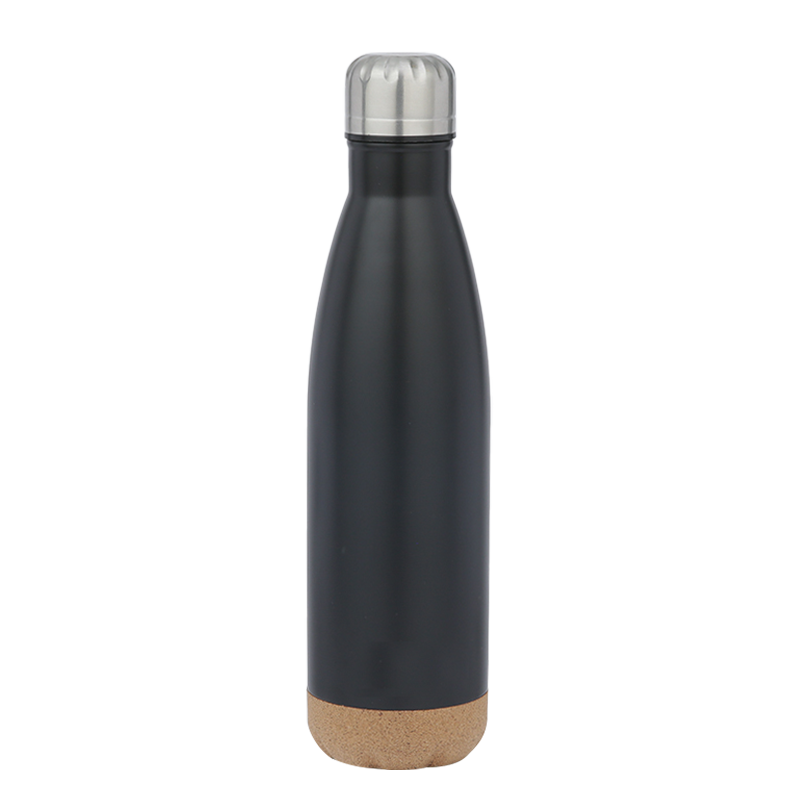
Most Cork Bottom Mugs pair a main cup—typically made from ceramic, porcelain, or stainless steel—with a piece of Cork fastened to the Bottom. The Cork usually shows up in one of two shapes: a solid round disc that covers the entire base or a narrower ring that runs around the edge, leaving the middle open. Makers attach these using different glues, from everyday food-safe contact cement to stronger silicone-based formulas, and the quality of that bond shifts a lot depending on price and how the Mug gets made.
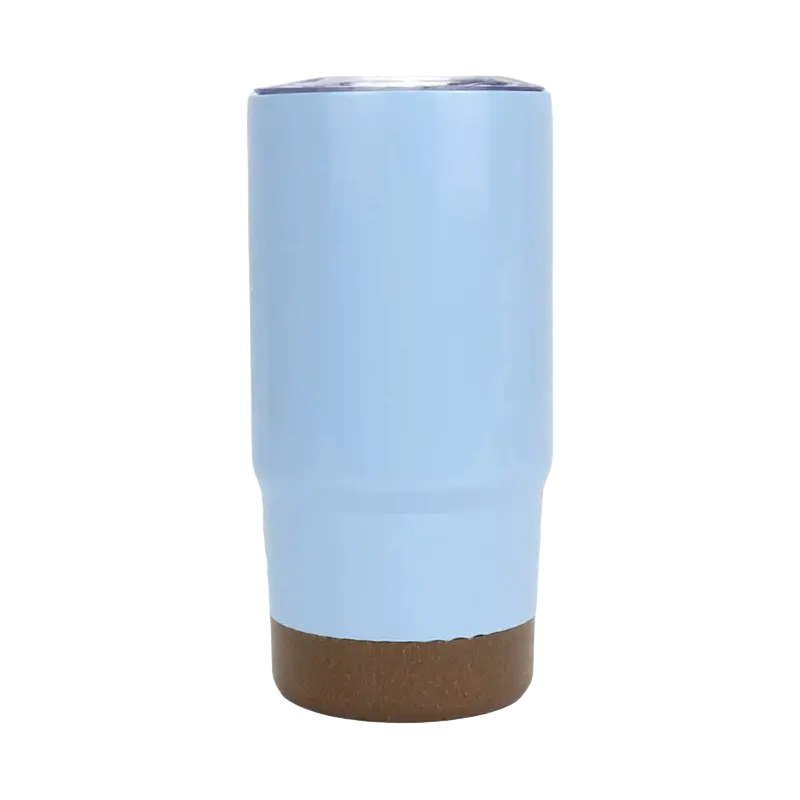
Cork does more than just sit there looking nice. It softens the landing when you put the Mug down, cutting out the loud clack of ceramic hitting table and keeping wooden surfaces from getting scratched. The natural air pockets inside Cork give a bit of insulation, slowing how fast heat from a hot drink reaches the furniture underneath while adding a small edge in keeping things warmer longer than plain ceramic would. That same cellular makeup creates real grip too, so the Mug stays put on slick glass or polished counters instead of sliding when bumped. On the green side, Cork gets harvested without killing the trees it comes from, which makes it a go-to for people who want drinkware bases that feel better for the planet than rubber or silicone pulled from oil.
You see Cork bases turn up everywhere—from travel Mugs and company swag to handmade studio pieces and regular home coffee cups. The combo of rough, earthy texture against clean modern shapes explains why they show up so often in photos of cozy kitchens and stylish workspaces. Knowing how they go together makes it clear why some care habits keep them going strong while others wear them out fast.
Cork by itself brings no real safety worries for holding hot drinks. It stands up to temperatures way past boiling without breaking down or giving off anything harmful. The glue layer needs closer attention—good makers stick with food-safe adhesives that hold steady through lots of hot-and-cold cycles, but cheaper Mugs sometimes use glues meant for other jobs that aren't built for kitchen heat. To know if your Mug handles hot liquids safely, look for what the maker says about temperature limits and adhesive safety. A well-made Cork Bottom Mug with the right glue carries no extra risk compared to any standard cup, but always double-check that the whole thing meets food-contact rules instead of assuming the Cork part alone decides.
The dishwasher question trips people up because the real answer hinges on exactly how the Mug is built, not just on Cork being Cork. Cork can technically take a few dishwasher runs, but the long soak in hot water, strong soap, and swirling jets hit both the Cork and the glue hard, breaking them down quicker than hand washing ever would. Almost every maker tells you to wash Cork-Bottom Mugs by hand, even when the cup part could go in the machine. A handful of higher-end brands treat the Cork with sealants and pick special glues that stand up to occasional dishwasher use, but they always spell that out clearly on the label or box. Unless your Mug's instructions flat-out say the Cork part can handle the dishwasher, stick to hand washing to keep it in good shape much longer.
Cork gets built from millions of tiny sealed air pockets wrapped in suberin, a waxy coating that gives it decent natural pushback against water. That protection only goes so far, though. Dunk the Cork completely or let it sit in puddles over and over, and water starts sneaking in through tiny surface nicks or raw cut edges where the outer shield got worn or cut away. Once water works into those cells, the Cork swells up noticeably. That swelling pushes and pulls against the glue joint, slowly prying the bond apart where Cork meets the Mug. When it dries back down, the Cork shrinks again, but it almost never snaps back to exactly the same shape. Going through that expand-and-contract loop again and again—like from dishwasher cycles or wet Mugs left in the sink—ends up deforming the Cork permanently and breaking the adhesive hold.
The glue takes a beating right alongside. Most adhesives dry into stiff or semi-stiff layers that don't flex much when the Cork changes size. Swelling Cork presses hard against that rigid film, piling stress right at the weakest spots—usually the outer edges where you first see peeling start. Water that gets past the Cork can hit the glue from underneath too, breaking down the bond chemically. Some glues just dissolve when soaked long enough, while others lose their grip even if they stay mostly solid.
Living things add another layer of trouble when moisture sticks around. Cork's natural makeup feeds mold and mildew if it stays damp. Dark patches, musty smells, or fuzzy spots on the base mean moisture turned the Cork into a growing spot for tiny organisms. That growth doesn't just look bad or smell off—it actually eats into the Cork structure as the fungi spread through and break it down from the inside.
Every time hot coffee or tea goes into your Mug, the heat moves through the walls and hits the Bottom where the Cork sits against the ceramic. Both materials expand from the warmth, but they do it at different speeds because of how each one reacts to temperature. When you set the hot Mug onto a cooler table, the quick drop in heat makes them shrink again at mismatched rates. That back-and-forth stretching and pulling puts steady shear force right at the glue line between Cork and Mug, slowly loosening the bond even when nothing looks wrong on the surface yet.
Mechanical wear follows clear patterns too. Dragging the Mug across rough surfaces—like concrete patios, stone counters, or raw wood—grinds away at the Cork little by little through friction. Cork stays softer than most materials, so the outer layer eventually wears thin and exposes the more open inner part underneath. Once that happens, water soaks in much faster. Sudden bumps, like setting the Mug down hard or dropping it a short way, squash the Cork in an instant. Cork absorbs shocks well by nature, but doing that over and over flattens the tiny air cells permanently, thinning the pad and cutting how much cushion it can give.
Cork carries natural oils and resins that help it push back against water and hold its shape. Certain things strip those away over time. Cleaners with alcohol dissolve those protective oils, leaving the Cork dry, cracked, and brittle. Stronger solvents found in some household sprays and sanitizers do the same kind of harm. Even things that seem harmless, like splashes of cooking oil, can seep in and change how the Cork behaves—usually showing up as dark stains rather than outright breaking it apart.
Sunlight breaks down the organic parts of Cork through UV exposure. Leaving your Mug on a bright windowsill or outside table for long stretches makes the Cork lose its springy feel bit by bit until it turns hard and crumbly. The change builds quietly over months until one day the material gives way under normal handling.
How well the Mug was made plays a huge role in how long it lasts. Very thin Cork pads—under about 2mm—don't have enough thickness to handle regular use before the base shows through. If the factory skipped cleaning oils, dust, or release agents off the Cork or ceramic before gluing, the bond starts weak and fails early no matter how careful you are. Cheaper makers sometimes pick glues based on price instead of how well they hold up, so those Mugs can start peeling in weeks even with perfect care.
Good Cork care comes down to keeping moisture away and cutting mechanical damage with small habit changes:
Immediate post-use care: When you finish your drink, rinse the inside of the Mug with warm water to clear residue, but keep the Cork base out of the water. If any liquid spilled onto the Cork, wipe it with a lightly damp cloth right away, then dry it completely with a towel. Don't let the Mug sit in puddles or rest upside-down in a wet sink.
Proper washing technique: Fill the Mug with warm soapy water to clean the inside, or hold it by the sides under running water. Keep the Cork lifted above the water level the whole time. For the Cork itself, use a soft cloth or sponge with just a touch of soap, wiping gently instead of scrubbing hard. Rinse by running a little water over it quickly without soaking, then dry it thoroughly with a clean towel.
Drying and storage protocols: After washing, make sure the entire Cork surface dries fully—any leftover dampness pressed against a counter or shut in a cabinet invites mold. Store Mugs standing upright or on their sides in open spots where air moves freely, not stacked inside each other or closed in humid cupboards where moisture builds up.
Stain and odor prevention: Cork usually holds off most coffee and tea stains well, but long contact with dark drinks can darken it anyway. If odors from drinks linger in the Cork, mix a paste of three parts baking soda to one part water, spread it on the Cork, wait about fifteen minutes, then wipe it off and rinse lightly. For stubborn smells, rub a cut lemon slice over the surface, let the acid sit five minutes, rinse, and dry completely. Keep baking soda or lemon away from the Mug's inside if there's any chance it could drip down to the Cork.
Surface protection during use: Use coasters under the Mug when you can, even though the Cork already acts like one. The extra layer cuts down on condensation dripping from the sides onto the base. Lift the Mug to move it instead of sliding it across tables to reduce friction wear. For travel, wrap it in a soft cloth to guard against bumps in bags or cases.
Environmental considerations: Keep Cork-Bottom Mugs away from hot spots like stove edges, heaters, or sunny windows. Big temperature jumps speed up breakdown. In damp climates, tossing a silica gel packet into the storage cabinet helps pull extra moisture out of the air, though that only makes sense if you have a bunch of Mugs to protect.
| Care Action | Frequency | Benefit | Avoid |
|---|---|---|---|
| Wipe cork dry after use | Every use | Prevents water absorption | Leaving damp cork against surfaces |
| Hand wash with minimal water | Daily / as needed | Maintains adhesive integrity | Dishwasher cycles, submersion |
| Complete drying before storage | After each wash | Prevents mold growth | Closed storage while damp |
| Inspect adhesive edges | Weekly | Early detection of peeling | Ignoring small separations until major failure |
| Gentle surface cleaning | Monthly | Removes accumulated oils | Harsh chemicals, abrasive scrubbing |
When the Cork starts lifting at the edges or comes loose entirely, fixing it right away stops the problem from spreading further. Wipe both the back of the Cork and the Mug's base clean with rubbing alcohol on a soft cloth to get rid of old glue bits, skin oils, and any dirt that would keep new glue from sticking properly. Let both surfaces air dry fully—at least half an hour—so nothing interferes with the bond.
Pick the right glue with care. Food-safe contact cement made for flexible surfaces holds up well here, and so do silicone adhesives marked safe for kitchen items. Stay away from super glue because it dries into a hard, brittle joint that cracks easily when the Mug heats and cools repeatedly and can give off strong fumes. Spread a thin, even coat on both pieces following whatever the glue package says—some contact cements need time to get tacky before you press them together, while silicone types bond right away.
Push the Cork firmly and evenly against the base so it makes full contact with no air trapped underneath. Turn the Mug upside down on a flat surface and set something heavy on top—like a thick book or a couple cans—to keep steady pressure while it sets. Leave it alone for the full time the glue needs to cure, usually a full day for contact cement and up to three days for silicone. Don't poke or pull at it early; that can weaken spots before everything hardens properly.
Swap the whole Cork piece when it's worn thin from rubbing, crumbled from age, or damaged too much to fix. Measure across your Mug's base and decide if you need a full circle or just a ring shape. Craft shops, hardware stores, and online sellers carry Cork sheets in different thicknesses—aim for 3mm to 5mm so you get good cushioning without losing stability.
Draw the outline of your base onto the sheet with a pencil, then cut it out carefully using sharp scissors or a craft knife. A compass cutter gives the cleanest round edges if you're doing a full pad. Hold the cut piece up to the Mug dry first to check the fit, trimming little bits if needed for a snug match. Lightly sand the outer edge round so it doesn't catch and peel later.
Use the same gluing steps as for reattaching: clean everything thoroughly, apply adhesive evenly, press hard, weight it down, and let it cure completely. Fresh Cork starts out a little firmer than well-used pieces but softens and shapes to your habits after a few weeks of regular use.
Small cracks, light scratches, or rough patches don't always mean you need a full replacement. Gently sand those spots with fine sandpaper—220-grit or smoother—to level things out and take off just the damaged top layer, revealing fresh Cork below. Work in small circles and stop as soon as the flaw disappears so you don't remove more than necessary.
Once sanded smooth, you can add a light protective coat to help the Cork resist water better. Rub in a thin layer of food-grade mineral oil to boost moisture protection—it darkens the Cork a touch but keeps the natural look. Beeswax blends made for wood conditioning work similarly and protect without changing the feel much. Use very little—too much sits on top, makes it slick, and doesn't soak in properly. Let any treatment sit several hours to absorb before you use the Mug again.
Know when repairs aren't worth it anymore. If the Cork has broken apart in big sections, mold has worked deep inside, or the glue has let go across more than half the base, putting on a new pad usually gives better results than patching the old one.
Look closely at how the Cork attaches when you're deciding which Mug to buy. Better ones have Cork that reaches right to the edge with no gaps, glued so smoothly you don't see lumps or raised lines along the rim. Run your finger over the Cork—it should feel even in firmness without soft or hollow patches that point to cheap material or sloppy making. Press lightly; good Cork gives a little then bounces back right away, showing the air cells inside are still healthy.
Tilt the Mug and check the side profile of the base. Pads thinner than about 2mm wear out fast, while anything much over 6mm can make the Mug rock instead of sit steady. The 3-5mm range strikes the best balance for cushion, lasting power, and flat stability. Look at the Cork edges too—rounded or slanted ones catch less and resist peeling way better than straight-cut sharp ones.
Descriptions that call out sealed or treated Cork usually mean better water resistance, but check what actual owners say in reviews instead of trusting the sales words alone. Makers who include clear, detailed care directions show they've thought about how long the Mug should last, while vague listings often go with lower-grade builds.
Real natural Cork peels straight from Cork oak bark in a way that doesn't hurt the tree and grows back over time. Cheaper granulated or composite Cork mixes ground bits with binders—it saves money but usually wears faster and lets water in more easily. You can spot the difference by looking: natural Cork has uneven grain lines and slight color shifts, while composite looks flat and too perfect. Natural feels a bit warmer in your hand compared to the cooler, more uniform feel of bonded stuff.
A few brands point out sustainability certifications or responsible sourcing to attract buyers who care about the planet. Those claims help environmentally, but they don't guarantee the Mug itself will hold up longer—a certified Cork pad glued poorly still comes loose early.
Cork shines brightest in calm home settings where people wash their own Mugs by hand every time and care about the warm, natural look more than bulletproof durability. It fits perfectly for quiet morning coffee habits, slow afternoon tea sessions, or desk work at home where the Mug sits still on wood tables that need scratch protection. The fact that Cork comes from renewable tree bark draws in buyers who want to skip plastic entirely, especially when paired with plain ceramic or porcelain bodies.
Gifting gets a boost from Cork's special feel and appearance—it shows you put real thought into the choice instead of grabbing something plain. For folks who collect Mugs and give each one personal attention, Cork adds personality without turning upkeep into a chore.
Busy shared spaces like office kitchens or break rooms chew through Cork bases quickly. When lots of different people wash Mugs their own way—some careful, others tossing them in the dishwasher or leaving them soaked—failure happens fast. The same goes for cafés and restaurants where staff clean stacks of cups every shift; hand-washing rules just don't fit that pace.
Frequent travelers need bases tough enough to handle being bounced around in bags, squeezed into car holders, and set on hotel surfaces. Silicone or rubber takes knocks and temperature swings better than Cork. In very humid places—coastal areas or tropical spots where the air stays damp all the time—Cork breaks down quicker even if you stay on top of drying it.
Anyone who loves tossing everything in the dishwasher needs to admit Cork won't match that habit. Picking a Mug that lines up with how you really live, not how you wish you lived, keeps you from getting frustrated later.
Silicone bases lock out water completely, go through the dishwasher fine, and bounce back from drops. They grip well with a slightly tacky feel, though that same stickiness pulls in dust over time. Silicone comes from synthetic manufacturing so it doesn't match Cork's green story, but it outlasts Cork in tough conditions by a wide margin.
Rubber pads match Cork's grip and shock absorption while shrugging off moisture better. Natural rubber gives some eco points over fully synthetic kinds, but both wear down when they hit oils or petroleum products. Rubber usually costs less than Cork yet misses that warm, organic look.
Felt or fabric bases protect surfaces quietly and softly, but they soak up spills fast and need replacing more often than Cork. They work better for show pieces than everyday drinking.
Some makers layer thin Cork over a silicone core to try blending Cork's style with silicone's toughness. These hybrids handle occasional dishwasher slips better than straight Cork, though they cost extra and can eventually split where the two materials meet.
Picture someone who makes coffee every morning, carries their Aijun Cork-Bottom ceramic Mug to a home office desk, and rinses it by hand right after finishing. That routine keeps moisture and rough handling low. With simple habits—drying the Cork fully after washing and keeping it away from heat—the base usually stays solid for eighteen to twenty-four months before wear really shows. Edge lifting might start then, but the Mug still works well enough. A quick glue fix adds another six to twelve months before a full pad swap makes sense.
This setup plays to Cork's strengths perfectly, matching the material to the user's habits and home conditions. The daily enjoyment of the Cork's texture and look makes the small extra care feel worthwhile.
Companies handing out branded Cork-Bottom Mugs as employee perks or client thank-yous see a different story. In shared office kitchens, Mugs pass through many hands with wildly different washing habits. Some ignore hand-wash labels and run them through the machine; others leave them soaking overnight. Within two to four months, Cork bases start failing across the batch. Fixing individual pads doesn't scale for dozens or hundreds of Mugs, so they end up as spares or get tossed.
The early breakdowns don't mean the Mugs were bad—they just don't fit the rough-and-tumble reality of group use. Businesses buying Cork-Bottom Mugs in bulk either accept the shorter life as part of the gift experience or switch to bases better built for shared kitchens.
For anyone drawn to Cork's blend of eco-friendliness, table protection, and that pleasant natural touch, the upkeep stays easy enough to fold into regular kitchen habits. Treat your Aijun Cork Bottom Mug the same way you'd handle cast iron pans or good wooden spoons—materials that give back years of service and develop their own personality when you give them the right attention. In the end, sticking with Cork or switching to something else comes down to whether those small daily tweaks feel worth it to you, based on what you value and how things actually go in your home.
Your email address will not be published. Required fields are marked *
* Your email is safe with us, we don't spam.

Our company's products include vacuum flasks, beer mugs, coffee mugs, car tumbler, fire stove and tensile parts, etc.
Phone: +86-13566758039
Tel: +86-0579-87171178
Fax: +86-0579-87171178
E-mail: [email protected]
Add: No.29, Qiaodong Road, Qiaotouzhou Village, Longshan Town, Yongkang, Jinhua, Zhejiang, China.
Copyright © 2026 Yongkang Aijun Industry & Trade Co., Ltd.



 English
 中文简体
中文简体 日本語
日本語 Français
 Español