+86-13566758039


Selecting a mug for coffee or tea involves a number of everyday considerations. As you browse through rows of product photos, you might question whether that curved handle sticking out from the side really changes anything. The Aijun Thermos Mug With Handle offers one solid take on portable drink containers, but figuring out when a handle actually improves your day means looking past the shiny descriptions and sales talk. Handles deliver clear wins in certain moments while adding hassle in others. Someone hurrying across a busy train platform with a phone in one hand and a bag in the other needs different things from someone easing into hours on the open road. A worker in a chilly warehouse wearing heavy gloves deals with problems that never cross an office worker's mind. Instead of claiming handles are always a must or always pointless, looking at real-life situations shows exactly when this feature goes from nice-to-have to genuinely helpful.
A Thermos Mug With Handle is an insulated drink container built to hold temperatures steady for hours while adding a curved handle that sticks out from the side for easier carrying and holding. Unlike plain travel mugs that force you to wrap your whole hand around the body, these include a proper handle like you'd find on a classic coffee cup, attached securely to the outer shell.
Core Components:
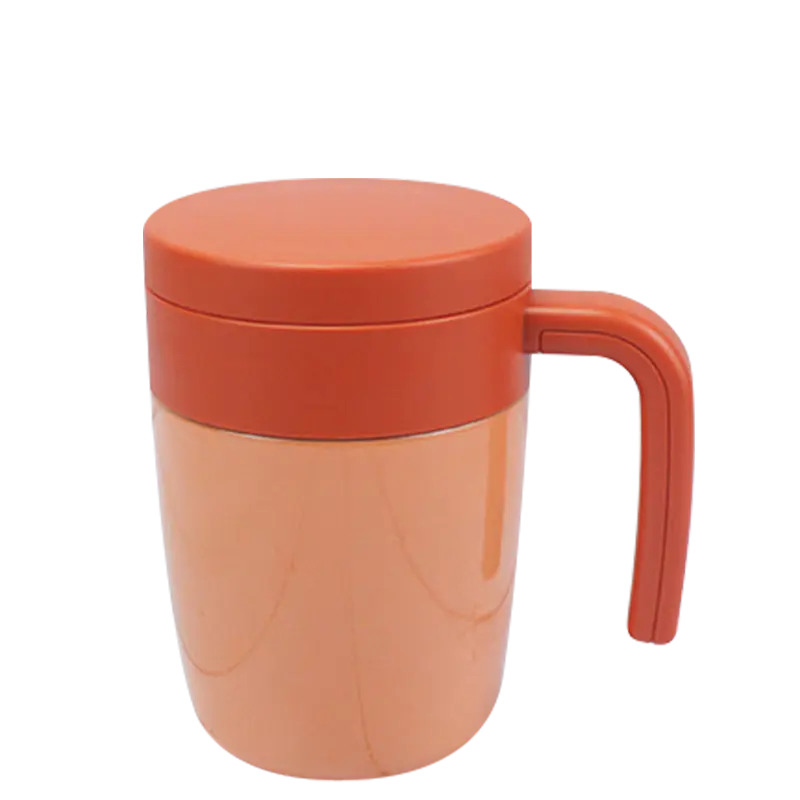
Regular ceramic mugs give you a handle for comfort but offer zero insulation and aren't made for carrying around. Standard travel mugs lock in temperature and seal well but require a full-hand grip on the smooth cylinder. A Thermos Mug With Handle combines thermal performance with the practical benefit of a handled design.
The handle does more than just feel nice. It keeps your hand away from the mug's surface when the outside gets too hot or too cold to touch comfortably. It lets you hold on with less effort than clutching a slippery tube, which helps anyone with stiff joints or weaker grip strength. You can also hook the handle over bag straps, carabiners, or coat hooks to keep your drink close without tying up your hands.
Some handles stay fixed in place, welded or riveted solidly to the body. Others fold flat against the side so the mug slips more easily into car cup holders or bags. A few models let you snap the handle off completely for ultimate flexibility, though those connection points can loosen with heavy use over time.
A handled design serves you particularly well when:
Conversely, handles create obstacles when:
| Suited For | Avoid If | Notable Feature |
|---|---|---|
| Walking commutes, public transit, workshop environments | Routines primarily involving car travel with constrained cup holders | Eases one-handed use during movement |
| Desk work involving regular drinking, caregiving responsibilities | Ultralight backpacking, situations with severe space restrictions | Minimizes hand strain and improves safety with hot liquids |
| Outdoor activities that benefit from hanging or attaching the item | A preference for a smooth, minimalist design | Provides alternative carrying methods besides holding the body |
This helps sort through marketing that calls every feature a must-have. What actually fits your real daily routine matters far more than broad promises of convenience.
Imagine weaving through a packed train platform during rush hour. One hand holds a rail for balance while the other needs to keep your coffee secure without constant readjusting. A handle gives your fingers a steady loop to curl around instead of squeezing the whole mug. That small change cuts down on hand and arm fatigue when you're carrying it for twenty minutes or more.
The benefit stands out even more on cold mornings with a steaming drink inside. Even good insulation lets some warmth reach the lid or any bare metal bits. The handle keeps your skin away from those warmer zones, so you don't keep shifting your grip or passing the mug back and forth between hands like you often do with handleless designs.
For this kind of use, look for:
At a desk, the mug remains stationary for extended periods, with intermittent use for drinking throughout the day. A handle makes those quick grabs simple and natural—you can reach for it without looking and get a secure hold right away.
The extra height from the handle also lifts the base away from the desk a bit, cutting down on condensation rings when cold drinks sweat or hot ones warm the surface underneath. Some people hang the mug on drawer handles or under-desk hooks when table space gets tight during busy stretches.
Look for these elements when desk use dominates:
Handles and car cup holders often don't get along as well as people expect. Most cup holders are sized for straight-sided cylinders within a narrow range of diameters. The inclusion of a handle increases the overall width. This can result in a mug that may not fit securely or becomes unstable and may tip when traveling over uneven surfaces or during turns.
Some makers fix this by building handles that fold flat against the side when you don't need them, letting the mug slide into standard holders more easily. Others keep the handle slim and low-profile so it adds only a little extra bulk. Either way, those moving parts become spots that can wear loose, get sticky with dirt, or break after enough daily use.
For drivers who mostly hold their drink while actually sipping—at stoplights, in traffic, or during short breaks—the handle shines. It gives a comfortable, secure way to lift and drink without needing to readjust your grip constantly. If long highway stretches are more your routine, keeping a separate plain travel mug without a handle for storage in the holder makes more sense than fighting compatibility every trip.
Camping, tailgating, and outdoor job sites all put similar demands on a mug—hands get busy, gear gets rough, and you often need both free for climbing, carrying loads, or working. A handle lets you clip the mug to a backpack strap, belt loop, or carabiner so it stays close without tying up your fingers. Thick gloves or cold-weather mittens make looping over a handle much easier than trying to clamp onto a smooth round body.
When metal gets scorching from sun or freezing from early mornings, the handle keeps your skin from direct contact with uncomfortable temperatures. A good design turns those extremes into something you barely notice.
For rough outdoor use, look for:
Dust, grease, paint, sawdust, or concrete residue on your hands all day make smooth mugs slippery and risky to lift. A handle takes that worry away—you get a solid hold even when fingers are coated in whatever the job throws at you. That security means you're more likely to stay hydrated instead of hesitating because the mug feels uncertain.
Lids that snap or lock firmly matter a lot when tools, boards, or materials bump the mug. Workers often want handles big enough to fit over gloved hands so they don't have to strip off protection just to take a drink.
Key features for heavy-duty work sites:
Anyone helping older family members or people with weaker hands finds handles cut down the effort needed to lift and steady a drink. The leverage from a well-shaped handle shifts the load so less strength goes through the fingers and wrist.
For folks dealing with arthritis or joint stiffness, grabbing a full cylinder—even a light one—can ache or feel awkward. A handle spreads the weight differently and lets you use grips that work around personal limits.
When selecting for accessibility purposes:
Air travel rules and tight train seats make beverage containers tricky. You can usually bring an empty mug through security, but filling it means handling spills in crowded aisles or cramped trays. A handle gives better control when pouring from airport fountains or train carts and steadying it back to your seat.
Hanging the mug from a seat-back pocket hook or fold-down table edge keeps it handy without eating up tray space during meals. Size still counts, though—handled mugs need to fit carry-on limits and not stick out too far.
For frequent travelers, consider:
Sales pitches tend to hype up differences between mug styles, but real distinctions show up only when you match features to how you actually use the thing instead of buying into broad claims of one being better all around.
Grip Comfort: Insulation tech has gotten good enough that many double-walled mugs keep the outside at a touchable temperature no matter what's inside, so the old edge handles had for heat protection isn't as big anymore. Still, mugs with wide bodies make your fingers stretch far to hold them, which tires your hand after a while—handles cut that strain by giving a shorter loop to grip.
Cup Holder Compatibility: Straight-sided mugs without handles fit into many car cup holders. Ones with handles often need you to check measurements first, since many won't fit or sit wobbly. Folding handles help with this but add parts that can wear or jam eventually.
Packability: Cylindrical shapes without protrusions stack neatly in bags and use space efficiently. Handles stick out and make odd bulges that snag on zippers or waste room. For anyone packing light for trips, that's a clear downside.
Aesthetic Preferences: Some think handles make mugs look clunky or too everyday for certain spots. Others like the classic mug vibe they bring. It comes down to taste—no right or wrong.
Heat Distribution: Solid insulation makes body heat loss a non-issue these days. The lid lets warmth escape whether the container has a handle or not. Any talk of handles helping retain temperature doesn't hold up physically.
A quick way to decide: If you hold the mug a lot while drinking from it, handles probably make things easier. If it mostly sits in a holder or bag, skipping the handle keeps it simpler.
Bigger sizes mean fewer refills but add weight and bulk that's harder to carry. A moderate capacity accommodates a typical single serving while remaining easy to handle. Sixteen to twenty ounces works for longer stretches between fills. Over twenty ounces, the extra heft makes handles more helpful for steadying the load during walks or shifts.
Threaded caps lock in tight but take both hands and several twists to open, which doesn't suit quick grabs. Flip-tops let you pop them with one finger but might leak a drop if not snapped shut right. Sliding covers mix ease and seal but can gum up with dirt in the groove after time. Push-buttons feel smooth to use but bring more moving bits that could break down. Your primary activities inform a suitable balance. Commuters want fast one-hand access; campers need lids that won't let a drop escape even if tipped.
Fixed handles stay tough through solid attachment but block cup holder fits. Folding ones add options but wear at the joints with heavy use. Detachable styles let you remove them completely but create spots that loosen or trap grime. Recessed grips keep a low profile while still giving hold, though they often fit fewer fingers snugly. Trying the handle in your hand beats looking at pictures—diameter, angle, and surface all change how comfy it stays long-term.
Stainless steel with double walls and vacuum seals holds temperatures well across budgets. Ceramic insides stop flavors from sticking but chip easier. Plastic cuts weight and price but doesn't last or insulate as good.
Worry more about the vacuum staying sealed than wall thickness—the empty space does the insulating work. Factory care decides if that seal holds for years.
Mugs with lots of seals, vents, and parts collect gunk that needs taking apart to scrub right. That starts easy but gets old after months of daily rinsing. Fewer pieces mean less hassle over time.
Dishwasher fit changes by model. Some makers cancel warranties if machine washing hurts seals or coatings. Hand-wash rules add steps that might make you skip cleaning sometimes.
Budget Tier Expectations: Cheap entry models give basic insulation and working handles without much cost. They use thinner stuff, basic lids, and short warranties. Fine for now-and-then use or trying if handles suit you.
Mid-Range Options: Fair prices bring longer insulation, smarter lids, and better guarantees. Build quality jumps here with tighter fits for stronger seals and smoother action.
Premium Products: More money gets fancy materials, comfy shapes, and full warranties. Gains over mid-tier often feel small, with a lot going to name and looks rather than pure function.
Reading Reviews Effectively: Zero in on notes that match your routine instead of average scores. Someone talking leaks on hikes helps if you camp but not if you desk-sip. Spot trends in many reviews over single gripes or raves.
Physical Testing: Grab real mugs when you can before buying. Hold the handle different ways with your usual hand. Work the lid over and over. Feel the empty weight—full adds more. Hands-on shows fit issues specs miss.
Good habits keep your Thermos mug safe and working longer. Always double-check that the lid is fully closed before you pick it up by the handle—especially when moving through busy places or carrying it over laptops and phones. Those quick seconds of making sure everything's secure stop spills that could ruin a day or damage gear.
Cleaning Routines: Take apart every removable piece after each use if you drink anything with milk, sugar, or stuff that leaves buildup. Straight water or black coffee lets you go a bit longer between thorough scrubs. Keep an eye on the gaskets since those soft seals wear out over months and become the main spot where leaks start.
Silicone parts that pick up smells clear up with a soak in baking soda water or a weak vinegar mix. Skip strong cleaners that break down seals faster. Dry everything completely before putting it back together so moisture doesn't sit and grow mildew inside hidden spots.
Storage Considerations: Leave the lid off when storing so air moves through and seals don't stay squashed, which can warp them over time. Store the mug in an environment with stable temperatures, as significant fluctuations can compromise plastic components and adhesive bonds.
Common Problems: A wobbly handle usually means the screws or rivets have loosened a little—tightening them often fixes it. If the play keeps coming back, the attachment points themselves have worn, so the mug might need retiring or professional repair if possible. Leaks that stick around even after cleaning the gasket point to seal damage—check if the maker sells replacements. Stains from coffee or tea are often visually unappealing but do not impair function. Cleaning tablets designed for drinkware can remove them, though rinsing promptly after use helps prevent these marks from forming.
Before purchasing, work through this quick assessment:
Your honest answers to these practical questions guide better selection than product descriptions emphasizing features that sound appealing but don't align with your actual behavior patterns.
A mug that fits your routine recedes into the background—it is picked up without thought, used with ease, and cleaned without frustration. That smooth fit matters far more than any one spec or design choice. The choice of a mug with or without a handle depends on your daily movements, locations, and routines. Getting clear on your own patterns lets you focus on the features that truly make things better while shrugging off trade-offs that hardly touch your life.
Your email address will not be published. Required fields are marked *
* Your email is safe with us, we don't spam.

Our company's products include vacuum flasks, beer mugs, coffee mugs, car tumbler, fire stove and tensile parts, etc.
Phone: +86-13566758039
Tel: +86-0579-87171178
Fax: +86-0579-87171178
E-mail: [email protected]
Add: No.29, Qiaodong Road, Qiaotouzhou Village, Longshan Town, Yongkang, Jinhua, Zhejiang, China.
Copyright © 2026 Yongkang Aijun Industry & Trade Co., Ltd.



 English
 中文简体
中文简体 日本語
日本語 Français
 Español