+86-13566758039


A cute insulated coffee mug may look like an ordinary drinking cup, yet cleaning requirements can vary according to its construction and surface treatment. Some mugs are designed for dishwasher use, while others require hand washing to protect their insulation, finish or decorative details.
Material alone cannot provide a reliable answer. A stainless steel mug, for example, may have a structure that needs gentler care than a simple single‑wall cup. Ceramic and glass versions can also have different instructions depending on their outer finish, protective sleeve and lid design.
Checking the care label or product information should come before placing a mug inside a dishwasher. Attention should cover both the main cup and removable parts, since a dishwasher‑safe cup does not necessarily mean every component can tolerate the same cleaning conditions.
A few details deserve attention:
Following the intended cleaning method can help preserve both the appearance and functional structure of a reusable mug.
Insulation changes how a mug responds to heat. A double‑walled stainless steel design may contain a sealed space between its walls, allowing the cup to retain the temperature of a drink for longer. Strong heat and repeated exposure to demanding dishwasher conditions may not suit every construction.
For such mugs, hand washing can be a gentler option. Warm soapy water removes everyday coffee residue without exposing the cup to a prolonged high‑temperature cleaning cycle.
Ceramic and glass insulated mugs can behave differently. Some designs may tolerate placement on an upper dishwasher rack, particularly when the care instructions allow machine cleaning. Silicone sleeves or other removable components can still have separate requirements.
A simple rule is useful: insulation type should be considered before cleaning method.
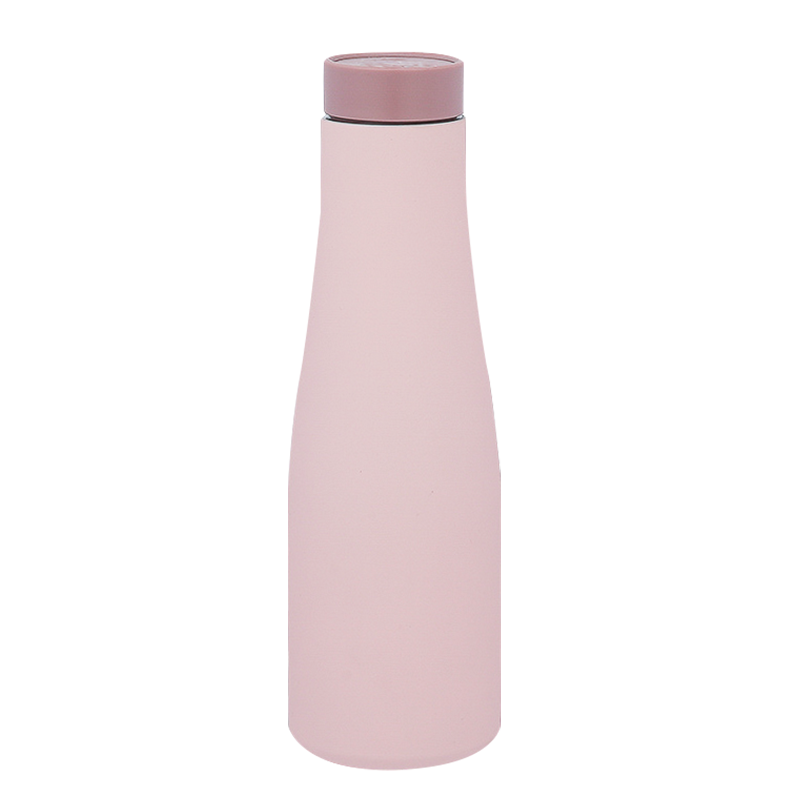
External finishes deserve attention at the same stage. A pale surface, printed pattern or decorative coating may gradually change when exposed to repeated heat, strong water movement or cleaning agents. A cup that remains structurally sound may still show visible wear from unsuitable washing habits.
For anyone using a mug frequently, checking construction and care instructions before choosing a cleaning routine can prevent avoidable problems.
Appearance is an important part of many Cute Insulated Coffee Mugs, especially when color, patterns or printed details form part of the design. Decorative surfaces may need different care from the inner drinking area.
Dishwasher cleaning combines heat, water movement and cleaning agents. Repeated exposure can affect some exterior finishes, causing colors or decorative details to change gradually. Scrubbing with rough materials may create similar problems during hand washing.
A gentle approach can help preserve the outer surface:
Care becomes particularly relevant for mugs with pastel colors or detailed designs, where surface changes may be easier to notice.
A dishwasher‑safe label should still be followed carefully. Suitable machine washing does not necessarily mean every available cycle is appropriate. Placement, heat and drying settings can all influence how a decorative surface ages.
Hand washing offers a straightforward method for mugs that require gentler care or lack clear dishwasher instructions. Warm water, mild dish soap and a soft cleaning tool are usually enough for ordinary coffee residue.
Start by emptying the mug and separating removable parts. Rinse away loose residue before applying soap, since dried coffee or milk residue can become harder to remove once it remains on a surface for a long period.
A soft sponge works well for broad interior areas. A bottle brush can reach deeper sections without requiring excessive pressure, particularly in taller cups.
Pay attention to the areas around the rim and base, where drink residue may collect during daily use. A narrow brush can help clean parts that are difficult to reach with a sponge.
For exterior decoration, lighter pressure is preferable. Aggressive scrubbing may remove or dull decorative details over time.
After washing, rinse the cup thoroughly. Soap left behind can affect the smell or taste of later drinks, while trapped moisture around a lid can contribute to stale odors.
For regular use, a simple sequence works well:
Empty → Rinse → Wash → Rinse Again → Dry
Keeping the routine consistent is generally easier than waiting until heavy residue has accumulated.
A clean cup can still develop unpleasant odors when moisture remains trapped inside a closed lid. Sealing areas, threads and narrow openings are easy to overlook because they are less visible during ordinary washing.
Whenever the design allows it, removable lid parts should be separated before cleaning. Each piece can then be rinsed and brushed individually, giving water and cleaning tools better access to hidden areas.
After washing, leave the cup open so air can circulate inside. Place the lid and smaller parts separately rather than assembling everything while damp.
Drying deserves attention around sealing areas because small amounts of water can remain hidden after surface drying. A soft cloth can remove visible moisture, while natural air drying allows less accessible areas to dry gradually.
For daily maintenance, avoid storing a mug with the lid tightly closed while moisture remains inside. A short drying period can help keep the interior fresher between uses.
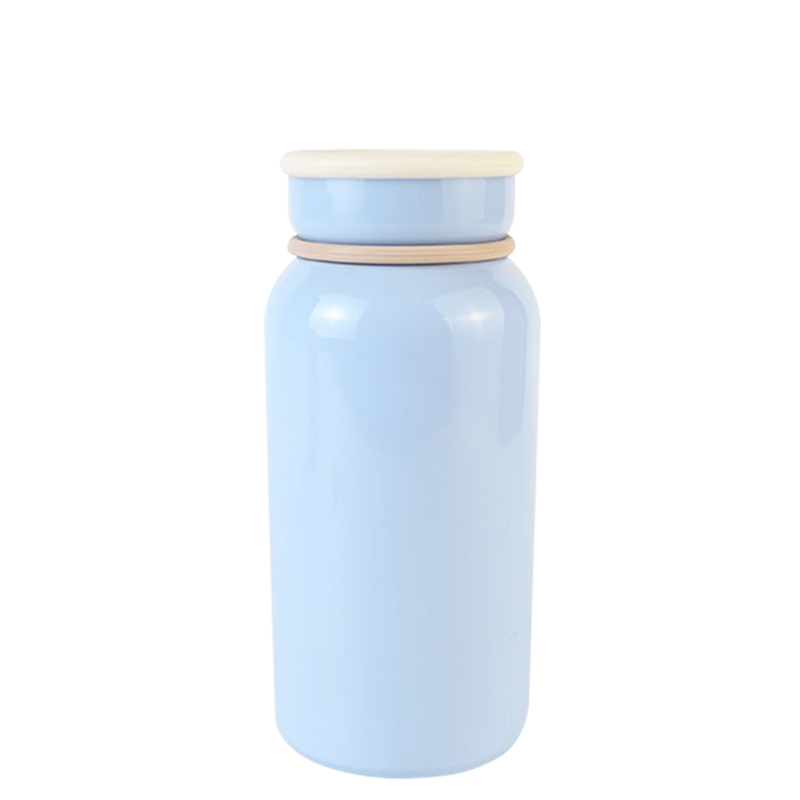
Hand washing becomes a practical choice when a mug has no clear dishwasher instructions. It can also be suitable for cups with decorative finishes, complex lids or insulation that requires more careful handling.
Warm soapy water is enough for many everyday cleaning tasks. A soft sponge can handle broad surfaces, while a bottle brush can reach narrow or deeper areas without placing excessive pressure on the cup.
Hand washing also gives better control over contact with decorative surfaces. Instead of exposing the entire mug to a long machine cycle, each area can be cleaned according to its condition.
A gentle routine is especially useful when:
Choosing hand washing in uncertain situations does not require complicated equipment. Warm water, mild soap and a suitable brush can handle ordinary coffee residue while giving the user more control over the cleaning process.
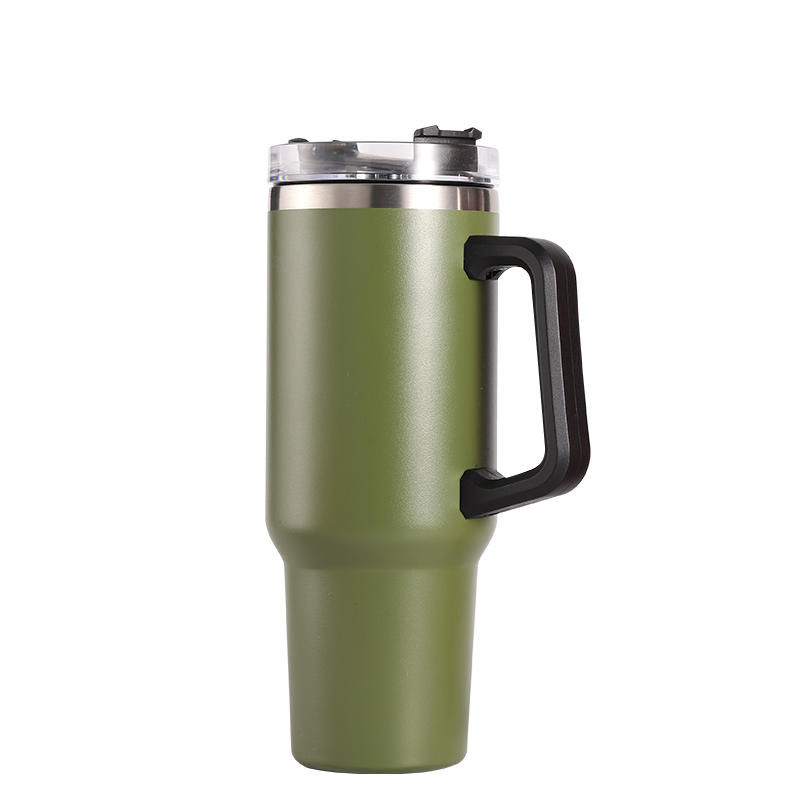
A custom thermos tumbler can share many cleaning needs with other insulated drinkware, although customized colors, patterns or surface finishes may require additional care. A decorated exterior should not be assumed to tolerate every cleaning method simply because the cup itself appears durable.
Checking the specific care instructions remains important. Customization can involve an exterior finish that reacts differently to heat, repeated washing or abrasive contact. For that reason, appearance alone cannot determine whether machine cleaning is suitable.
The lid deserves separate attention. Coffee, sweet drinks and other beverages can leave residue around threads, openings and sealing areas. Removing washable components, where the design permits, makes hidden sections easier to reach.
For hand cleaning, a practical routine can be kept simple:
Exterior decoration should receive lighter treatment than areas where drink residue collects. Rough pads or forceful scrubbing can gradually affect printed details or surface finishes.
A custom thermos tumbler should therefore be cleaned according to its actual construction and care instructions rather than treated as a standard cup based only on its appearance.
Cleaning choice can be made by looking at the mug's construction, care instructions and condition. A dishwasher‑safe cup can be machine washed under the stated conditions, while a mug marked for hand washing should stay out of the dishwasher.
| Mug Condition | Suitable Cleaning Approach | Main Care Point |
|---|---|---|
| Dishwasher approved | Top rack washing | Keep away from heating areas |
| Vacuum insulated mug | Hand washing when required | Protect the insulation structure |
| Decorative surface | Gentle hand washing | Reduce surface wear |
| Removable lid parts | Separate cleaning | Reach hidden areas |
| Custom thermos tumbler | Check specific care instructions | Protect customized finishes |
For a mug with clear dishwasher instructions, following the permitted rack position and avoiding unsuitable heat settings can reduce unnecessary stress on the cup.
For a mug without clear guidance, hand washing offers more control. Warm water, mild soap and a soft brush can remove ordinary drink residue without relying on a heated machine cycle.
Regular cleaning also becomes easier when residue is not allowed to remain for long periods. Coffee, milk, sugar and other drink ingredients can collect around the lid or inner surface, making later cleaning more difficult.
A sensible routine comes down to matching cleaning method, insulation structure, exterior finish and lid design. Such an approach allows Cute Insulated Coffee Mugs to remain practical for everyday use while reducing avoidable wear from unsuitable cleaning habits.
Your email address will not be published. Required fields are marked *
* Your email is safe with us, we don't spam.

Our company's products include vacuum flasks, beer mugs, coffee mugs, car tumbler, fire stove and tensile parts, etc.
Phone: +86-13566758039
Tel: +86-0579-87171178
Fax: +86-0579-87171178
E-mail: [email protected]
Add: No.29, Qiaodong Road, Qiaotouzhou Village, Longshan Town, Yongkang, Jinhua, Zhejiang, China.
Copyright © 2026 Yongkang Aijun Industry & Trade Co., Ltd.



 English
 中文简体
中文简体 日本語
日本語 Français
 Español