+86-13566758039


Many people assume that because stainless steel is named "stainless," it will never rust.
In reality, however, after some time, yellow-brown spots, rust marks, or even localized corrosion may appear on the surface of stainless steel cups.
Naturally, the immediate reaction for many is: "Is the cup of poor quality?"
Actually, that isn't necessarily the case.
Stainless steel is not a material that is "absolutely immune to rust"; rather, it is a type of steel with strong corrosion resistance. If the usage environment, cleaning methods, or storage practices are improper, even high-quality stainless steel can rust.
Stainless steel owes its strong corrosion resistance primarily to a very thin passivation film that forms on its surface.
This film acts as a protective barrier, minimizing direct contact between the steel and elements like air, moisture, and other substances, thereby enhancing its resistance to corrosion.
However, this protective film is not invincible.
If stainless steel is exposed for long periods to salt, acidic substances, or highly corrosive cleaning agents—or if the surface is scratched or contaminated—the passivation film can be compromised. At that point, localized oxidation and corrosion may occur, eventually manifesting as the "rust" we see.
In short, stainless steel isn't incapable of rusting; it is simply much less prone to rusting than ordinary steel.
1. Storing salty beverages for long periods
Salt is a key factor affecting the corrosion resistance of stainless steel.
Storing liquids like saltwater, soup, or salty drinks in a stainless steel cup for extended periods without washing it can increase the risk of localized corrosion.
You need to be especially careful with areas where liquid and residue tend to accumulate, such as the rim, the bottom, and welded joints.
2. Storing acidic beverages for long periods
Beverages such as coffee, fruit juice, and carbonated drinks are acidic.
Short-term use is generally fine, but storing these drinks for a long time without promptly cleaning the cup afterward can increase the likelihood of corrosion on the cup body.
Therefore, it is not recommended to use stainless steel cups for long-term storage.
3. Scrubbing vigorously with steel wool
When people see stains on a cup, their immediate reaction is often to scrub it hard with steel wool.
However, this cleaning method can scratch the stainless steel surface.
Surface scratches not only affect the cup's appearance but can also damage the protective layer, making it easier for stains and corrosive substances to adhere.
When cleaning stainless steel cups, it is recommended to use a soft sponge or cloth rather than repeatedly scrubbing with steel wool.
4. Using highly corrosive cleaning agents
Not all cleaning agents are suitable for stainless steel.
Improper use of cleaning products that are highly acidic, highly alkaline, or contain high levels of chlorine can damage the stainless steel surface.
Opting for a gentle cleaning method is generally safer when washing stainless steel cups.
5. Leaving the cup wet after washing
Many people simply leave their cups to air-dry after washing.
Doing this occasionally is fine, but if a cup remains in a damp environment—especially if water accumulates for long periods at the bottom, rim, or in crevices—it increases the risk of water stains, spots, or even corrosion.
Therefore, keeping the cup dry after washing is an important way to extend its lifespan.
Not necessarily.
Yellow, brown, or black spots on the surface of a stainless steel cup do not always indicate severe corrosion of the stainless steel itself; they could be caused by contamination from iron particles, tea or coffee stains, limescale, or other deposits.
For example, if the stainless steel surface comes into contact with iron filings or dust from ordinary iron tools during production, processing, or transport, those iron particles may oxidize first, eventually forming "rust-like" spots on the cup's surface.
In such cases, one cannot simply conclude that the cup's material is substandard just because "rust spots" are visible.
If you notice unusual rust-like marks, you should initially determine whether it is surface contamination or actual corrosion of the material itself.
Many consumers believe:
"304 stainless steel = will never rust."
In reality, this is a common misconception. 304 stainless steel offers strong corrosion resistance, making it a popular choice for food-contact items, kitchenware, and beverage cups.
However, 304 stainless steel is not completely immune to rust.
Corrosion can still occur if the material is exposed to high-salt, high-acid, or high-humidity environments for extended periods, or if it suffers from improper cleaning, mechanical damage, or iron contamination.
Therefore, assessing the quality of a stainless steel cup requires more than just asking, "Will it rust?" One must also consider factors such as the material, manufacturing process, welding quality, surface finish, and the actual usage environment.
It is actually quite simple.
Keep the following tips in mind when using your stainless steel cup:
"Stainless steel" does not mean "never rusts."
It simply means the material offers greater corrosion resistance compared to ordinary steel.
Whether a stainless steel cup remains in good condition over the long term depends not only on its material and manufacturing process but also heavily on how we use it.
So, if you notice a small spot of rust, don't rush to the conclusion that you've bought an inferior product.
Sometimes, the issue isn't the cup's quality, but rather factors like salt, acidic drinks, improper cleaning methods, or prolonged dampness gradually compromising its protective layer.
Choosing the right material and practicing proper usage and cleaning are the keys to ensuring your stainless steel cup remains durable and safe.
Your email address will not be published. Required fields are marked *
* Your email is safe with us, we don't spam.

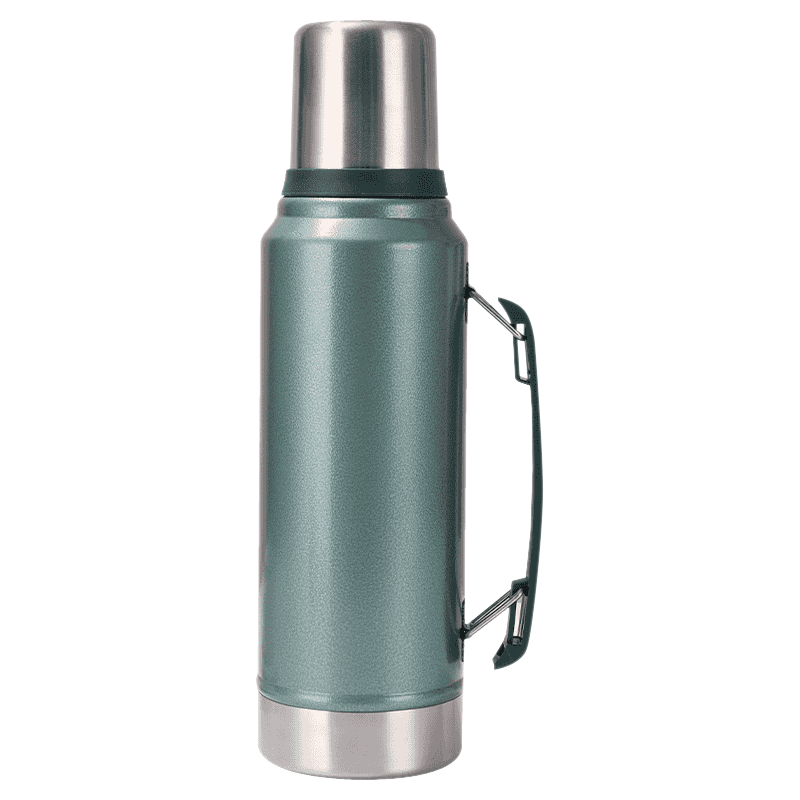
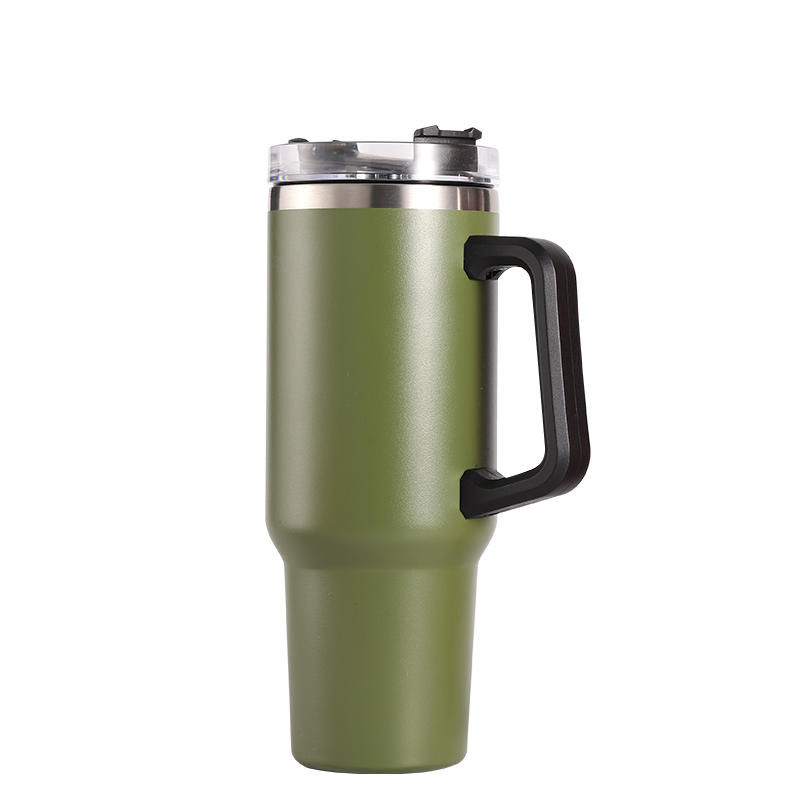
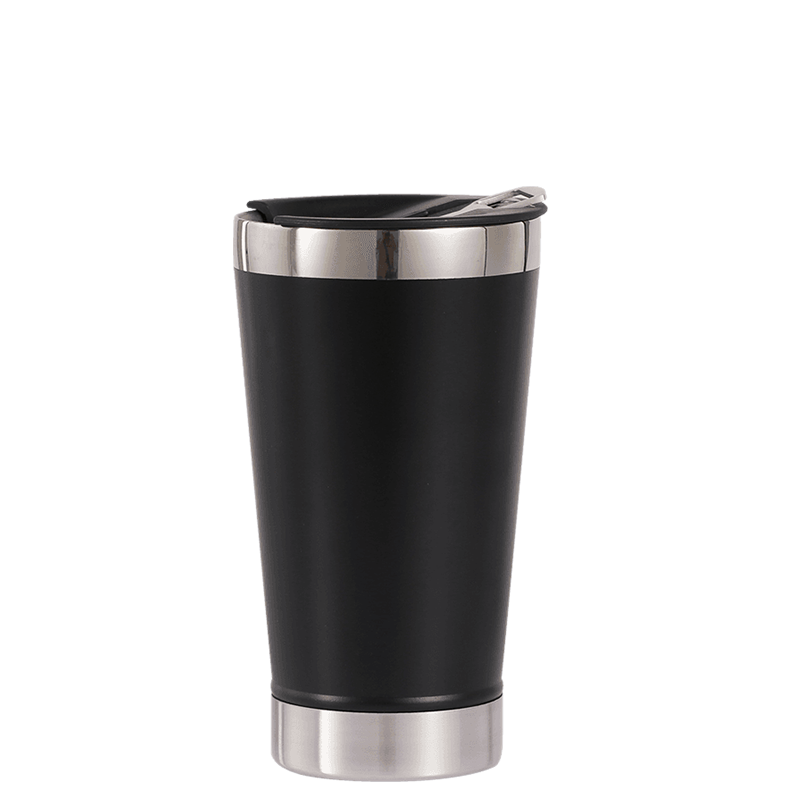
Our company's products include vacuum flasks, beer mugs, coffee mugs, car tumbler, fire stove and tensile parts, etc.
Phone: +86-13566758039
Tel: +86-0579-87171178
Fax: +86-0579-87171178
E-mail: [email protected]
Add: No.29, Qiaodong Road, Qiaotouzhou Village, Longshan Town, Yongkang, Jinhua, Zhejiang, China.
Copyright © 2026 Yongkang Aijun Industry & Trade Co., Ltd.



 English
 中文简体
中文简体 日本語
日本語 Français
 Español