+86-13566758039


Camping and travel place different demands on drinking cups than ordinary home use. A cup may need to move through a backpack, sit beside a camp stove, come into contact with rain or damp ground, and remain easy to clean after use. Weight also becomes more noticeable when several pieces of outdoor equipment are carried together.
Material choice therefore affects more than appearance. It can influence carrying comfort, surface care, heat handling, storage, and long‑term daily use. Titanium has gained attention in outdoor tableware because its combination of low weight and resistance to ordinary outdoor exposure fits several of these needs.
A Titanium Cup can serve as a drinking vessel, a small cooking container, or part of a compact outdoor eating set, depending on its construction. Shape and thickness still matter, so material alone does not determine how a cup performs.
Outdoor use also creates situations that rarely appear in a kitchen. Dust may settle on an exposed surface, moisture can remain around a base, and limited washing facilities may make simple cleaning more useful than decorative finishes.
For such conditions, a practical cup needs to balance several features:
Material selection provides the starting point, while product design determines how those qualities are used.
Weight has a direct effect on outdoor packing. A single cup may not seem significant at home, yet hikers and travelers often carry several small items together. Replacing heavier tableware with lighter pieces can leave more room for other supplies without changing the basic function of a drinking vessel.
A Lightweight Titanium Cup takes advantage of titanium's relatively low density. Designers can create a useful cup structure without relying on a heavy wall. Such construction can make carrying easier during walking trips, cycling journeys, and other activities where equipment stays inside a backpack for long periods.
Lightness also changes how outdoor equipment is organized. A cup can be placed beside cookware, food containers, or other utensils without adding much bulk to the overall kit.
Still, lighter construction requires suitable shaping. A very thin wall may feel different from a thicker household cup, while a reinforced rim can add stiffness around an area that receives frequent contact.
For that reason, lightweight design is not simply a matter of using less material. Product shape, rim structure, base form, and handle arrangement all contribute to how a cup feels during use.
Outdoor equipment regularly encounters moisture. Rain, condensation, wet grass, spilled drinks, and damp storage can all leave water on a cup. A suitable material needs to cope with ordinary exposure without quickly developing surface problems.
Titanium naturally forms a thin protective layer when exposed to air. Such a surface helps the material resist corrosion during everyday contact with moisture. For camping equipment, that property can be useful because storage conditions are not always as controlled as those found in a kitchen.
An Outdoor Titanium Cup may also be used around soil, sand, and other outdoor particles. Surface condition still depends on cleaning and handling, so resistance to corrosion should not be treated as a replacement for care.
Cup design contributes to moisture management as well. A smooth outer surface can be easier to wipe, while a simple base can reduce places where dirt and water collect. Deep grooves or complicated decorative areas may require additional attention after outdoor use.
Storage deserves similar consideration. A cup should be dried before being packed away for an extended period, especially when moisture has collected around the base or inside the rim.
Outdoor cooking often involves hot drinks and heated food, making heat handling an important part of cup design. Titanium can tolerate common outdoor heating conditions, which is one reason the material appears in camping cookware as well as drinking vessels.
A cup intended only for drinking may have different requirements from one designed to sit over a heat source. Product instructions and construction should determine whether direct heating is appropriate.
Heat also changes how a cup feels in the hand. Metal transfers heat differently from many household materials, so a hot drink can make the rim or side uncomfortable to touch. Handles, protective sections, or careful shape design may help separate the hand from a heated surface.
Another point concerns heating speed. Titanium does not distribute heat in exactly the same way as every other metal. A narrow flame or concentrated heat source may affect one area more strongly than another, making controlled heating important during outdoor cooking.
For drinking use, pouring temperature and handling comfort can matter more than cooking performance. A cup designed for both purposes needs to account for both situations rather than assuming that one structure will behave identically under every condition.
Material provides certain physical properties, while shape determines how those properties work in practice. A well‑selected material can still produce an inconvenient cup when the rim, base, wall, or handle is poorly arranged.
A stable base is useful on uneven outdoor surfaces. Camping tables, rocks, wooden platforms, and vehicle surfaces may not provide the same level of stability as a kitchen counter. A broad and well‑shaped base can reduce unwanted movement during normal use.
Rim design also affects drinking comfort. A smooth edge can make contact more natural, while an overly thin or sharp edge may feel unpleasant. Small changes around the upper opening can therefore have a noticeable effect on daily handling.
Handles create another design choice. Some outdoor cups use fixed handles, while others use folding structures to save packing space. Handle position affects balance when a cup contains a hot drink, while folding parts can make storage more compact.
A simple structure may offer practical advantages during travel because fewer recessed areas can mean fewer places for dirt and moisture to remain. Material and geometry should therefore be considered together rather than treated as separate decisions.
| Design Area | Outdoor Concern | Material and Shape Consideration |
|---|---|---|
| Cup wall | Carrying and handling | Weight and suitable thickness |
| Rim | Drinking contact | Smooth and comfortable edge |
| Base | Uneven surfaces | Stable supporting shape |
| Handle | Carrying and heat | Suitable position and grip |
| Inner surface | Food and drink contact | Easy cleaning |
| Outer surface | Dirt and moisture | Simple surface form |
Packing space becomes important during travel because cups rarely travel alone. Cooking tools, food containers, bottles, clothing, and other equipment may share the same bag.
A Lightweight Titanium Cup can fit into compact packing systems through nesting and simple shapes. A cup may hold another small item inside, while folding handles can reduce the space needed around the outer wall.
Nesting works particularly well when several pieces are designed around related shapes. A cup with a simple cylindrical form can occupy less irregular space than a heavily shaped vessel.
Storage also affects cleaning. After washing, a cup needs enough airflow to dry before being placed inside a closed bag. A compact design should therefore remain practical after use rather than focusing only on how it fits during packing.
For travelers moving between campsites, transport stops, and temporary resting places, easy packing can reduce repeated handling. A cup that is simple to remove, use, clean, dry, and store fits naturally into such routines.
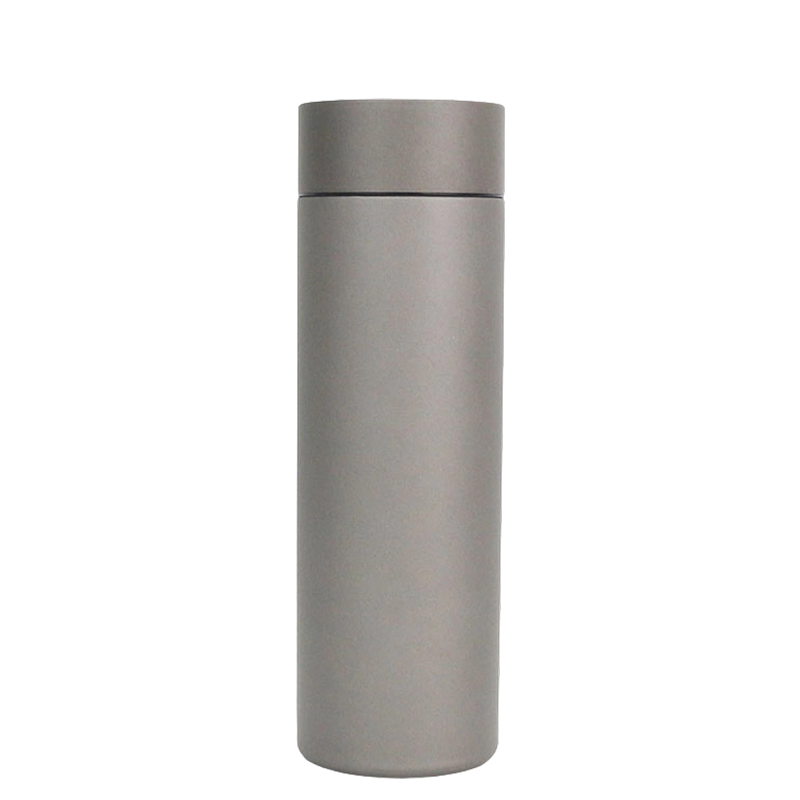
Titanium has useful characteristics for camping and travel, though material selection always involves some compromises. A lightweight cup may feel different from a heavier household vessel, especially when holding a hot drink or placing it on an uneven surface.
Heat transfer also deserves attention. Metal cups can become hot when filled with hot liquids, so handling design matters. A handle, grip area, or suitable rim can make ordinary use more comfortable.
Sound can be another small consideration. A metal cup may create a noticeable sound when placed on hard ground, cookware, or another metal surface. Such behavior does not affect basic function, yet it can influence the experience of using tableware outdoors.
Cost can also vary according to material thickness, forming method, surface treatment, and structural details. A simple cup and a cup with folding parts or additional features may require different manufacturing processes.
A practical choice therefore comes from matching construction with intended use rather than judging material alone.
| Consideration | Possible Benefit | Possible Tradeoff |
|---|---|---|
| Low weight | Easier packing | Different handling feel |
| Metal construction | Suitable for outdoor use | Surface may become hot |
| Simple shape | Easier cleaning | Fewer comfort features |
| Folding handle | Compact storage | Added moving parts |
| Heat tolerance | Useful for hot drinks | Requires careful handling |
Such tradeoffs are normal in outdoor equipment. A product designed for short walks may need different features from one carried during a long camping trip.
A suitable cup depends largely on where and how it will be used. Camping, hiking, road travel, and short outdoor activities place different demands on tableware.
For hiking, weight and packing space may receive more attention because equipment stays inside a backpack. A Lightweight Titanium Cup with a compact structure can fit naturally into such a setup.
For vehicle camping, carrying weight may be less restrictive. Users may instead prefer a larger drinking vessel, a broader base, or a handle that feels comfortable during repeated use.
Short outdoor activities create another situation. A compact cup can be useful for a quick drink without requiring a larger cooking set.
Longer outdoor stays may require a cup that can handle repeated washing, storage, heating, and everyday handling. In such cases, simple construction can reduce the number of parts that need separate care.
| Outdoor Activity | Useful Design Focus |
|---|---|
| Hiking | Light carrying and compact storage |
| Backpack camping | Nesting and simple structure |
| Vehicle camping | Stable base and comfortable handling |
| Short trips | Easy packing and cleaning |
| Extended outdoor stays | Repeated use and maintenance |
Choosing a cup around the actual journey can prevent unnecessary features from taking up space or adding extra handling steps.
Material provides a foundation for outdoor tableware, while design determines how that material behaves during real use. Titanium can support lightweight construction and resistance to ordinary outdoor exposure, while cup geometry affects stability, handling, storage, and cleaning.
A practical Outdoor Titanium Cup therefore involves more than selecting titanium as the raw material. Wall shape, rim design, base structure, handle position, and surface finish all influence the final experience.
For travelers, the relationship can be viewed through a simple chain:
Material → Structure → Handling → Cleaning → Storage → Outdoor Use
Changing one part can affect another. A thinner wall may reduce weight, while a reinforced rim can add stiffness. A folding handle can save packing space, while additional moving parts may require more care. A broad base can improve stability, while a larger base may occupy more room in a packed bag.
Such choices make product design closely connected with the conditions of travel. A Titanium Cup for hiking may focus on compact carrying, while an outdoor cooking cup may need greater attention to heat handling. A cup used around a campsite may place more attention on cleaning and stable placement.
Your email address will not be published. Required fields are marked *
* Your email is safe with us, we don't spam.

Our company's products include vacuum flasks, beer mugs, coffee mugs, car tumbler, fire stove and tensile parts, etc.
Phone: +86-13566758039
Tel: +86-0579-87171178
Fax: +86-0579-87171178
E-mail: [email protected]
Add: No.29, Qiaodong Road, Qiaotouzhou Village, Longshan Town, Yongkang, Jinhua, Zhejiang, China.
Copyright © 2026 Yongkang Aijun Industry & Trade Co., Ltd.



 English
 中文简体
中文简体 日本語
日本語 Français
 Español