+86-13566758039


Every morning, commuters often grab a practical container. A Thermos product, with its heat preservation, leak-proof features, and vehicle compatibility, has become a thoughtful choice for many people's daily commute. With the rise of mobile ordering and increased environmental awareness, people's expectations for these containers have quietly changed—the design no longer focuses solely on heat preservation performance, but also extends to whether the mechanical structure of the lid is easy to operate with one hand, whether the geometry of the bottom of the cup can be adapted to various cup holders, and whether cleaning is convenient. When product details align with real-world driving scenarios, such as maintaining a seal while driving and having components that are easy to disassemble and maintain, both manufacturers and consumers can benefit. This product category has evolved from traditional thermos bottles into products influenced by modern driving habits, mobile ordering models, and changes in vehicle space. Its design considerations now place greater emphasis on practical needs such as cup holder compatibility, grip comfort, and long-term durability. The study further reveals that everyday driving environments and user expectations are profoundly influencing the design direction of material selection, heat insulation technology, and cup lid functions.
Car mugs moved from simple insulated flasks to a category shaped by mobile ordering, reusable culture and cabin design trends. Consumers now expect their mug to work with app-based pickup and drive-thru habits, and automakers are reacting to changing container sizes during interior design conversations. These trends create a design brief for manufacturers: fit common cup holders, limit sloshing while allowing one-hand access, and resist odors or staining under repeated use.
Material selection influences durability, weight and the way a container handles flavor and stains. Many Thermos Car Mug bodies use corrosion-resistant metal for structural strength, with inner surface finishes chosen to reduce taste transfer and simplify cleaning. External coatings provide grip and brand space but require validation for abrasion resistance during repeated handling. For manufacturers, choosing an inner lining or coating involves trading off manufacturing cost, finish longevity and user experience.
Material choice determines thermal conductance, weight, scratch resistance and perceived quality. Stainless steel remains a frequent choice for bodies because it combines durability with straightforward cleaning. Inner surface treatments and coatings influence taste transfer and stain resistance, while external finishes shape grip and scratch visibility. For manufacturers these options trade cost against longevity and post-sale user satisfaction.
| Material / treatment | Typical advantages | Typical tradeoffs |
|---|---|---|
| Stainless steel body with vacuum wall | Durable, low taste transfer, good retention | Higher production cost, heavier feel |
| Powder coat finish | Improved grip, branding surface | Can chip if dropped repeatedly |
| Inner nonstick or enamel lining | Easier cleaning, fewer stains | Potential for abrasion over long use |
Insulation performance in a Thermos Car Mug depends on how the design slows heat transfer when the mug is used in real driving environments. Field conditions vary widely because cabin airflow, sunlight exposure, fill level and lid position all influence temperature changes. Below is a practical, manufacturer-oriented look at the insulation approaches that tend to deliver steady, predictable behavior across these shifting scenarios.
A vacuum layer placed between inner and outer walls reduces conduction and convection, which helps the beverage maintain a steady temperature even when the vehicle interior warms or cools. This technique minimizes direct heat pathways, so performance changes less when the mug is moved between different areas of a car, such as shifting from a cup holder to a door pocket.
Some mugs rely on a simple air gap between the walls instead of a vacuum. This approach provides insulation that is generally steady for brief stops and shorter commutes. Although temperature shifts may occur faster than with a vacuum layer, the design can still deliver a consistent pattern of cooling or warming when tested under similar driving conditions.
Internal coatings that resist residue allow the beverage to contact a smooth surface without significant buildup. Clean, intact surfaces help maintain predictable thermal behavior because deposits inside a mug can affect how heat transfers to the walls. Consistent cleanliness supports consistent performance.
Even strong insulation cannot compensate for an open or poorly fitted lid. Designs with secure closures reduce evaporative heat loss during braking, cornering or cabin movement. In field testing, mugs with well-aligned seals and stable venting patterns maintain their temperature curve more evenly because less heat escapes during sudden motion.
A partially filled mug cools faster due to increased surface interaction between liquid and air. At similar fill levels, mugs using vacuum insulation usually show more predictable behavior, while double-wall designs show mild variation. Advising users to fill the mug to a stable level helps reduce fluctuations caused by sloshing and air exposure.
HVAC airflow, window exposure and interior materials create microclimates inside a car. Insulation approaches that reduce direct heat exchange—such as vacuum walls paired with sealed lids—help keep these influences manageable. Even though cabin temperature can shift, the beverage temperature often follows a more gradual slope when the insulation design limits external influence.
Lid geometry, gasket selection and closure mechanics determine how a mug behaves on bumpy roads. Push-button and flip lids provide quick access but require careful sealing design to prevent accidental opening. Threaded lids tend to be more secure but slower to operate. Seal material—often food-safe elastomers—affects durability, ease of cleaning and odor retention.
| Lid type | Typical user benefit | Consideration for cleaning |
|---|---|---|
| Threaded screw lid | Strong leak resistance | Full disassembly for cleaning |
| Push-button lid | One-hand operation | Moving parts need design for longevity |
| Flip or sip lid | Fast access | Seal interfaces can trap residue |
Cup holder geometry differs widely across vehicles, and this variation influences how a Thermos Car Mug should be engineered for reliable placement during everyday driving. Since center consoles, door pockets and rear-seat holders each have distinct shapes, a single fixed design may not interact smoothly with all interiors. This is why many manufacturers evaluate a broad range of cup holder dimensions before finalizing product specifications.
Variability appears not only in diameter but also in depth, taper angle and the presence of support tabs or flexible grips. Some holders position the mug upright with a narrow opening, while others use a wider opening that allows the mug to shift during turns. A straight-wall mug may sit firmly in one model yet wobble in another because the base fails to align with the holder's profile.
Design adjustments that address this include adding a tapered base so the mug can settle securely in both narrow and wide holders. Another approach is a removable or interchangeable sleeve that changes the base diameter without altering the core body. This option supports users who drive multiple vehicles or move the mug between front and rear seating areas.
Lid height also matters, because a tall or complex lid can interfere with gear selectors or armrests in compact interiors. A low-profile lid design reduces the chance of contact during quick reaches, which improves comfort and reduces distraction. Texture and grip patterns along the body offer additional stability during placement and removal.
Field evaluations show that validating product fit across different vehicle segments reduces user frustration. When designers match base geometry and height proportions to the realities of varied cup holder layouts, the Thermos Car Mug behaves more predictably under acceleration, braking and uneven road surfaces. This design awareness creates a more stable experience and lowers the likelihood of spills caused by unexpected movement.
A mug that is simple to disassemble, with seals that can be removed and rinsed, will remain hygenic longer. Dishwasher compatibility can be a selling point but check how high-heat cycles affect coatings or gaskets. For manufacturers, designing lids that come apart without small, easily lost parts reduces customer service issues and replacement part requests.
| Component | Maintenance note |
|---|---|
| Gasket | Remove for regular cleaning to avoid trapped residue |
| Lid hinge | Rinse frequently to prevent buildup in pivot points |
| Inner wall | Avoid abrasive scrubbers to preserve finishes |
Insulation performance in a Thermos Car Mug interacts closely with how the mug is used during short commutes and longer drives. While the core technology may remain similar, the way each approach behaves can feel different depending on trip length, cabin conditions and user routine.
During short trips, the priority often falls on quick temperature stability rather than extended retention. Users who take brief morning drives tend to fill the mug right before leaving, so the beverage starts at a relatively high or low temperature and remains close to that point for the duration of the commute. In this setting, double-wall constructions with an air gap can deliver a steady experience because the time window is limited and external exposure is mild.
Long drives place different demands on insulation. Cabin conditions shift over time as sunlight angles change, ventilation cycles adjust and the mug is repeatedly handled. Vacuum insulation generally maintains a steadier temperature pattern during these extended periods because it reduces the influence of gradual ambient changes. Users on lengthy road segments often pause at rest areas or move the mug between holders, and a stable insulating layer reduces fluctuations caused by this movement.
The fill level is a factor. For short trips, partial fills may not result in considerable temperature swings due to brief exposure time. On longer drives, however, a partially filled mug may cool or warm faster as the beverage interacts with the air inside. Approaches that limit conductive pathways help reduce this effect, making temperature shifts more predictable.
Lid design influences both scenarios. Secure closures limit heat loss during sudden stops or acceleration, which is useful in city traffic. Over extended travel, a well-sealed lid helps preserve the beverage's condition as the day progresses, especially when the mug is moved between sunlit and shaded areas.
In daily use, these differences shape how users perceive insulation quality. Short-trip users may prioritize convenience and quick access, while long-distance drivers often look for steady performance across changing environments. Aligning insulation approaches with real driving patterns creates a more consistent ownership experience, regardless of the trip duration.
Lid design affects how a Thermos Car Mug performs during real driving, where movement, vibration and quick handling are common. Prioritizing certain lid features supports stability, comfort and predictable use while the vehicle is in motion.
Road conditions can shift quickly as drivers brake, accelerate or navigate uneven surfaces. A lid with a firm closure lowers the chance of unintended leaks during these changes. Designs that keep the drinking port sealed when not in use help the mug remain dependable when placed in cup holders that vary in angle or depth.
Drivers often reach for their mug with one hand while the other remains on the wheel. Lids built with smooth, single-motion mechanisms support this routine without requiring complex steps. Flip caps, rotating covers or push-to-open valves can streamline access during brief pauses at stoplights or in slow traffic.
Wide or irregular openings may cause uneven flow when the car moves. A more controlled outlet reduces the sensation of sudden surges, which can occur during turns or when the mug tilts slightly. Consistent flow supports a calmer experience and helps prevent minor spills inside the cabin.
Warm beverages generate internal steam that can affect lid behavior. Vents positioned to release small amounts of pressure help maintain predictable flow when sipping. Balanced venting also minimizes gurgling or sudden bursts of heat, especially when the mug is lifted after sitting in a warm cabin.
Road use often involves refilling the mug at service stations or office kitchens. Lids that separate into a few easy-to-rinse parts support quick cleaning without requiring tools or extended drying time. This reduces the risk of residue buildup that can affect taste or odor.
A lid with light texture or contouring offers better control when lifting or closing the mug during vehicle movement. This feature becomes especially helpful when the lid is damp from condensation or when the user is wearing gloves in cooler conditions.
The height and shape of a lid influence how easily the mug fits under armrests or near controls. Low-profile designs reduce the chance of contact with shifters, storage covers or console buttons, which helps keep the mug secure throughout the ride.
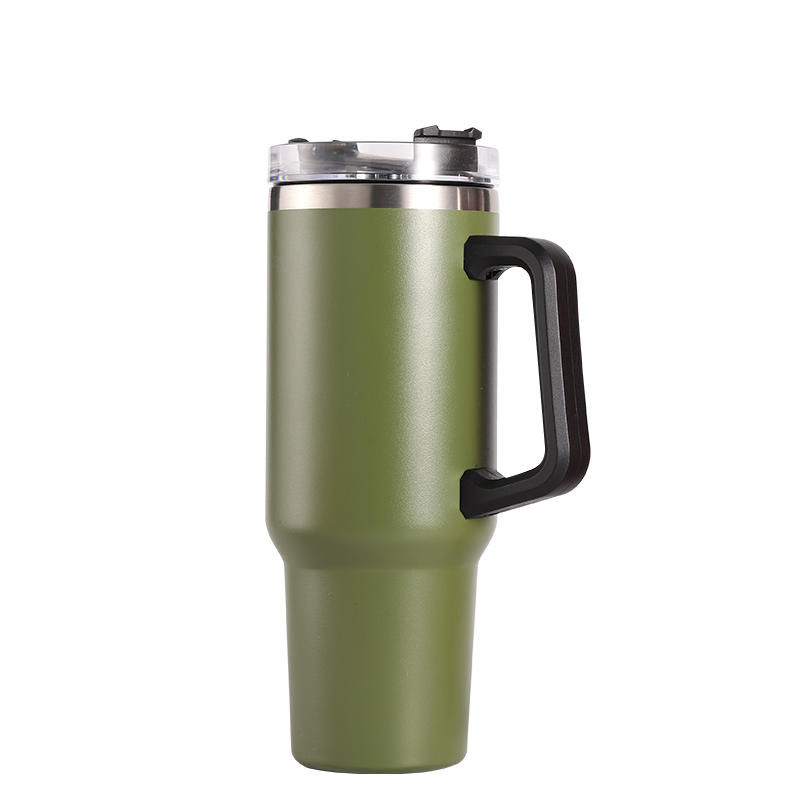
Cup holder dimensions and center console layouts vary across vehicles, and a Thermos Car Mug that fits a wide range of consoles reduces returns. Tapered bases or removable adapter sleeves increase compatibility. Ergonomic features like a low-profile lid, one-handed release and tactile cues for lid state support safer interaction, though any action that distracts the driver should be minimized by design.
Cleaning routines shape how a Thermos Car Mug performs across months of daily use. When upkeep is simple and predictable, users tend to rely on the mug more often and feel more comfortable bringing it into different environments such as vehicles, offices and outdoor areas. Over time, these small interactions influence long-term ownership in meaningful ways.
Beverages with oils, sugars or fine particles can leave thin layers along the interior walls. Smooth, durable surfaces make these traces easier to rinse away, which helps the mug maintain a pleasant appearance through repeated use. When the interior stays clear after a quick wash, the mug remains ready for different drinks without noticeable carryover.
Lid structure plays a significant role in overall upkeep
Lids with complex internal channels may take longer to clean, especially when users are traveling or working. When parts separate with a few simple motions, regular maintenance becomes manageable even during short breaks. A design that allows thorough rinsing reduces the chance of lingering scents or buildup in hidden areas.
Scratches, dents and surface wear can accumulate during daily commutes. Materials that resist scuffing help maintain the mug's appearance, especially when it interacts with cup holders, bags or outdoor surfaces. A consistent exterior look supports a positive ownership experience as the mug continues to feel dependable across varied conditions.
Scents from strong beverages may stay inside the mug if maintenance is inconsistent. Designs with coatings that release odors quickly after rinsing offer users more flexibility when switching between drinks. This versatility becomes important over extended ownership as users change routines, seasons and preferences.
Residue on internal surfaces can influence how heat transfers within the mug. Keeping the interior clean helps the insulation perform as expected, which improves the sense of reliability during travel. Over longer periods, this stability becomes part of how users evaluate the mug's overall value.
A mug that dries quickly after washing reduces the risk of moisture remaining in tight areas. This supports material longevity and makes the mug easier to store between uses. Simple drying routines also fit well into busy schedules, which strengthens daily adoption.
Across daily commutes, extended road trips and workplace use, the combined effect of cleaning ease and consistent maintenance shapes how the Thermos Car Mug fits into long-term ownership. These routines influence comfort, reliability and user confidence, making upkeep an important aspect of the overall experience.
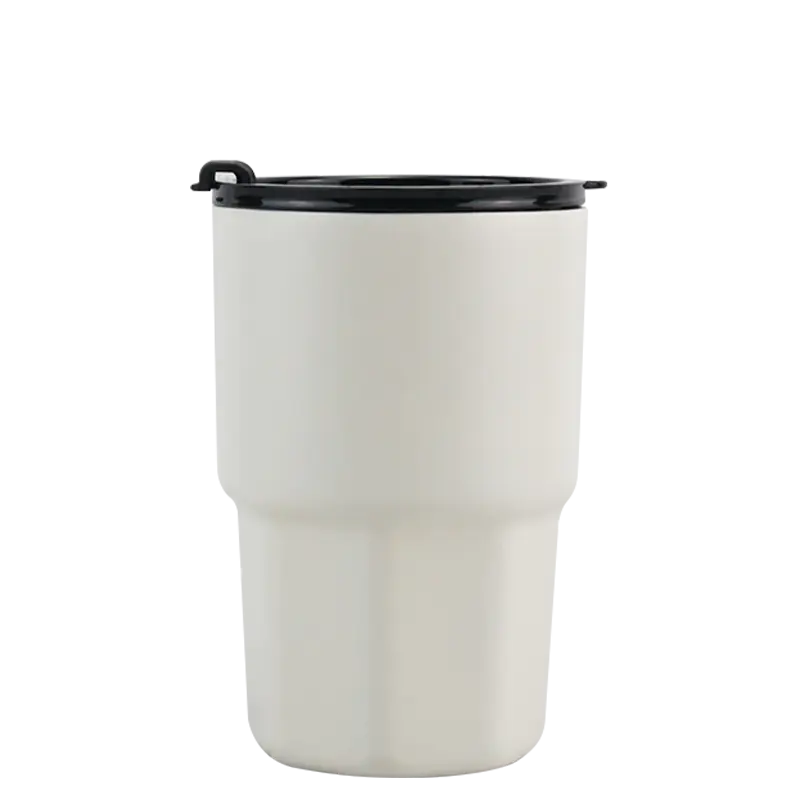
Users approach a Thermos Car Mug with routines shaped by driving habits, beverage preferences and daily schedules. These differences influence which configurations deliver a comfortable, predictable experience. Identifying these profiles helps guide design choices that support a wide range of real-world conditions.
Daily commuters often benefit from streamlined access
Commuters who travel short distances usually want quick handling. They may prioritize lids that open with a single motion, moderate insulation suited for routine morning or afternoon trips, and shapes that fit securely in standard center-console holders. Lightweight builds can also improve comfort when the mug is frequently lifted during stop-and-go traffic.
Long-distance travelers look for steady performance across changing environments
Users who combine driving with activities such as hiking or field work often place the mug in backpack pockets or uneven surfaces. They tend to prefer durable materials, textured exteriors and lids with simplified internal structures that rinse easily at campsites or outdoor sinks. Wider openings support fast cleaning after beverages that leave residue.
Some users shift between their vehicle and workplace throughout the day. They often choose configurations with stable insulation for gradual temperature decline, detachable lids for thorough cleaning, and shapes that work in both automotive holders and desk surfaces. A balanced height may prevent contact with armrests, laptops or bags when transitioning between spaces.
Individuals who alternate between coffee, tea, infused water or nutrition drinks often want interior coatings that resist odor and residue. Configurations with smooth internal walls and minimal seams help prevent carryover. This profile benefits from lids that separate easily for rinsing, especially when flavor changes are frequent.
Small cabins, narrow cup holders and closely positioned controls influence mug selection. Shorter lids, tapered bases and controlled spout placement support comfort in this setting. A design that avoids interference with gear selectors or console covers helps ensure smooth daily use.
Components that, if they fail, require full product replacement deserve higher-grade materials and validation. For example, lid threads and inner liners are candidates for more robust construction because their failure often leads to disposal rather than repair. Offering replacement parts for wear items like gaskets extends lifecycle and aligns with sustainability goals.
From material selection and meticulous design of the sealing ring to repeated verification of compatibility with various cup holders, every engineering detail is related to the actual performance of the thermos cup in daily commutes and long-distance travel. Aijunware collaborates closely with its procurement team, precisely aligning prototype design, spare parts planning, and test data with user needs to ensure that the cup lid design, surface treatment process, and adapter selection are tailored to real-world usage scenarios. Through in-depth evaluation of the driving environment, designers and procurement personnel were able to optimize the balance between performance and ease of cleaning. Aijunware products continuously respond to the diverse changes in modern vehicle use—differences in cup holder size, cleaning habits, and travel distance are all taken into account in the design. By integrating factors such as material durability, heat preservation performance, and ergonomic cup lid, its car thermos can be adapted to different driving scenarios, keeping pace with the ever-evolving usage habits of users, and providing practical solutions for users who value practicality. This design philosophy has always revolved around functional adaptation and user needs, and is continuously adjusted according to driving environment and consumer preferences.
Your email address will not be published. Required fields are marked *
* Your email is safe with us, we don't spam.

Our company's products include vacuum flasks, beer mugs, coffee mugs, car tumbler, fire stove and tensile parts, etc.
Phone: +86-13566758039
Tel: +86-0579-87171178
Fax: +86-0579-87171178
E-mail: [email protected]
Add: No.29, Qiaodong Road, Qiaotouzhou Village, Longshan Town, Yongkang, Jinhua, Zhejiang, China.
Copyright © 2026 Yongkang Aijun Industry & Trade Co., Ltd.



 English
 中文简体
中文简体 日本語
日本語 Français
 Español