+86-13566758039


Starting the day with a small yet intentional action can often subtly change the course of the entire day, and developing simple daily habits around hydration can provide just such gentle support. In this process, the Thermos vacuum flask operates quietly and dependably. It keeps drinks at a desired temperature, so individuals can concentrate on their activities instead of regularly refilling.Every morning, many kitchens and bedrooms around the world face similar problems: coffee cools quickly, water soon becomes lukewarm, and disposable water bottles are constantly being thrown away. The advent of Thermos Vacuum Insulated Bottles has changed everything. Their double-walled vacuum insulation design keeps drinks at the ideal temperature and makes them easy to carry, fitting easily into a bag or car cup holder, making them a part of everyday life. Initially, people might simply want to enjoy a hot drink a few hours later, but now, without realizing it, they've become hydration experts and developed healthy drinking habits thanks to it.
A Thermos Vacuum Insulated Bottle is a double-walled stainless steel (or sometimes glass-lined) container with the space between the walls completely emptied of air to form a vacuum. That thin, airless gap is the secret: it dramatically slows down heat movement in all three possible ways—conduction, convection, and radiation—so whatever you put inside stays hot or cold for many hours longer than any regular bottle or mug can manage.
In daily life it matters more than people usually realize until they actually own one. You leave the house with coffee that is still steaming at lunchtime. You fill it with ice water in the morning and still have ice cubes floating in the evening. You avoid constantly buying overpriced drinks while traveling or commuting. You stop using endless disposable cups or plastic bottles that end up in the trash after one use. You always have safe, familiar-tasting water available when tap water in a new place looks questionable. You can bring warm soup to the office without needing a microwave or keep milk cold for a child's lunchbox without an ice pack.
This object combines practical use with quiet satisfaction: it is compact for daily carry, durable against accidental drops, and functions so dependably that many users soon find it has become essential. Whether the day involves traffic jams, long meetings, outdoor activities, or just trying to drink more water, a Thermos Vacuum Insulated Bottle removes one tiny daily frustration and replaces it with reliable comfort.
Heat leaves or enters a drink by a few familiar routes, and a vacuum insulated bottle is designed to block them. Heat travels by direct contact, by moving air, and by radiating energy through space. The vacuum layer between two walls eliminates the air that would carry heat by movement and drastically limits direct contact between inner and outer walls. A reflective inner surface reduces the tiny amount of radiant energy that still crosses. Those three design choices together create a quiet, slow-change environment for whatever is inside, so the drink inside experiences much smaller temperature shifts than it would in a single-walled container.
A few parts matter more than others. The hollowed gap that is evacuated of air is the central character; without air to shuttle heat, conduction and convection are curtailed. The inner and outer walls, when made from dense metal, add a buffer that resists temperature creep and protects the vacuum seal. The stopper and lid complete the system: a tight closure prevents heat exchange and keeps splashes contained. Finally, surface treatments and seals that reflect infrared and block tiny leaks make a practical difference in daily use. Taken together, these elements determine how long a drink remains hospitable to the palate.
Some containers use trapped air or compressible materials to slow heat movement. Air and foam do provide insulation, but they still contain matter that transfers heat, so their performance fades faster than a true vacuum layer. A vacuum bottle creates a near-empty space, cutting the pathways heat would normally use. That difference becomes obvious when you compare the same beverage after a long period: films of insulation slow change, but a vacuum layer slows it more. The practical outcome is less temperature drift and less condensation on the outside when you are holding a cold drink.
How much liquid you plan to carry, how you plan to carry it, and how long you want it to stay at a given temperature are the three core considerations. Small bottles are nimble and idyllic for a quick coffee or a child's snack; medium bottles handle a full workday or gym session without fuss; large containers are a go-to for long outings where refilling is inconvenient. Think about whether you want a bottle that fits a backpack side pocket, a bike cage, or a car cup-holder—shape and height affect daily convenience as much as sheer capacity does. Lifestyle choices—commuting by public transport, walking between meetings, or spending long hours outside—help narrow the choice quickly.
| Feature | Stainless steel inner wall | Glass-lined inner wall |
|---|---|---|
| Durability against drops | Tough and dent-resistant | Fragile under hard impacts |
| Weight and feel | Often lighter and sturdy | Heavier and delicate-feeling |
| Taste and odor neutrality | Maintains a neutral profile with a range of drinks | Extremely neutral, sometimes preferred for delicate brews |
| Ease of cleaning | Scrubs well, resists staining | Clean but needs gentle handling |
| Long-term thermal wear | Holds up well to repeated use | Can chip if treated roughly |
Which one suits you will depend on how you plan to use the bottle. If you travel a lot or expect bangs and scrapes, metal tends to be more forgiving. If you prepare delicate teas and want the purest taste memory, a glass-lined interior can feel like a small luxury.
Conversations about chemicals and food safety are common when people think about reusable containers. Certain plastics have been under scrutiny for their ability to leach chemicals into liquids under heat or long contact. Choosing a bottle with food-grade stainless steel and documented BPA-free plastics for lids and seals reduces exposure concerns that many people prefer to avoid, especially for drinks taken warm or stored for the day. Trusted health sources encourage opting for materials that do not degrade with repeated use and exposure to hot liquids.
Small rituals make a big difference. Warming a bottle with hot water before filling it with another hot drink reduces the initial temperature drop. Chilling a bottle ahead of pouring a cold beverage limits warming from ambient air. Filling to an appropriate level reduces the volume of air inside the bottle that can act as a temperature sink. When you switch beverages across the day, rinse the interior and give the bottle a moment to return to room ambience before adding the new drink. These habits are simple but they influence how consistently the bottle performs.
Coffee and other hot drinks benefit from a tidy pour and prompt sealing; leaving the cap off invites rapid cooling. For cold drinks, adding a block of frozen liquid rather than brittle ice cubes helps avoid quick melting and keeps the inner environment colder for longer. Avoid using carbonated drinks in many screw-top bottles that are not designed for pressure; the fizz can stress seals and create spills. A quick visual and sniff test after a refill helps ensure flavor integrity when you reuse the bottle for a different beverage.
A well-chosen bottle is a travel ally. It reduces waste by letting you refill along the way, and it cushions you against inconsistent access to drinks. Airport and transport security impose limits on carrying filled containers through checkpoints in many places, but empty reusable bottles are often allowed and can be filled after screening, which preserves the convenience without adding supply chain waste. For road trips and outdoor pursuits, a bottle that fits a cup-holder or clips to a bag streamlines movement and reduces the incentive to rely on disposable bottles.
Daily care keeps odors and residues from building up. A rapid rinse after each use and air-drying with the lid off are effective daily routines. For deeper refreshes, simple household aids—bicarbonate, vinegar, or specially made tablets—break down oils and stains. Pay attention to the lid and seal: removable seals can trap residue and should be washed with care. If coffee or tea leaves a stubborn color, an overnight soak with a mild cleaning agent loosens deposits without heavy scrubbing. Check the manufacturer's instructions about dishwasher safety; some finishes and seals prefer hand washing even when the body can tolerate mechanical cycles.
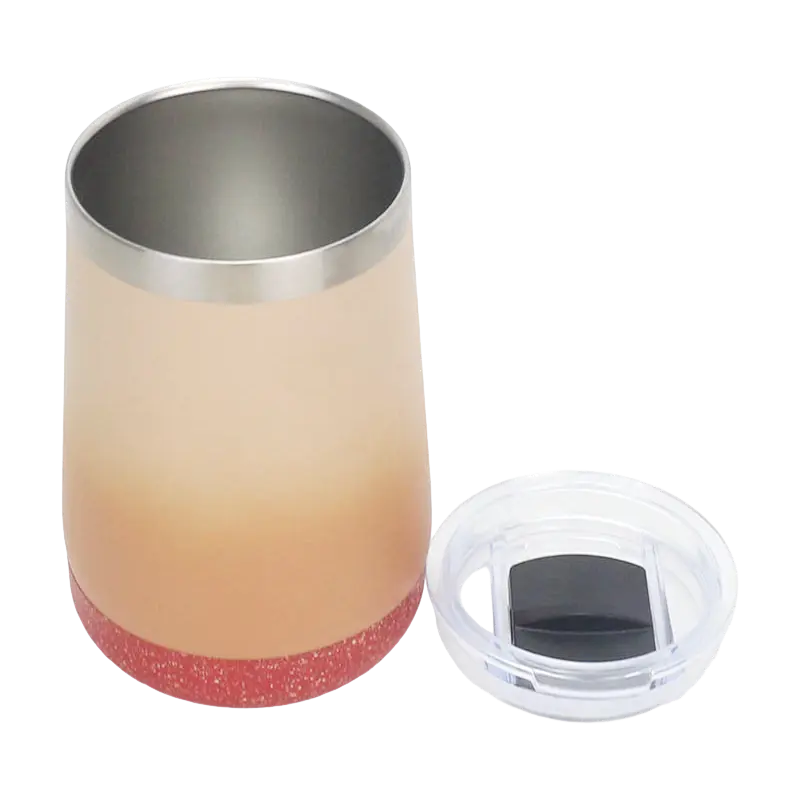
Switching temperatures in a single day is common for many users. The key is to give the bottle a quick refresh between uses: rinse thoroughly, ideally with warm soapy water, then allow it to come to room temperature before adding the opposite-temperature drink. This prevents thermal stress on the inner wall and reduces the chance that residual heat or cold will change the intended profile of the new beverage. If you regularly alternate, having a second bottle for different temperature ranges is a simple, low-effort solution many people adopt.
These vessels are versatile. These containers work well for carrying soup at lunchtime. They maintain temperature reliably, allowing broths to stay safe and palatable for several hours. Folks sometimes carry concentrated infusions that can be diluted later, or use a clean bottle as a makeshift ice pack for a lunch bag by filling it with frozen water. In caregiving situations, a warm bottle can be a portable way to offer comfort. Creativity often reveals uses that were not obvious in a shop display.
As cities and organizers rethink single-use offerings, reusable containers surface as tools that let individuals align daily habits with broader goals. Where policies or temporary measures reduce the presence of disposable bottles at public events, having a reliable reusable bottle removes the tension between needing a drink and producing single-use waste. The renewed attention on refill infrastructure in public spaces is part of why people keep their own bottles handy, offering both convenience and a small personal contribution to collective consumption changes. Le Monde.fr+1
Inspect the design for how it will be used: can the lid be opened with one hand if you need to drink on the move? Does the bottle shape fit common storage spots you rely on? Are seals removable for deep cleaning? Is the outer surface treated so it won't slide from your grip when wet? Consider the implied maintenance before purchase: a bottle that is more pleasant to care for is more likely to stay in your rotation and replace disposables for good.
A reusable bottle can replace a stream of disposable containers, but its environmental value improves if it is used consistently and cared for so it lasts. Durable materials, repairable seals, and brand commitments to replace or repair parts extend the practical life span. Choosing a model that you are comfortable carrying daily increases the odds that it will actually replace single-use items rather than becoming a seldom-used object. Recent narrative shifts around corporate responsibility and public policy keep this topic visible, reminding consumers that individual choices interact with larger systems.
A good practice is to follow manufacturer guidance first. Should specific instructions be unavailable, consider that the main body may tolerate machine washing, whereas lids and seals generally benefit from hand washing. Avoid harsh scrubbing pads on finished exteriors, and never use aggressive chemical solvents that could undermine seals and finishes. For tough lines or odors, a mild soak with a safe cleaning agent followed by a good rinse restores freshness with little risk.
Keep a small glass on your nightstand. When the alarm sounds, drink it before you even sit up. It is a tiny amount, yet it breaks the overnight dry stretch and signals your brain that hydration has begun. After a few days, this becomes instinctive.
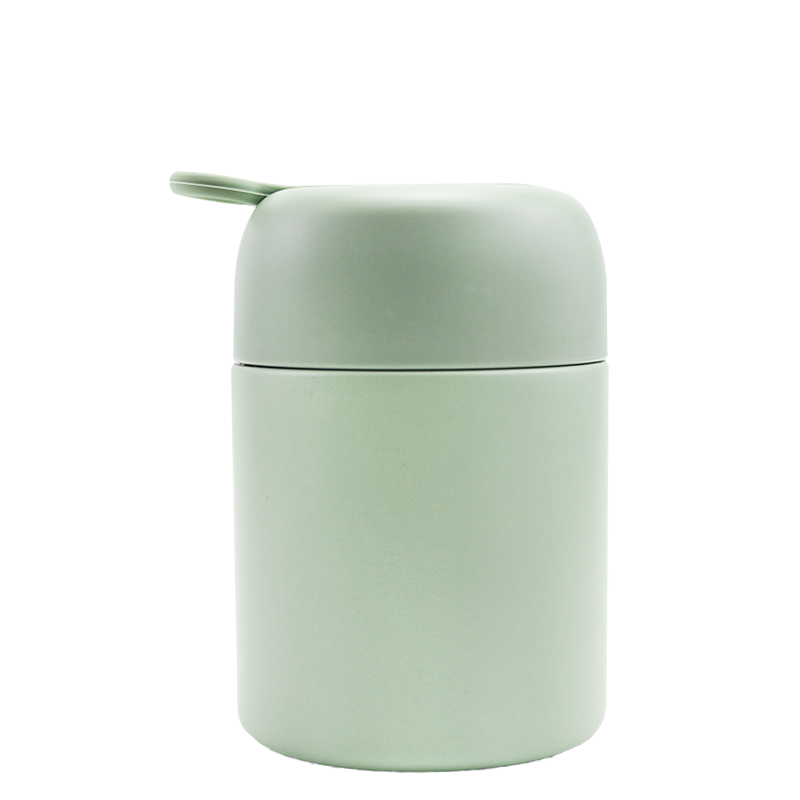
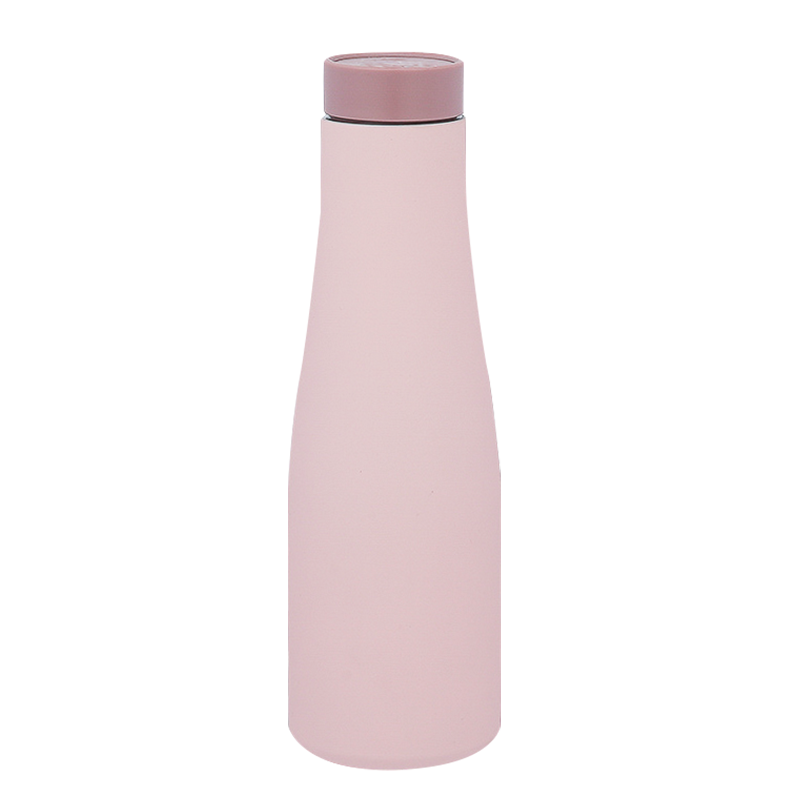
Choose a bottle with a matte finish or a surface that works well with a silicone band. Slide the band from bottom to top each time you empty it. Two slides in a day means you've met your goal. No apps, no numbers—just one quick glance. The physical motion feels satisfying, like checking off a task.
Link a sip to moments already anchored in your routine:
You avoid forcing hydration. Instead, you attach it to habits that never fail.
Keep your Thermos on the counter, lid off, already filled with cold water and something refreshing—lemon, frozen berries, or mint. When it is easier than grabbing a glass and opening the fridge, you will choose it automatically.
Place a bottle or glass within reach:
When water is always visible, sipping becomes an unconscious behavior, much like checking your phone.
Warm water with a little herbal tea in cold months can feel soothing. A fully chilled Thermos in warm weather can feel energizing. Eventually, your brain craves the temperature sensation, and the water follows naturally.
There's no need to abandon coffee or sparkling water. Just choose water for the drink between meals. One gentle rule, no restriction—and suddenly your daily intake rises without effort.
Keep a small paper calendar on the fridge. Every day you complete your bottle "band routine," add a star. After several stars, reward yourself with a small treat—stickers, a book, a snack you enjoy. The streak becomes the motivation; drinking water becomes the gateway to maintaining it.
Once hydration becomes consistent, you wake up naturally thirsty in a pleasant way. That internal cue becomes stronger than alarms or motivational phrases. The environment does the work; the habit deepens itself.
Pick just one of these—maybe the nightstand sip or the silicone band trick. The habit grows when your environment nudges you, not when you push yourself through force. Soon, your Thermos will be empty again, and you will refill it without thinking.
When habits are built on convenience and small feelings of accomplishment, they are easily and naturally sustained. The Thermos Vacuum Insulated Bottle is a practical helper that facilitates the repeated achievement of these small successes. By keeping the steps simple, allowing subtle cues to work their magic, and placing the bottle within easy reach, over time, this behavior becomes effortless and natural, and these small habits silently contribute to a healthier lifestyle. Years later, you'll still find yourself habitually reaching for that Thermos Vacuum Insulated Bottle on your kitchen counter, sliding the silicone ring, and pouring a drink at a familiar, agreeable temperature and taste. The vacuum insulation remains effective for a long time, the stainless steel body is sturdy and durable, and the small habits formed around it require no conscious effort. Before I knew it, the question of " how am I supposed to remember to drink water ? " had turned into the feeling of " how did this become the easiest thing for me to do all day ? " This water bottle silently fulfills its purpose, patiently waiting for the next refill, always ready to provide you with your favorite drink whenever you need it.
Your email address will not be published. Required fields are marked *
* Your email is safe with us, we don't spam.

Our company's products include vacuum flasks, beer mugs, coffee mugs, car tumbler, fire stove and tensile parts, etc.
Phone: +86-13566758039
Tel: +86-0579-87171178
Fax: +86-0579-87171178
E-mail: [email protected]
Add: No.29, Qiaodong Road, Qiaotouzhou Village, Longshan Town, Yongkang, Jinhua, Zhejiang, China.
Copyright © 2026 Yongkang Aijun Industry & Trade Co., Ltd.



 English
 中文简体
中文简体 日本語
日本語 Français
 Español