+86-13566758039


A drinking container faces different conditions when holding a warm beverage or a chilled one. Heat naturally moves between a drink and its surroundings, so a container cannot keep a liquid at its starting temperature indefinitely. An insulated structure slows that movement, giving hot drinks more time to cool and cold drinks more time to warm.
An Insulated Straw Flask uses a separated wall structure to reduce direct heat exchange. A drink sits inside an inner container while an outer surface provides another layer between liquid and surrounding air. Depending on the construction, insulation can also reduce the effect of room temperature on the beverage.
Hot and cold use follow the same basic principle, although heat moves in opposite directions. A warm drink gradually loses heat to a cooler environment, while a cold drink gains heat from warmer surroundings. Insulation slows both processes.
Performance depends on several conditions:
Consequently, a container designed for both temperature ranges needs more than an insulated body. Lid design, drinking access and sealing also influence how well the beverage maintains its original condition.
Insulation works by creating resistance between the beverage and surrounding conditions. Rather than allowing heat to move easily through a single wall, a separated structure slows that transfer.
For a warm beverage, heat gradually travels outward. A suitable insulated wall reduces the speed of that process, allowing the drink to remain warm for longer. Cold beverages follow the reverse direction, with surrounding warmth moving toward the chilled liquid at a slower rate.
Insulation does not freeze a temperature in place. Temperature will continue to change over time, although the change can be slower than with an ordinary single-wall container.
A useful way to view performance is to consider the difference between starting temperature and surrounding temperature. A very warm drink placed in a cool environment has a large temperature difference, while a mildly warm drink faces a smaller difference. Similar behavior occurs with chilled beverages.
Container design therefore works together with the environment. Material selection alone does not determine how long a drink remains hot or cold.
Warm beverages create a different handling situation from chilled drinks. Heat can travel toward the lid and drinking opening, while steam or condensation may appear around certain parts depending on the beverage.
An insulated body can slow heat loss through the main container wall. A properly fitted lid also helps reduce unnecessary exchange around the opening.
Straw use requires additional attention. Drinking through a straw creates a direct path from the liquid toward the mouth, so suitable design and careful handling matter when the beverage is hot.
Warm liquid should be handled carefully during filling, carrying and drinking. A container may remain relatively comfortable around its outer surface while the liquid inside is still hot.
Starting temperature also affects later performance. A freshly heated beverage and a moderately warm beverage do not begin from the same condition, so their temperature changes will naturally differ.
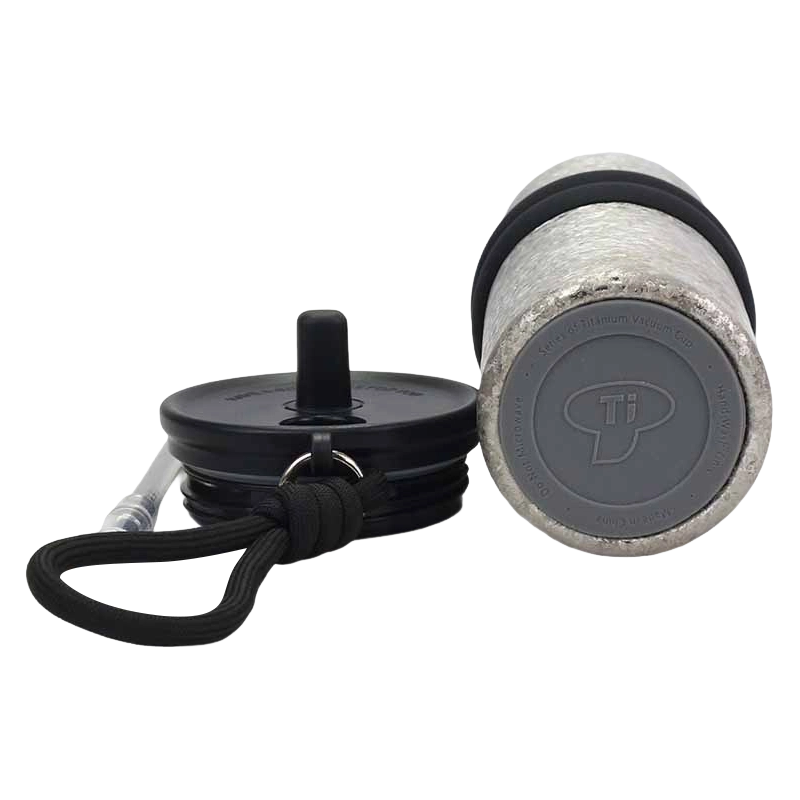
Cold beverages place heat flow in the opposite direction. Surrounding warmth gradually enters the container, causing the liquid temperature to rise.
An insulated wall slows that process, which can help chilled water, juice and other cold beverages remain cool during storage and transport. Starting temperature plays a role here as well.
A beverage taken directly from a cold source begins at a different condition from one that has already spent time outside. Ice can also influence the way a drink behaves because melting ice absorbs heat as it changes state.
Cold use can involve several practical situations:
Cold retention also changes with the surrounding environment. A container exposed to a warm location receives heat from outside more readily than one kept in a cooler setting.
Available product information indicates cold retention of around 16–18 hours, with surrounding temperature and starting beverage temperature affecting actual results.
A straw changes how a drink reaches the user. For cold beverages, such an arrangement can make drinking convenient during movement or outdoor use. Warm beverages require more care because liquid temperature may remain high even when the outer container feels relatively comfortable.
Lid construction also affects temperature retention. Each opening creates an opportunity for heat exchange. Repeated opening and closing can therefore influence how long a drink remains close to its starting temperature.
A well-fitting lid serves several purposes:
Straw placement matters as well. A drinking channel that remains open or poorly sealed can create another route for temperature exchange.
For hot drinks, safe drinking behavior should take priority over convenience. Testing the beverage temperature before drinking can be sensible, especially when a container has been closed for an extended period.
Insulation performance comes from the relationship between several parts rather than a single component. Inner and outer walls, the space between them, the lid and sealing parts all contribute to the overall structure.
A good insulating arrangement reduces direct contact between the liquid and outside surroundings. Material choice can also affect how heat moves through the container wall.
The lid deserves particular attention because the drinking opening creates a potential weak point in an otherwise insulated structure. A well-fitted seal can reduce unwanted heat exchange around that area.
Structural condition matters during everyday use. Damage, deformation or worn sealing parts may change how the container closes and how effectively it separates the beverage from outside conditions.
| Component | Main Role in Hot Drink Use | Main Role in Cold Drink Use |
|---|---|---|
| Inner container | Slows direct heat transfer | Limits heat entering the drink |
| Insulated wall | Reduces heat loss | Slows heat gain |
| Lid | Helps retain warmth | Helps block surrounding warmth |
| Straw | Provides drinking access | Provides convenient drinking access |
| Seal | Limits leakage and air exchange | Limits leakage and air exchange |
Such components work together. A well-insulated body can still experience faster temperature change when the lid remains open for long periods.
Surrounding conditions have a direct relationship with beverage temperature. A hot drink placed in a cold environment loses heat toward its surroundings, while a cold drink placed in a warm environment receives heat from outside.
Insulation slows either process, although environmental exposure still matters.
For instance, a chilled drink carried through a warm outdoor setting faces a different condition from one kept inside a cool room. Likewise, a warm beverage stored in a cool environment will behave differently from one kept in a warmer indoor space.
Keeping time should therefore not be treated as an exact promise for every use condition. Product specifications can provide a reference range, while actual results vary according to the starting beverage temperature, surrounding conditions and handling habits.
Frequent lid opening can also shorten effective retention because each opening allows greater contact with outside air. Keeping the container closed when not drinking helps maintain the insulated environment around the beverage.
Starting temperature has a direct influence on how a beverage changes inside an insulated container. A drink placed inside while very hot begins with a larger difference from a cool surrounding environment, so heat starts moving outward as soon as the container is closed.
A chilled beverage follows the reverse pattern. Warmth from outside gradually moves toward the colder liquid. Starting temperature, surrounding conditions and insulation work together throughout storage.
Such factors explain why stated keeping periods should not be treated as fixed results. A drink filled at a different temperature can reach a different condition after the same storage period.
Filling also matters. A container filled correctly and closed soon afterward has less unnecessary exposure to outside air. Repeated opening during storage creates additional opportunities for heat exchange.
For everyday use, several simple habits can support more stable temperature retention:
A warm beverage and a chilled beverage therefore require different expectations, even when stored in the same insulated container.
Not every beverage behaves in exactly the same way. Water has a relatively simple composition, while tea, coffee, juice and drinks containing small particles can leave different residues around the inner wall, lid or straw.
Warm tea and coffee can remain hot for a period after filling, although repeated drinking gradually introduces outside air into the container. Chilled juice can remain cool while its temperature slowly moves toward surrounding conditions.
Drinks containing ice create another situation. Ice absorbs heat while melting, helping maintain a lower liquid temperature for part of the storage period. Once ice has melted, temperature behavior changes according to the surrounding environment and remaining liquid temperature.
Beverage residue also influences cleaning requirements. Sugary drinks can leave sticky deposits, while milk-based beverages may require more careful cleaning than plain water.
A suitable cleaning routine becomes particularly important when one container is used for different types of drinks. Residue left from one beverage can affect taste or smell during later use.
Insulation around the main body can only work as intended when the lid and opening are properly managed. Every opening creates a pathway through which outside air can enter, allowing heat exchange to occur more quickly.
A straw lid introduces another design consideration because liquid needs to travel through a narrow drinking passage. Sealing around that passage helps reduce leakage and unnecessary exposure.
Regular inspection can focus on a few simple areas:
A worn seal may allow small amounts of liquid to escape and can also affect how well the container remains closed. Dirt around the lid or straw connection can create similar problems.
For warm drinks, a secure lid also helps reduce accidental spills during carrying. For cold beverages, proper sealing helps prevent condensation or leakage from becoming a handling issue.
Choosing a container for hot and cold drinks involves more than checking whether insulation is included. Intended use, beverage type and handling conditions all affect suitability.
For warm beverages, attention can focus on lid security, drinking safety and heat retention. Cold-drink use may place greater emphasis on ice compatibility, condensation control and convenient drinking during movement.
Cleaning should also be part of the decision. A complicated straw structure may require more time to clean, especially when used with beverages that leave residue.
| Consideration | Hot Drink Use | Cold Drink Use |
|---|---|---|
| Insulation | Slows heat loss | Slows heat gain |
| Lid sealing | Helps retain warmth | Helps retain coolness |
| Straw handling | Requires care with warm liquid | Convenient for chilled drinks |
| Cleaning | Important after tea or coffee | Important after juice or sweet drinks |
| Environment | Cool surroundings affect retention | Warm surroundings affect retention |
| Starting temperature | Influences later cooling | Influences later warming |
An Insulated Straw Flask can therefore serve both hot and cold beverage needs when its structure, lid and drinking system are suited to the intended use. Careful handling and regular cleaning also contribute to consistent everyday use.
Your email address will not be published. Required fields are marked *
* Your email is safe with us, we don't spam.

Our company's products include vacuum flasks, beer mugs, coffee mugs, car tumbler, fire stove and tensile parts, etc.
Phone: +86-13566758039
Tel: +86-0579-87171178
Fax: +86-0579-87171178
E-mail: [email protected]
Add: No.29, Qiaodong Road, Qiaotouzhou Village, Longshan Town, Yongkang, Jinhua, Zhejiang, China.
Copyright © 2026 Yongkang Aijun Industry & Trade Co., Ltd.



 English
 中文简体
中文简体 日本語
日本語 Français
 Español