+86-13566758039


Outdoor movement introduces challenges that rarely appear indoors. Walking over uneven ground, placing equipment on rocks or soil, or carrying supplies during travel exposes the bottle to repeated vibration and occasional impact.
A lightweight bottle intended for office use may perform well during ordinary routines, although frequent outdoor movement can place greater stress on both the body and the lid.
Structure becomes important because several parts work together.
Another consideration involves storage. Outdoor equipment is often packed closely together. Contact with metal tools, food containers, clothing, or camping supplies creates constant friction. A stronger outer body generally tolerates repeated contact better than a thin shell designed for light daily handling.
Bottle balance also influences comfort. A shape that feels stable while standing on a table may not feel equally comfortable when carried over longer distances. Rounded edges, grip texture, and body diameter all contribute to handling during active use.
Design choices therefore begin with practical situations instead of appearance alone.
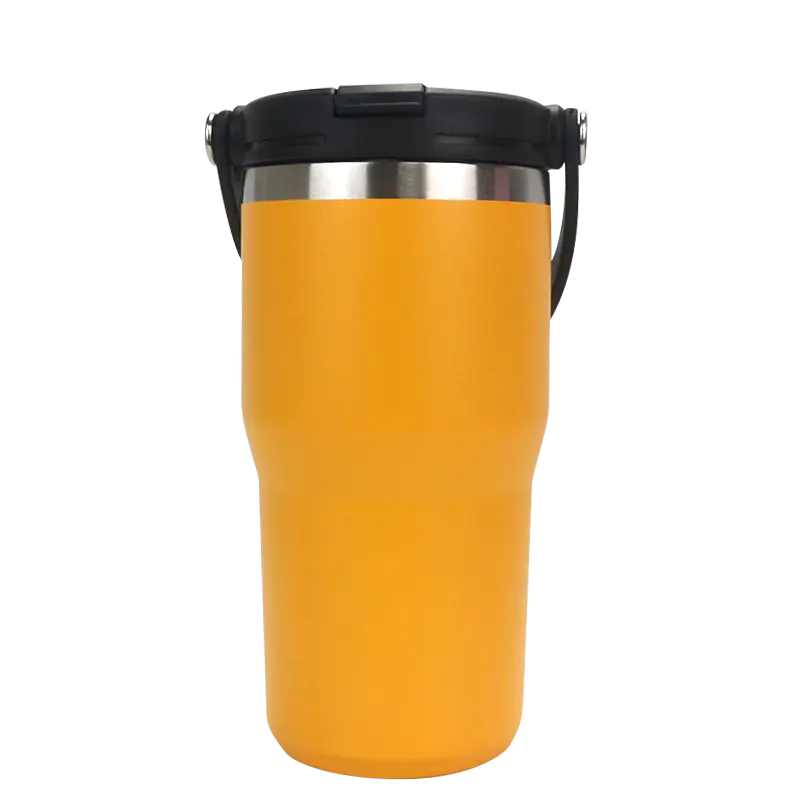
Material selection influences far more than appearance. Weight, durability, surface feel, and long‑term maintenance all begin with the material chosen during manufacturing.
An Outdoor Sports Bottle commonly uses stronger materials because outdoor activities involve repeated carrying, occasional impacts, and continuous movement. Greater wall thickness helps the bottle remain stable after everyday bumps that may occur on trails, at campsites, or during travel.
Regular household bottles often place greater emphasis on light weight and simple portability inside relatively controlled environments. Under ordinary indoor conditions, thinner materials are usually sufficient.
Material differences become noticeable in several situations.
Surface quality also affects everyday use. Small scratches do not always influence bottle performance, although smoother finishes may gradually show signs of wear after continuous outdoor handling.
Another point worth considering is grip. A bottle carried with wet hands or during exercise should remain comfortable to hold without requiring excessive force. Material texture contributes to handling almost as much as the bottle shape itself.
Durability should not be viewed as resistance to impact alone. Long‑term use also involves repeated cleaning, opening, carrying, and storage. Material performance reflects the combination of all those everyday activities rather than one single test.
Opening a bottle while standing still is very different from taking a quick drink during a walk or another outdoor activity. Repeatedly stopping to remove a traditional screw cap may interrupt the rhythm of movement, especially when both hands are occupied.
For that reason, lid design receives considerable attention in outdoor bottle development.
Many outdoor bottles are designed around simple operation rather than complicated mechanisms. Drinking should remain convenient without creating unnecessary steps.
Several design ideas support daily outdoor use.
Leak prevention is equally important. A bottle stored beside clothing, food, or electronic equipment needs dependable sealing while moving through different environments.
Ease of cleaning should not be overlooked either. A lid used every day naturally comes into contact with dust, moisture, and frequent handling. Designs that allow regular cleaning help maintain better daily hygiene over extended use.
Different opening methods suit different habits, although all aim to balance convenience with reliable sealing. Practical use often depends on how naturally the lid fits into everyday outdoor routines.
Outdoor activities often continue longer than ordinary indoor routines. During that time, drink temperature gradually changes as surrounding conditions influence the bottle.
Some bottles include an insulated wall structure that slows heat transfer between the drink and the surrounding air. Such construction does not change the liquid itself, though it helps reduce rapid temperature changes during extended outdoor use.
The difference becomes easier to understand when comparing common bottle structures.
| Bottle Feature | Outdoor Bottle | Regular Bottle |
|---|---|---|
| Wall structure | Built to reduce temperature change | Simple single‑wall design |
| Drink temperature | Stays more stable during outdoor use | Changes more quickly with surroundings |
| Suitable situations | Longer activities and changing weather | Short everyday use |
| Daily maintenance | Similar cleaning routine | Similar cleaning routine |
Temperature retention is not only about comfort. A drink that remains closer to its original condition throughout an activity may encourage regular hydration without requiring frequent replacement.
Design, material, and wall construction work together to create that effect. Even though appearance may remain similar, internal structure often reflects a different purpose.
Carrying a bottle outdoors is different from placing one on an office desk. Walking, climbing, cycling, or moving through a campsite often leaves little opportunity to hold a bottle continuously. A practical carrying system allows water to remain close at hand without becoming an extra burden.
Many outdoor bottles include features that make transportation easier during daily activities.
Examples include:
Such details may appear simple, though they influence everyday use in several ways. A bottle attached to the outside of a backpack can be reached more quickly during a short break. A handle allows the bottle to be picked up easily when changing locations. Attachment points also reduce the need to search through a packed bag whenever a drink is needed.
Weight distribution deserves attention as well. A bottle that remains stable while hanging from outdoor equipment is generally less likely to swing excessively during movement. Shape and balance therefore become part of the carrying experience rather than separate design features.
Storage flexibility adds another advantage. During different activities, a bottle may move between a backpack pocket, a bicycle holder, a travel bag, or a camping table. A practical design adapts to changing situations without requiring extra accessories.
Long periods outdoors often reveal small design details that receive little attention during short indoor use. Comfort usually depends on the combination of several features rather than one noticeable improvement.
Grip is one example. Hands may become wet from rain, washing, or perspiration. A textured surface can make the bottle easier to hold under changing conditions.
Bottle opening also affects daily routines. A wider opening allows water to be added more easily and makes cleaning simpler after regular use. Narrow openings may reduce splashing while drinking, although cleaning may require more attention.
Useful design elements often include:
Surface finish also contributes to long‑term use. Repeated contact with backpacks, outdoor tools, or travel equipment may gradually leave marks. Although such changes are often cosmetic, a durable finish helps maintain a clean appearance through everyday handling.
Maintenance habits remain equally important. Rinsing after use, allowing the bottle to dry before storage, and checking the sealing parts regularly help support reliable performance throughout repeated daily use.
At a quick glance, different bottles may appear similar because each one stores drinking water. Daily use, however, shows that their design priorities are not the same.
An Outdoor Sports Bottle is generally planned around movement. Carrying convenience, secure sealing, impact resistance, and stable temperature all become part of the overall design. A regular bottle often focuses on everyday hydration in places where movement is limited and surrounding conditions remain relatively stable.
Differences become clearer in practical situations.
None of those features changes the basic purpose of carrying water. Instead, they adapt the bottle to environments where ordinary household designs may become less convenient.
Selecting between different bottle types therefore depends more on daily routines than appearance. A design that works well indoors may not always provide the same experience outdoors.
Choosing a bottle becomes easier after daily habits are clearly understood. Different activities create different requirements, so practical use should remain the main consideration.
Several questions help guide the selection process.
Size should also match typical use. A larger bottle may reduce the need for refilling, while a smaller one may feel easier to carry during shorter activities. Balance between capacity and portability often creates a more comfortable experience than choosing either feature alone.
Attention to lid structure is equally worthwhile. A secure closure helps protect clothing and other equipment from accidental leakage. A practical opening method can also simplify drinking during movement.
Cleaning deserves equal consideration. A bottle used frequently outdoors is likely to encounter dust, dirt, or repeated handling. Regular cleaning and complete drying before storage help maintain good everyday condition.
Your email address will not be published. Required fields are marked *
* Your email is safe with us, we don't spam.

Our company's products include vacuum flasks, beer mugs, coffee mugs, car tumbler, fire stove and tensile parts, etc.
Phone: +86-13566758039
Tel: +86-0579-87171178
Fax: +86-0579-87171178
E-mail: [email protected]
Add: No.29, Qiaodong Road, Qiaotouzhou Village, Longshan Town, Yongkang, Jinhua, Zhejiang, China.
Copyright © 2026 Yongkang Aijun Industry & Trade Co., Ltd.



 English
 中文简体
中文简体 日本語
日本語 Français
 Español