+86-13566758039


Keeping water warm or cool often becomes the point people notice when choosing an outdoor bottle. Temperature control certainly has value during hiking, although daily experience on a trail involves many other details that become noticeable after hours of carrying equipment.
A Hiking Thermos Bottle spends much of its time inside a backpack instead of in someone's hand. During that period, carrying comfort, storage position, grip, cleaning, and leak prevention may influence daily use just as much as insulation.
Outdoor routes rarely remain identical throughout a trip. Flat paths, uneven ground, forest trails, and rocky areas all create different movement. A bottle should therefore fit naturally into changing conditions rather than serving only one purpose.
Small design choices often become meaningful after repeated use.
Looking at only one feature sometimes hides how the bottle performs during ordinary outdoor activities. Viewing the whole design creates a clearer picture before making a selection.
Weight influences hiking from the moment a backpack is lifted. Every item contributes to the overall load, making balance more important than appearance alone.
A small bottle may suit short outdoor walks where refill opportunities remain available. Longer routes often encourage larger capacity, although additional water also increases carrying weight.
Choosing between capacity and portability depends on the planned activity rather than one fixed answer.
Material also changes how a bottle feels during daily use.
Stainless steel is commonly chosen for outdoor bottles because it combines durability with practical everyday care. Aluminum offers lower weight, while surface marks may appear more easily after repeated contact with rocks or equipment.
Plastic bottles remain lightweight and allow users to see remaining water more easily. Everyday scratches may gradually appear after extended use, especially when carried beside other gear.
Titanium attracts attention because of its light weight. Outdoor users sometimes consider it for hiking where reducing pack weight becomes an important goal.
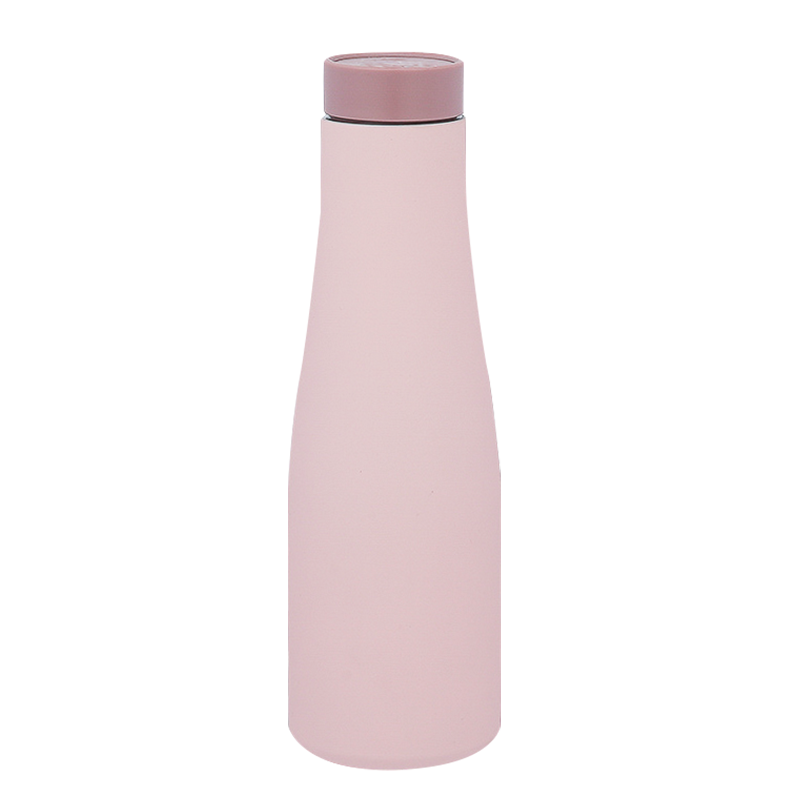
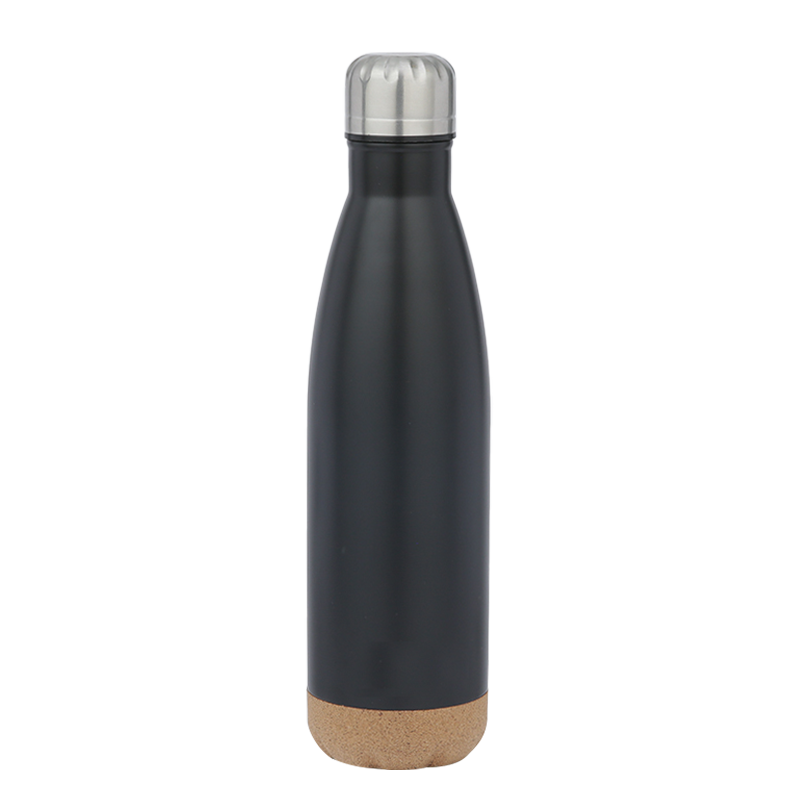
A Outdoor Sports Bottle should not feel unnecessarily heavy once filled with water. Matching material with planned hiking distance often produces a more comfortable result than simply choosing the largest bottle available.
Bottle shape influences daily carrying more than many people expect.
A slim body often slides into backpack side pockets without taking extra room inside the main storage compartment. Easy access encourages regular hydration because removing the bottle becomes quicker during short breaks.
Wider bottles create different advantages.
A larger opening usually makes cleaning easier after returning home. Adding ice or pouring water into the bottle also becomes more convenient because the opening provides additional space.
Shape also affects stability.
A balanced base allows the bottle to stand more securely on flat outdoor surfaces during meal breaks or campsite activities. Although hiking rarely takes place on perfectly level ground, stable placement remains useful whenever possible.
Grip deserves equal attention.
Rounded edges, textured surfaces, or gently curved bodies often feel more comfortable during repeated handling. Holding a bottle while wearing light gloves or after rain may become easier when the exterior provides additional friction.
Bottle design therefore supports several ordinary activities rather than serving only storage.
Opening the bottle may seem simple until it happens dozens of times throughout a day outdoors.
Different lid styles create different routines.
A screw cap remains familiar because of its straightforward structure. Opening requires two hands in many situations, while closing feels secure after tightening properly.
Flip lids allow quicker access during short stops. Some hikers appreciate that convenience when walking frequently between brief resting points.
Push-button designs reduce the number of movements required before drinking. Outdoor conditions vary, so personal preference often determines whether that convenience fits daily habits.
Twist-and-pour stoppers appear on many insulated bottles. Water can be poured without completely removing the stopper, helping reduce exposure of the interior during outdoor use.
Some lids also serve another purpose by becoming small drinking cups. That arrangement may suit people who prefer pouring hot drinks instead of drinking directly from the bottle.
Attachment loops deserve attention as well.
A lid connected to the bottle remains less likely to be misplaced during outdoor breaks.
| Lid Feature | Practical Purpose | Everyday Hiking Benefit |
|---|---|---|
| Screw cap | Secure closing | Reliable transport |
| Flip lid | Faster opening | Convenient short breaks |
| Twist-and-pour | Controlled pouring | Comfortable hot drinks |
| Wide opening | Easier cleaning | Simpler maintenance |
| Attachment loop | Keeps lid connected | Less chance of losing parts |
Choosing a lid often depends more on hiking routine than on appearance.
Many outdoor bottles receive attention because of insulation, while exterior finishing quietly influences daily comfort.
Powder-coated surfaces often provide additional grip compared with smoother finishes. Carrying a bottle after rain or during humid weather may therefore feel more stable.
Textured finishes create another practical benefit.
Small surface texture can reduce slipping when the bottle is picked up repeatedly throughout a hike.
Silicone grip areas sometimes appear around the body or lid. Such additions help improve handling without changing the overall structure.
Cold weather introduces another consideration. Gloves slightly reduce finger movement, making grip more important than during ordinary indoor use.
Exterior details may appear small when viewed individually, although together they influence everyday outdoor handling in a natural way.
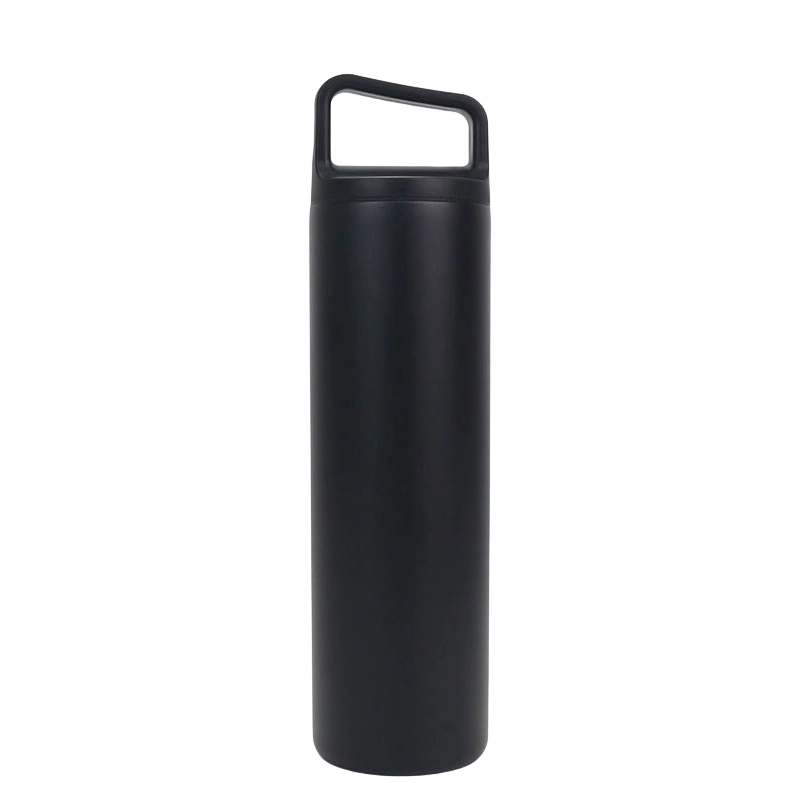
Many outdoor users pay attention to how long a bottle keeps a drink warm or cool, while leakage often becomes noticeable only after water reaches other equipment inside the backpack.
Clothing, notebooks, electronic devices, and food may all share the same storage space. A small amount of escaping liquid can create unnecessary cleaning after the hike has ended.
Reliable sealing usually comes from several small structural details working together rather than one single part.
Common areas worth checking include:
Closing the bottle carefully before placing it into a backpack becomes part of ordinary outdoor preparation. A quick inspection may help avoid unexpected problems later on the trail.
A Outdoor Sports Bottle is often carried in different positions throughout a day. Sometimes it remains upright inside a backpack pocket, while other situations require horizontal storage when space becomes limited. Good sealing supports both carrying methods without adding extra effort during normal use.
Outdoor movement also changes constantly. Climbing, descending, and crossing uneven ground create repeated motion inside the backpack. Secure closure helps the bottle remain dependable during those changes.
Cleaning often receives less attention before purchase, although it becomes part of regular ownership.
A wider opening allows easier access when washing the interior by hand. Reaching the bottom becomes simpler, especially after carrying drinks other than water.
Drying deserves equal attention.
Leaving moisture inside for extended periods may create unwanted odor over time. Allowing the bottle to dry naturally before closing the lid helps maintain a fresher interior between hiking trips.
Simple care habits support everyday use.
Exterior cleaning should also become part of routine care. Dust, soil, or mud collected during hiking can remain around grip areas or cap threads if ignored after returning home.
Regular cleaning requires only a small amount of time, although consistent attention often makes later maintenance easier.
Outdoor equipment works within personal routines rather than following one universal pattern.
Some hikers enjoy short walks close to home, while others carry equipment through changing terrain for extended periods. Drinking habits, backpack arrangement, and cleaning routines naturally influence which bottle design feels more practical.
A Hiking Thermos Bottle should fit comfortably into ordinary outdoor life instead of requiring constant adjustment from the user.
Carrying style also deserves consideration. Some people prefer storing the bottle inside the backpack, while others keep it in an outside pocket for easier access during walking.
Maintenance habits become part of the experience as well. A bottle that is easy to wash, dry, and store often remains more convenient between hiking trips.
A Outdoor Sports Bottle supports outdoor activities through a combination of carrying comfort, thoughtful shape, practical sealing, convenient cleaning, and balanced construction.
Instead of viewing insulation as the only deciding factor, considering the complete design allows outdoor users to choose equipment that matches their own hiking routine more naturally. Everyday handling, transportation, maintenance, and storage all contribute to long-term satisfaction during regular outdoor use.
Your email address will not be published. Required fields are marked *
* Your email is safe with us, we don't spam.

Our company's products include vacuum flasks, beer mugs, coffee mugs, car tumbler, fire stove and tensile parts, etc.
Phone: +86-13566758039
Tel: +86-0579-87171178
Fax: +86-0579-87171178
E-mail: [email protected]
Add: No.29, Qiaodong Road, Qiaotouzhou Village, Longshan Town, Yongkang, Jinhua, Zhejiang, China.
Copyright © 2026 Yongkang Aijun Industry & Trade Co., Ltd.



 English
 中文简体
中文简体 日本語
日本語 Français
 Español