+86-13566758039


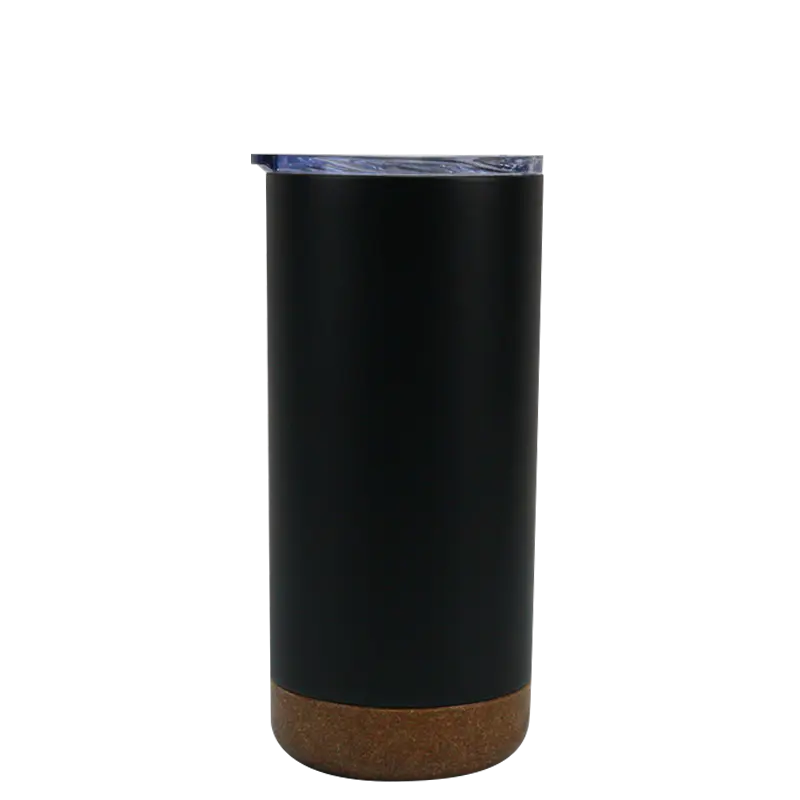
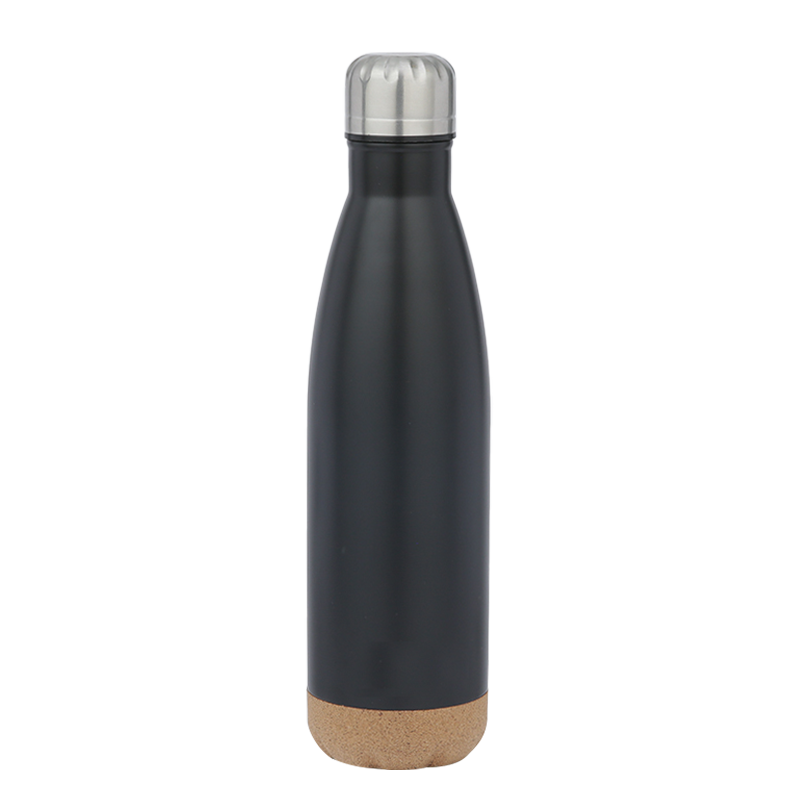
People frequently select ceramic or glass mugs for coffee, tea, or chilled drinks throughout the day, whether at home, in offices, or within cafés. By adding a cork layer beneath the base, the Cork Bottom Mug changes how a cup meets tables and counters, creating softer contact sounds, reducing unwanted sliding, and moderating how heat or moisture reaches the surface. This adjustment leaves the mug’s familiar shape and appearance intact while making everyday placement more considerate of furniture and shared spaces.
Cork becomes part of a mug by attaching a thin disc or ring to the base, or by forming a bonded layer that follows the mug's footprint. The result keeps the mug's appearance familiar while introducing a different interface between ceramic or glass and the surface that holds it. The tactile contrast is immediate: a warm or cold mug set down on wood or stone no longer feels like it is colliding with the table. Designers who work with Aijunware balance visual harmony and utility so that a mug feels cohesive from cup rim to corked base.
A cork disc or ring is attached to the underside so the mug keeps its familiar silhouette while a new interface meets the tabletop. That interface reduces direct contact between ceramic or glass and finishes that are sensitive to heat or moisture. The result is a less intrusive presence on surfaces that homeowners and operators prefer to keep looking cared-for.
When a hot vessel sits directly on a finished surface, heat and water can alter the surface finish or leave visible rings. Cork works as a barrier that slows how quickly heat reaches a table and limits the extent of wet contact. Because cork compresses slightly under weight, it spreads pressure more evenly than a hard ring of bare ceramic. That combination of slowed heat movement and distributed pressure reduces the common marks that can appear around a wet or hot base.
Cork is made of small cells that include trapped air. Those pockets intersect throughout its body, which creates a buffer against rapid heat movement. In practical terms, this means the hot bottom of a cup does not transmit temperature to a tabletop as quickly as a dense, uninsulated base does. For cold drinks, the same buffering can reduce how quickly a ring of moisture forms below a cup.
The textured underside provides friction on smooth or slightly damp surfaces. That grip becomes useful in places where movement is frequent: a shared desk where devices get nudged, a kitchen cart in motion, or a café counter near the sink. The friction reduces unwanted sliding and lowers the chance of accidental spills when a sleeve or elbow brushes a cup.
| Property | Cork base | Ceramic base | Silicone base |
|---|---|---|---|
| Surface interaction | gentle buffer with controlled give | direct, hard contact | soft contact with high tack |
| Behavior with condensation | reduces immediate pooling | can allow pooling at edges | can trap moisture against surface |
| Noise when placed down | muffled impact | pronounced clink | muted thud |
| Visual integration | low-profile, textural contrast | consistent material look | may stand out visually |
| Maintenance approach | wipe and dry | often dishwasher safe | wipeable but can trap debris |
Quiet matters in environments where small sounds shape the feeling of a space: early hours when others rest, shared offices where concentration is prized, and intimate cafés where conversation matters. A muffled set-down preserves atmosphere and can make communal spaces feel less hectic without changing service pace.
Cork needs light care to maintain both function and appearance. Gentle wiping with a soft cloth is usually enough to remove spills. Avoid prolonged soaking and aggressive scrubbing that can break down the cork fiber. If a base becomes very damp, air it flat so moisture can escape. When cleaning a mug, detach the cleaning of the body and the cork base into distinct steps: clean the ceramic or glass portion with normal soap and wash methods, then treat the cork with a mild wipe and dry. With these small adjustments, cork can remain attractive and functional through daily use. If the cork becomes saturated, let it air in a ventilated spot until fully dry before reuse.
| Action | Recommended method |
|---|---|
| Daily wipe | soft cloth, mild soap, dry immediately |
| Deep clean | clean body separately, wipe cork gently |
| Stain attention | blot liquids quickly, avoid rubbing harshly |
| Repair small lifts | reapply food-safe adhesive sparingly |
| Storage | dry, shaded spot to avoid prolonged moisture |
Cork's texture can attract fine particles in some environments, similar to felt or other fibrous materials. The issue is minor and easily managed: a quick wipe or soft brush returns the surface to a clean state. Compared to rubber-like materials that collect lint persistently, cork tends to hold less debris over time when cleaned periodically.
Small design changes influence customer perception. A café with quiet servingware feels settled; patrons notice the ambiance without naming the cause. Cork bottoms reduce the noise of cups on metal trays, wooden counters, or glass tabletops. Operators who care about customer experience choose elements that support calm service, and cork makes a measurable difference in the everyday soundtrack of a venue.
A cork base does not usually change grip at the rim or handle, but the overall feel of the mug in the hand becomes more balanced. Setting a mug down feels softer and feels safer on delicate surfaces. The tactile sensation can make rituals like mid-morning breaks or afternoon pauses feel calmer and more intentional.
The base itself primarily interacts with the surface, not with the hand directly. However, by moderating heat transfer at the bottom, the mug's temperature distribution can feel slightly different when moved or rested in the palm. The change is subtle but contributes to a more comfortable interaction overall.
Sections of cork are cut and shaped to match the mug footprint, then finished to be smooth against the table. Bonding steps focus on secure adhesion so the cork does not separate under routine use. Surface treatments are chosen to resist oils and beverage residues while keeping the feel subtle and tactile.
Cork balances quiet, grip, and a low-profile look. Silicone offers strong grip but can pick up lint and can change visual tone; hard ceramic bases match the mug's material but transfer heat and sound more directly. Cork's combination of slight give and friction makes it a practical middle ground where preserving surfaces and reducing noise are priorities.
Cork is resilient but will wear under heavy abrasion or if it is repeatedly exposed to strong chemicals. Small lifts at edges can be re-adhered; frayed areas can be trimmed and sealed. If the base compresses or loses adhesion in multiple spots, replacement of the cork piece restores function.
Everyday scenarios that benefit from a cork base
| Setting | How cork helps |
|---|---|
| Shared workspace | reduced sliding on laminate or glass |
| Coffee bar | fewer mark complaints on counters |
| Nightstand | quiet placement during late hours |
| Mobile food service cart | stable cup placement during movement |
Furniture finishes vary widely. A detail that reduces rings and marks preserves the intended look of a surface and lowers maintenance. Operators and homeowners alike often prioritize small design choices that reduce daily wear without requiring extra steps in routine use. Choosing a cup that guards the table can postpone repairs and maintain the feel of a room.
Do not expose cork to continual immersion. Avoid aggressive scrubbing with stiff brushes. Do not use cleaners that include harsh solvents which can dry out the material. When drying, ensure the cork is fully moisture-free before stacking or storing to prevent mildew risk.
If a mug will be frequently exposed to heavy oils, continuous immersion, or industrial cleaners, a different base material may offer simpler maintenance. Likewise, if color uniformity across a product family is a priority and texture is unwanted, a body-matched base could be chosen instead. Cork aligns well with applications that prioritize surface care and subtle sound reduction.
Small touches affect habit. A base that stays put, avoids rings, and keeps noise low makes setting a cup down feel less like a risk. When people trust that a mug will not mark a treasured table or create an unexpected racket, handling becomes more relaxed. For brands, attention to that trust supports ongoing user satisfaction.
Examine bonding quality at the seam, feel for evenness across the base, and consider how the cork integrates visually with the mug body. Ask about recommended care and whether the item is intended for dishwasher cycles. A consistent finish and clear care guidance are indicators of a well-considered product.
Manufacturers can use the same cork approach on multiple forms: different cup sizes, serving vessels, or even saucers can share the same base treatment. That helps maintain a coherent tactile language through a range while keeping production efficient. Aijunware has used such consistency to create collections where the user recognizes a shared practical detail.
Cork has been used in many contexts beyond drinkware, and its use in bases, pads, and details reflects a broader interest in warm, low-tech materials that soften interactions between objects and surfaces. As people continue to look for ways to reduce noise, protect furniture, and connect with materials that feel honest, cork will appear in places where tactility and durability matter.
Simple care routines and mindful daily use help mugs with cork bases deliver quieter placement, steadier footing, and thoughtful surface contact across varied settings. As attention shifts toward materials that combine subtle texture with practical benefits in everyday objects, the Cork Bottom Mug offers a restrained approach to fostering smoother interaction between drinkware and the tables or counters found in both personal and shared environments.
Your email address will not be published. Required fields are marked *
* Your email is safe with us, we don't spam.

Our company's products include vacuum flasks, beer mugs, coffee mugs, car tumbler, fire stove and tensile parts, etc.
Phone: +86-13566758039
Tel: +86-0579-87171178
Fax: +86-0579-87171178
E-mail: [email protected]
Add: No.29, Qiaodong Road, Qiaotouzhou Village, Longshan Town, Yongkang, Jinhua, Zhejiang, China.
Copyright © 2026 Yongkang Aijun Industry & Trade Co., Ltd.



 English
 中文简体
中文简体 日本語
日本語 Français
 Español