+86-13566758039


A titanium cup often becomes part of daily routines, holding water, tea, coffee, or light beverages across different moments of the day. Each drink leaves a thin layer behind, even when it is not visible. Over time, these small residues build up inside the cup and around the rim, slowly changing the feeling of freshness during use.
Moisture that stays inside for a long time may also create a mild odor. It does not happen suddenly, instead it develops quietly when cleaning is delayed or incomplete. Even simple drinks like plain water can leave mineral marks depending on usage habits and water conditions.
Regular care helps reduce these changes. A clean surface supports a more neutral drinking experience, especially for people who switch between tea and other beverages during the same day. A Titanium Cup is designed for repeated use, so simple daily attention fits naturally into its purpose.
Not every Titanium Cup behaves the same during cleaning. The shape and inner structure decide how water moves inside and how residue stays after use.
A simple straight-wall cup is usually easier to rinse. Water flows directly from top to bottom, carrying residue out in one movement. Drying also happens quickly when the cup is placed upside down in open air.
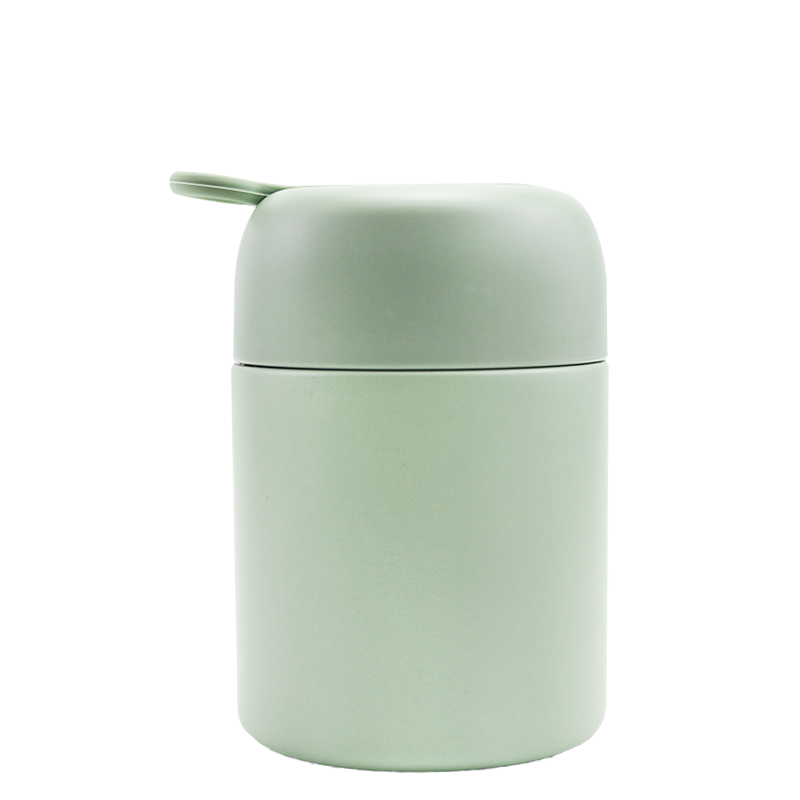
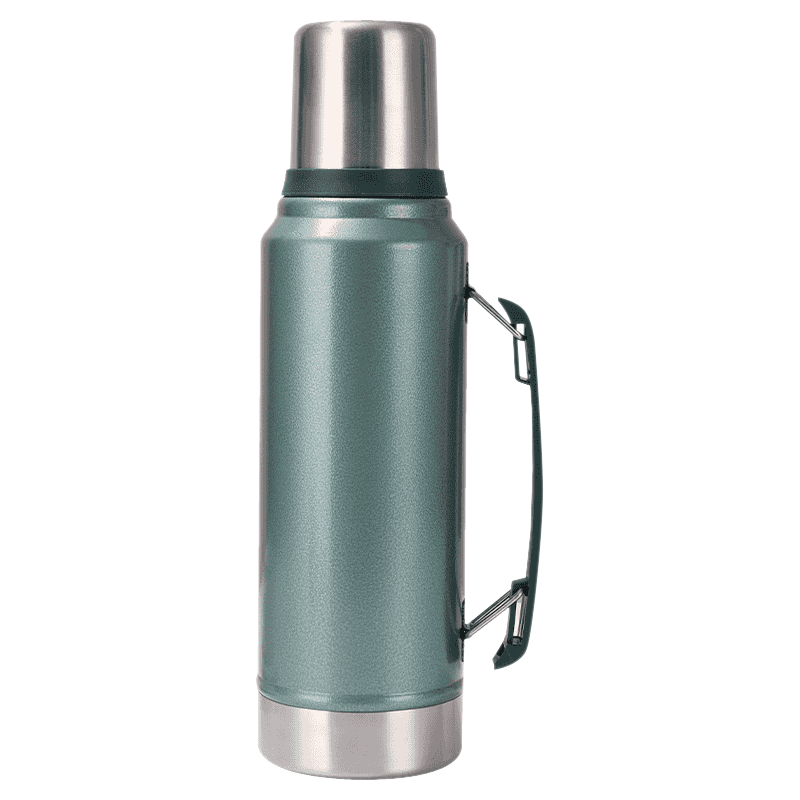
A double-wall structure works differently. The outer layer keeps temperature stable, while the inner space is more enclosed. Cleaning still happens only in the inner chamber, yet moisture around the rim and lid area needs more attention. After washing, water trapped near the lid edge may stay longer than expected.
A Titanium Tea Cup introduces another layer of detail. Tea strainers, small filters, and inner lids often come into contact with leaves and fine particles. These particles do not always wash away with a simple rinse. They can stay inside tiny holes or corners, especially after strong tea.
A practical way to understand cleaning focus is to think about where liquid slows down. Any area where water movement becomes weak is where residue tends to stay longer.
| Cup Structure Situation | Where Residue Usually Stays | What People Often Miss in Daily Use |
|---|---|---|
| Straight inner wall | Bottom curve and rim edge | Quick rinse without checking corners |
| Double-wall cup | Lid gap and sealing ring | Moisture trapped after closing lid |
| Titanium Tea Cup | Strainer holes and inner filter | Tea particles inside small openings |
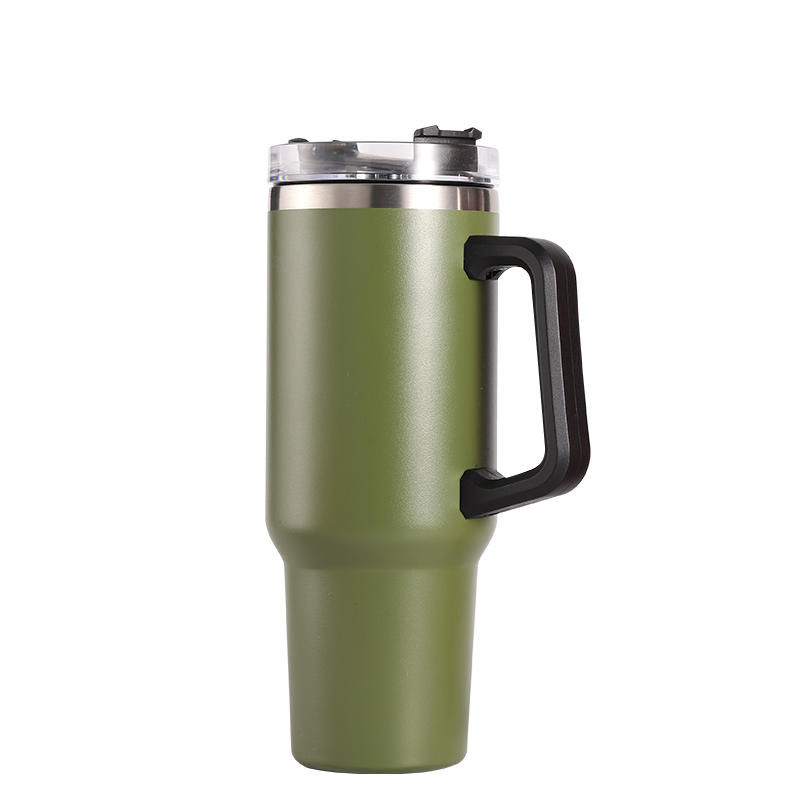
| Straw cup design | Straw channel and mouthpiece | Liquid left inside narrow tube |
| Covered cooking | Steam marks on lid | Moisture and oil blend |
Waiting too long allows tea or coffee particles to attach more firmly, especially around the inner curve.
In many daily situations, people wash cups quickly under running water without checking the lid or accessories. The main body looks clean, yet the lid often keeps hidden moisture. A simple habit of separating the lid once a day changes this result noticeably.
Soft cleaning tools matter more than strong force. Titanium surfaces do not require scrubbing pressure. A soft sponge moving gently across the inner wall is enough to lift residue. Rough tools can leave fine lines that are not visible immediately, but over time they affect the smooth touch during drinking.
A practical daily cleaning flow often looks like this:
Drying is often underestimated. A closed cup placed away while still damp creates a small sealed space. Inside that space, moisture slowly stays on threads or rubber edges. Opening the cup after washing allows air movement, which reduces this trapped condition.
Tea stains inside a Titanium Tea Cup often appear as light yellow or brown layers on the inner wall. They do not form instantly, instead they build up gradually after repeated brewing.
One simple method used in daily life is soaking with warm water. Filling the cup and leaving it for a short period helps loosen the thin layer attached to the surface.
Strainers require extra attention. Tea leaves often break into small particles that settle inside tiny holes. A common approach is to rinse the strainer while gently tapping it under water flow. This movement helps dislodge particles that are not easy to see.
Odor inside the cup is usually linked to two conditions: long contact with beverages and lack of airflow after washing. Keeping the lid open after cleaning allows trapped smell to fade naturally over time.
Fingerprints and water spots appear more often on matte or smooth outer surfaces. A dry cloth can handle this quickly. Wiping after washing also prevents marks from drying on the surface, especially when the cup is used in warm or humid environments.
Tea residue does not always need strong cleaning methods. Consistent light care works better than occasional deep scrubbing, especially for daily use items.
Using hard metal brushes is one example. While it removes stains quickly, it also creates fine scratches inside the cup. These marks can collect residue more easily during future use, making cleaning slightly more difficult.
Another common habit is closing the cup immediately after washing. Moisture stays inside, especially near the lid threads and sealing ring. Over time, this trapped water becomes harder to remove and may cause a faint smell.
Strong cleaning liquids are sometimes used for quick results, yet they are not always necessary for titanium surfaces. Repeated use may affect small rubber or silicone parts, especially in lids and straws.
Hidden areas are often missed during cleaning routines. A few typical spots include:
When these areas are not cleaned regularly, buildup becomes harder to remove later, even if the main body looks clean.
Cleaning habits change depending on where and how the Titanium Cup is used.
In office routines, the cup often stays on a desk and is refilled multiple times. Quick rinsing during breaks helps prevent layers of residue forming. Switching between drinks without rinsing can slowly create mixed flavors.
During outdoor activities, cleaning options may be limited. A simple rinse with available water often becomes the only immediate care. Full cleaning usually happens later, so keeping the lid open after use helps reduce trapped moisture during storage.
At home, a Titanium Tea Cup is often used for repeated brewing. Tea leaves and warm water increase the chance of stain formation. Separating the strainer after each use helps prevent buildup inside small holes.
During travel, sealing becomes more important than cleaning. A dry cup before packing prevents moisture from moving inside bags. Even small leftover drops inside the lid can create odor during long storage.
Each environment changes the cleaning rhythm, yet the basic idea stays consistent: light cleaning immediately after use reduces effort later.
Storage is often treated as a final step, yet it influences cleanliness over time. A cup placed away while still slightly wet slowly develops trapped moisture inside hidden areas.
Air movement is important. Leaving the lid open or placing parts separately allows remaining water to evaporate. Closed storage without drying increases the chance of odor appearing later.
Straws, seals, and strainers are better stored separately when possible. These parts contain narrow spaces where water can stay longer than expected.
Surface contact also matters. Placing the cup in a stable position prevents small dents or marks caused by movement. When multiple cups are stored together, spacing them slightly reduces friction between surfaces.
Good storage habits are often simple, yet they make daily cleaning easier in the long run.
A Titanium Cup rarely stays in one fixed condition during real use. It moves through different places, and each place leaves a slightly different kind of trace inside the cup.
During commuting, the cup is often closed for a long time. Even when the lid looks secure, a small amount of liquid can stay around the sealing ring or thread area. After being carried in a bag, movement and pressure may push that moisture into narrow gaps. When the cup is opened later, a brief pause with the lid off is often enough for the trapped smell or humidity to fade. Skipping this step usually leads to a faint odor building up over time, especially near the lid.
In workplaces, refilling happens repeatedly. Water, tea, and light drinks are often poured into the same cup without much interruption. The surface inside does not look dirty, yet layers form slowly. Tea leaves a thin film, coffee leaves a slightly darker trace. When these layers overlap, the inner wall starts to feel less neutral during drinking.
Outdoor use feels different again. Cleaning is not always done properly at the moment. Sometimes only a simple rinse is possible, sometimes nothing at all. Dust from the environment also enters more easily. In such cases, the main concern is not immediate cleanliness, but avoiding long sealing while still damp. Leaving the cup open for a while after use often does more than expected, because airflow slowly clears hidden moisture around the rim and lid edge.
At home, a Titanium Tea Cup is usually used more often for repeated brewing. Tea leaves are light, but they tend to settle in small places. The strainer becomes the main point where residue collects. If it stays inside the cup after use, cleaning becomes harder later, even if the rest of the cup looks fine. Taking it apart right after pouring tea avoids that slow buildup.
Travel use is simpler in action but more sensitive in effect. The cup stays closed for hours, sometimes longer. Any leftover water becomes trapped in a sealed space. It does not spill, but it also does not disappear. That small amount of moisture is often what causes smell changes during storage.
Storage is usually treated as the end of use, though in practice it decides how the next cleaning will feel. A dry cup and a slightly damp cup behave very differently after a few hours or days.
A cup placed upside down or left open has a natural way for moisture to escape. The inside slowly dries without effort. When the lid is tightly closed too early, the remaining water has nowhere to go. It stays in corners, especially around threads and seals, and only becomes noticeable later.
Small parts often cause more trouble than the main body. Lids, strainers, and sealing rings hold water in places that are not easy to see. If they are stored together right after washing, those parts press against each other and trap moisture between surfaces. Separating them during drying avoids that quiet buildup.
A simple routine often looks like this:
There is also a physical side to storage. Titanium itself is stable, yet contact with hard objects still leaves light marks over time. Inside drawers or bags, movement causes repeated contact. Leaving enough space around the cup reduces that friction. It is not about protection in a strict sense, more about avoiding unnecessary wear from daily handling.
When several cups are used for different purposes, separation makes cleaning more predictable later. A cup used for tea behaves differently from one used only for water. If they are mixed during storage, residue patterns overlap, and cleaning becomes less straightforward.
The surface of a Titanium Cup is not always the same, even if the material underneath is identical. Finishing changes how residue appears and how cleaning feels in hand.
A matte or sandblasted surface does not show fingerprints easily, which helps in daily handling. However, tea or coffee residue can settle slightly into the texture. It is not heavy buildup, more like a thin layer that blends into the surface. Cleaning works better with light pressure and steady movement instead of force. Scrubbing harder does not improve the result and sometimes spreads residue into the texture lines.
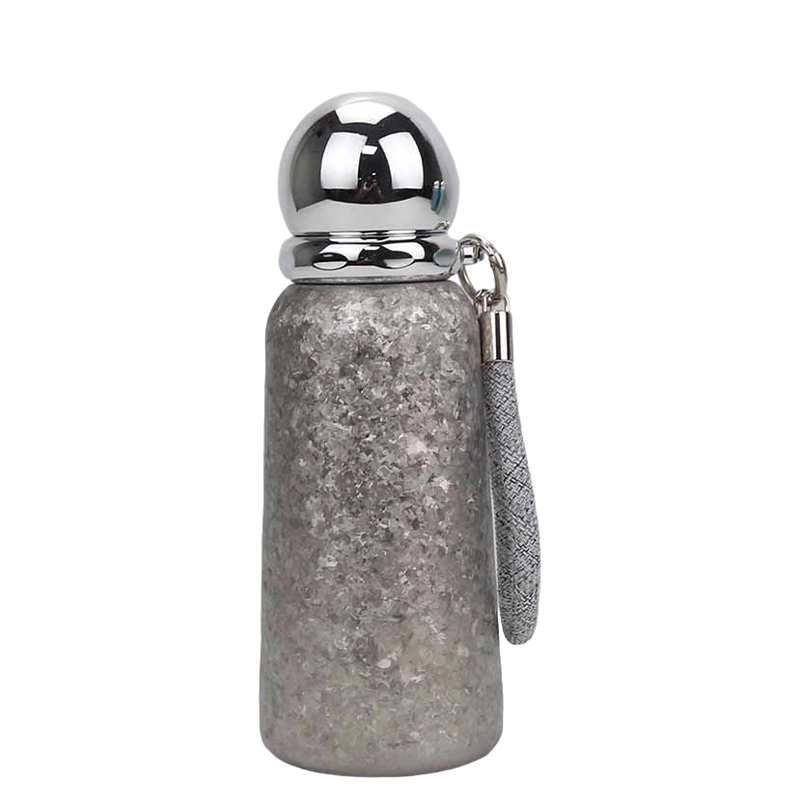
Oxidized finishes behave differently depending on light. The color may look deeper or lighter depending on angle and use. Cleaning in this case is less about removing visible marks and more about keeping the surface consistent. A soft cloth is usually enough. Rough tools are avoided because they can disturb the surface layer and change the appearance in small areas.
Mirror-like surfaces react in a more direct way. Water drops and fingerprints remain visible even after light contact. If left to dry naturally, marks become more noticeable. Wiping while still slightly damp reduces that effect. It is not difficult maintenance, just more frequent attention compared to other finishes.
Textured or patterned surfaces need cleaning that follows their shape. Residue tends to sit along grooves or edges where water does not flow strongly. Cleaning across the pattern may miss those areas. Moving along the direction of the texture helps clear buildup more evenly.
Accessories attached to a Titanium Cup can make cleaning easier or more complicated, depending on how they are used.
Wide openings reduce the effort needed during cleaning. The inner surface can be seen clearly, and water reaches all areas without restriction. Drying also becomes faster because air can move freely inside. Narrow openings require more careful rinsing since parts of the inner wall are less visible.
Strainers used in a Titanium Tea Cup are a common point of buildup. Tea particles settle in small holes and corners. If the strainer is removed after each use, cleaning becomes straightforward. Leaving it inside the cup for long periods allows residue to harden slightly, which takes more effort later.
Straps and external carriers do not touch beverages, yet they still collect dust from bags, desks, or outdoor surfaces. Over time, that dust can transfer back to the cup body. Occasional washing and full drying are enough to keep them in a usable condition.
Sealing rings are small but important. They sit in constant contact with liquid during use and often stay damp after washing. Removing them once in a while allows cleaning of hidden contact areas. It also prevents odor from forming in places that are rarely seen but frequently used.
A Titanium Cup does not depend on complex care, yet it responds clearly to repeated habits. Small actions done daily shape its condition more than occasional deep cleaning.
Care for a Titanium Cup and Titanium Tea Cup does not rely on complex methods or intensive procedures. It is shaped by consistent attention to small details that fit naturally into daily routines. Rinsing after use, separating components when needed, and ensuring proper drying form a practical cycle that supports long-term usability.
Different environments may shift the frequency or depth of cleaning, yet the underlying principle remains steady: prevent residue from staying in place for too long and allow airflow whenever possible.
Your email address will not be published. Required fields are marked *
* Your email is safe with us, we don't spam.

Our company's products include vacuum flasks, beer mugs, coffee mugs, car tumbler, fire stove and tensile parts, etc.
Phone: +86-13566758039
Tel: +86-0579-87171178
Fax: +86-0579-87171178
E-mail: [email protected]
Add: No.29, Qiaodong Road, Qiaotouzhou Village, Longshan Town, Yongkang, Jinhua, Zhejiang, China.
Copyright © 2026 Yongkang Aijun Industry & Trade Co., Ltd.



 English
 中文简体
中文简体 日本語
日本語 Français
 Español