+86-13566758039


Daily drinkware choices have been shifting quietly in recent years. Materials once considered standard in cups and mugs are now being re-evaluated through practical use rather than appearance. A growing number of users are turning attention toward Titanium Cup as daily routines become more mobile and flexible.
One noticeable change comes from how people handle drinking habits outside fixed environments. Workspaces are less static, travel is more frequent, and personal items are expected to serve across multiple situations. In such conditions, material stability begins to matter more than decorative design.
Titanium Cup enters this space with a simple material identity. The surface does not rely on coatings for basic function, and the structure tends to remain stable under repeated handling. Compared with traditional drinkware materials, the difference is not visual. It becomes clearer during continuous use.
Several practical points often guide this attention:
The growing attention is not linked to a single factor. It forms gradually through repeated daily experience.
Long-term use of any drinkware depends on more than initial impression. Weight, durability, and ease of maintenance often influence whether a material remains in daily rotation.
Titanium Cup tends to remain in consideration for people who prefer fewer replacements and more stable usage patterns. Its structure does not easily change under normal conditions of use. Surface behavior stays relatively consistent after repeated contact with hot or cold liquids.
A common comparison appears in daily routines:
| Aspect | Titanium Cup | Traditional Ceramic Cup | Standard Metal Cup |
|---|---|---|---|
| Weight Feel | Light in hand | Heavier | Moderate |
| Break Risk | Low under normal use | Higher when dropped | Low |
| Taste Influence | Neutral | Neutral | Slight variation possible |
| Carry Convenience | High | Limited | Moderate |
| Maintenance Simplicity | Simple rinse use | Careful handling needed | Moderate care |
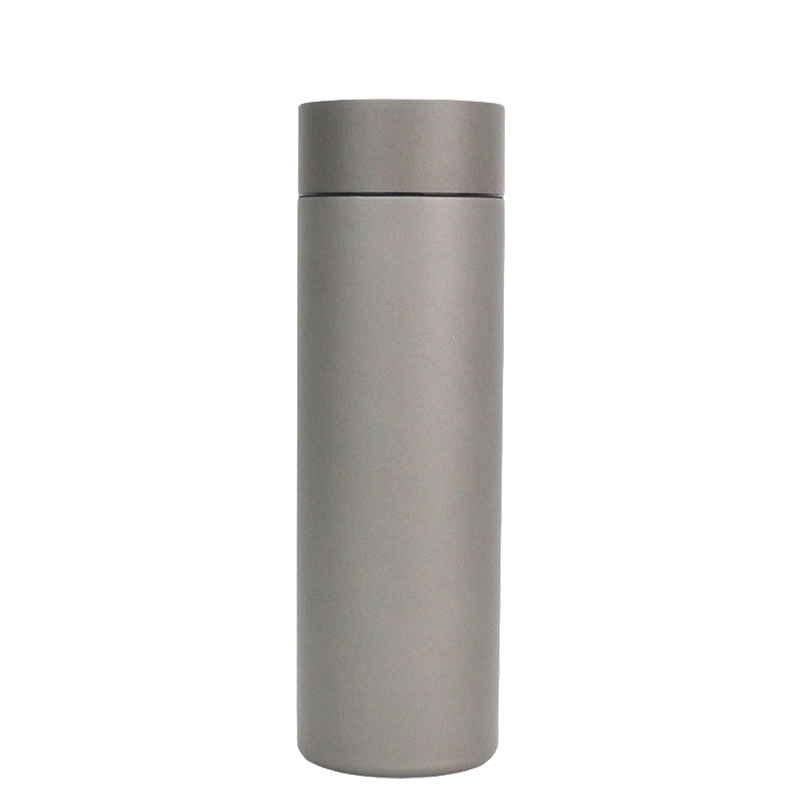
Material safety in drinkware is usually considered through interaction with beverages rather than external appearance. Titanium Cup is known for a stable surface behavior that does not easily react with common drinks such as water, coffee, or tea.
When hot liquid is poured, the internal surface remains unchanged in structure. No noticeable residue forms from normal use. This stability is one reason titanium has been used in environments where material consistency matters.
Taste perception also plays a role in daily experience. Some materials may influence aroma or leave slight traces of previous drinks. Titanium Cup generally avoids this kind of interaction due to its inert nature. Beverages tend to retain their original profile without additional aftertaste from the container.
Tea drinkers often notice this aspect in repeated use. Light or delicate flavors remain closer to their natural state. Coffee drinkers may also value the same neutrality during morning or work routines.
Titanium is often mentioned in contexts beyond drinkware. Its use in medical-related applications provides background understanding of how the material interacts with biological environments.
The key point lies in stability. Titanium does not easily react with surrounding elements under normal conditions. This characteristic allows it to remain unchanged in environments where other metals might behave differently.
When applied to drinkware, the relevance is indirect rather than medical. The idea is centered on material behavior:
This compatibility concept contributes to user confidence, especially when the same cup is used for both hot and cold beverages throughout the day.
Titanium Cup and stainless steel cups often appear similar in function, yet differences become more visible during long-term handling.
One clear distinction lies in weight. Titanium generally feels lighter, which affects portability during daily movement. Carrying a cup in a bag or hand becomes less noticeable over time.
Another difference appears in taste perception. Both materials are stable, though titanium tends to present a more neutral interaction with beverages, especially when drinks are kept inside the cup for longer periods.
Surface behavior also varies. Stainless steel may show different reactions under prolonged exposure to certain conditions, while titanium remains more consistent in appearance and feel.
In daily routines, users often describe the difference through experience rather than technical terms. One material feels more integrated into movement, while the other feels more fixed in place.
Modern carrying habits often favor simplicity. People tend to reduce unnecessary weight in personal items, especially when daily movement involves commuting or travel between multiple spaces.
Lightweight Titanium Cup fits into this pattern through reduced physical load. The difference is not dramatic in appearance, yet noticeable during continuous carrying.
Common usage habits include:
The reduced weight supports these habits without changing drinking behavior. The cup remains functional while blending into movement patterns.
In many cases, users do not actively think about the cup itself. It becomes part of routine carry items, similar to keys or small accessories.
Travel and outdoor movement often require attention to carried weight. Even small reductions in load can influence comfort during longer periods of walking or activity.
Ultralight Titanium Cup is often selected in these contexts due to its minimal physical presence in a packed system. It does not occupy much space, and its weight contribution remains low compared to traditional materials.
The preference is linked to simplicity:
In outdoor environments, the same cup may serve multiple roles, including drinking water or holding warm liquids. This flexibility reduces the need for additional items.
Outdoor use introduces varying conditions such as temperature change, movement, and exposure to natural elements. Outdoor Titanium Cup remains stable under these shifts due to material consistency.
The surface does not rely heavily on coatings that might change over time. Handling remains predictable across different conditions.
Another practical aspect is heat interaction. In outdoor situations, cups may come into contact with warm liquids or heating sources. Titanium maintains structural stability during such use patterns, allowing it to function in more than one role.
Common outdoor use scenarios include:
The role of the cup becomes functional rather than decorative, focused on consistent use across conditions.
Tea preparation involves repeated exposure to high temperature water. Container material becomes part of the drinking process, even when not directly noticed.
Titanium Tea Cup behaves differently from porous or coated materials. The internal surface remains stable after repeated brewing cycles. Tea leaves release oils and aromatic compounds during steeping. Some materials tend to retain traces of these compounds. Titanium surface does not absorb them in a noticeable way during normal use.
In daily life, this appears in simple situations:
Taste perception stays closer to the original brew. Not because flavor is enhanced, only because interference is reduced.
Heat transfer is another practical factor. A titanium tea cup filled with boiling water warms quickly. The surface cools faster compared with heavier materials in similar thickness ranges. This affects hand comfort during direct holding.
Stainless steel cups often feel heavier at similar volume. Titanium Cup reduces that carrying load during movement. The difference becomes noticeable when the cup is carried for long periods inside a bag.
Surface behavior also differs in repeated cleaning cycles. Stainless steel can show subtle changes in appearance after long use under varied water conditions. Titanium remains visually stable without strong change in texture during normal household washing.
Taste neutrality becomes another point in real use. Coffee or tea stored for extended time inside a stainless steel container may carry a slight metallic note for some users. Titanium reduces that effect due to lower surface reactivity.
Daily comparison often looks like this:
Modern daily routines involve frequent transitions. Home, transport, workplace, temporary stops. Drinkware moves through all these spaces.
Titanium Cup fits into this pattern because weight remains low while structure stays stable. A cup placed in a backpack does not shift comfort level significantly during walking or commuting.
Practical behaviors include:
Fragile materials require more attention in such situations. Titanium reduces that mental load. The object becomes part of carry routine rather than an item requiring protection.
Outdoor movement changes expectations for drinkware. Weight, space, and multi-function use become more important than appearance.
Ultralight Titanium Cup reduces carried load in situations where every item contributes to overall effort. Even small differences matter during long walking periods.
In real outdoor conditions:
Titanium maintains structural stability under these conditions. No coating layer is required for basic function. Surface remains unchanged after repeated heating cycles within normal usage range.
A simple observation from usage habits:
Function becomes more important than appearance in such settings.
Taste neutrality does not mean flavor improvement. It refers to reduced interaction between container surface and liquid.
Coffee contains oils. Tea contains tannins. Water carries minerals depending on source. Some materials react slightly with these elements during storage.
Titanium Cup limits that interaction under normal conditions. Beverage taste remains closer to original preparation state. No added flavor layer appears from the container surface.
Real situations show this more clearly:
This effect becomes noticeable when comparing multiple drinkware types over time rather than in a single use.
Daily indoor routines involve repeated use rather than single drinking moments. Desk environments especially require stable and simple drinkware behavior.
Titanium Mug Cup supports repeated filling cycles without changing surface condition. Hot water, coffee, or tea can be used in the same container without special handling steps.
Typical daily pattern:
No special maintenance process is required. No strong odor retention occurs after switching beverages. The mug remains consistent across different drink types.
Compared with ceramic or glass:
Drinkware is used repeatedly every day. Small differences accumulate over time.
Titanium Cup maintains surface structure after repeated cycles of heat, cold, and washing. No visible coating degradation is required for function. No structural change occurs under normal household conditions.
Long-term stability appears in simple ways:
This stability reduces replacement frequency caused by wear or breakage. The object remains in use without needing adjustment in behavior.
Daily life shows a slow movement toward simplification of personal objects. Instead of multiple specialized cups, one stable item is often used across different settings.
Titanium Cup fits this pattern because it adapts without requiring changes in usage habits. One cup can move between kitchen, office, and travel environment.
Practical reasons behind this shift:
The focus moves from variety to consistency.
Continued use is linked to repeated experience rather than novelty. Each use reinforces perception of stable handling, simple maintenance, and neutral interaction with beverages.
In daily life, users notice fewer disruptions during routine drinking. No strong change in taste behavior. No fragile handling requirement. No complex care steps.
Over time, Titanium Cup becomes part of background daily objects rather than an item requiring attention.
Your email address will not be published. Required fields are marked *
* Your email is safe with us, we don't spam.

Our company's products include vacuum flasks, beer mugs, coffee mugs, car tumbler, fire stove and tensile parts, etc.
Phone: +86-13566758039
Tel: +86-0579-87171178
Fax: +86-0579-87171178
E-mail: [email protected]
Add: No.29, Qiaodong Road, Qiaotouzhou Village, Longshan Town, Yongkang, Jinhua, Zhejiang, China.
Copyright © 2026 Yongkang Aijun Industry & Trade Co., Ltd.



 English
 中文简体
中文简体 日本語
日本語 Français
 Español