+86-13566758039


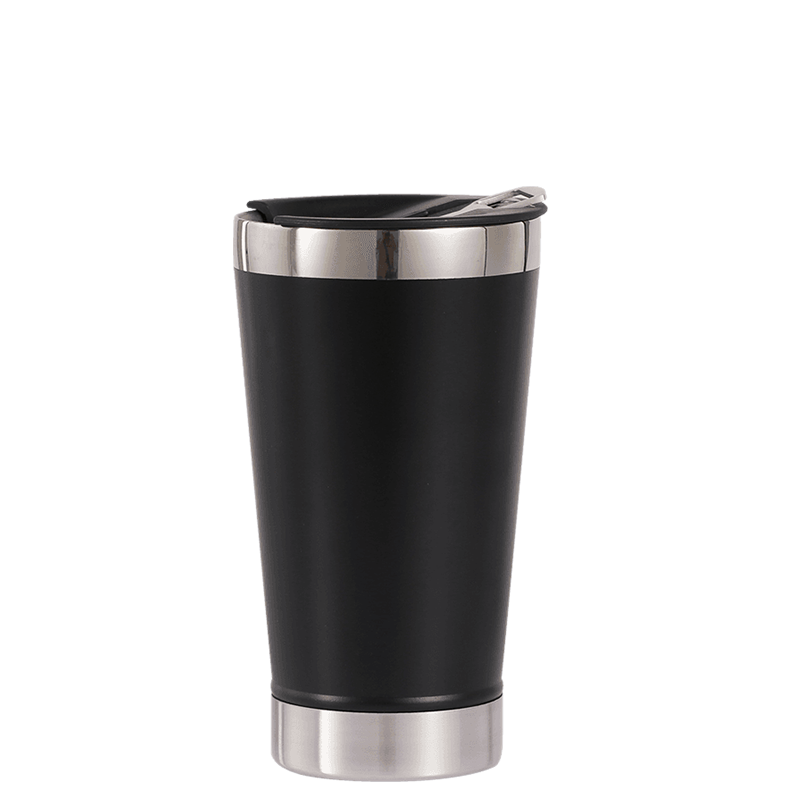
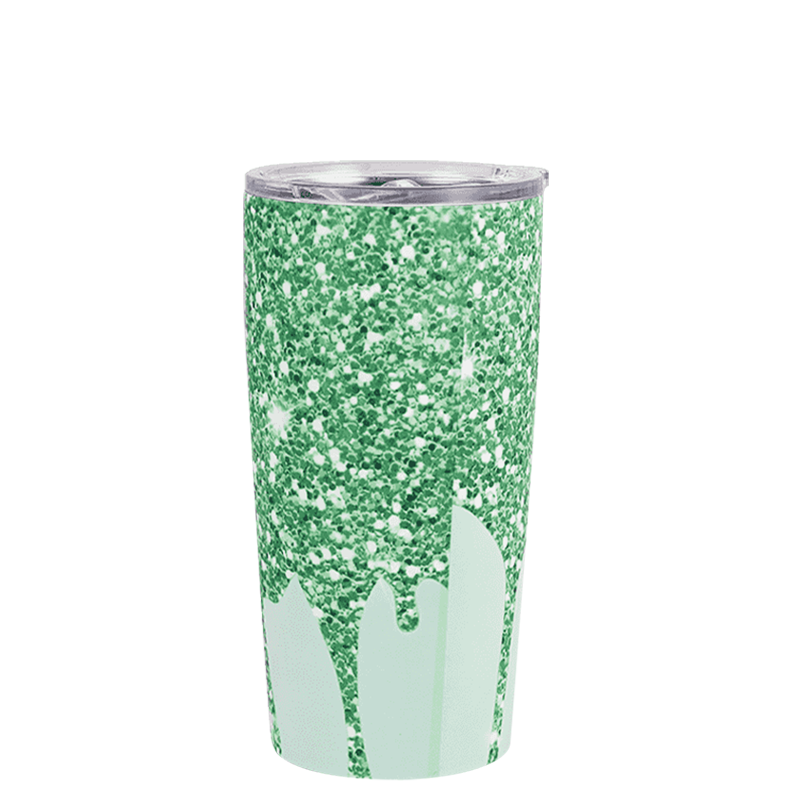
There is a quiet comfort in the morning routine when a Double Layer Coffee Mug holds warmth where it belongs while the outer shell stays cool enough to grasp, letting small moments of calm survive a busy start. Design choices inside that cup — the interior finish, the seal on the lid, the balance of weight and grip — shape how flavor, convenience, and daily hygiene join together in a way that fits personal habits.
A Double Layer Coffee Mug separates drink from the outside world with two shells that reduce heat movement. When air or vacuum sits between layers, heat transfer through conduction and convection slows, so a hot drink cools more slowly and a cold drink resists warming. Practical designs borrow this idea from older insulated containers, translating it into cups that let you sip without burning your fingers and that cut down on unwanted condensation when a chilled beverage is inside.
Double walled coffee mugs answer a simple everyday need: keeping a drink comfortable to hold while maintaining its intended temperature for longer. By using two layers with a space between them, heat movement slows down, which means hot coffee stays warm without heating the outside surface. This design also works the other way around, helping cold drinks resist warming and reducing moisture buildup on the exterior. The result is a mug that feels steady in the hand and suits both hot and cold beverages throughout the day.
Another reason people choose double walled coffee mugs is how they support flavor and routine. Many designs pair the double wall structure with interiors made from stainless steel, ceramic, or glass, allowing users to select a surface that matches their taste preferences. The insulation helps minimize rapid temperature fluctuations, allowing the aroma and mouthfeel to stay balanced throughout the experience, from the initial sip to the final one. For workdays, commuting, or quiet moments at home, this consistency becomes part of a reliable drinking habit.
Durability and reusability also play a part. A well-made double walled coffee mug is designed for repeated use, which fits naturally into routines focused on reducing disposable cups. With proper cleaning of lids and seals, these mugs stay practical and hygienic over time. The appeal lies not in novelty, but in how the design quietly supports comfort, taste, and everyday convenience without drawing attention to itself.
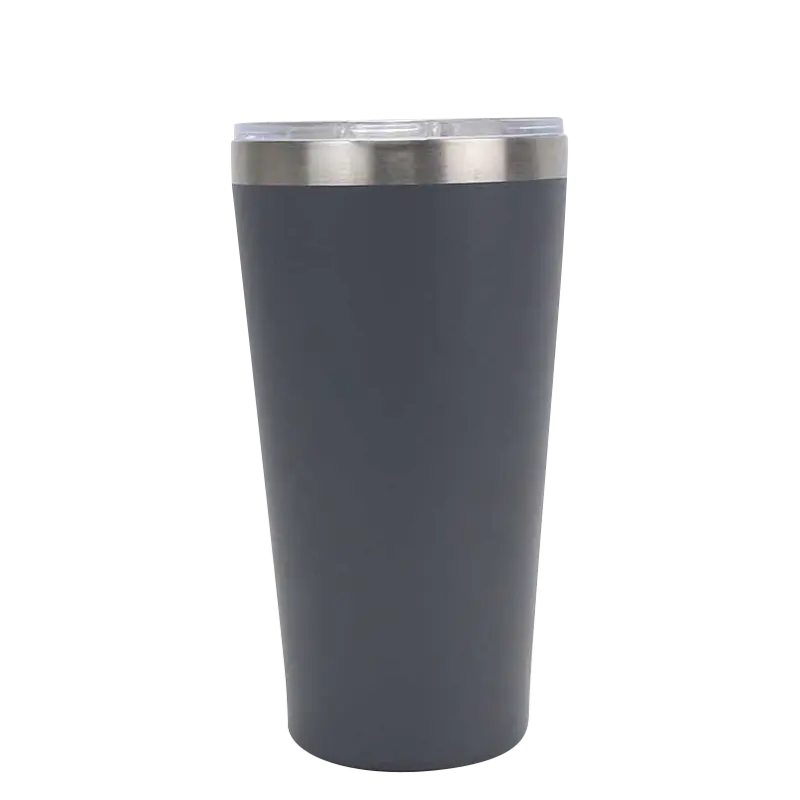
Manufacturers mix materials and lid shapes to shape performance. A metal interior often pairs with a tight-sealing lid to preserve temperature on the go, while glass or ceramic interiors favor flavor neutrality and a smooth mouthfeel. Lid geometry controls steam escape and spill behavior; a flip-top can be handy for commuting while a threaded cap often gives a firmer seal for a bag or backpack. Ergonomic considerations—weight, balance, and whether the mug has a handle—affect how folks adopt a mug into a routine.
| Feature | Typical effect | Why it matters |
|---|---|---|
| Double shell with vacuum gap | Slows heat flow | Keeps beverage drinkable longer |
| Ceramic or glass interior | Neutral taste | Favors plain flavor profile |
| Metal interior with coating | Durable and light | Suited for travel and rough use |
| Tight lid with gasket | Reduces spills and heat loss | Useful for commuting |
Yes, in everyday terms. Real-world performance depends on fill temperature, how often you open the lid, and the surrounding air. A closed Double Layer Coffee Mug will retain warmth longer than a single-walled cup of similar size, and a lid that seals well multiplies that effect. Practical tips to preserve warmth include pre-warming the mug briefly with hot water before pouring and keeping the lid closed between sips.
When choosing everyday drinkware for an official setting or long-term use, stainless steel and ceramic are often compared from a health and practicality perspective. Both materials are widely used for cups and mugs, and when produced for food contact, each offers dependable performance for daily drinking.
Stainless steel is known for its structural stability and long service life. Its non-absorbent surface resists staining and odors, which supports clean use when washed regularly. For people who carry drinks between home, office, and travel, stainless steel drinkware handles impact and temperature changes without cracking. From a health standpoint, smooth interior finishes and proper manufacturing matter more than the material itself, as they help limit residue buildup and make cleaning easier.
Ceramic drinkware provides a more traditional drinking experience that many associate with comfort and flavor clarity. A properly glazed ceramic surface forms a stable barrier that does not interact with common beverages, helping preserve natural taste and aroma. This quality makes ceramic popular for coffee and tea enjoyed at a desk or at home, where break resistance is less of a concern. Attention to glaze quality and surface condition remains important, since chips or cracks can affect hygiene.
In practical use, health considerations are closely tied to care and usage habits. Regular cleaning, avoiding damaged cups, and selecting drinkware made for food use contribute to a safe and pleasant experience. Rather than one material being inherently healthier, stainless steel and ceramic each suit different lifestyles, and choosing between them depends on where and how the cup will be used.
Ceramic and glass interiors tend to preserve a beverage's expected aroma and mouthfeel because they are chemically inert under normal use. Metal interiors can sometimes return a faint metallic impression for very sensitive palates or when drinks are left for a long time, though many food-grade metals are formulated to be taste-neutral. If subtle flavor fidelity is a priority, a ceramic-lined double shell often feels closer to drinking from a classic cup.
Food-grade stainless constructions and properly glazed ceramic interiors are widely accepted as safe for everyday consumption. Components such as lids, seals, and internal coatings deserve attention: choose seals made of food-grade silicone and lids labeled free of certain plasticizers when possible. Small design details matter more than the marketing—nonreactive interior finishes and well-made gaskets reduce the chance of taste transfer or unwanted chemical exposure.
Many who use a single personal mug at home or at a dedicated workspace treat it as a private item and may rinse rather than scrub it. Habit, low perceived risk, or the belief that their own microbes are harmless tend to drive this behavior. Experts note that while a single-user mug poses limited cross-contamination if used only by the same person and maintained reasonably, residues from milk or sweeteners can build up and invite unpleasant odors or deposits over time. Regular cleaning of lids and seals is especially important because bacteria and mold favor the small, damp crevices of closures.
In communal kitchens where many hands touch lids and handles and where rinsing becomes the default, mugs can accumulate microbes that are not from a single owner. Reports and studies have shown that shared dishware in common areas may harbor unwelcome microorganisms, which is why clear labeling, personal storage, and routine washing help maintain a healthy workspace. Simple steps—washing with warm detergent, drying fully, and swapping seals when they show wear—cut the risk of problems linked to shared use.
In recent developments at large gatherings and venues, reusable cup programs are being tried to reduce single-use waste. These initiatives are prompting people to carry sturdy mugs and to expect washing systems at shared locations. That shift pushes makers to think about durability, ease of cleaning, and designs that perform well under repeated use and cleaning routines. When reusable systems expand beyond small groups, practical concerns such as stackable shapes and dishwasher-safe materials become more important.
A durable mug used many times displaces disposable cups, and that cumulative effect can be meaningful when people consistently bring a reusable container. Lifecycle thinking suggests that a well-used mug can reduce waste footprints compared to single-use vessels, but regular use and proper maintenance are necessary to realize that upside.
Metal interiors or metal components should never go in a microwave. Some Double Layer Coffee Mugs are labeled dishwasher-safe, but repeated dishwasher cycles can stress coatings, affect paint, or accelerate gasket wear. When in doubt, hand washing extended parts and removing lids for separate cleaning preserves longevity.
Think about where the mug will live, how it will be cleaned, and whether it needs to fit a vehicle cup holder.
Yes. Tough metal designs survive drops and rough handling, while glass and ceramic interiors deliver a drinking experience closer to a classic cup. If you value both, look for a mug that combines a robust exterior with a neutral interior finish, and check whether the lid materials avoid unwanted plastic contact with the beverage.
Try disassembling the lid and soaking removable parts in warm soapy water or a mild alkaline cleaner made for kitchenware. If a gasket remains misshapen after cleaning or if Double Layer performance weakens—often noticeable when the exterior gets warm during hot drinks—consider replacing the gasket, the lid, or retiring the mug. Long-term leaks or persistent odors typically stem from parts that have reached the end of practical life.
| Use case | Suggested focus | Trade-off to consider |
|---|---|---|
| Morning commute | Seal quality and weight | Heavier mugs hold temperature but feel bulky |
| Office desk | Lid comfort and sip control | Open cups feel nicer but lose heat faster |
| Home tasting | Interior material and rim shape | Glass/ceramic may require gentler handling |
| Outdoor activity | Durability and grip | Sturdier materials may change taste subtly |
Avoid leaving dairy or sweetened drinks in a mug for long periods; those residues offer food for microbes and can change flavor over time. If you drink multiple times throughout the day, rinse and let lids and seals dry between uses. Swapping in new gaskets and replacing lids on a periodic schedule keeps performance steady.
Why do coworkers sometimes avoid washing shared mugs? Convenience and busy schedules are common reasons, and so is the assumption that a rinsed mug is " good enough ." Bringing a personal mug and clearly storing it keeps ownership clear and reduces shared exposure. Treating mugs like personal items and establishing simple cleaning norms lifts hygiene for everyone.
Keep the mug that fits your rhythm close at hand, tend its seals and lids, and let modest rituals—rinsing after milk-based drinks, drying components between uses, swapping a worn gasket—preserve the pleasure of each sip; when a Double Layer Coffee Mug becomes part of daily life, those small practices repay you with steadier warmth, clearer flavor, and fewer annoyances over time.
Your email address will not be published. Required fields are marked *
* Your email is safe with us, we don't spam.

Our company's products include vacuum flasks, beer mugs, coffee mugs, car tumbler, fire stove and tensile parts, etc.
Phone: +86-13566758039
Tel: +86-0579-87171178
Fax: +86-0579-87171178
E-mail: [email protected]
Add: No.29, Qiaodong Road, Qiaotouzhou Village, Longshan Town, Yongkang, Jinhua, Zhejiang, China.
Copyright © 2026 Yongkang Aijun Industry & Trade Co., Ltd.



 English
 中文简体
中文简体 日本語
日本語 Français
 Español