+86-13566758039


A colour swatch can help narrow a vacuum flask order, but it is only the beginning of surface approval. The chosen bottle has curves, a shoulder, a base and perhaps a handle beside the coated body. Those features affect how the finish is seen and where its boundaries need attention.
For bulk buyers, a useful coating sample connects the appearance to the actual bottle model and order specification. It separates what can be judged visually from what requires an agreed performance evaluation. A pleasing surface is not, by itself, evidence of a particular durability level.

Start with the intended model in the vacuum thermos range. Ask which finish options are available for that model and which parts receive the specified treatment. Do not assume that the body, handle, lid and exposed metal surfaces share the same process or material.
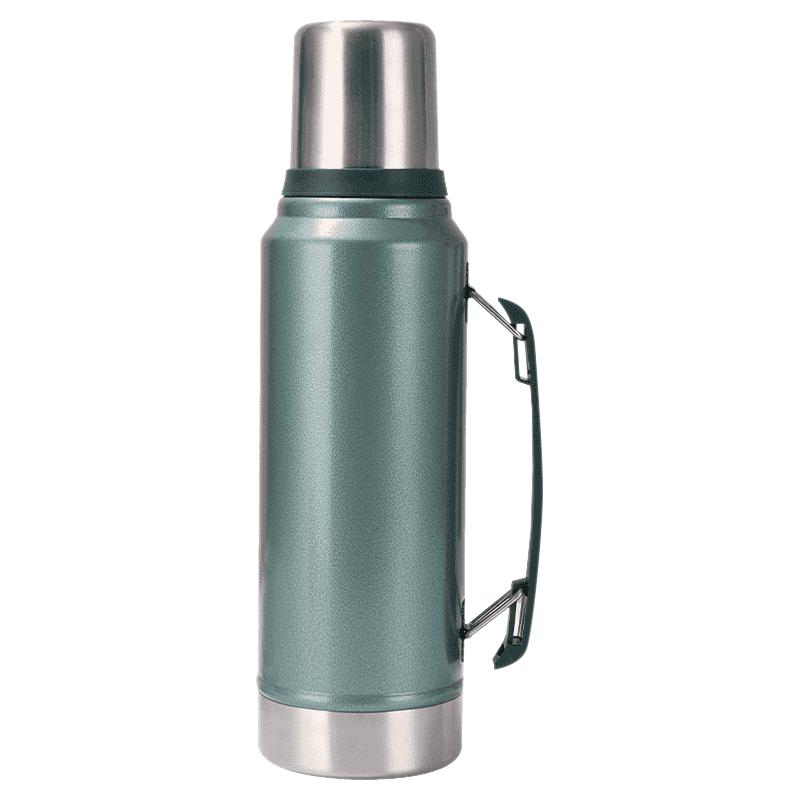
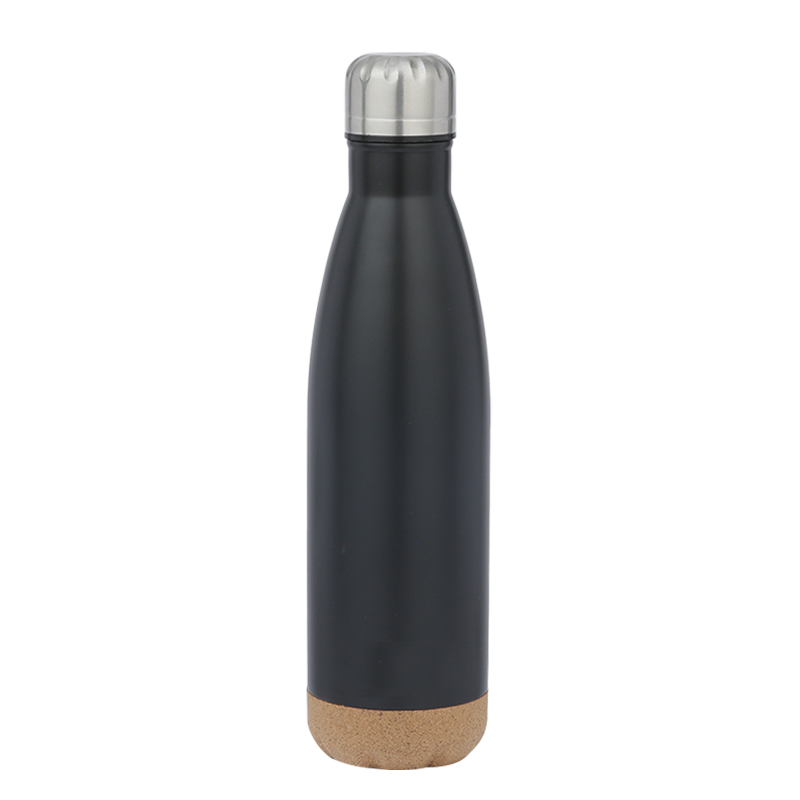
A sample on the actual bottle shows the relationship between coated and uncoated areas. Check the shoulder, lower edge and areas near attachments. These locations can be difficult to understand from a small flat colour chip, even when the chip is useful as a starting reference.
Identify the sample by model, colour reference and finish description. If a supplier uses an internal finish code, include it in the order record. Broad terms such as matte or textured can cover different appearances, so they should be connected to an agreed sample rather than left as the entire specification.
A buyer may say that a sample colour is wrong when the more visible difference is gloss or texture. Review these characteristics separately. Ask which attribute needs to change and which should remain as approved. This makes the discussion more precise and reduces unnecessary revisions.
Compare samples under agreed lighting and viewing conditions. Curved surfaces produce highlights that a flat chip does not show. Turn the bottles consistently during review and avoid comparing one under direct light with another in deep shadow.
A logo applied to a curved coated body can look different from artwork on a white screen. Request a decoration sample using the intended marking method and placement. Review its relationship to the handle and the bottle's normal presentation orientation.
If the coating changes after artwork approval, ask whether the marking needs review again. Surface colour and texture can affect the visual result. Do not assume that a decoration sample on one finish establishes the appearance on every finish in the assortment.
Keep the approved artwork and the finished sample linked. A photograph is helpful for showing position, while a physical sample is often more useful for comparing the combined surface effect. Identify which record governs artwork dimensions and which governs appearance.
Appearance approval should not be used to imply scratch resistance, dishwasher suitability or another performance claim. If such a requirement matters to the order, state the intended use and ask what evaluation method and evidence are appropriate for the actual finish.
Do not invent a universal number of rubs, cycles or impacts for every flask coating. The method, conditions and acceptance criteria need agreement between the relevant parties. Ask whether the available evidence represents the same substrate, finish and construction as the ordered model.
The finished surface will touch packing materials before it reaches the buyer. Review how the proposed individual pack supports and separates the bottle, especially around exposed edges or attachments. This is a practical packaging question rather than evidence that a coating is defective.
Ask the supplier to show the sample in the intended pack. If the pack is still provisional, record that limitation and schedule a combined review. An approved unwrapped bottle does not demonstrate how the same finish will appear after transport in a different packing arrangement.
For a colour assortment, make clear which finish code belongs to each item and carton record. Avoid relying only on an informal colour nickname that could be interpreted differently by the factory, buyer and warehouse. Clear identification helps preserve the relationship between the appearance sample and the delivered assortment.
A new colour or revised finish should be recorded as an explicit change. Identify which previous characteristics remain approved and which need a fresh sample. If the supplier proposes an alternative process, review its appearance and any required evidence rather than accepting equivalence from a verbal description.
The final order should point to a finish that both parties can identify and compare. This gives the buyer a useful basis for surface review without adding unsupported claims about coating technology or service life. A well-controlled sample is more valuable than an attractive but ambiguous colour description.
For a new finish assortment, approve each selected option rather than treating one colour as representative of all the others. Keep the sample identification visible in the internal review record so later comparisons use the correct reference.
| Appearance attribute | Reference to keep | Question to resolve |
|---|---|---|
| Colour | Approved bottle and applicable colour reference | Which sample controls the order? |
| Texture | Physical surface sample | What finish is intended? |
| Gloss | Consistent viewing conditions | Are reflections being compared fairly? |
| Coating boundary | Views near shoulder, base and attachments | Where should the finish start and stop? |
| Logo area | Sample with actual marking | How does the decoration relate to the finish? |
Your email address will not be published. Required fields are marked *
* Your email is safe with us, we don't spam.

Our company's products include vacuum flasks, beer mugs, coffee mugs, car tumbler, fire stove and tensile parts, etc.
Phone: +86-13566758039
Tel: +86-0579-87171178
Fax: +86-0579-87171178
E-mail: [email protected]
Add: No.29, Qiaodong Road, Qiaotouzhou Village, Longshan Town, Yongkang, Jinhua, Zhejiang, China.
Copyright © 2026 Yongkang Aijun Industry & Trade Co., Ltd.


 English
 中文简体
 日本語
 Français
 Español