+86-13566758039


Capacity tells a buyer how much a flask is intended to hold. It does not tell them how easily a user can pour liquid into it, reach the inside with an approved cleaning tool or see whether a removable part has been refitted correctly. Vacuum flask opening size deserves its own review when selecting a drinkware range.
For importers and private-label brands, this is a useful way to compare products beyond colour and nominal volume. The goal is not to declare every wide opening better than every narrow one. It is to match the opening and closure arrangement with the intended filling, drinking and care routine.
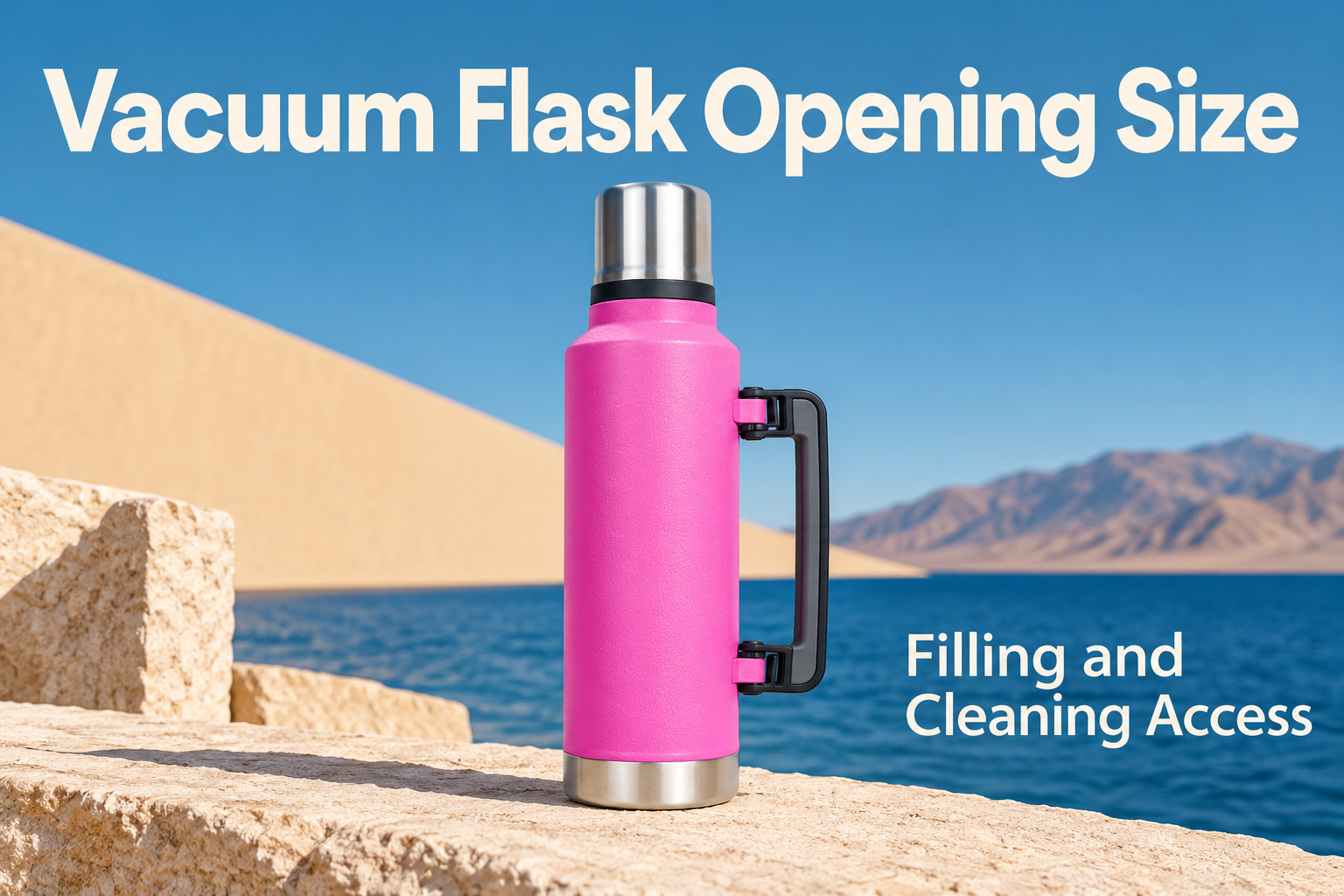
Describe what the user is expected to pour and from which container. A jug at home, a dispenser at work and another permitted filling source can present different access conditions. Keep the evaluation within the manufacturer's intended use rather than inventing a demonstration with unsuitable contents.
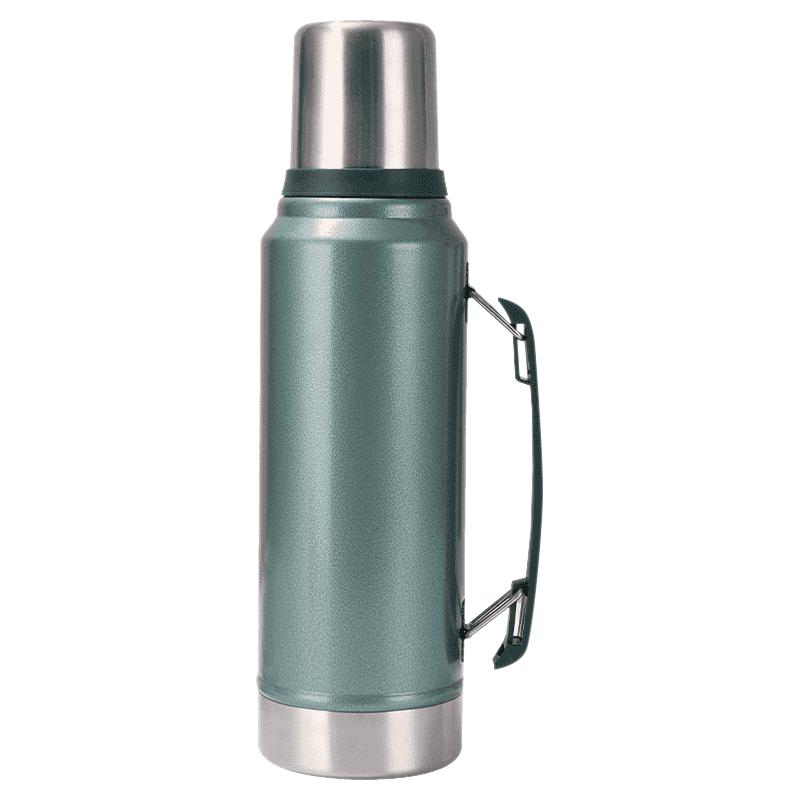
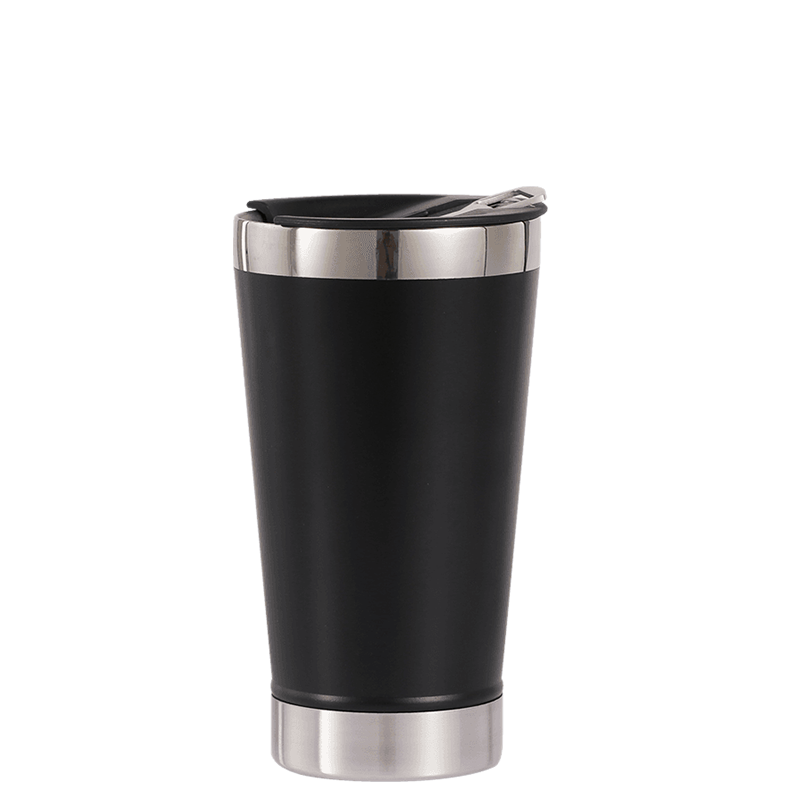
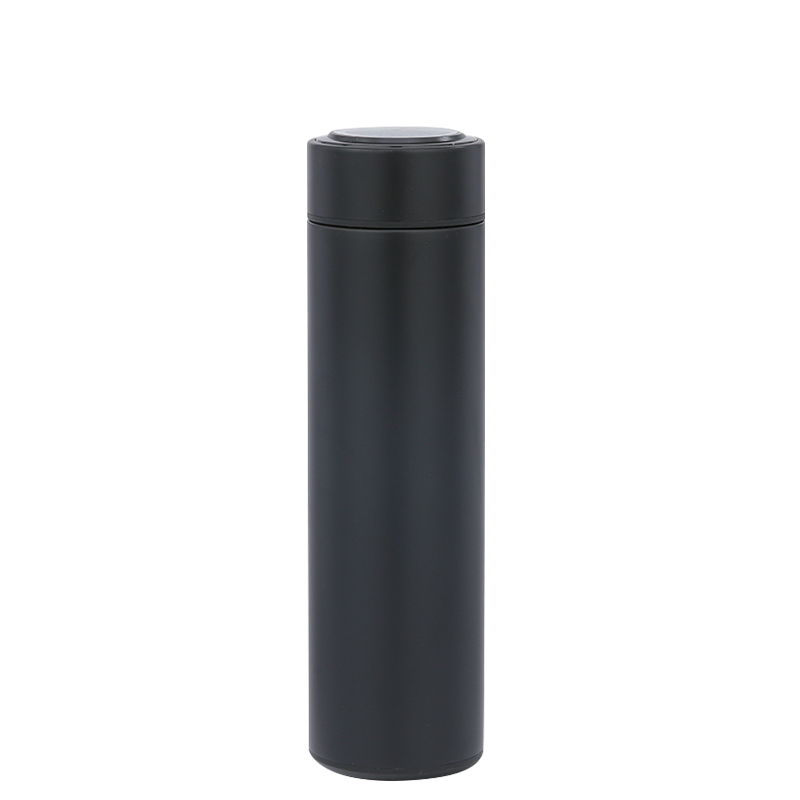
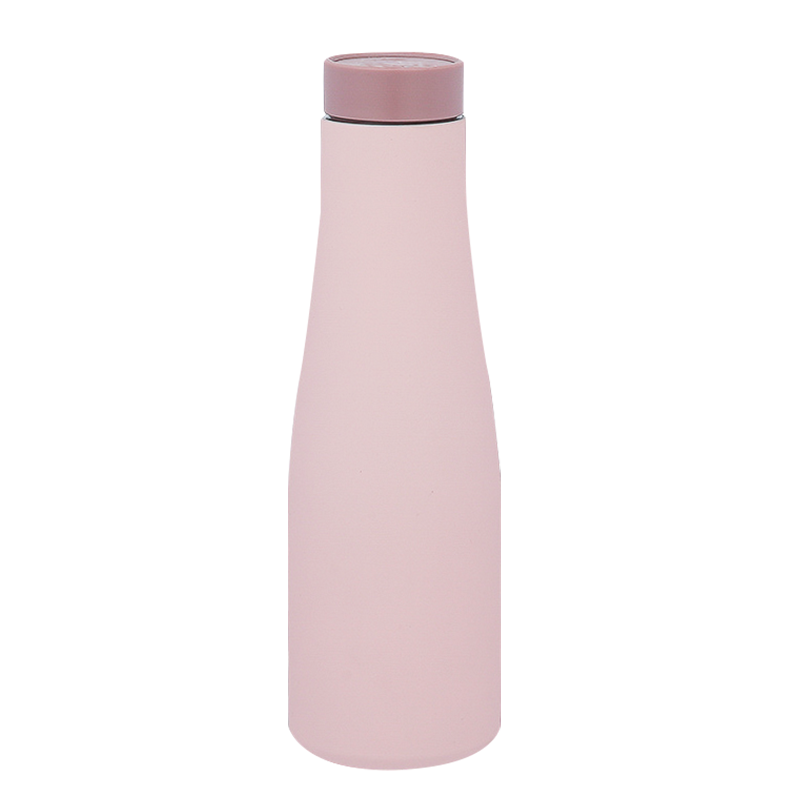
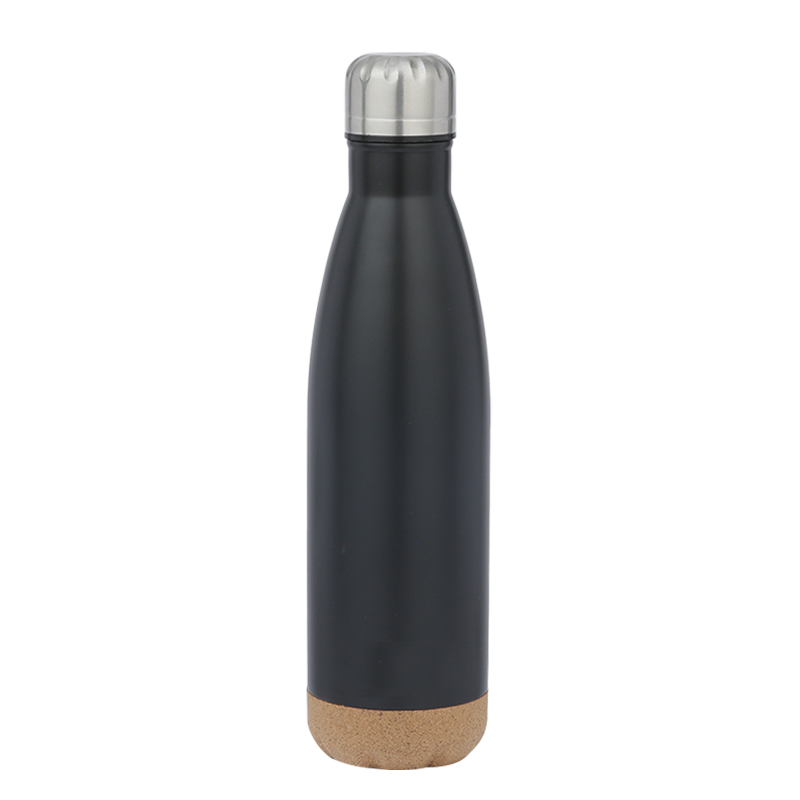
When reviewing the vacuum thermos range, identify the actual model and lid arrangement. A bottle photographed with its outer cap fitted may not reveal the working filling opening. Ask for the relevant open view and the manufacturer's instructions for removing the correct component.
Check which part of the neck the stated opening dimension describes. The outer rim, thread area and usable internal opening are not necessarily the same measurement. Request a clearly identified dimension instead of comparing numbers whose reference points are unknown.
Flask cleaning access depends on more than a diameter at the rim. The neck length, shoulder transition and internal shape can affect the access available to an approved cleaning tool. Ask the manufacturer to confirm the suitable tools and methods for the selected product.
Do not infer internal geometry from a closed exterior photograph. Request the relevant product view or drawing where needed. A broad external shoulder can coexist with an opening that requires a specific care method, and the supplier is better placed to identify the actual construction.
Avoid promising that the flask is easy to clean for every user without a defined basis. Instead, describe confirmed features and give the actual care instructions. A practical sample review can record whether the approved tool reaches the intended areas under the specified method.
Some closures present a small drinking or pouring passage while a larger bottle neck becomes accessible after an approved part is removed. Confirm the actual sequence for the model. Do not treat the drinking outlet as the full cleaning opening if that misrepresents the design.
Equally, do not assume every closure component is intended to come apart. Ask which items are removable and how they are handled. The user guide should show only the manufacturer-approved disassembly, with clear orientation for parts that need to be refitted.
| Access point | What to confirm | What the sample review can establish |
|---|---|---|
| Filling opening | Usable dimension and permitted filling sequence | Whether the intended source can be used as instructed |
| Bottle neck | Internal reference points and relevant geometry | Which approved tool can enter and move |
| Shoulder and body | Supplier's care method | How the interior is reached under that method |
| Lid passage | Approved cleaning access and removable parts | How the closure is handled separately |
| Refitting area | Part orientation and assembly instructions | Whether the user sequence is understandable |
Use a clean sample and the approved conditions for this review. Do not improvise hot-liquid or pressure tests merely to demonstrate access to a purchasing team.
A large bottle neck opening does not establish suitability for every drink, food or temperature. Confirm the manufacturer's permitted contents and limitations for the model. Keep the product listing consistent with that guidance rather than turning physical access into an unsupported application claim.
If the retail concept involves additional ingredients or accessories, ask the supplier to review them specifically. Do not assume a photograph of an opening proves suitability for ice, fruit, carbonated drinks or another use. Each proposed application belongs in the product discussion on its own terms.
This also helps the buyer avoid misleading lifestyle imagery. Show the flask being used in ways supported by the approved instructions. An attractive scene can create an expectation just as strongly as written copy, especially when a customer sees the photograph before reading the care guide.
Review the flask with its actual closure and handle, if fitted. The user needs to remove and refit the intended parts and hold the product appropriately during permitted filling and cleaning. An opening dimension alone does not describe that sequence.
Check whether the guide identifies the correct component names. An outer cap, stopper and drinking outlet should not be referred to interchangeably if they perform different tasks. Clear names make the instructions easier to translate and reduce ambiguity in after-sales communication.
Record any limits of the sample review. A tabletop demonstration can support observations about access and instructions; it does not prove a particular thermal-retention duration, leak resistance or service life. Those claims require their own applicable evidence.
Ask the manufacturer for open product views and care information alongside the quotation. Vacuum flask opening size becomes more useful when it describes a real routine: how the bottle is filled, how its interior is reached and how the closure returns to the correct assembled condition.
Your email address will not be published. Required fields are marked *
* Your email is safe with us, we don't spam.

Our company's products include vacuum flasks, beer mugs, coffee mugs, car tumbler, fire stove and tensile parts, etc.
Phone: +86-13566758039
Tel: +86-0579-87171178
Fax: +86-0579-87171178
E-mail: [email protected]
Add: No.29, Qiaodong Road, Qiaotouzhou Village, Longshan Town, Yongkang, Jinhua, Zhejiang, China.
Copyright © 2026 Yongkang Aijun Industry & Trade Co., Ltd.


 English
 中文简体
 日本語
 Français
 Español