+86-13566758039


As competition in the stainless steel cup market intensifies, consumer demands regarding product appearance, texture, and durability are rising. Coating—a crucial step in stainless steel cup production—determines not only the product's color and surface finish but also the coating's adhesion, wear resistance, and service life. Currently, powder coating and liquid painting are the two common processes. This article introduces the primary coating processes for stainless steel cups and analyzes the differences between powder coating and liquid painting, providing a reference for manufacturing and product development.
Stainless steel cups undergo various surface treatments; common coating processes include powder coating, liquid painting, and rubberized coating. Different processes yield distinct colors, gloss levels, and tactile sensations, thereby meeting needs ranging from daily use and outdoor sports to brand customization.
In actual production, factories must select appropriate coatings and application methods based on the cup body material, product design, and customer requirements. A well-chosen coating process not only enhances the product's visual appeal but also improves the performance of the surface coating.
Powder coating is a surface treatment process that utilizes solid powder coatings. During production, the powder adheres to the cup's surface via spraying equipment and is subsequently heat-cured to form a continuous coating.
The powder coating process typically involves steps such as surface cleaning, pre-treatment, powder application, heat curing, and quality inspection. Pre-treatment improves the bonding between the coating and the substrate, while curing temperature and duration must be controlled according to the coating supplier's technical specifications.
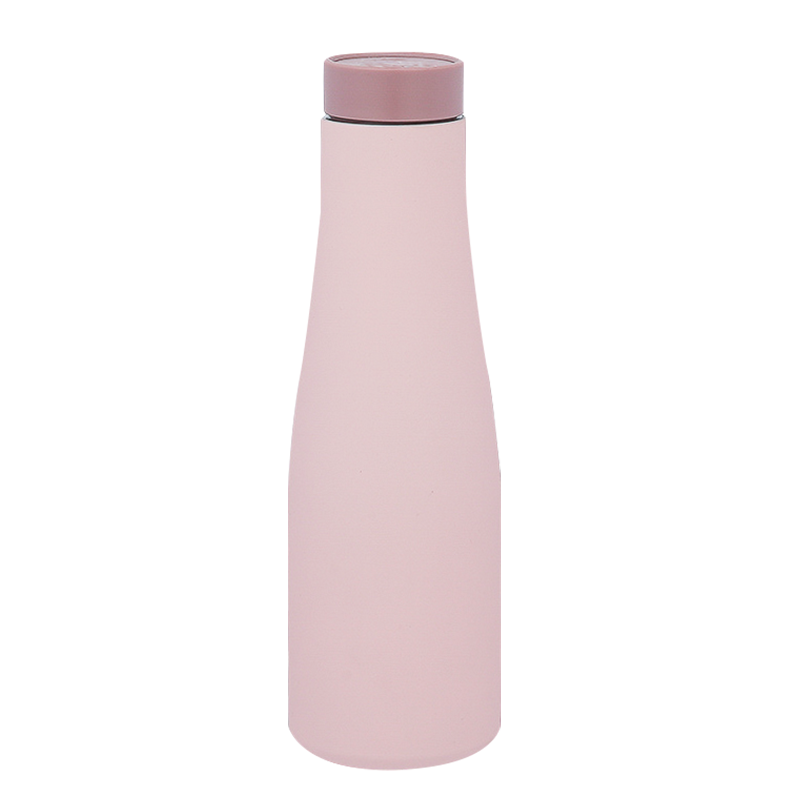
Powder coating can achieve matte, semi-matte, and various textured finishes, making it suitable for stainless steel cups that require specific aesthetic qualities and surface durability. However, the coating's ultimate performance depends on the coating formulation, film thickness, and production process.
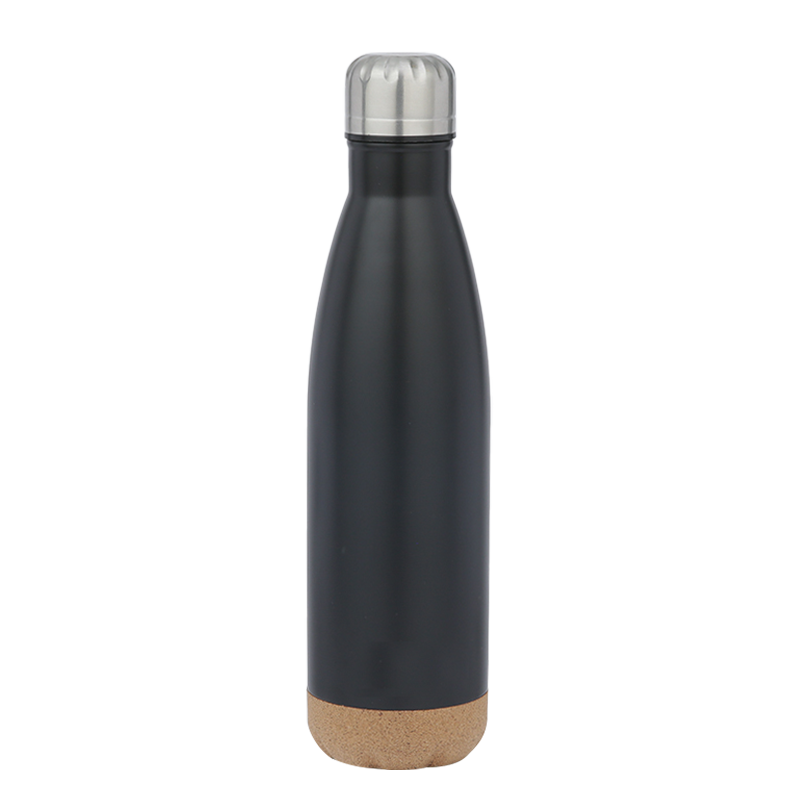
Liquid painting is a process in which liquid coating material is evenly applied to the surface of a stainless steel cup using equipment such as a spray gun, followed by drying or curing to form the coating. Liquid spray painting offers significant decorative flexibility, allowing for a wide range of colors, gloss levels, and special visual effects tailored to customer specifications. In the production of custom stainless steel cups, liquid spray painting is frequently employed to meet branding requirements regarding color and product design.
The production process typically encompasses surface cleaning, coating formulation, spraying, drying or curing, and final product inspection. Factors such as coating viscosity, spray uniformity, and drying conditions directly influence the quality of the finished product.
The primary distinctions between powder coating and liquid spray painting lie in the form of the coating material and the application method. Powder coating utilizes solid powder materials that generally require heat curing, whereas liquid spray painting employs liquid coatings that dry or cure according to the specific coating system used.
Visually, powder coating is well-suited for achieving various matte and textured finishes, while liquid spray painting excels at meeting diverse requirements for color, gloss, and specialized decorative effects.
Regarding environmental impact, traditional powder coatings typically do not rely on the volatile organic solvents found in liquid paints to form the coating film; however, the actual environmental footprint of either process must be assessed based on specific materials, equipment, and production management practices.
In terms of durability, both powder coating and liquid spray painting can deliver strong performance through appropriate material selection and process control. It is incorrect to assume that powder coating is inherently better suited to liquid spray painting; actual performance should be evaluated based on the specific coating system and test results.
The quality of the spray coating on stainless steel cups is closely linked to various stages of production. First, the cup surface must undergo proper cleaning and pretreatment to minimize the impact of oil and contaminants on coating adhesion.
Second, the choice of coating must align with the product's intended use and customer requirements. Since different products have varying demands regarding abrasion resistance, color stability, and surface feel, manufacturers should select the appropriate coating system based on specific needs.
Furthermore, spray uniformity, coating thickness, and curing conditions significantly affect the final outcome. Manufacturers must strengthen process control and verify product quality through relevant tests, such as those for adhesion and abrasion resistance.
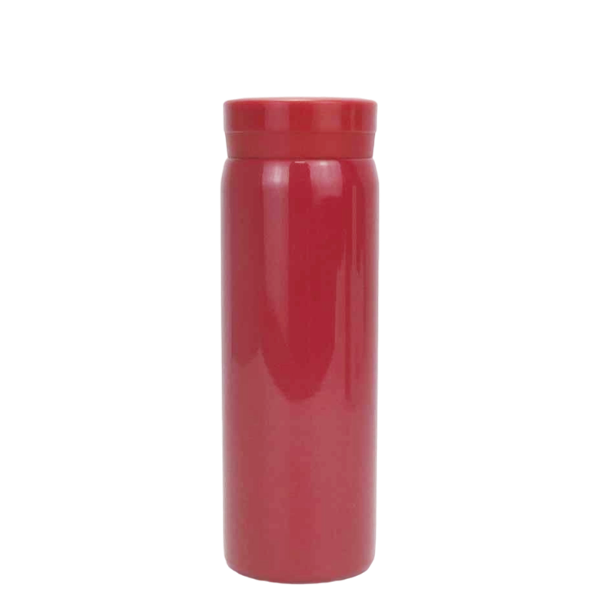
For stainless steel cup manufacturers, the coating process impacts not only the product's appearance but also brand image, customer satisfaction, and market competitiveness.
This is particularly relevant in OEM and ODM custom manufacturing, where overseas clients often prioritize product color, surface texture, logo presentation, and consistency across mass production. Factories should clearly define requirements during the sample approval stage and maintain stable process standards during full-scale production.
By improving surface treatment technologies, strengthening quality management, and meeting personalized customer needs, enterprises can further enhance the value-added of their products.
Powder coating and liquid painting are common surface treatment processes in stainless steel cup manufacturing. Powder coating offers distinct advantages regarding specific textures and coating applications, whereas liquid painting provides greater flexibility in terms of color and decorative effects.
Neither process is inherently better suited for every product; enterprises should make a comprehensive choice based on product positioning, usage environment, customer requirements, costs, and quality standards.
As the stainless steel cup market evolves toward personalization, branding, and high quality, the strategic selection of coating processes and rigorous production quality control will help manufacturers enhance product competitiveness and meet the diverse demands of both domestic and international markets.
Your email address will not be published. Required fields are marked *
* Your email is safe with us, we don't spam.

Our company's products include vacuum flasks, beer mugs, coffee mugs, car tumbler, fire stove and tensile parts, etc.
Phone: +86-13566758039
Tel: +86-0579-87171178
Fax: +86-0579-87171178
E-mail: [email protected]
Add: No.29, Qiaodong Road, Qiaotouzhou Village, Longshan Town, Yongkang, Jinhua, Zhejiang, China.
Copyright © 2026 Yongkang Aijun Industry & Trade Co., Ltd.



 English
 中文简体
中文简体 日本語
日本語 Français
 Español