+86-13566758039


Whether for daily hydration at home or in the office, or for carrying along during travel and outdoor activities, water cups have become an integral part of every aspect of our lives.
Although Vacuum Titanium Cup and Stainless Steel Cups serve similar everyday purposes, each offers distinct advantages regarding the user experience and suitability for specific scenarios—differences that are often clearly perceptible in daily use. Comparing these aspects provides a clearer and more practical understanding of the distinctions between the two.
A titanium cup is a piece of drinkware formed from titanium. One of the things users tend to notice is its low weight. Despite feeling light when carried, titanium has the strength needed for a reusable drinking vessel, which makes it a practical material for gear that moves from one place to another.
This characteristic becomes particularly relevant outside the home. A titanium cup can be packed with camping equipment, placed in a travel bag, or carried as part of a personal outdoor kit without becoming a noticeable burden. It can also be used for hot and cold drinks, so the same cup can remain part of a routine across different situations.
The experience is not determined by the metal alone. The shape of the cup, its size, the rim, the grip, and the way it fits into other equipment can change how convenient it feels in actual use.
A stainless steel cup is made from stainless steel and has long been part of everyday drinkware. It can be found in domestic kitchens, workplaces, dining areas, restaurants, and a variety of outdoor environments.
One reason the material fits these settings is that it does not require an elaborate care routine. After use, the cup can be washed, dried, stored, and brought out again when needed. This straightforward cycle works well for people who use the same drinkware repeatedly throughout the day.
Stainless steel cups also cover a broad range of designs. Some are shaped for ordinary household use, while others are made with carrying and outdoor use in mind. As a result, the material provides a starting point, but the actual feel of a cup still depends heavily on its construction.
The contrast between titanium and stainless steel is easy to notice when the cups are handled side by side.
A titanium cup generally feels light as soon as it is picked up. That difference becomes more noticeable when the cup is being carried with other belongings. For hiking, travel, commuting, or other situations where personal gear is kept to a manageable load, the lighter feel can make a difference.
A stainless steel cup tends to feel more substantial in comparison. There is a noticeable presence when it is held, placed on a desk, or set down on a table. For everyday use in a kitchen or office, that added weight may simply feel familiar and natural.
There is no need to reduce the comparison to a question of which material is better. The two materials suit different preferences and patterns of use. Someone who regularly carries drinkware may pay closer attention to weight, while another user may prefer the more substantial feel of stainless steel.
The construction of the cup should also be taken into account. Wall thickness, shape, size, surface treatment, and grip can all influence the way a cup feels, even when two products use the same material. In practical terms, the choice comes down to the environment in which the cup will be used and the handling experience that feels right for that routine.
Titanium cups typically feel very light in the hand, making them easy to carry and move around. Their metal construction ensures structural sturdiness without the heavy feel associated with heavier types of drinkware.
Compared to lightweight metal drinkware, stainless steel cups often provide a more substantial or solid feel during use. This difference is noticeable whether you are holding the cup, placing it on a table, or carrying it from one place to another.
The daily user experience also depends on the product's design. A cup designed for home use may differ in shape from one intended for travel; the material is just one aspect of the overall product experience.
Although both types of cups can serve similar drinking purposes, their characteristics can to different experiences.
| Comparison Point | Titanium Cup | Stainless Steel Cup |
|---|---|---|
| Material | Titanium | Stainless steel |
| Handling | Light and easy to carry | Solid and stable in the hand |
| Durability | Designed for repeated use | Designed for repeated use |
| Portability | Convenient for mobile use | Suitable for everyday carrying |
| Drinking Experience | Lightweight metal feel | Familiar metal drinkware feel |
| Heat and Cold Use | Suitable for hot and cold drinks | Suitable for hot and cold drinks |
| Common Settings | Travel and outdoor use | Home, office, travel, and outdoor use |
| Maintenance | Straightforward routine cleaning | Straightforward routine cleaning |
The differences become more noticeable when the cup is used in specific situations. Someone who frequently carries personal drinkware may pay more attention to handling and portability, while someone who mainly uses a cup at home may focus on stability and everyday convenience.
When reusable drinkware is used day after day, durability is not simply about whether the cup can withstand regular handling. The way it is carried, washed, stored, and used also shapes the overall experience. Titanium and stainless steel are both established materials for reusable cups, but they bring different characteristics to everyday use.
Titanium Cups
A titanium cup makes particular sense when the cup needs to travel with the user. Its low weight is noticeable when it is placed inside a bag or carried together with other equipment, while the metal construction gives it a firm, durable feel during ordinary handling.
This combination is relevant to outdoor activities, travel, and other situations where drinkware is packed and unpacked regularly. Instead of adding a substantial amount of weight to personal gear, a titanium cup can remain relatively unobtrusive while still serving as a reusable drinking vessel.
Stainless Steel Cups
Stainless steel has a long history in everyday drinkware, partly because it fits naturally into routines involving regular washing and repeated use. A stainless steel cup generally feels more substantial in the hand and when placed on a table.
For home, office, dining, and similar environments, that sense of solidity can be part of the appeal. The cup can move through a familiar cycle of drinking, washing, drying, and storage without requiring a complicated routine.
There is no single way to judge durability because people put their drinkware through very different routines.
Someone who spends considerable time outdoors may care about how easily a cup can be packed, carried, and handled away from home. A person who keeps the cup at a desk or in a kitchen may pay more attention to how it fits into everyday washing and storage.
Frequency of use also changes the picture. A cup carried on occasional trips has different demands from one that is picked up several times a day. Looking at durability in the context of actual use gives a more meaningful comparison than treating the material alone as the deciding factor.
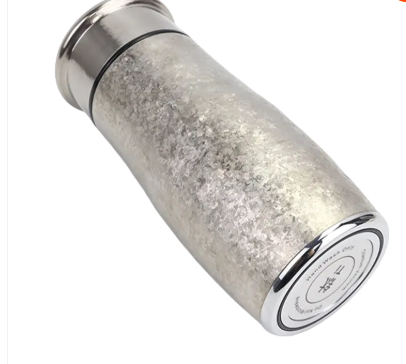
Once the comparison moves away from material characteristics and into everyday handling, the differences become easier to notice.
Drinking Experience
The difference may be the feel of the cup itself. Titanium drinkware tends to feel light when held, while stainless steel generally has a heavier presence. Neither sensation is inherently preferable; it comes down to what feels natural for the person using the cup.
The rim is another part of the drinking experience that should not be overlooked. A well-finished rim can affect how comfortably the cup meets the lips, while the shape and grip influence how easily it can be held.
The beverage also changes the experience. Drinking water from a simple cup is different from using the same vessel for coffee or tea. Temperature, serving style, cup shape, and the way the cup is held all contribute to how the drinkware feels in use.
Temperature Adaptability
Both materials can be used with hot and cold beverages, but the experience in the hand may change as the temperature of the drink changes.
With a hot beverage, heat can travel through the metal and affect the outside surface of the cup. With a cold drink, the exterior may feel noticeably cooler, and moisture can appear on the outside depending on the surrounding conditions.
For this reason, material should not be considered in isolation. The shape of the cup, its construction, the way it is held, and the type of beverage all have a role in everyday handling.
Portability
For people who regularly carry their own drinkware, weight becomes a practical consideration rather than a purely technical detail.
Titanium has an advantage in this particular area because a cup made from it can remain light while being carried with other personal belongings. This makes the material a natural fit for travel bags, camping equipment, and outdoor kits where every item becomes part of the overall load.
Stainless steel can also be taken on trips or used outdoors. Its more substantial feel may appeal to users who are less concerned about carrying weight and prefer drinkware that feels solid during handling.
Ultimately, portability is closely tied to the way the cup will be used. Someone moving between locations throughout the day may value a different combination of characteristics from someone who mainly uses the cup at home or in an office.
The right material can depend heavily on where the cup will be used.
Outdoor activities often involve carrying several items at once. In this setting, the handling and portability of a cup can become important considerations.
Titanium can fit well into lightweight outdoor setups, particularly when the cup needs to be carried for extended periods. Stainless steel can also work in outdoor environments, especially for users who prefer a more substantial drinking container.
At home or in an office, portability may have less influence on the decision. The cup may spend much of its time on a kitchen counter, desk, dining table, or shelf.
In these settings, stainless steel can fit naturally into everyday drinkware collections. Titanium can also be used indoors, particularly by people who already prefer lightweight metal drinkware.
Travel combines portability with repeated use. A cup may need to be packed, removed, cleaned, and stored several times during a trip.
For travelers who pay close attention to carrying weight and packing space, titanium can be an appealing material to consider. Stainless steel remains an option for users who value its familiar handling and everyday feel.
A titanium cup can perform many of the same basic functions as a stainless steel cup, so there is considerable overlap between the two. Both can be used for drinking water, coffee, tea, and other beverages, and both can become part of a reusable drinkware routine.
The question is less about whether one can perform the same basic task and more about whether its characteristics fit the user's needs.
Someone who frequently travels or spends time outdoors may place greater importance on portability. Someone who mainly drinks at home or in an office may pay more attention to handling, stability, and familiarity.
There are also users who may have no need to replace one material with another. If an existing cup already fits a particular routine, changing materials may not provide a meaningful difference for every situation.
Choosing between titanium and stainless steel becomes easier when the comparison starts with your actual routine. The material itself only tells part of the story. Where the cup goes, how often it is handled, what you drink from it, and how it fits into your daily habits can all influence which option feels more appropriate.
Start by looking at the places where the cup is likely to spend of its time. A cup kept in a kitchen has different requirements from one that travels inside a backpack or moves between different work locations.
For home use, storage and everyday handling may matter more than portability. At an office, the cup may remain on a desk for much of the day. Outdoor use introduces another consideration because the cup becomes part of a larger collection of equipment that needs to be carried.
A cup that stays in one place does not have the same role as one that travels with you every day.
If you regularly move between home, work, outdoor locations, or travel destinations, the weight and shape of the cup may become noticeable over time. Titanium can be attractive in this type of routine because of its lightweight character.
For a cup that normally stays on a desk or in a kitchen cabinet, portability may have little influence on the decision. In that case, the way the cup feels when picked up, placed down, washed, and stored may matter more.
Your usual drinks are another part of the decision that is easy to overlook. Water, coffee, tea, and other beverages can create different expectations when it comes to handling and drinking.
Hot drinks, in particular, make the design of the cup more noticeable because the heat of the beverage can affect how the outside of the vessel feels. Cold drinks can create a different experience, especially when condensation forms around the exterior.
Rather than focusing only on the material, consider the complete drinking experience. The shape, rim, grip, and construction of the cup all contribute to how it works with the beverages you normally choose.
Titanium generally gives a lighter sensation when held, which can be appealing to people who prefer unobtrusive drinkware. Stainless steel usually feels more substantial in comparison, and some users may find that sense of solidity more familiar.
Neither preference needs to be treated as a technical advantage. It is largely a matter of personal handling. If possible, holding the cup before making a decision can reveal details that are difficult to understand from a product description.
Cleaning and storage are part of everyday use, especially when the cup is used repeatedly.
Think about where the cup will be washed and where it will stay between uses. A kitchen user may want it to fit naturally with other cookware and drinkware. Someone who travels may need to place it inside a bag or store it together with outdoor equipment.
The same consideration applies to the cleaning routine. If the cup is used throughout the day, washing and drying will become regular parts of its use. A material choice that fits comfortably into that routine is easier to live with over time.
Looking at these practical details gives a clearer basis for comparing titanium and stainless steel. Instead of asking which material should be chosen in general, it is more useful to ask which one matches the way the cup will actually be carried, handled, cleaned, and used.
Titanium and stainless steel cups can both serve as practical reusable drinkware, but they offer different experiences in terms of handling, portability, and everyday use. Titanium can make sense for people who value a lightweight feel and frequently carry their cup, while stainless steel can fit users who prefer a familiar and substantial metal cup for everyday settings.
There is no need to treat the choice as a simple material comparison. The more useful approach is to consider where the cup will be used, how often it will be carried, what drinks it will hold, and how it fits into the rest of the user's routine. Looking at these factors together provides a clearer way to choose between titanium and stainless steel without relying on a single feature.
Your email address will not be published. Required fields are marked *
* Your email is safe with us, we don't spam.

Our company's products include vacuum flasks, beer mugs, coffee mugs, car tumbler, fire stove and tensile parts, etc.
Phone: +86-13566758039
Tel: +86-0579-87171178
Fax: +86-0579-87171178
E-mail: [email protected]
Add: No.29, Qiaodong Road, Qiaotouzhou Village, Longshan Town, Yongkang, Jinhua, Zhejiang, China.
Copyright © 2026 Yongkang Aijun Industry & Trade Co., Ltd.



 English
 中文简体
中文简体 日本語
日本語 Français
 Español