+86-13566758039


Camping equipment has gradually become more focused on portability. When a backpack carries shelter, clothing, food, and cooking items, even a small piece of tableware needs to fit into the overall arrangement. Cup size affects not only drinking capacity but also how easily the item can be stored between other pieces of gear.
A compact cup can serve a straightforward purpose without taking up much room. For some camping routines, the cup may be used mainly for water or a hot drink. Other setups may require the same container to handle simple food preparation or temporary storage.
The intended activity makes a noticeable difference. A short walk to a campsite does not create the same packing concerns as a route involving frequent changes in location. Campers who carry cooking equipment may also have different requirements from those who rely on separate containers for food and drinks.
Several practical factors can influence the choice:
Capacity is only one part of the decision. A cup that holds enough liquid but occupies awkward space can still create packing difficulties. Shape, material, and storage position all contribute to how useful a small cup becomes in an outdoor setup.
Titanium is often used in outdoor tableware because the material allows a compact structure without creating a heavy-feeling item. For backpacking, where equipment may need to be carried for extended periods, material choice can influence the overall packing experience.
The appeal of a Small Titanium Cup also comes from its size. A smaller body can fit into gaps between cooking containers, bottles, or other equipment. Nested storage can make better use of limited backpack space, particularly when several items need to share one compartment.
Cup construction matters alongside material. A thin wall may reduce bulk, while the rim needs enough structure to maintain its shape during ordinary use. The base also affects stability when the cup is placed on uneven outdoor surfaces.
Handling deserves attention as well. A narrow body can be easy to grip but may provide less room for larger hands. A wider opening can make drinking easier and may also simplify cleaning after use.
Outdoor use commonly involves:
Heat also changes the way a metal cup feels in the hand. Hot liquid can warm the cup wall, so the rim and grip area become relevant parts of the design.
The appropriate size depends heavily on how the cup will be used. A container intended only for occasional drinks does not need the same internal space as one expected to support several tasks.
For drinking, the desired amount of liquid provides a natural starting point. Coffee drinkers may prefer a different size from campers who mainly use the cup for water. Tea preparation can also involve additional space around the liquid surface, particularly when hot water needs to be handled without spilling.
| Camping Use | Size Consideration | Practical Focus |
|---|---|---|
| Water Drinking | Compact capacity | Easy carrying and quick access |
| Coffee or Tea | Moderate internal space | Comfortable drinking and heat handling |
| Simple Cooking | More usable interior room | Stirring and handling |
| Short Outdoor Trip | Compact structure | Storage convenience |
| Longer Camping Routine | Broader usage needs | Drinking and cooking flexibility |
Camping duration can change the calculation. A brief outing may require only a simple drinking vessel, while an overnight trip can involve repeated drinks and cooking activities. Limited access to water can also make cup capacity more relevant.
Storage should remain part of the sizing decision. A cup that fits inside another container can reduce unused space, while an awkward diameter may occupy more room than its actual capacity suggests.
The relationship between size and function becomes clearer when daily camping habits are considered. A smaller vessel may work well when drinking is the only task. Additional cooking or food preparation needs can call for a different balance between internal room and packability.
Drink choice can influence the preferred cup shape as much as capacity. Coffee and tea are commonly consumed while sitting near a campsite, so a stable base and comfortable rim can matter during use.
Water creates a simpler requirement. A cup used for quick drinks can remain compact and easy to reach. When the same vessel is expected to hold a larger drink for longer periods, a slightly different shape may feel more practical.
The opening deserves attention. A wider rim allows easier cleaning and can make pouring hot liquid more manageable. A narrower opening may reduce exposed surface area but can make access inside the cup less convenient.
A few details are worth checking before selecting a size:
For backpacking equipment, a suitable cup size is closely connected to actual use. Capacity, opening shape, storage needs, and cooking habits all influence the balance between compactness and everyday convenience.
Capacity alone does not determine how a cup fits into a backpack. The outer shape can change how much space remains around the vessel, especially when several pieces of equipment are packed together.
A tall, narrow cup may fit into a bottle-shaped storage space, while a wider and shorter design can offer easier access from the top. Neither shape suits every packing arrangement. Backpack organization, cooking equipment, and available storage gaps all influence the practical choice.
The base deserves particular attention outdoors. Uneven ground can make a narrow base easier to tip, especially when the cup contains hot liquid. A broader base can provide greater contact with the surface, although the added width may affect storage.
Rim design also affects everyday handling. A smooth edge can make drinking more comfortable, while a wider opening can simplify cleaning and pouring. Handles introduce another consideration because they may improve grip but also require additional space when packed.
For compact camping equipment, useful shape checks include:
A Small Titanium Cup with a practical shape can occupy a useful place in a backpack without interfering with nearby equipment. The right balance depends on how the cup is stored as much as how it is used at the campsite.
Material selection influences more than weight. Titanium has a combination of lightness, corrosion resistance, and durability that makes it suitable for compact outdoor tableware. Its relatively thin construction can also support a small storage footprint.
Heat transfer remains relevant during use. A metal cup can become warm when filled with hot liquid, so the design of the rim, body, and grip area affects handling. Allowing the cup to cool appropriately can also make cleaning and storage easier.
Surface condition plays a role in maintenance. Smooth surfaces generally leave fewer areas for residue to collect, while scratches, dents, or rough edges can make cleaning less convenient. Outdoor use can expose tableware to sand, soil, cooking residue, and other contaminants.
Cleaning requirements are usually simple, but access inside the vessel still matters. A narrow opening may make it harder to reach the interior, particularly when the cup has been used for food rather than drinks.
Several construction details deserve attention:
Material and form work together during camping. A lightweight metal body may reduce packing burden, while thoughtful construction can make drinking, cooking, cleaning, and storage easier to manage.
The purchase decision can start with the intended role rather than the appearance of the cup. A vessel used only for drinks may need a different capacity and shape from one expected to support cooking.
Storage is another useful checkpoint. The cup should fit naturally within the available packing arrangement rather than forcing other equipment into less convenient positions. Nesting capability can be helpful when cookware already has compatible dimensions.
Actual handling should also receive attention. A cup may look compact but feel awkward when filled or carried. Rim thickness, base stability, body width, and handle placement can all influence everyday use.
A practical checklist includes:
Heat use deserves separate consideration. When hot drinks or cooking are involved, the distance between the liquid surface and rim becomes relevant. A very full vessel can be harder to carry without spilling.
Long-term use can bring additional concerns. Changes in shape, surface condition, or handle attachment may affect the way the cup performs during outdoor activities. Regular inspection can help identify visible problems before the next trip.
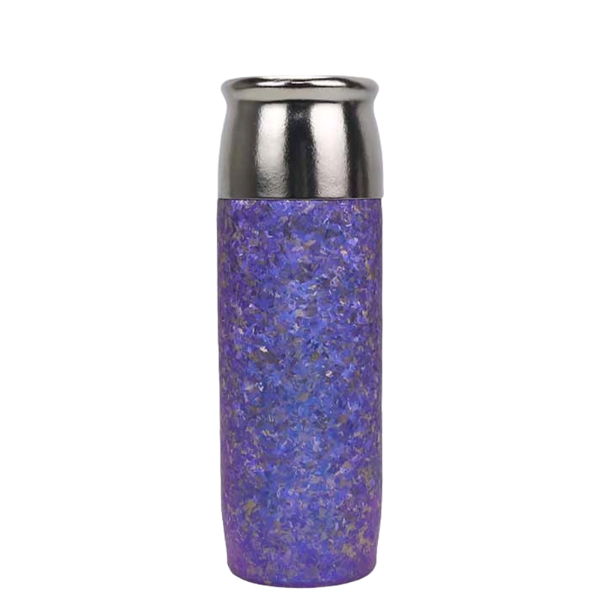
A smaller cup may reduce occupied space, yet reduced capacity can create practical limitations. Frequent refilling can become inconvenient when water access is limited or when several drinks are prepared during a camping routine.
Larger vessels bring another trade-off. More internal space can support cooking or longer drinking sessions, while the wider body may take up more room inside a backpack. Storage compatibility can matter as much as the cup's internal capacity.
The intended use provides a useful reference point. A compact drinking vessel may suit a minimalist setup built around separate cooking equipment. A multi-purpose cup may require additional interior room and a shape that allows food preparation.
| Selection Factor | Smaller Size | Larger Size |
|---|---|---|
| Pack Storage | Easier to fit into small gaps | Requires more room |
| Quick Drinks | Convenient for limited use | More liquid per filling |
| Cooking Use | Limited interior space | More room for preparation |
| Carrying | Compact handling | Larger body to manage |
| Multi-Purpose Use | Depends on task | More flexible for varied tasks |
The useful size is rarely determined by capacity alone. Drinking habits, cooking needs, storage arrangement, base stability, and cleaning access all affect the final choice.
For ultralight backpacking, a Small Titanium Cup can make sense when compact storage and simple daily use are priorities. A slightly larger vessel may be more practical when one cup needs to serve several purposes. The choice comes down to the relationship between available space, intended use, and the amount of liquid or food preparation required at camp.
Your email address will not be published. Required fields are marked *
* Your email is safe with us, we don't spam.

Our company's products include vacuum flasks, beer mugs, coffee mugs, car tumbler, fire stove and tensile parts, etc.
Phone: +86-13566758039
Tel: +86-0579-87171178
Fax: +86-0579-87171178
E-mail: [email protected]
Add: No.29, Qiaodong Road, Qiaotouzhou Village, Longshan Town, Yongkang, Jinhua, Zhejiang, China.
Copyright © 2026 Yongkang Aijun Industry & Trade Co., Ltd.



 English
 中文简体
中文简体 日本語
日本語 Français
 Español