+86-13566758039


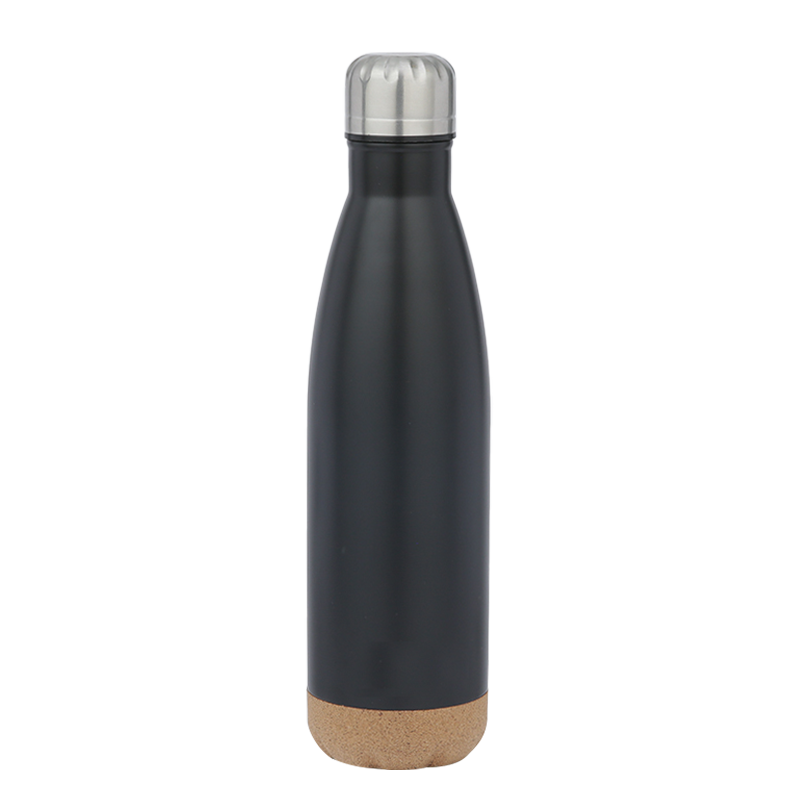
Daily drink containers have started shifting toward options that feel less damaging to the surroundings. Traditional plastic bottles and metal tumblers still dominate shelves, but growing unease about waste piles and resource extraction pushes people toward alternatives. Bamboo Thermos Flask emerge as one practical response. The outer layer comes from a plant that grows back quickly after cutting, often without needing replanting or heavy chemicals. Inside, a stainless steel liner handles the temperature work reliably. Together they create something that keeps beverages hot or cold for extended stretches while carrying a visible natural texture.
Households reach for these flasks during mornings when tea or coffee needs to last through breakfast and errands. Offices see them sitting on desks, quietly holding warmth through long work sessions. Commuters slip them into bags for the ride, avoiding repeated purchases of throwaway cups. Outdoor outings—walks, picnics, or short hikes—benefit from the ability to carry a hot drink or chilled water without extra bulk. The appeal lies in the balance: functionality stays intact, appearance feels organic, and the overall footprint appears smaller than conventional choices. This combination draws attention in a time when small, repeated decisions matter more to many users.
Bamboo stands out as a resource because it matures rapidly compared with conventional timber. Stalks reach usable height in a few years, and harvesting leaves the root network intact so new shoots appear without replanting. Carbon absorption happens steadily during growth, helping offset some atmospheric impact. Soil erosion stays lower in bamboo groves than in many crop fields, since the dense root system holds ground together. Once groves get going they need almost no extra work—no heavy digging, hardly any added fertilizer, and many types push back pests on their own. That keeps the whole setup feeling light on the land. The stalks grow pretty straight, which makes it easier later when cutting pieces that need to wrap around a curved flask body. After harvest the plants just keep pushing up fresh shoots season after season, so there' s no need to rip out big areas or start over from scratch. Compared with slow-growing hardwoods that demand replanting and long wait times, bamboo offers a much quicker turnaround and less disruption.
When turned into flask sleeves, bamboo brings strength without much weight. The material flexes slightly under pressure yet resists cracking in normal handling. Natural texture provides grip even when hands are damp from rain or condensation. Insulation qualities come partly from the cellular structure—air pockets within the fibers slow heat transfer through the outer wall. Processing keeps things simple: stalks get cleaned, split into curved sections, sanded smooth, and sometimes lightly heated to improve stability against humidity changes. Minimal chemical treatments preserve the original grain and color. This approach maintains the material' s inherent qualities while making it suitable for repeated daily use. When splitting, the team follows the natural bend of each stalk so the pieces sit snug against the steel liner with almost no gaps. Sanding goes step by step—coarse to knock off rough bits, then finer grades to draw out the grain without sanding away too much character. A bit of controlled heat, if used, settles the fibers so the sleeve doesn' t twist or warp much when hot liquid goes in or when the flask sits in humid air. No thick coats or strong dyes get added—the idea is to leave the surface close to how the bamboo grew. That leaves small differences in tone and pattern between flasks, so each one has its own quiet look instead of looking stamped out the same way every time.
Visual appeal comes from the visible bamboo grain running along the body. Light brown tones vary slightly between pieces, giving each flask a distinct character rather than uniform factory sameness. Clean lines keep the shape simple—tapered slightly toward the top, wide enough at the base to stand steady on uneven surfaces. Edges around the lid and bottom get rounded carefully so nothing snags on clothing or feels sharp during grip. The grain shows up clearly—some pieces have tight close rings, others more open spacing—which creates small differences even in the same production run. Light hits the surface gently instead of flashing back like shiny metal does. Usually the bamboo wraps around the body, leaving only a narrow steel edge at the top or bottom for a smooth shift between materials. That keeps the appearance calm—not too wild and rustic, not too cold and modern.
Customization options appear in some versions: simple engravings on the bamboo surface, subtle color accents on the lid, or different grain patterns chosen during assembly. These touches allow users to select something that feels personal without turning the flask into a loud statement piece. Weight distribution stays balanced—full contents do not make the top feel heavy or prone to tipping. Handles or textured areas on certain models improve hold, especially during longer carries. Overall ergonomics focus on comfort during repeated opening, closing, and sipping, making the flask easy to live with across different routines. Engraving usually stays shallow so it doesn' t cut too deep into the wall. Any color touches on the lid stay in soft tones that blend with the bamboo instead of clashing. The balance keeps the flask from tipping forward when it' s half full. Grip zones with light texture help fingers stay steady if the outside gets a bit wet from condensation or mist. Lid movement—twist or flip—stays smooth even after hundreds of uses; no catching or sloppy looseness builds up. Little things like these make the flask feel natural to handle day after day without any fuss.
Temperature maintenance relies on the inner steel liner paired with a vacuum layer that blocks heat escape. Hot drinks poured in the morning remain warm enough for sipping well into the afternoon. Cold beverages hold their chill through several hours of outdoor exposure. The bamboo outer sleeve adds a secondary buffer—slowing external heat gain on hot days or cold loss in cooler weather. Vacuum part does the main job, keeps heat trapped inside or cold locked in. Bamboo sleeve just slows down how fast the outside temperature messes with things. Morning coffee poured at home still feels decent at lunch time, not ice cold. Ice water in summer stays cold enough for a whole afternoon walk. No need to keep adding hot water or ice cubes every couple hours. The bamboo layer also means the outside doesn' t get burning hot when you pour boiling tea in, or freezing when it' s ice water—hands don' t complain after holding it a while. Works fine without feeling like you' re carrying some fancy double-insulated thing with extra weight.
Safety concerns favor the material combination. Stainless steel inside avoids flavor transfer and resists rust from acidic drinks like citrus water or herbal infusions. Bamboo on the outside brings no known harmful leaching under normal use. The lightweight build makes carrying less tiring—easy to toss into a bag or hold for extended periods. Portability suits short commutes, longer trips, or active days where bulk matters. Durability shows in everyday knocks; the bamboo layer absorbs minor impacts without denting like bare metal would. These practical traits make the flask useful across varied situations without constant replacement. Steel liner handles lemon water or strong herbal tea without getting rusty spots or leaving metal taste after a full day. Bamboo outside doesn' t pick up weird smells even if you forget to rinse it right away. Weight stays light enough that you don' t mind carrying it around all morning in a bag or holding it while walking. Drop it on grass or onto a wooden floor from desk height—usually just a small mark on the bamboo, nothing deep or broken. That kind of toughness means it survives daily bumps—bag getting tossed around, setting it down hard on a table—without falling apart or needing to buy a new one every few months. The whole thing just keeps working without much drama.
Switching to reusable containers like these helps cut down on single-use bottles and cups that pile up fast. Every refill takes the place of something disposable that would just go straight to waste. Bamboo breaks down naturally over time once thrown out—unlike plastic that splits into tiny bits and never really goes away.
Production sticks to ways that keep damage low: bamboo comes from managed groves, cutting and shaping use low power, packaging stays recyclable or minimal. The whole method cuts back on petroleum-based parts that show up in lots of drinkware. When someone uses the same flask month after month or year after year, the difference in waste adds up in a way you can see. This small shift fits into daily habits where little decisions stack up over time into something bigger. Groves don' t usually clear big areas; they cut carefully and let natural regrowth happen between harvests. Shaping and assembly keep energy modest with basic tools. Packaging uses simple paper or cardboard that recycles easily. Skipping heavy plastic liners or thick coatings keeps material use down. Refilling one flask instead of grabbing throwaways every day quietly lowers waste over months. The routine stays easy—no extra hassle—so it becomes normal without feeling forced. The bamboo and steel mix lasts long enough to make the change worthwhile and lines up with everyday efforts to lighten the load on the environment.
| Daily Situation | Common Beverage Types Handled | Key Benefits Observed |
|---|---|---|
| Home Morning Routine | Tea, coffee, herbal infusions | Temperature lasts through breakfast and chores |
| Office Desk Use | Coffee, water, lemon infusions | Quiet operation, no reheating needed during work |
| Commuting and Travel | Hot drinks, chilled water | Fits in bags, maintains temperature on the move |
| Outdoor Walks or Short Hikes | Soup, hot water for meals | Lightweight carry, withstands minor bumps |
| Evening Relaxation | Broths, infused drinks | Keeps warmth for slow sipping, non-reactive surface |
Commuters rely on these flasks to start the day with hot coffee or tea that stays drinkable until lunch. The compact size fits easily in backpacks or messenger bags without taking up much room. Office workers place them on desks where they preserve warmth through meetings and focused tasks. The natural exterior blends with various workspaces without looking out of place. Morning rush sees the flask grabbed quickly—coffee still warm at the desk hours later. Bag space stays free for other stuff. Desk use keeps it quiet—no loud clinking or spills during calls. The bamboo look sits fine next to laptops or notebooks; doesn' t scream “plastic gadget.” One flask handles the commute and the office without needing anything else.
Outdoor activities benefit from the same reliability. Hiking trails see the flask carrying boiled water for rehydrating meals or keeping soup warm during rest stops. Camping trips use it for evening drinks around the fire. The bamboo layer handles rough handling better than smooth metal—less likely to dent or scratch noticeably. Everyday routines round out the picture: gym sessions, errands, or casual walks where a portable drink stays at the right temperature without extra effort. One container adapts to these different contexts seamlessly. Trails mean the flask gets knocked against rocks or roots—bamboo takes it without big marks. Camping means sitting by fire with hot drink still good after dark. Gym bag tosses it around—no dents. Errands or short walks, water stays cold. The same flask works for all these without feeling wrong anywhere.
Eco-conscious goods keep picking up steam because more folks are paying attention to waste and where resources come from. Reusable stuff that actually works without being a hassle gets steady looks. Bamboo products slide right into that spot—natural grain you can see, solid everyday use, nothing fake or throwaway about it. People spot the bamboo right away and notice it isn' t another plastic shell or shiny metal. Demand builds because it feels like a genuine move away from single-use junk while still handling coffee, tea, or water like it should.
Demand comes from different crowds: commuters who need something that carries reliably all day, health-minded people who want drinks to taste clean without weird aftertastes, outdoor types who need something tough enough to take on trails without adding weight. Social media and casual talk help get the word out—someone posts a photo of the flask sitting on a rock during a hike, another mentions how the coffee stayed warm through a long shift, someone else notes they haven' t bought plastic bottles in weeks. These little shares spread naturally. The market grows bit by bit as more people run into it in real life—see it on a coworker' s desk, spot it in a gym bag, notice it during a weekend walk—and realize it fits their routine without feeling forced. Commuters snap quick shots of morning coffee in the car. Health people say it doesn' t leave any strange flavor behind. Outdoor folks show it strapped to a pack on the trail. Someone sees it, tries it, likes it, tells a friend. That' s how it spreads—no big ads needed, just normal use in normal places. Market keeps getting bigger because it lines up with habits people already have, not because it' s the latest shiny thing.
Sourcing bamboo consistently requires careful coordination. Not all regions produce stalks of uniform quality, and seasonal variations can affect supply timing. Maintaining sustainable harvesting practices adds complexity to the chain. Some groves deliver straighter stalks, others more curved—teams have to sort and match. Weather shifts can delay cuts or change quality. Keeping harvests sustainable means no rushing or over-cutting, which slows things down sometimes.
Price points sometimes sit higher than basic plastic or plain metal alternatives, which can slow adoption among budget-focused buyers. The natural material, while durable in normal use, may show wear faster in very rough conditions—scratches from rocks or fading from prolonged sun exposure. Manufacturers address these through improved surface treatments and careful assembly, though limitations remain in harsh settings. Awareness of these trade-offs helps set realistic expectations. Higher price comes from bamboo sourcing and handwork. Rough use leaves marks sooner than metal. Treatments help, but nothing makes bamboo invincible. Buyers who know this don' t get surprised later.
Consumer habits shift gradually toward choices that reflect environmental concern. Everyday items become small signals of values—carrying a reusable flask instead of grabbing disposables shows intent. Bamboo versions carry that message quietly through their appearance and material story. The flask sits there looking natural instead of plastic—people notice without being told.
Responsibility spreads across routines: choosing containers that last longer, avoiding unnecessary waste, favoring natural over synthetic when possible. Companies involved in production reinforce this trend by focusing on ethical sourcing and low-impact methods. Brand perception improves when actions match stated values, building trust over time. These shifts influence broader patterns in how people approach daily consumption. People start picking things that last. Waste gets avoided bit by bit. Natural materials feel right over fake ones. Production that sources carefully gets noticed. Trust builds when the talk matches the doing. Daily buying slowly changes because of these small signals.
Product lines evolve to meet changing needs—different capacities for varied routines, lid designs that open more smoothly, surface finishes that resist marks better. Availability grows as demand increases in more regions. Sizes adjust for short vs long days. Lids get easier to use one-handed. Finishes take scratches less. More places carry them as interest spreads.
Material combinations may develop further—pairing bamboo with other renewable elements for added strength or insulation without losing the natural character. Production looks for ways to reduce energy use and waste during shaping and assembly. These incremental steps keep the flasks aligned with evolving expectations around sustainability and usability. Bamboo mixes with other green materials for better toughness. Energy in cutting and assembly drops where possible. Waste gets trimmed. Changes stay small but steady—keeps the flask useful as people expect more from eco items without losing the natural feel.
Bamboo thermos flasks offer a practical blend of natural material, reliable temperature holding, and understated appearance that aligns with current interest in responsible choices. Aijun operates as a factory focused on eco-conscious drinkware, including bamboo-covered thermos flasks, with emphasis on material quality, careful assembly, and real-world suitability for daily use.
Your email address will not be published. Required fields are marked *
* Your email is safe with us, we don't spam.

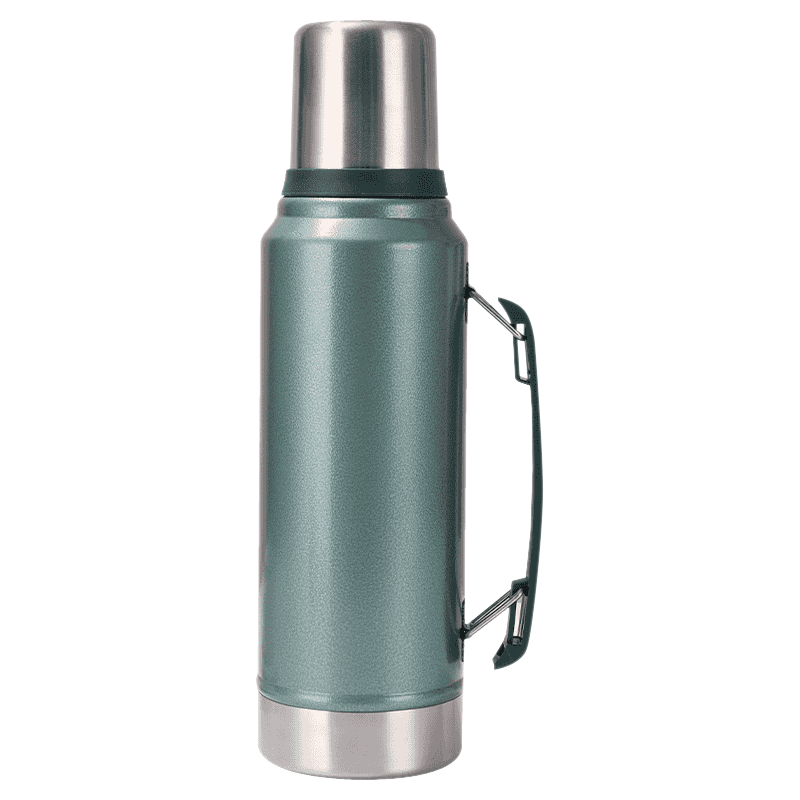
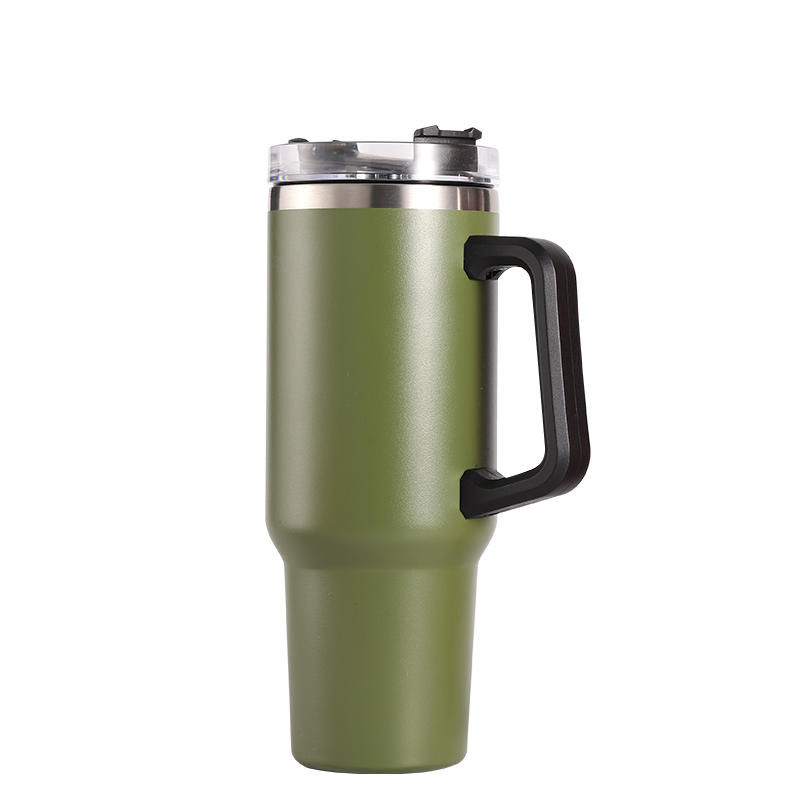
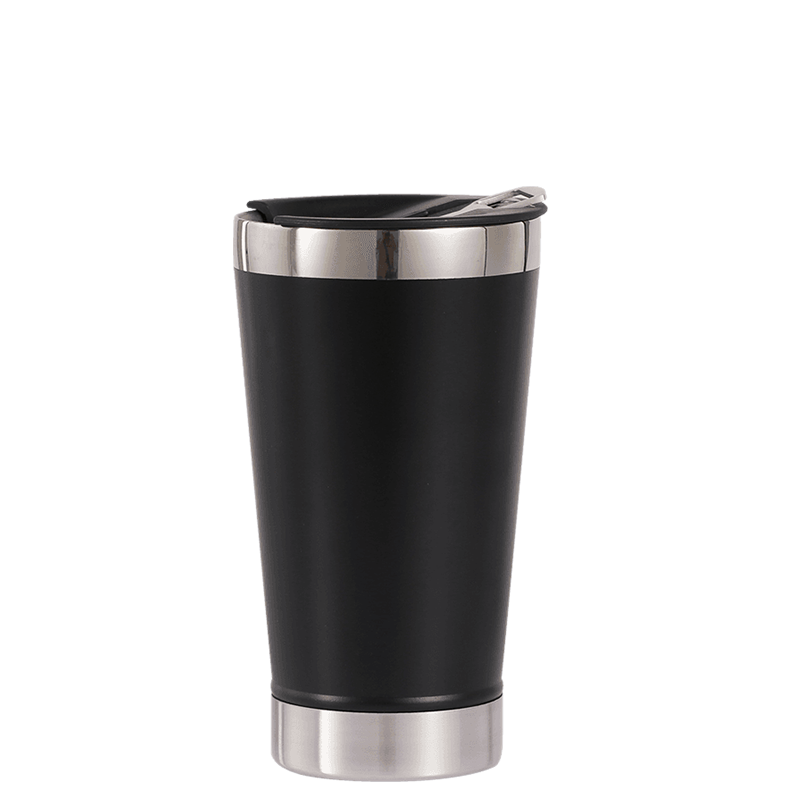
Our company's products include vacuum flasks, beer mugs, coffee mugs, car tumbler, fire stove and tensile parts, etc.
Phone: +86-13566758039
Tel: +86-0579-87171178
Fax: +86-0579-87171178
E-mail: [email protected]
Add: No.29, Qiaodong Road, Qiaotouzhou Village, Longshan Town, Yongkang, Jinhua, Zhejiang, China.
Copyright © 2026 Yongkang Aijun Industry & Trade Co., Ltd.



 English
 中文简体
中文简体 日本語
日本語 Français
 Español