+86-13566758039

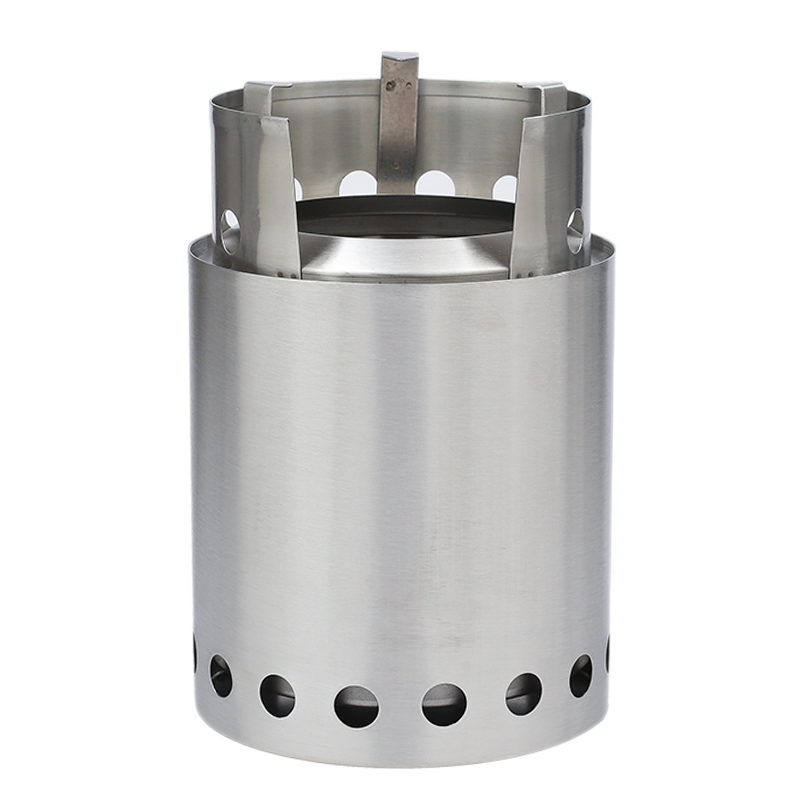
Seven-inch Integrated Small Stainless Steel Stove ...
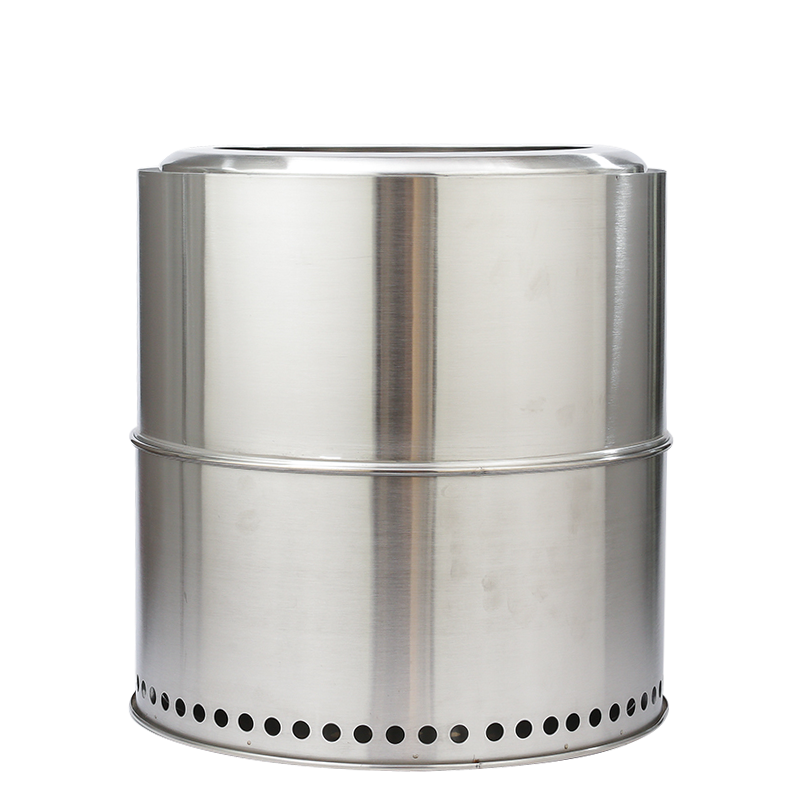
A Stainless Steel Fire Pit offers a dependable way...
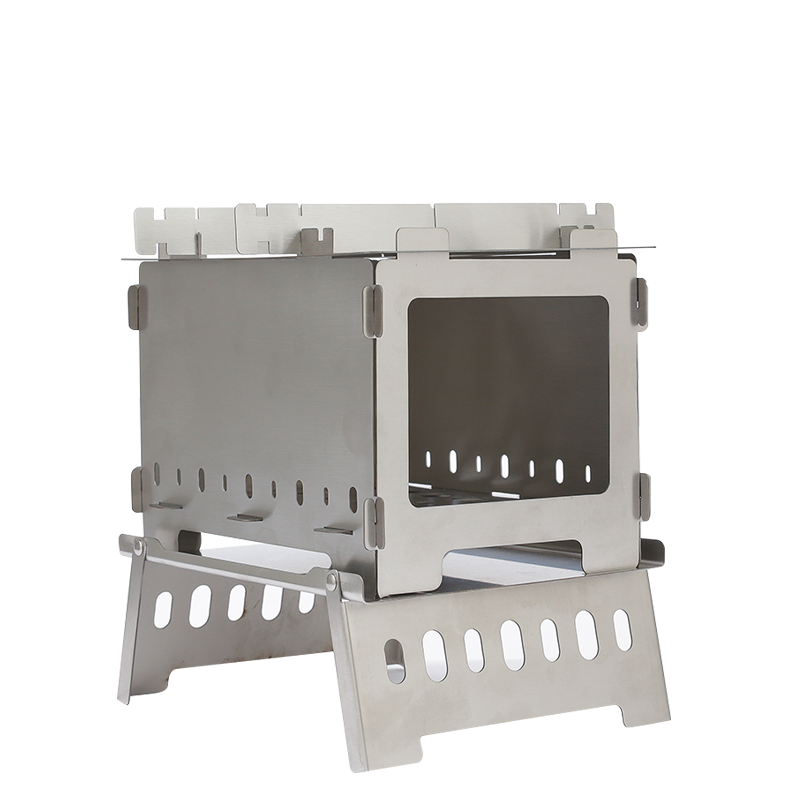
Portable Cooking Solution: Card Type Folding Firew...
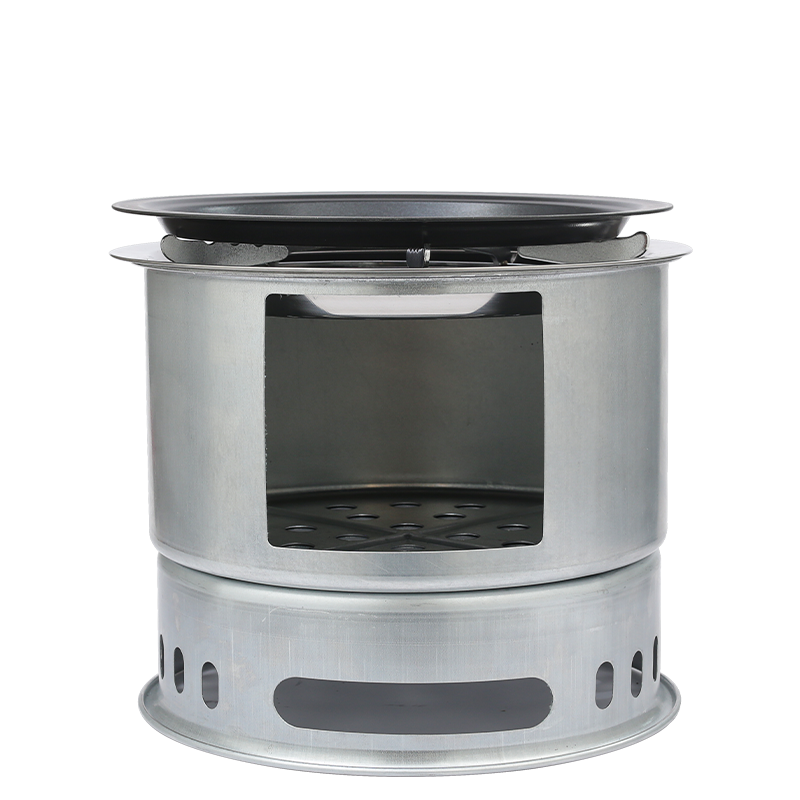
Galvanized Multifunctional Firewood Stove Overview...
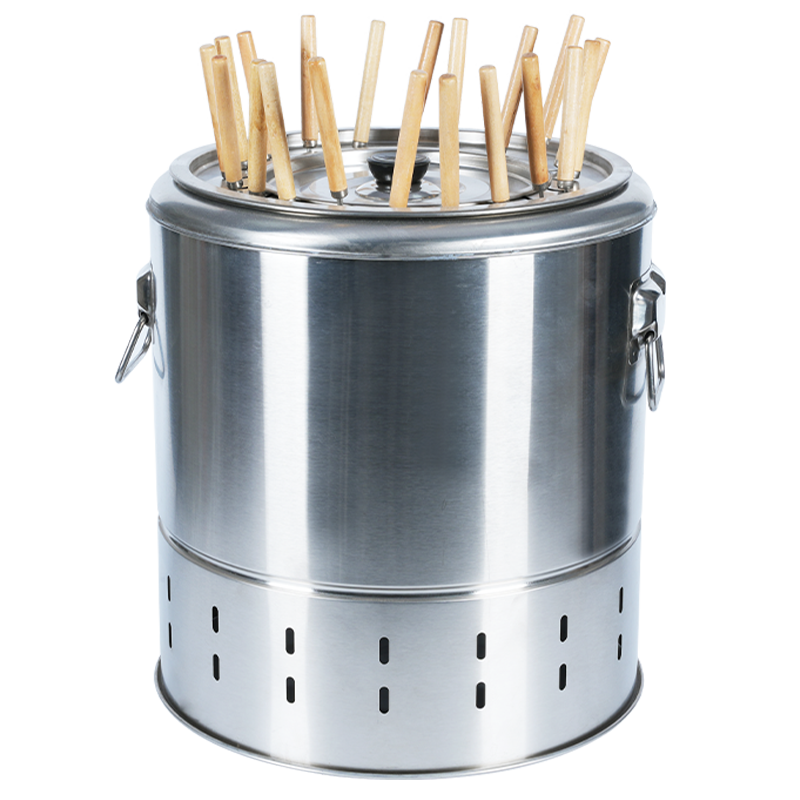
The Portable Picnic Two-stage Firewood Stove Bonfi...
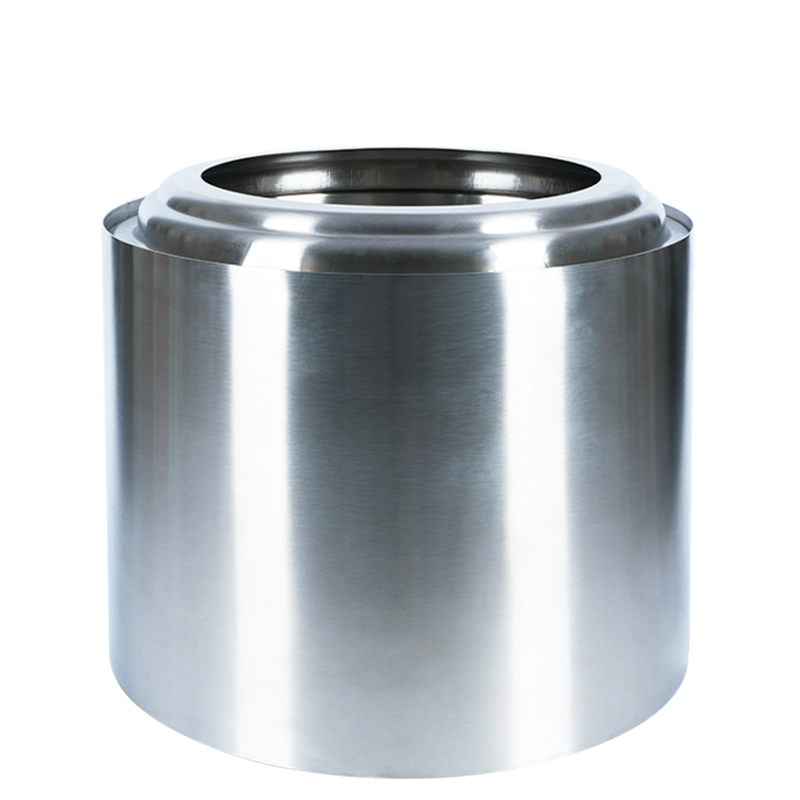
Why Choose the Outdoor Removable Burning Cooker Fi...
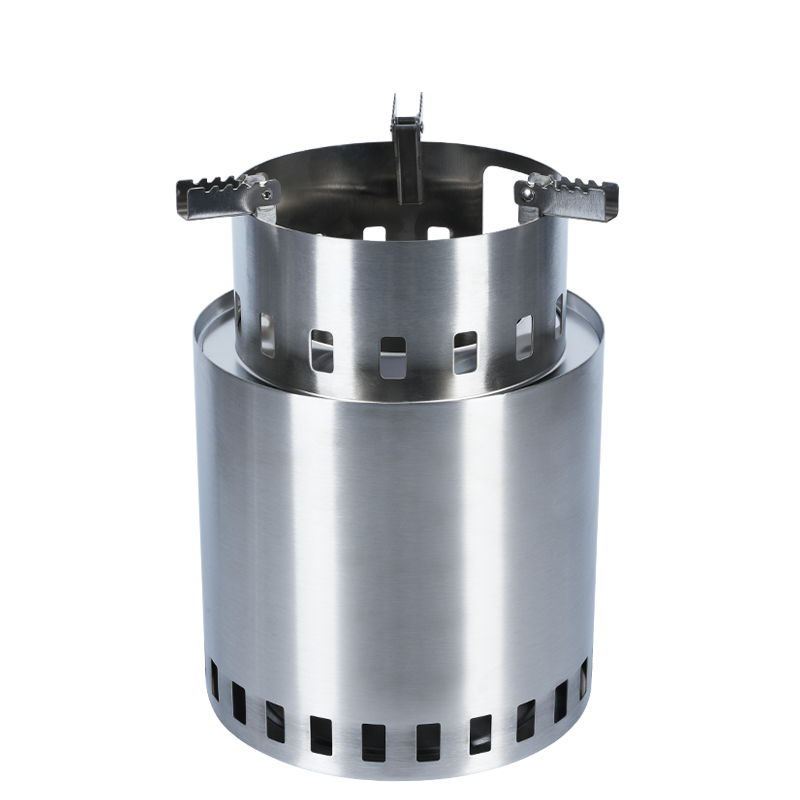
The Outdoor Double-layer Picnic Two-stage Firewood...
A good camp meal doesn't require a complicated setup—it needs a steady flame, dependable hardware, and a stove that's easy to pack. AIJUN's fire stove collection is built for outdoor cooking where simplicity and performance matter, from quick picnic lunches to multi-day camping trips.
Our outdoor cooking fire stove designs focus on real usability: fast assembly, stable support for pots and pans, and airflow that helps fuel burn efficiently. Whether you're boiling water for coffee, heating soup, or cooking a full one-pan dinner, these stoves are made to deliver practical heat with less fuss. Many models work well as a multifunctional firewood cooking stove, giving you flexible options when you want to cook with readily available fuel in outdoor settings.
For brands and distributors, AIJUN provides consistent production and quality control to support long-term supply. As an OEM outdoor fire stove manufacturer, we help customers develop products that fit their market—whether that means adjusting structure, finish, packaging, or branding. If you're building a reliable outdoor category for retail, promotions, or wholesale programs, our fire stoves offer an efficient way to bring durable, travel-ready cooking gear to your customers.


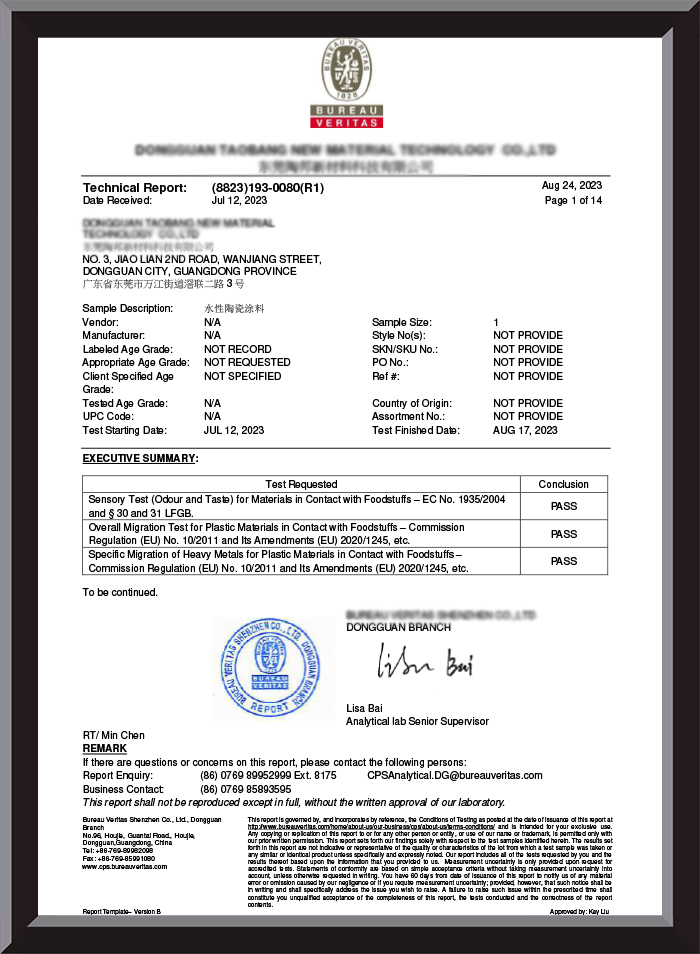


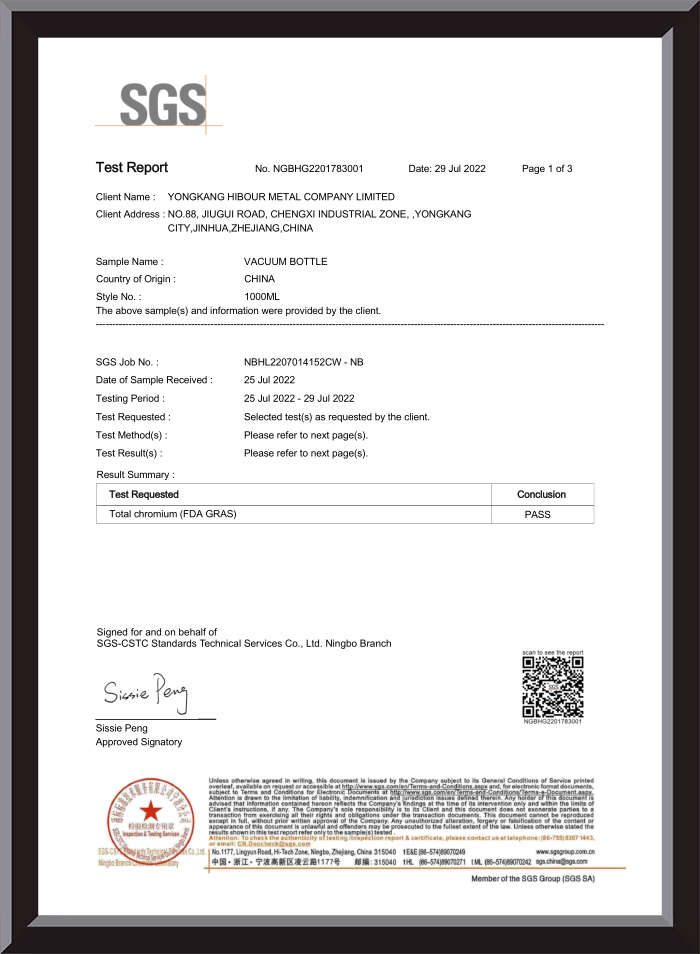
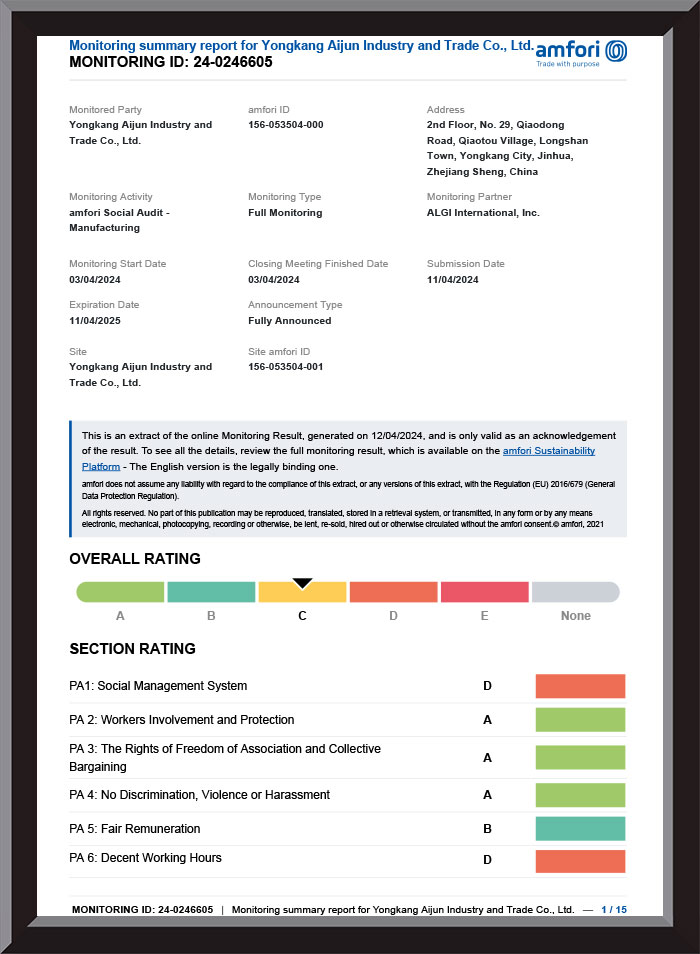
Outdoor camping keeps drawing more folks looking to unwind and spend time away f...
View MoreBamboo shoots up fast after you cut it, which makes it stand out as a highly vis...
View MoreDue to the long history of stainless steel cups, conventional electrolytic stain...
View MoreMobile work and everyday commuting have become normal for lots of people, meanin...
View MoreOutdoor cooking has changed. Many campers still love the romance of an open flame, but they also want gear that's predictable: faster boil times, less smoke, and fewer "why won't this stay lit?" moments. That's why the modern outdoor cooking fire stove has become a staple for everything from tailgates to minimalist campsites.
If you're buying for personal use, the right stove makes meals easier. If you're sourcing for retail or distribution, the right design choices reduce complaints, improve reviews, and drive repeat orders.
1) Start with heat control, not just portability
Portability is important, but it's rarely the reason customers leave a five-star rating. Performance is.
A well-designed stove should help users create a consistent flame and maintain usable heat—especially when wind, damp fuel, or uneven ground tries to ruin dinner. In practical terms, that means stable pot support, dependable airflow, and enough clearance for the fuel to burn without choking.
2) Airflow is the hidden feature behind "easy cooking"
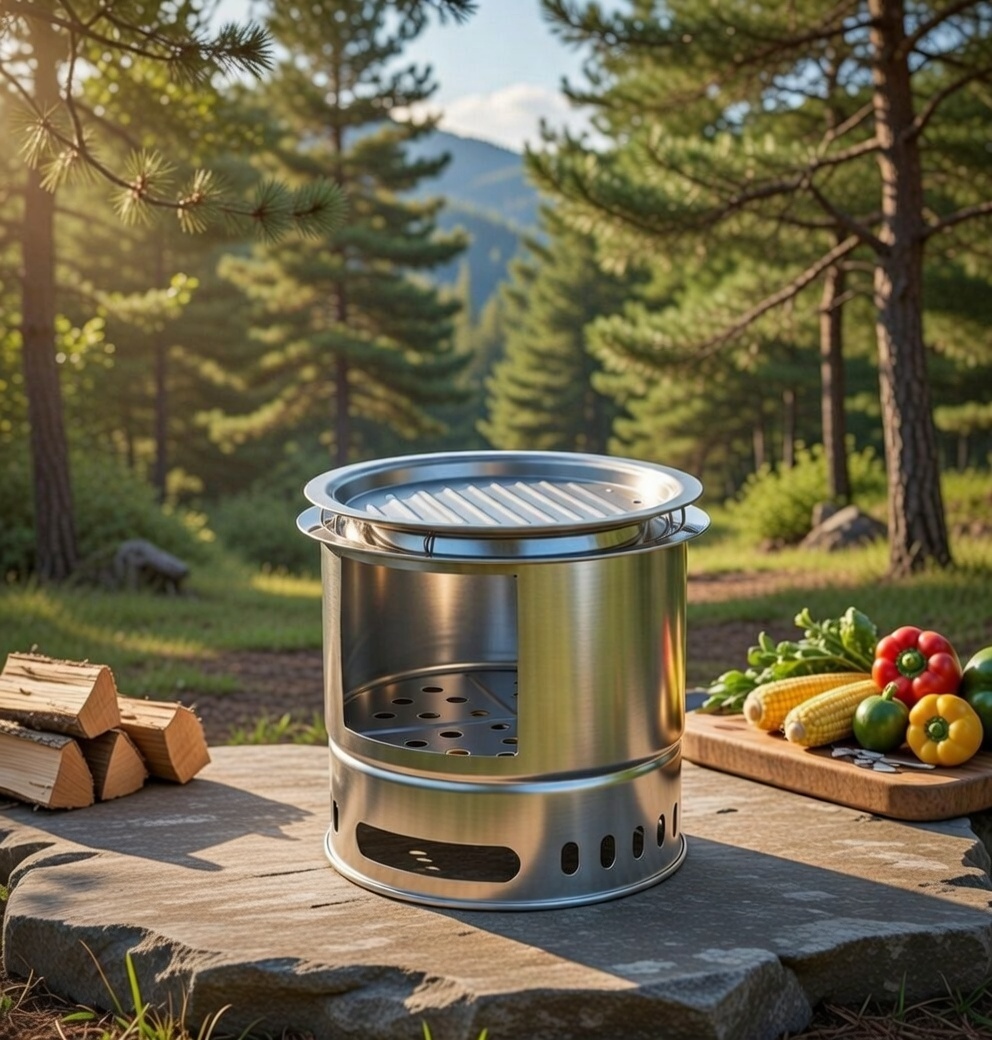
Many people assume smoke is just part of wood cooking. In reality, smoke often signals incomplete combustion—usually caused by poor airflow or wet fuel.
A strong multifunctional firewood cooking stove typically uses a structure that encourages oxygen flow to the burn area while allowing ash to drop away from the hottest zone. This helps the fire burn cleaner and more steadily, which is exactly what outdoor cooks want when they're trying to boil water or simmer a pot.
Signs of a practical airflow design include:
3) Stability and "cookability" beat raw size
In Western markets, many customers use outdoor stoves for simple, repeatable meals—coffee, oatmeal, soup, pasta, or skillet dishes. That kind of cooking demands a stable surface more than a large footprint.
When evaluating an outdoor cooking fire stove, focus on:
Those details directly affect user satisfaction and safety—especially for families, group trips, and first-time campers.
4) Material choice impacts lifespan and customer perception
Outdoor gear gets dragged, packed, heated, and cooled—again and again. Materials and finishing determine whether a stove looks "tired" after a season or remains a reliable companion for years.
Stainless steel is often valued for corrosion resistance and easier cleanup. Thicker, well-formed metal components help reduce warping after repeated heat cycles. For wholesale buyers, consistent material specs and repeatable forming processes are critical to controlling returns.
5) What buyers look for in an OEM partner
If you're building a product line, a stove's design is only half the story. The other half is supply reliability: consistent parts, predictable lead times, and quality checks that catch issues before they become customer reviews.
Working with an OEM outdoor fire stove manufacturer should make it easier to:
This matters because outdoor customers tend to be vocal. A single weak point—wobbly pot support, sharp edges, unreliable assembly—can dominate feedback even if everything else is good.
6) A simple buying checklist (useful for consumers and sourcing teams)
When selecting a stove, prioritize:
The best outdoor cooking fire stove designs are the ones that quietly do their job: burn efficiently, hold cookware steadily, and make outdoor meals feel effortless. If your audience wants flexibility with wood fuel, a thoughtfully built multifunctional firewood cooking stove is a strong choice. And for brands scaling a product line, partnering with an experienced OEM outdoor fire stove manufacturer helps keep quality consistent—so the product earns trust one trip (and one customer review) at a time.
* Your email is safe with us, we don't spam.

Our company's products include vacuum flasks, beer mugs, coffee mugs, car tumbler, fire stove and tensile parts, etc.
Phone: +86-13566758039
Tel: +86-0579-87171178
Fax: +86-0579-87171178
E-mail: [email protected]
Add: No.29, Qiaodong Road, Qiaotouzhou Village, Longshan Town, Yongkang, Jinhua, Zhejiang, China.
Copyright © 2024 Yongkang Aijun Industry & Trade Co., Ltd.

OEM Outdoor Fire Stove Manufacturer


 English
 中文简体
中文简体 日本語
日本語 Français
 Español