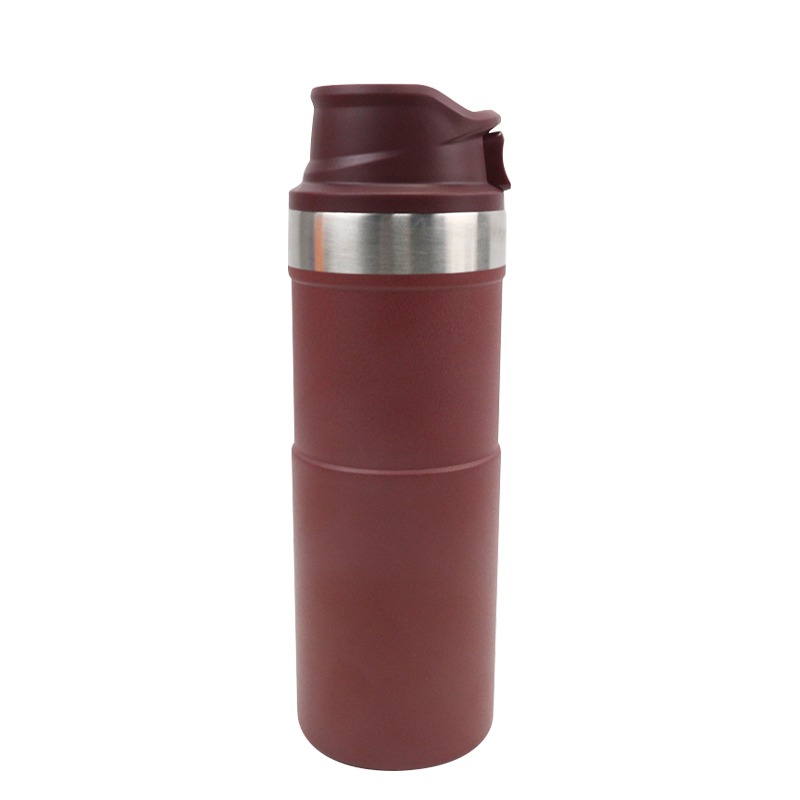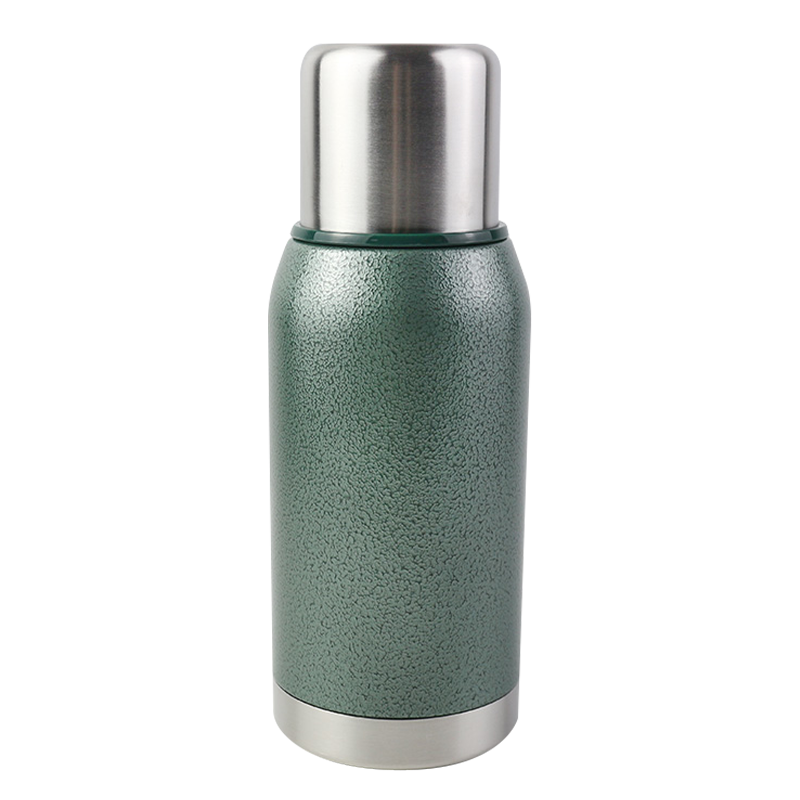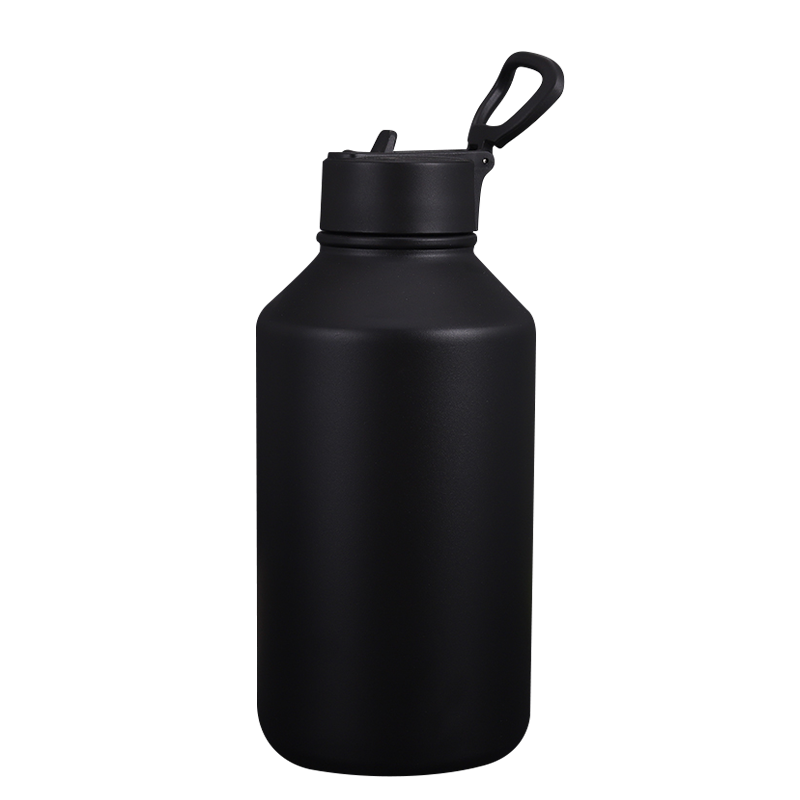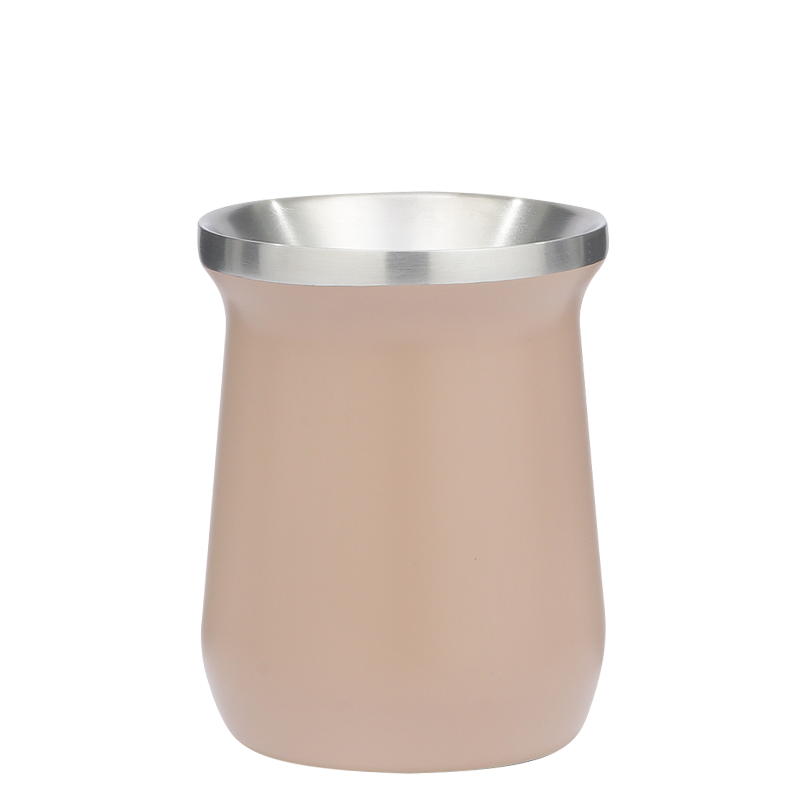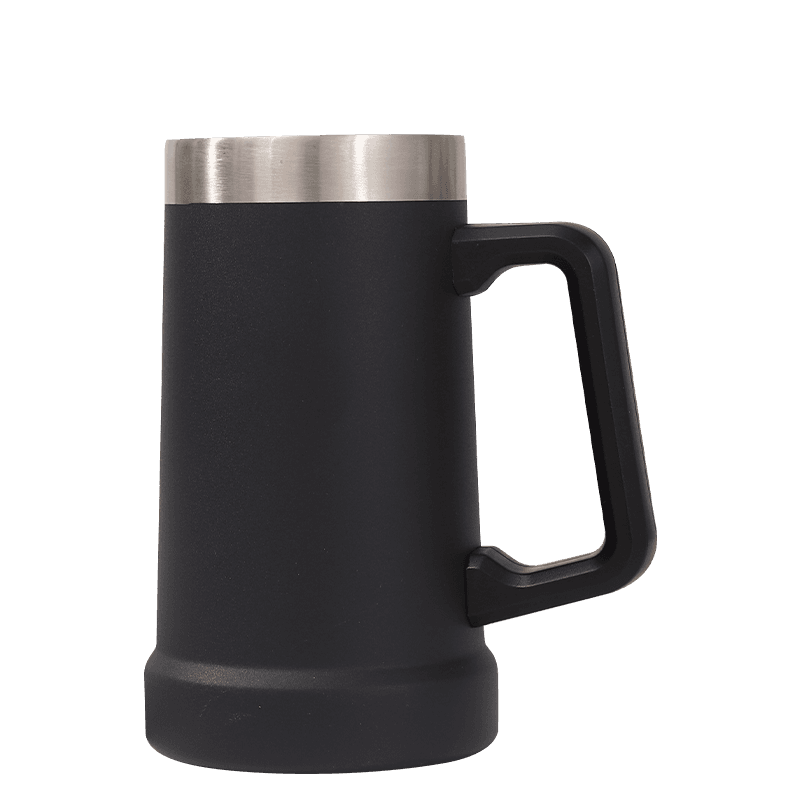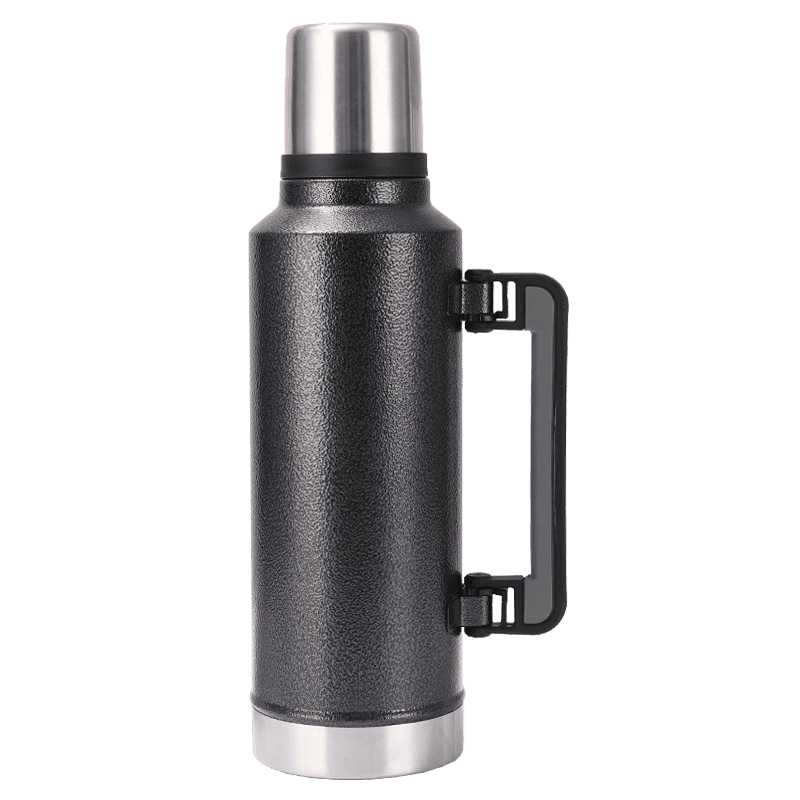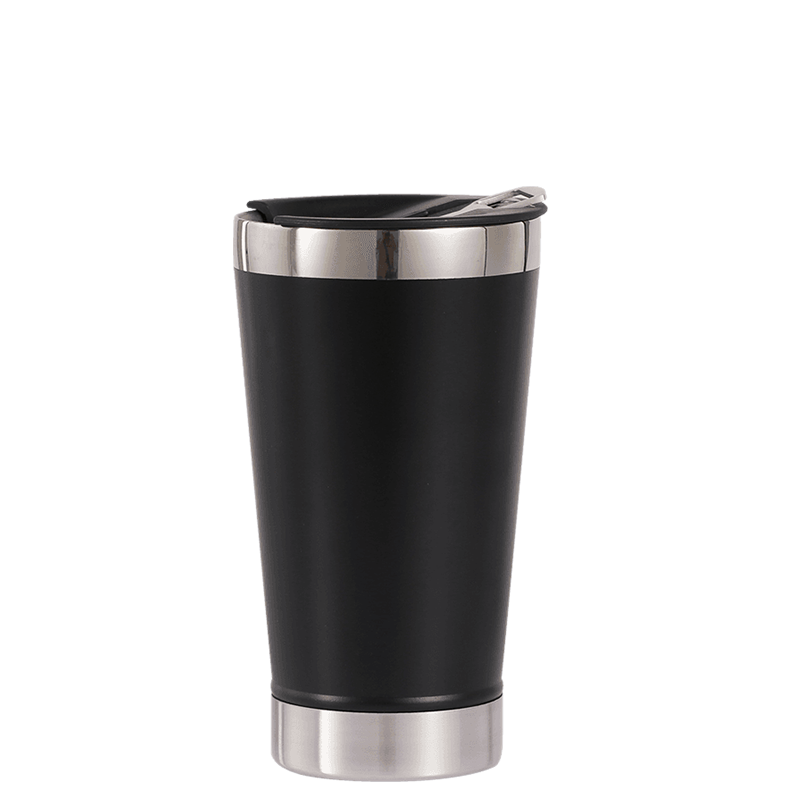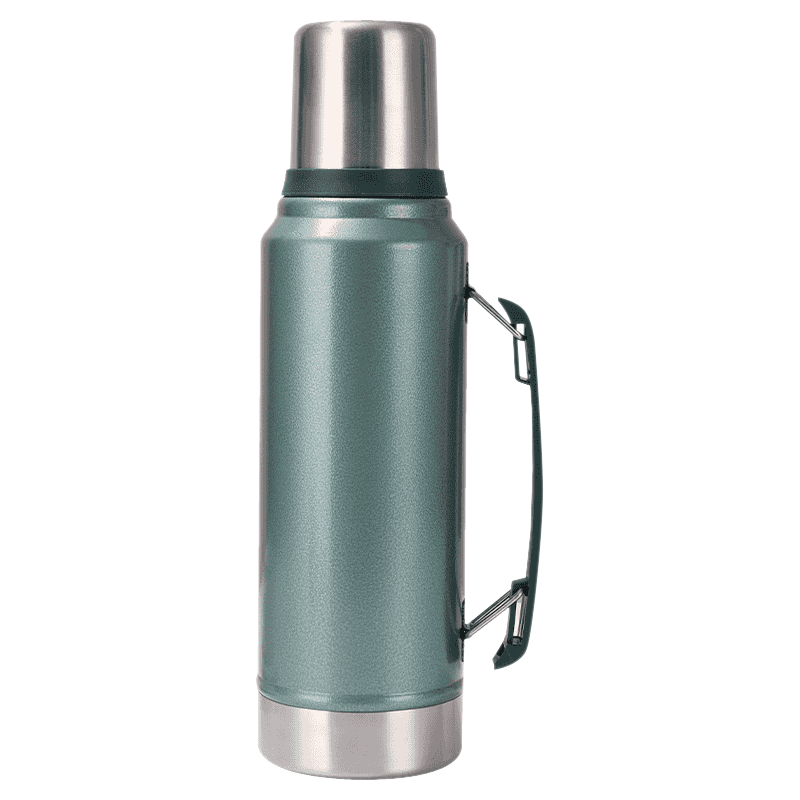


Bamboo shoots up fast after you cut it, which makes it stand out as a highly vis...
View MoreDue to the long history of stainless steel cups, conventional electrolytic stain...
View MoreMobile work and everyday commuting have become normal for lots of people, meanin...
View MoreOut in the backcountry, having enough clean water on hand makes or breaks the wh...
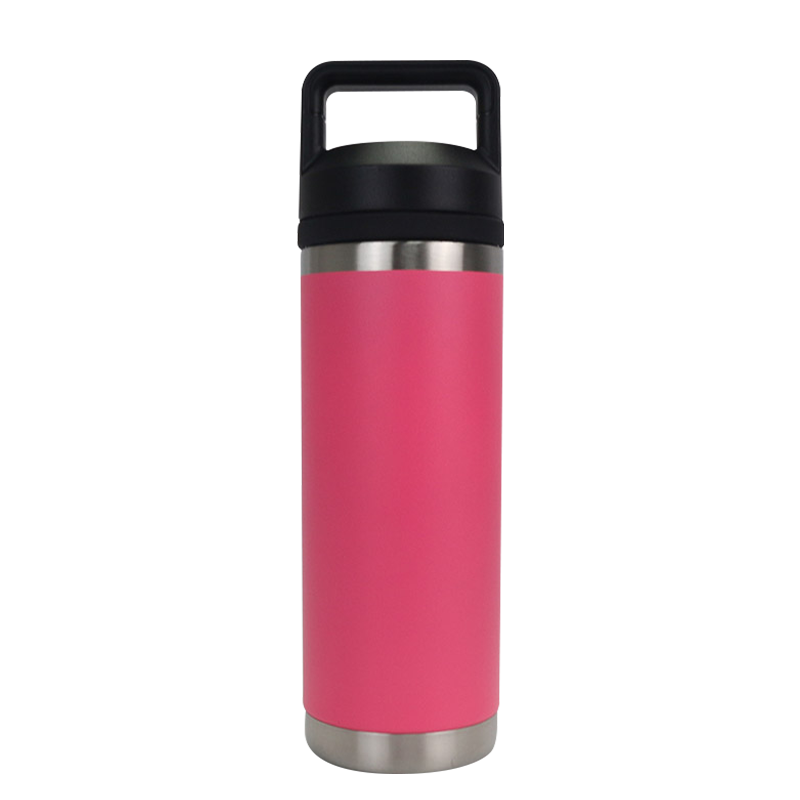
View MoreA good outdoor thermos is less about "holding a drink" and more about controlling a tiny climate you can carry. When conditions change—wind on a summit, shade in a forest, heat reflected off pavement—temperature stability becomes comfort, energy, and sometimes safety. The trick is knowing what actually drives performance, and what's just marketing gloss.
1) Vacuum insulation: the real engine
Most serious thermoses use double-wall vacuum insulation. The vacuum layer reduces heat transfer by limiting conduction and convection, which are the main ways your drink loses (or gains) heat. In plain terms: fewer pathways for heat to travel means your coffee stays hot longer and your iced tea melts slower. If you're comparing products, the most meaningful indicator is retention time under realistic conditions—how long it stays hot or cold after repeated opening, not just a best-case lab number.
2) Lid design matters as much as the bottle
Heat leaks through the lid more than people expect. A well-insulated lid reduces that "weak point," and a tight seal prevents both leaks and rapid temperature exchange. For outdoor use, look for a closure that's easy to operate with cold hands, and a structure that doesn't trap odors or residue. A lid that doubles as a cup is more than a gimmick—it helps you drink comfortably without carrying extra gear, and it keeps you from hovering your face over steam in strong wind.
3) Stainless steel: durability plus taste neutrality
High-grade stainless steel is popular for a reason: it's impact-resistant, corrosion-resistant, and doesn't hold flavors the way some plastics can. Outdoors, durability isn't only about surviving drops; it's also about resisting dents that can compromise the vacuum layer over time. A tough exterior finish improves grip and helps reduce visible wear, especially when your bottle lives next to tent poles, cookware, or climbing hardware.
4) Size, shape, and packability
A thermos that performs brilliantly but doesn't fit your pack becomes a "car bottle." For hiking and commuting alike, the best shape is usually tall and streamlined—easy to slide into a side pocket or wedge between gear. Capacity is a trade-off: larger volumes retain heat longer (more thermal mass), but add weight. Many people find a medium size works best for day trips, while a larger flask shines for long drives, group outings, or cold-weather camps.
5) Wide mouth vs. narrow mouth: choose based on use
Wide-mouth bottles are easier to fill, easier to clean, and friendlier for adding ice. That matters after sticky drinks, creamy coffee, or soup. Narrow-mouth designs can sip more neatly, but can be harder to clean thoroughly in the field. If you're using a thermos as part of a routine—daily coffee, weekend hikes, or both—easy cleaning is the detail that keeps it in rotation instead of "waiting to be washed."
6) Leak-proof isn't optional
One leak can soak spare layers, paper maps, camera gear, or electronics. A reliable seal protects not only your drink but the rest of your kit. If you frequently toss your thermos into a backpack, a true leak-resistant design is one of the highest-value features you can pay for.
7) Practical care tips to extend lifespan
Rinse soon after use, especially for sugary drinks or dairy. Use warm water and a soft brush for the inner wall, and let the bottle dry fully with the lid off to prevent odors. Avoid harsh abrasives that can scratch the interior; scratches are where smells and stains like to settle. With basic care, a quality vacuum flask can stay fresh and reliable for years.
The outdoor thermos isn't the one with the most dramatic claims—it's the one that quietly fits your routine, survives your pack, and delivers the first sip exactly the way you wanted it hours earlier. That's the difference between carrying gear and carrying confidence.
* Your email is safe with us, we don't spam.