
+86-13566758039

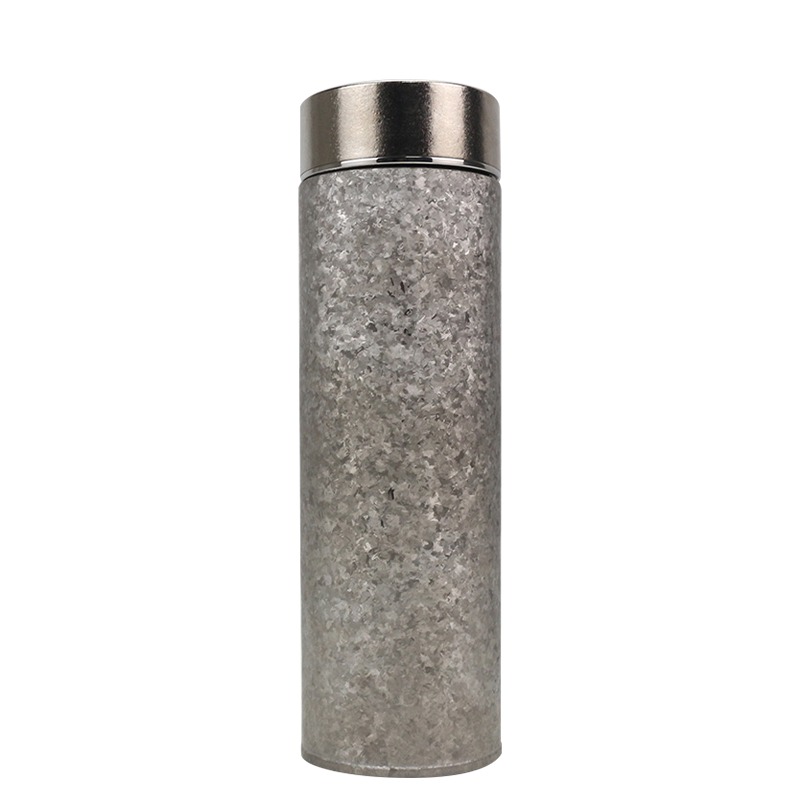
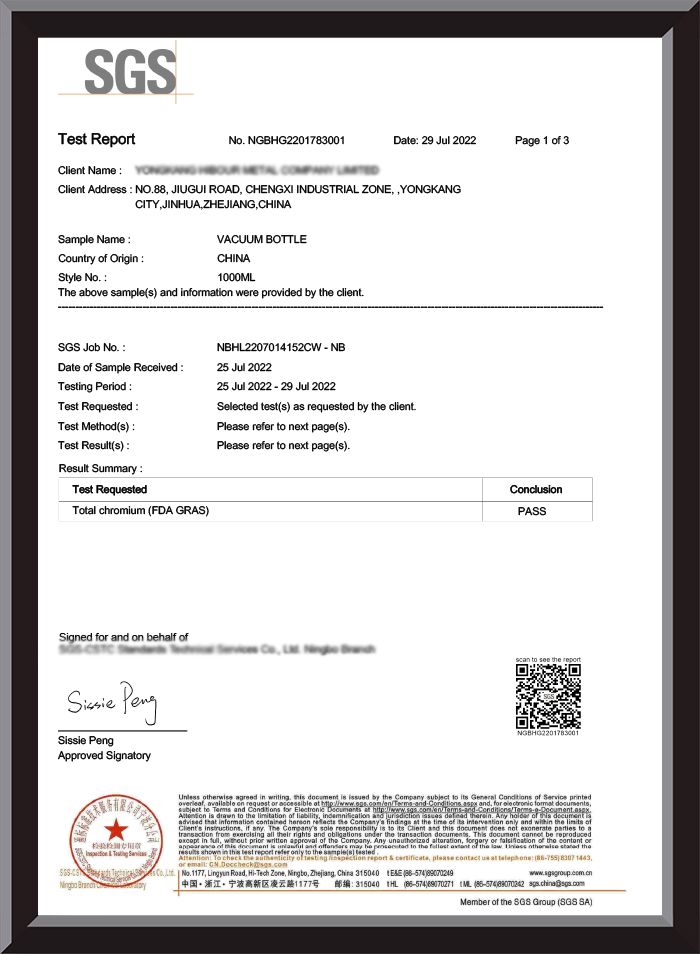
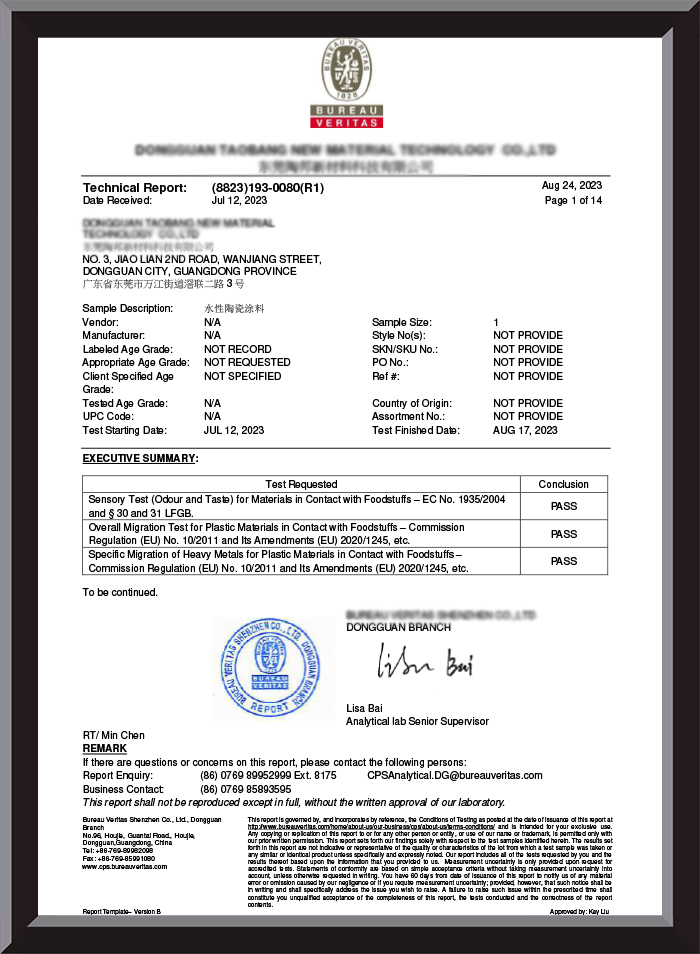
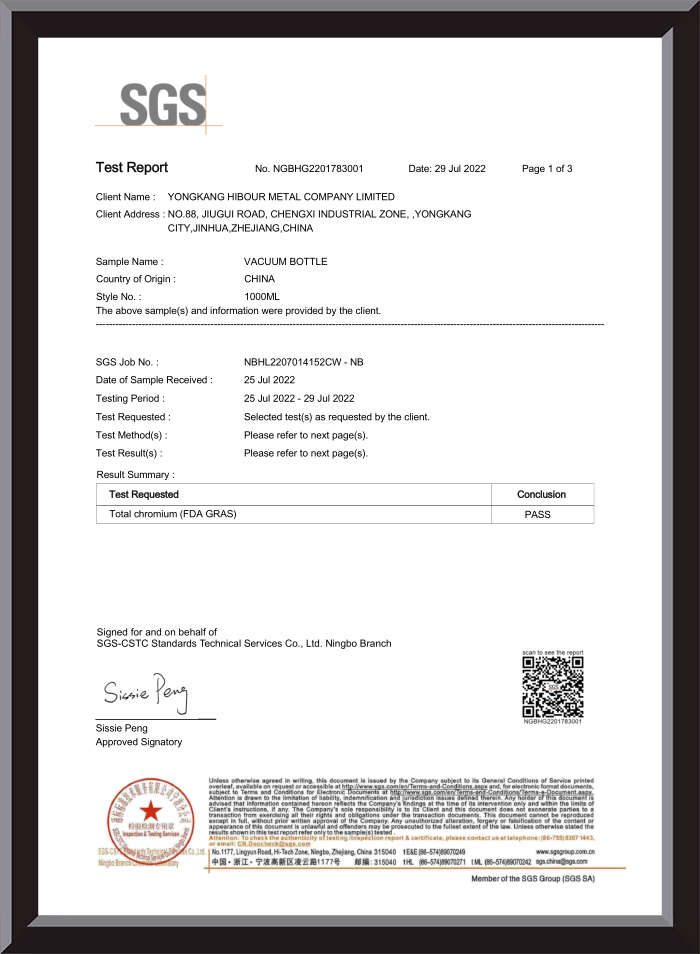
Safety approvals such as FDA, LFGB, etc. Comply wi...
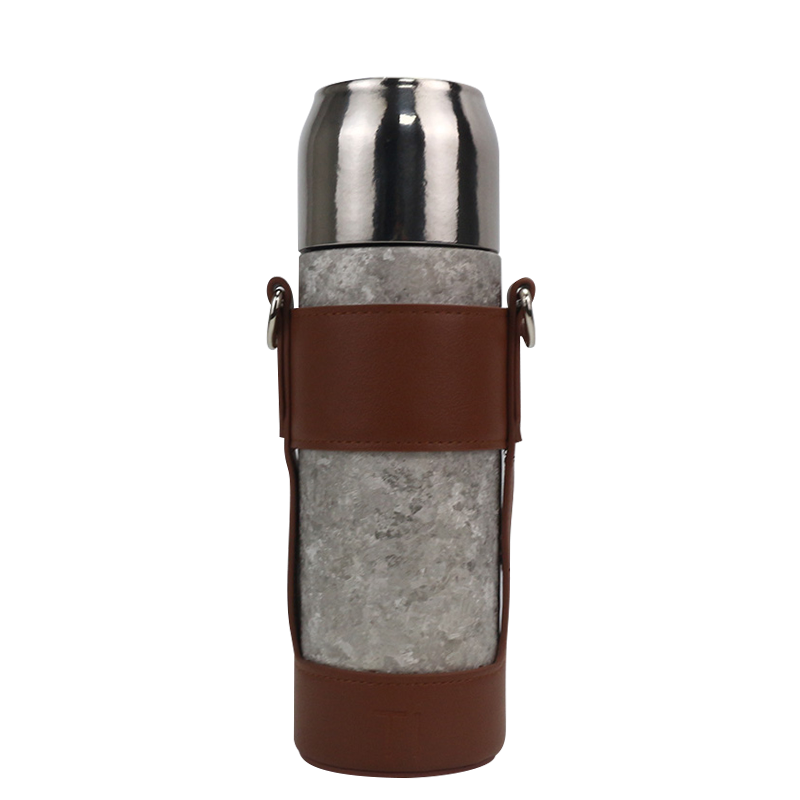
Safety approvals such as FDA, LFGB, etc. Comply wi...
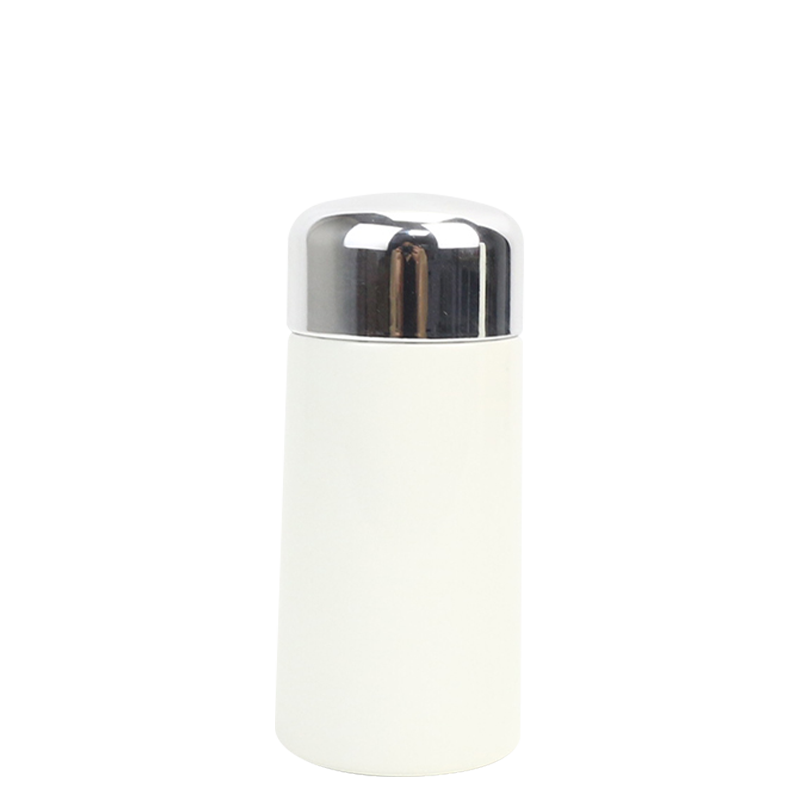
Safety approvals such as FDA, LFGB, etc. Comply wi...
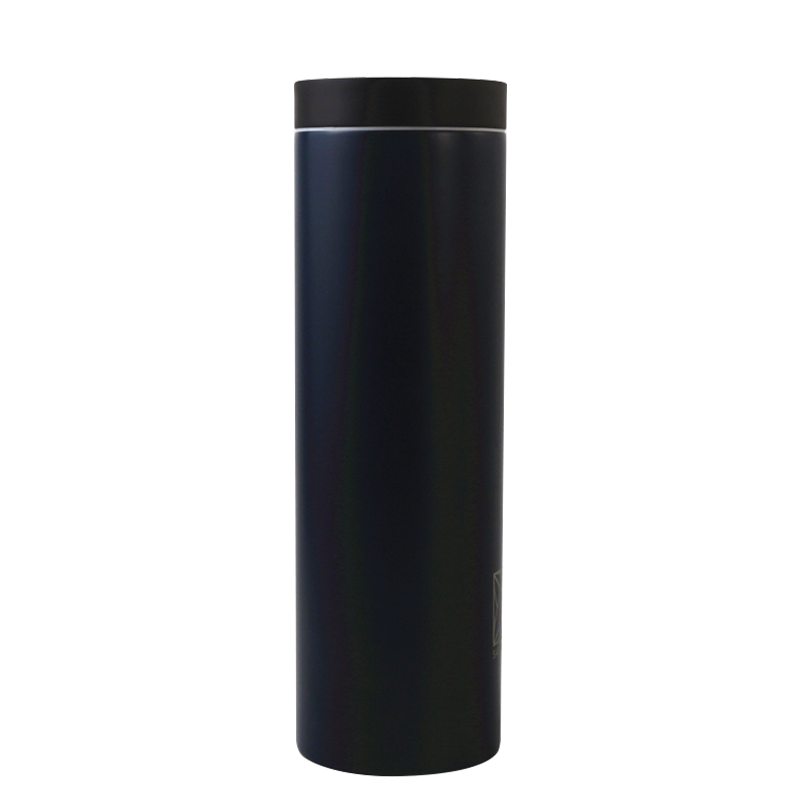
Safety approvals such as FDA, LFGB, etc. Comply wi...
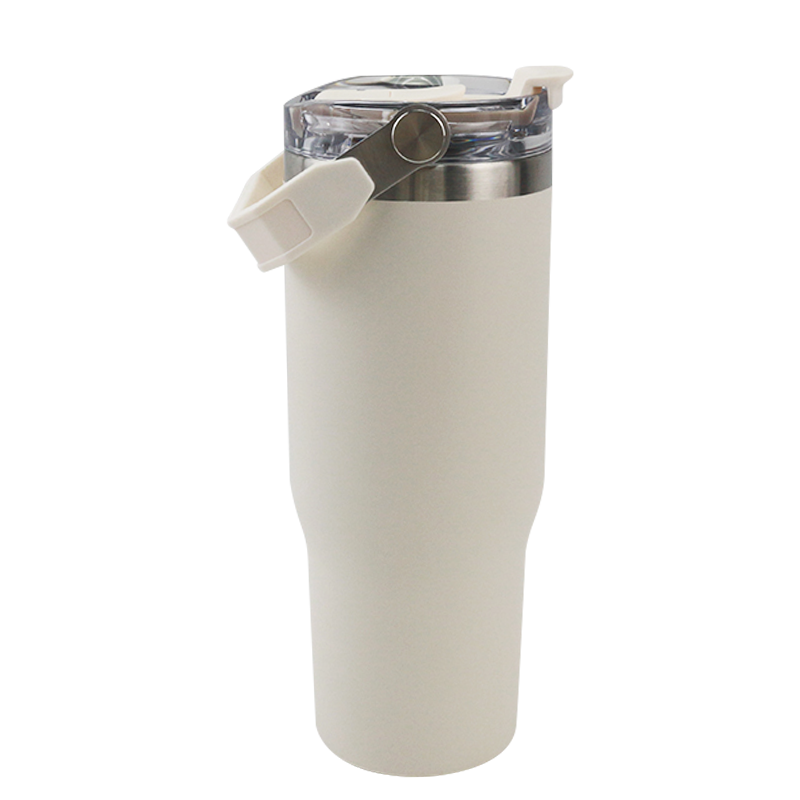
900ml Stepped-Bottom Thermos Stainless Steel Leak ...
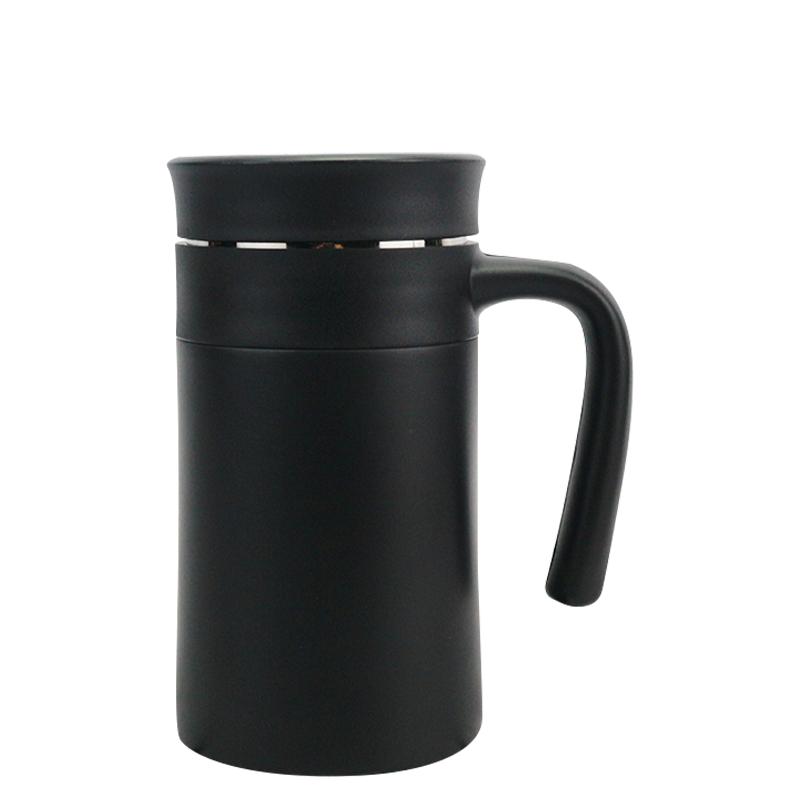
Safety approvals such as FDA, LFGB, etc. Comply wi...
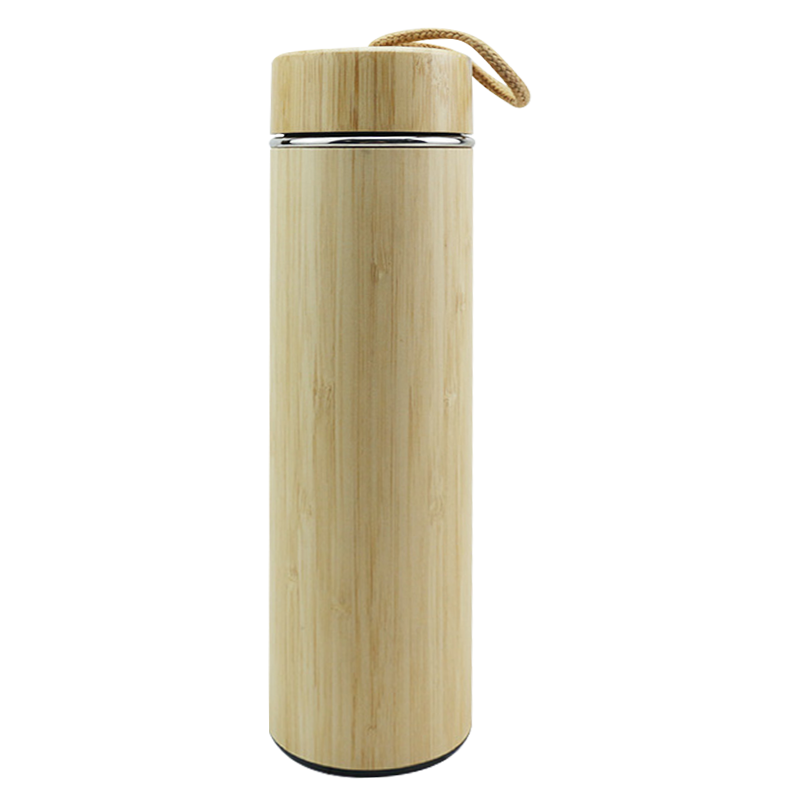
This 500ml Carrying Rope Bamboo Thermos Vacuum Cup...
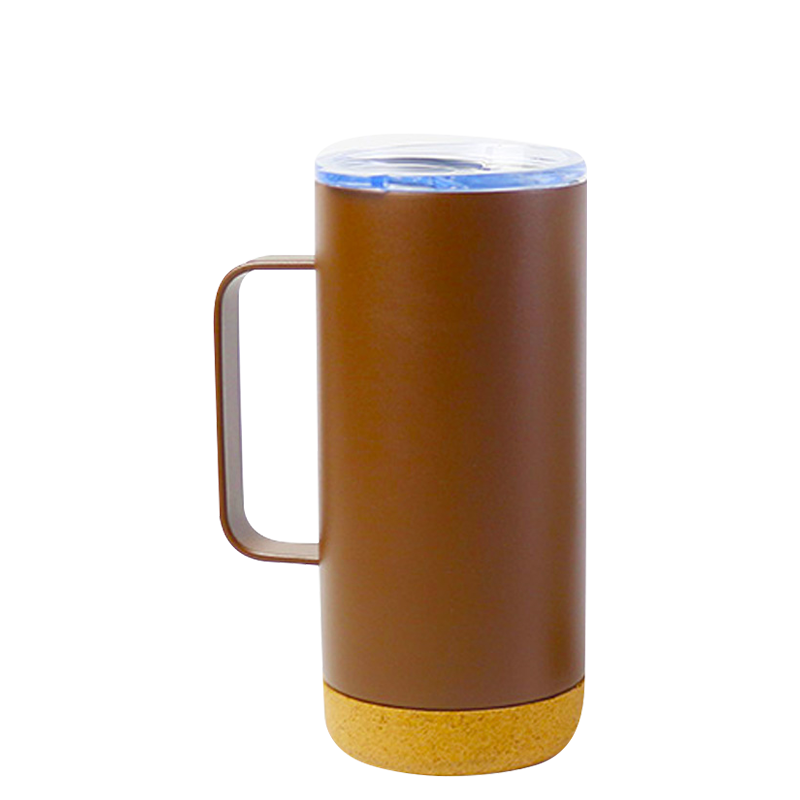
Safety approvals such as FDA, LFGB, etc. Comply wi...
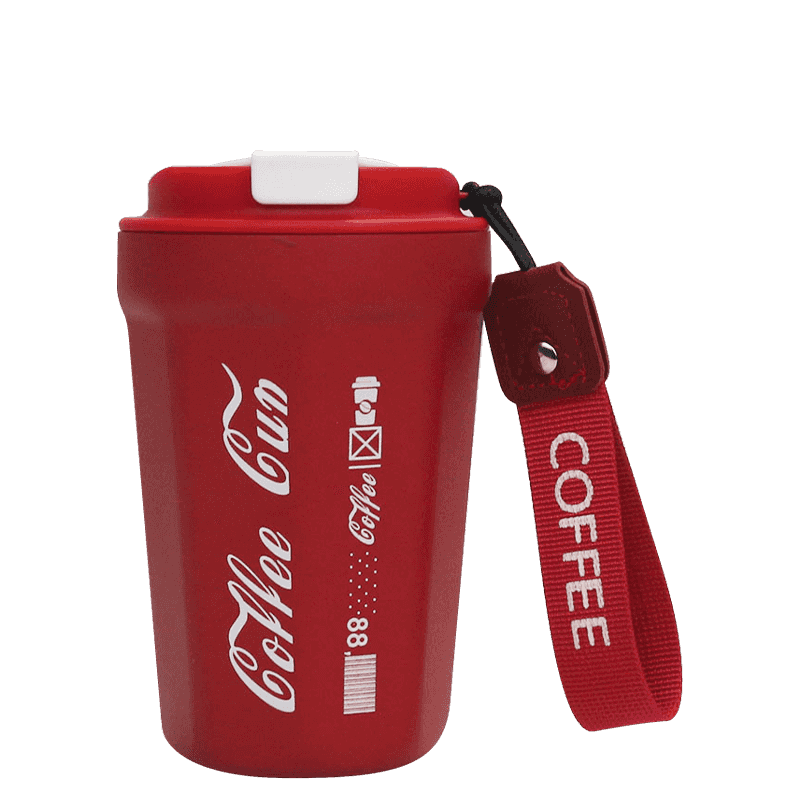
Safety approvals such as FDA, LFGB, etc. Comply wi...
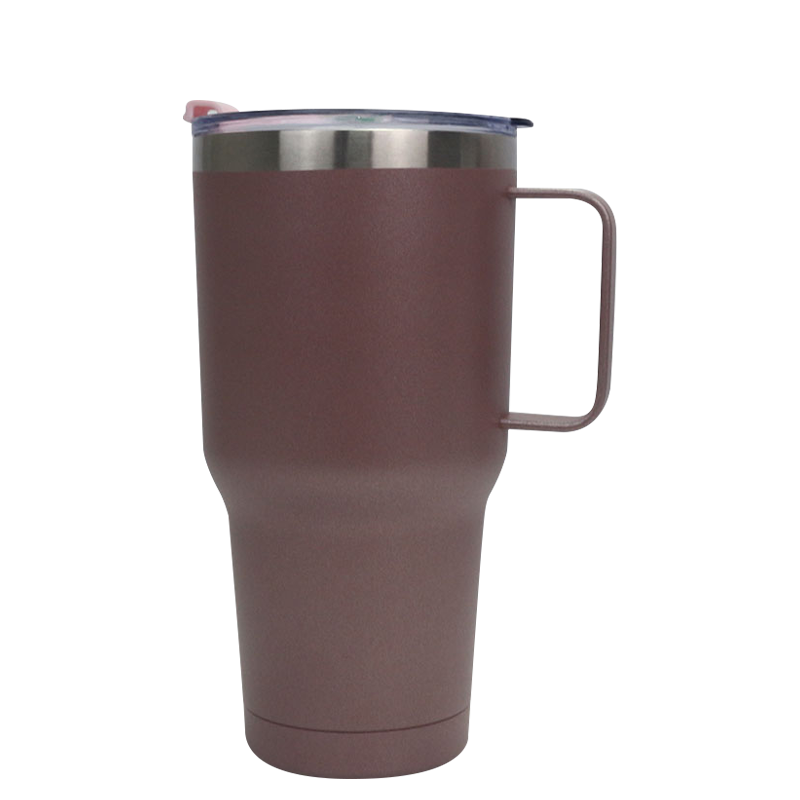
30 Oz Mug with Handle for Car – Large Capacity Dou...
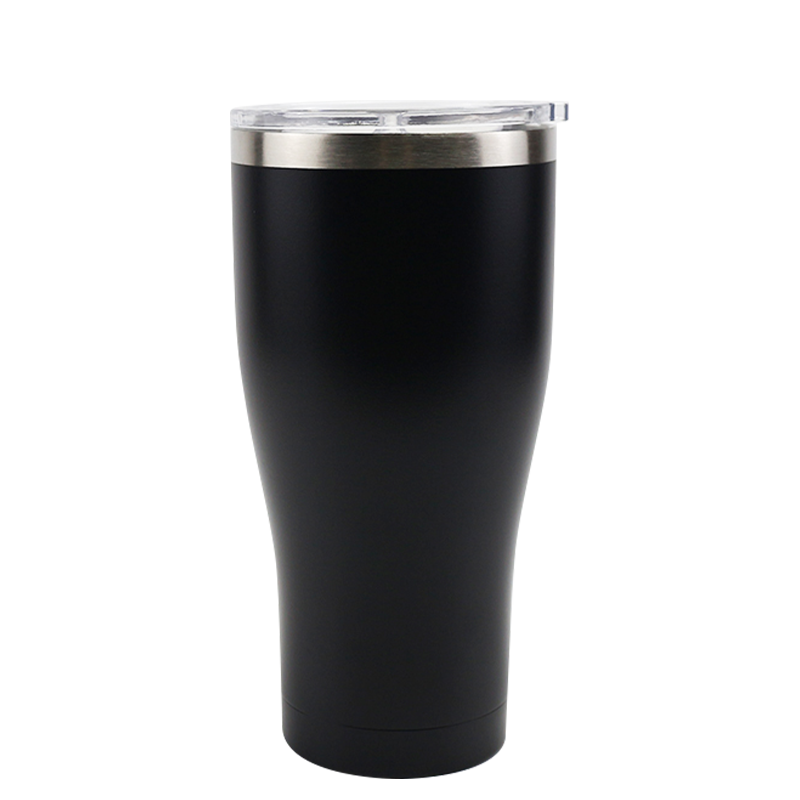
30oz Stainless Steel Car Cup with Large Diameter A...
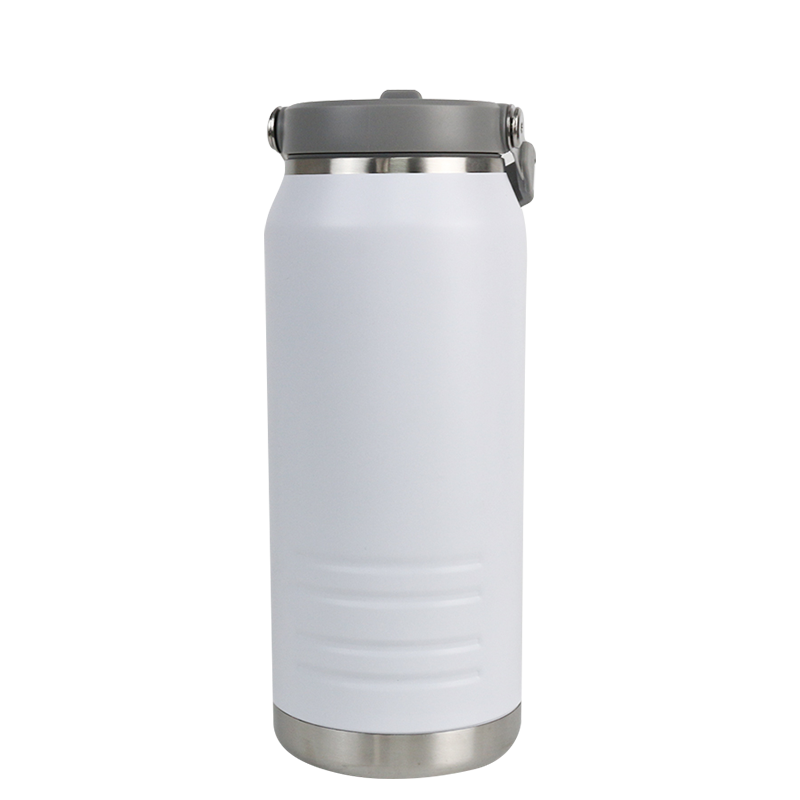
1200ml Stainless Steel Extra Wide Mouth Car Tumble...
If you've ever opened a bottle after a commute and found your coffee lukewarm—or discovered a slow leak in your bag—you already know what a vacuum flask is really for: reliability. Aijun vacuum flasks are made for everyday routines where temperature and sealing matter more than gimmicks, from morning drives to long meetings, gym sessions, and weekend trips.
Our vacuum flask range focuses on practical details that users feel immediately: steady heat/cold retention from double-wall vacuum construction, a lid system designed to close with confidence, and durable stainless-steel bodies that stand up to frequent use. Finishes and shapes are chosen for real carry situations, so the bottle is comfortable in hand and sensible in backpacks, work bags, and car storage.
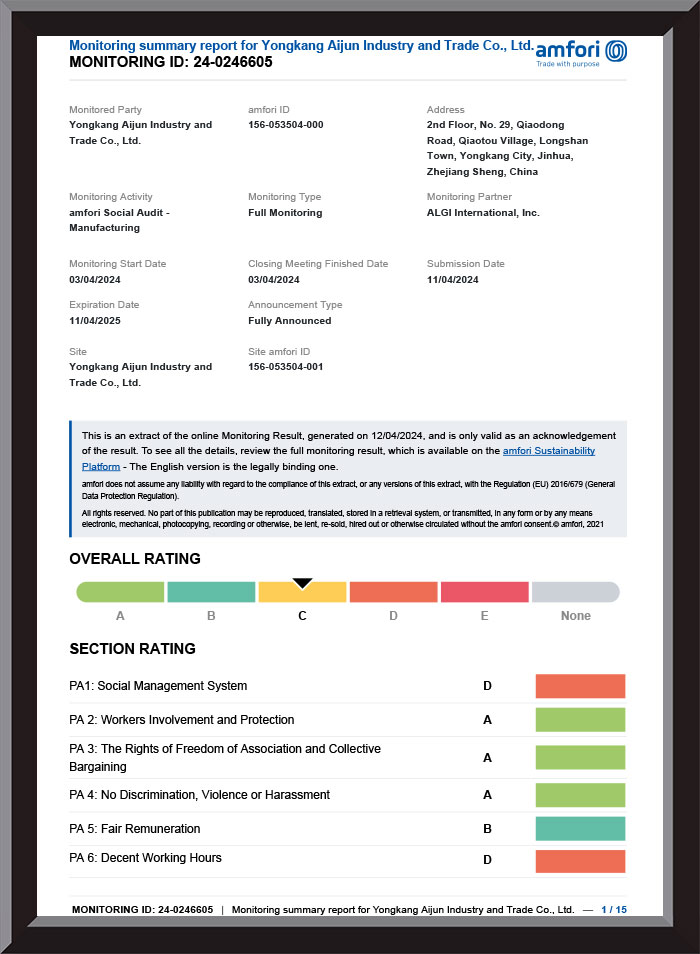
For brands and bulk buyers, Aijun supports customization and scale with an integrated workflow—product development, manufacturing, quality control, and export coordination. Options such as logo application, color matching, surface treatments, and packaging help you build a vacuum flask lineup that fits your channel, your audience, and your brand standards—without sacrificing consistency in the production run.


Lots of people these days just bring along their own insulated container whereve...
View MoreDriving involves long stretches behind the wheel, and having a drink close at ha...
View MoreInsulated containers for keeping drinks hot or cold have been around for quite a...
View MoreDaily drink containers have started shifting toward options that feel less damag...
View MorePeople often compare vacuum flasks by the easiest numbers: capacity and "hours hot/cold." In real life, the reason a bottle becomes a daily favorite is less about a single spec and more about whether it behaves predictably across hundreds of small moments—thrown into a bag, opened with one hand, left in a warm car, rinsed quickly between meetings. When buyers understand what creates that sense of trust, sourcing gets easier and customer complaints drop.
The first impression isn't insulation—it's the lid
A vacuum flask can have excellent insulation and still disappoint if the closure feels uncertain. The most common "bad bottle" stories start at the top: a cap that cross-threads, a drinking opening that dribbles, a seal that works for a month and then slowly gives up. That's why experienced buyers pay attention to how the lid engages and how the seal is supported.
A reliable closure usually has three traits:
Temperature claims are real—just not magic
Vacuum insulation works because the space between two walls is evacuated, reducing the pathways that move heat. That's the science. The buyer reality is that temperature retention depends on use patterns. A bottle opened every ten minutes will not behave like a sealed lab test. A cold bottle left in direct sunlight inside a vehicle will warm faster than one kept in shade. And a wide opening can trade convenience (ice, cleaning) for faster heat exchange at the mouth.
The healthier way to discuss performance—especially on a category page—is to connect retention to behavior: how long a drink stays enjoyable under normal opening and carrying habits, rather than implying a single number fits every scenario.
Materials influence taste, longevity, and customer perception
Food-grade stainless steel (often 304 / 18-8) remains the go-to for vacuum flasks because it's tough, resistant to corrosion, and generally neutral in taste when properly finished and cleaned. Lids frequently use BPA-free plastics for precision molding and lower weight, while silicone seals provide the elastic "memory" needed to keep contact pressure over time.
From a brand perspective, finishes also do work: a powder coat can improve grip and keep the exterior looking cleaner after repeated handling. For gifting programs, that "still looks good after weeks" factor matters as much as temperature performance.
What good "custom-ready" really means
Customization isn't only about putting a logo on steel. It's about whether the supplier can keep the whole presentation coherent: color tone, finish texture, logo clarity, and packaging that survives shipping without scuffing the product. For many projects, the packaging decision affects returns as much as the bottle itself—especially for e-commerce or corporate distribution.
A supplier with coordinated development, production, and QC can usually control those variables more tightly, because sample approvals are linked directly to manufacturing parameters and inspection checks.
A practical way to choose a vacuum flask line
If you're selecting models for a catalog, it helps to anchor decisions to where the bottle will be used:
A vacuum flask earns loyalty by being uneventful: no odd smells, no mystery drips, no disappointing temperature halfway through the day. When the engineering and production discipline support that "boring reliability," the product stops being a purchase and becomes a habit—which is exactly what strong drinkware brands are built on.
* Your email is safe with us, we don't spam.

Our company's products include vacuum flasks, beer mugs, coffee mugs, car tumbler, fire stove and tensile parts, etc.
Phone: +86-13566758039
Tel: +86-0579-87171178
Fax: +86-0579-87171178
E-mail: [email protected]
Add: No.29, Qiaodong Road, Qiaotouzhou Village, Longshan Town, Yongkang, Jinhua, Zhejiang, China.
Copyright © 2024 Yongkang Aijun Industry & Trade Co., Ltd.

Thermos Vacuum Insulated Bottle Supplier


 English
 中文简体
中文简体 日本語
日本語 Français
 Español