+86-13566758039

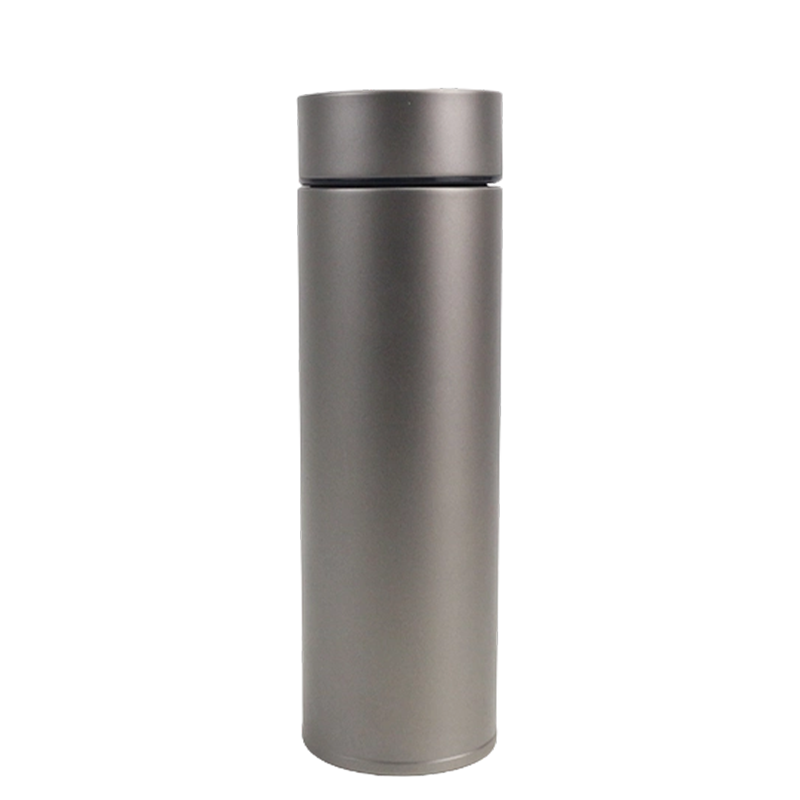
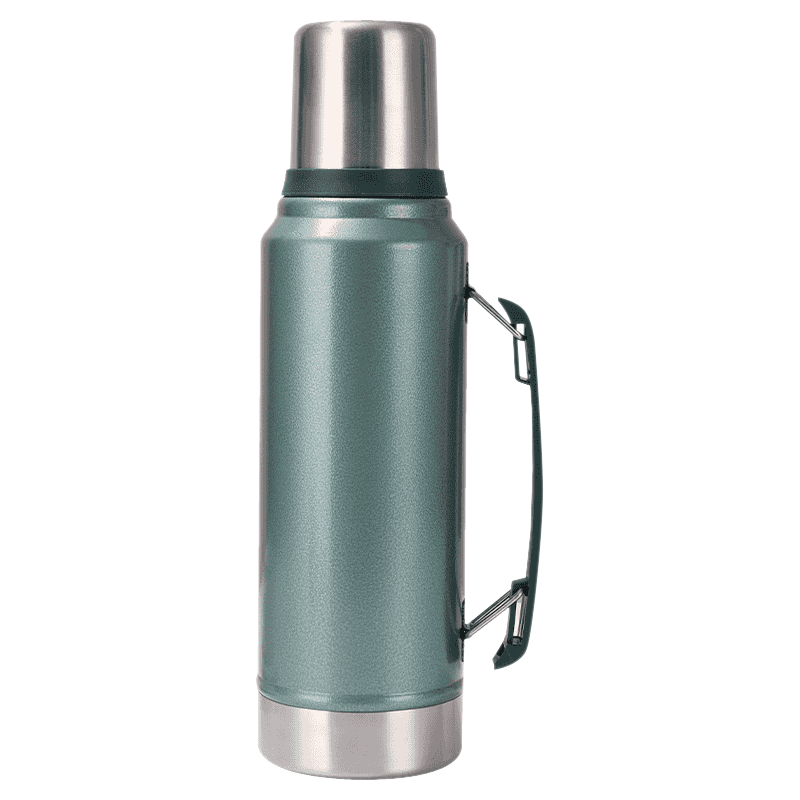
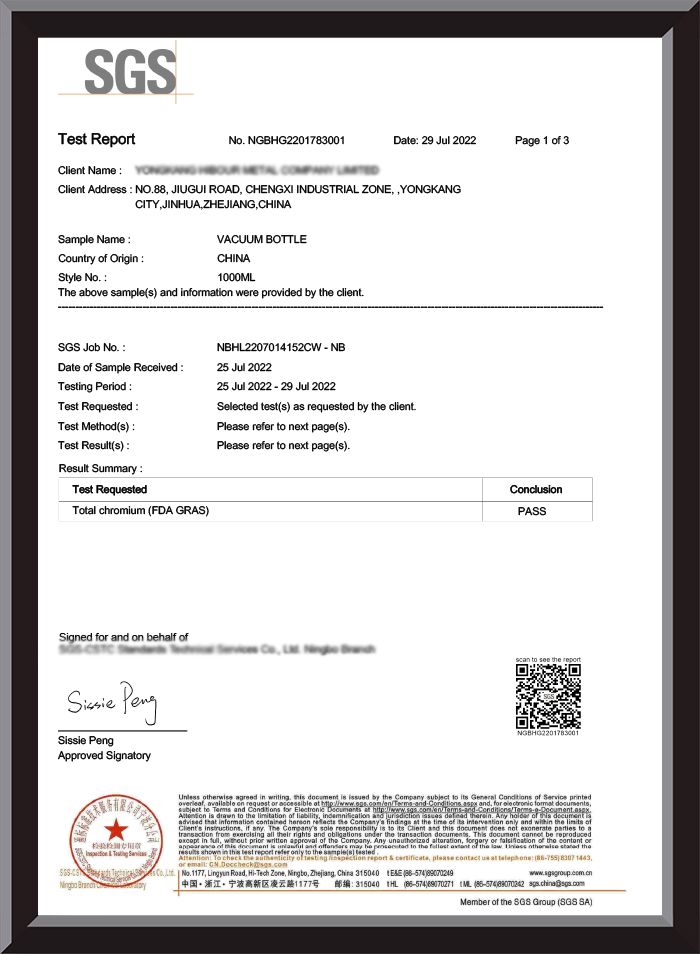
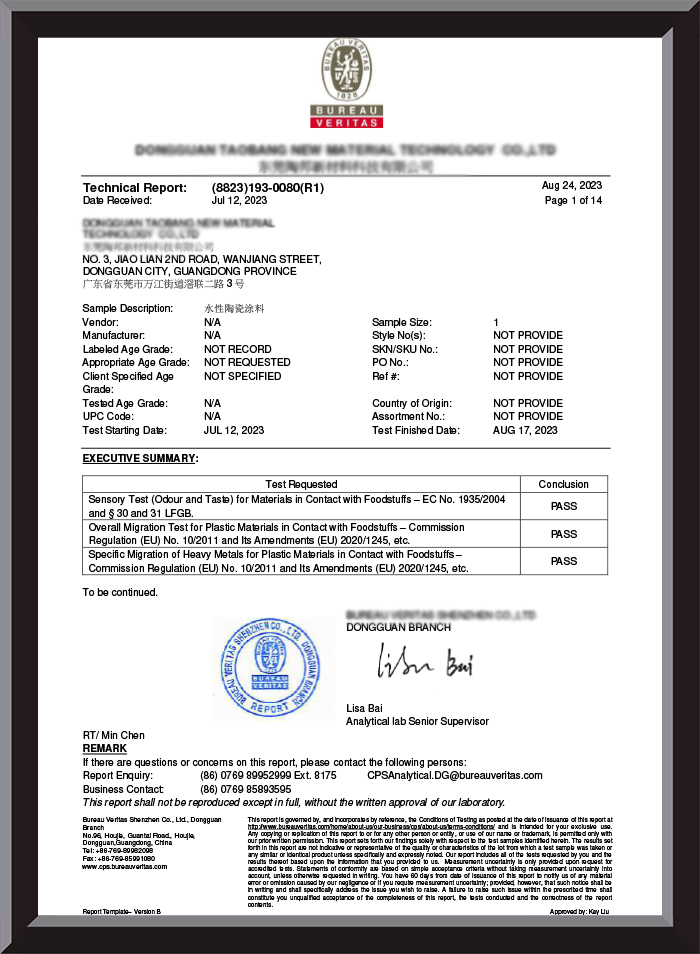
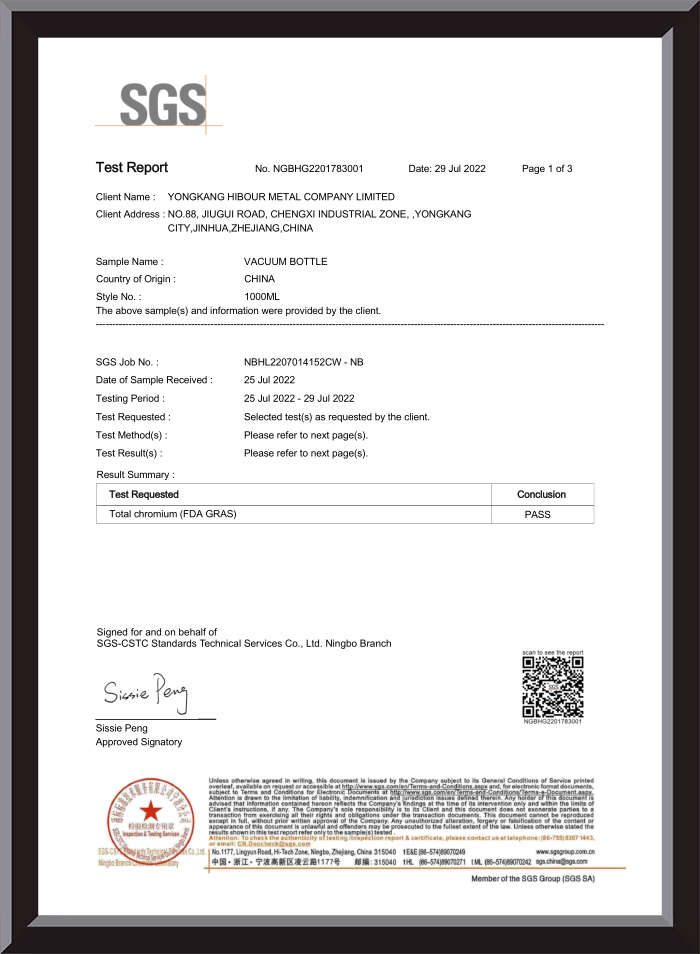
Safety certifications such as FDA, LFGB, etc Compl...
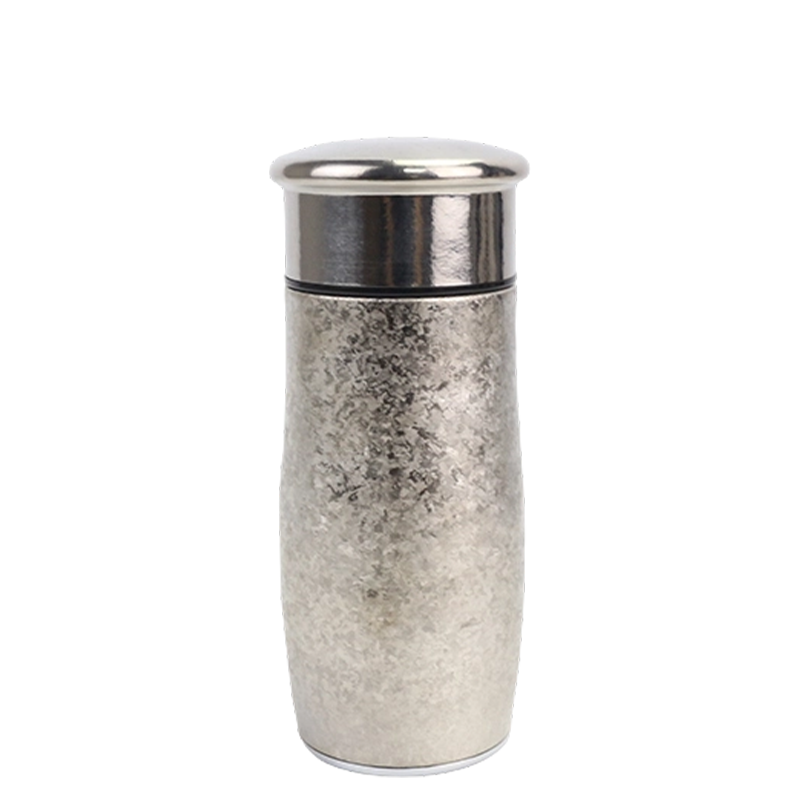
Safety certifications such as FDA, LFGB, etc Compl...
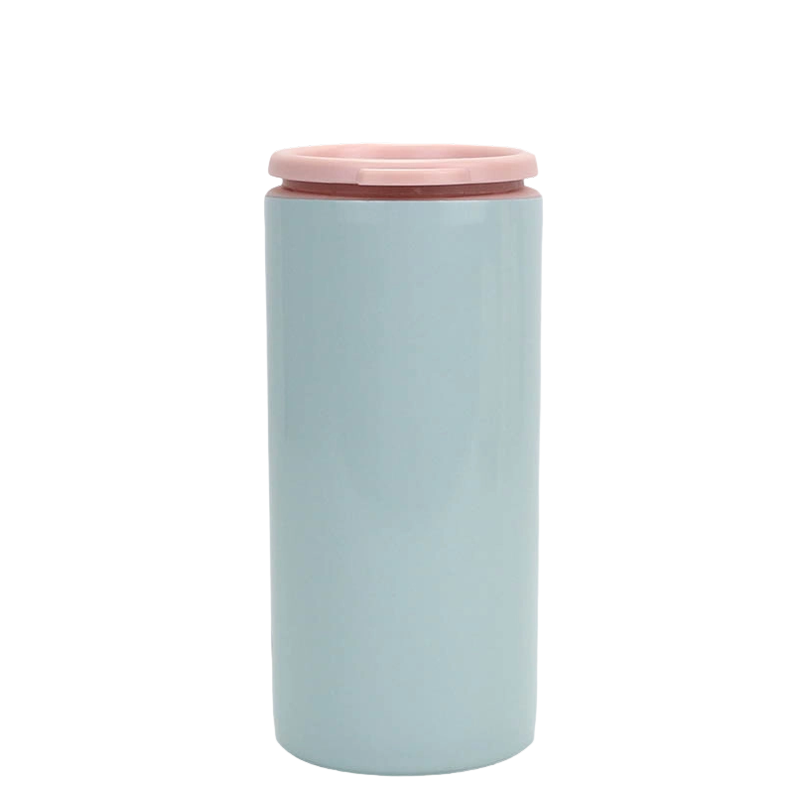
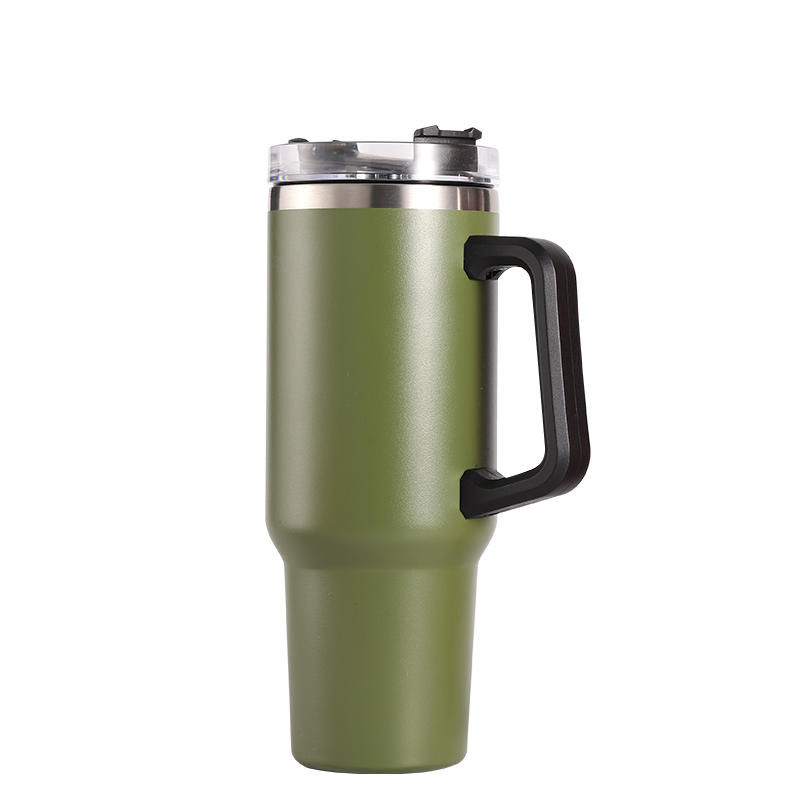
Safety certifications such as FDA, LFGB, etc. Comp...
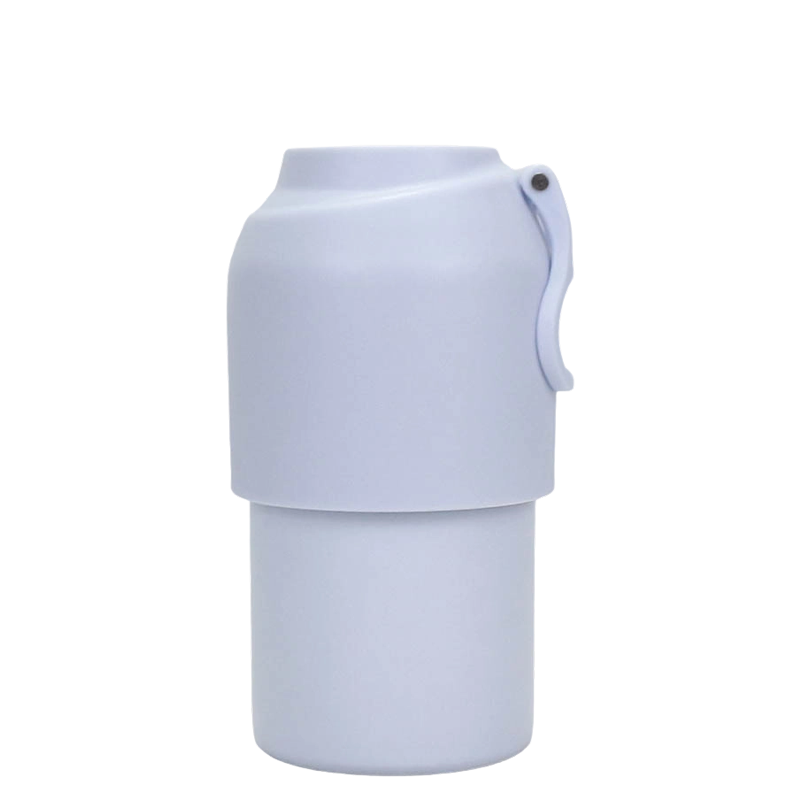
Safety certifications such as FDA, LFGB, etc. Comp...
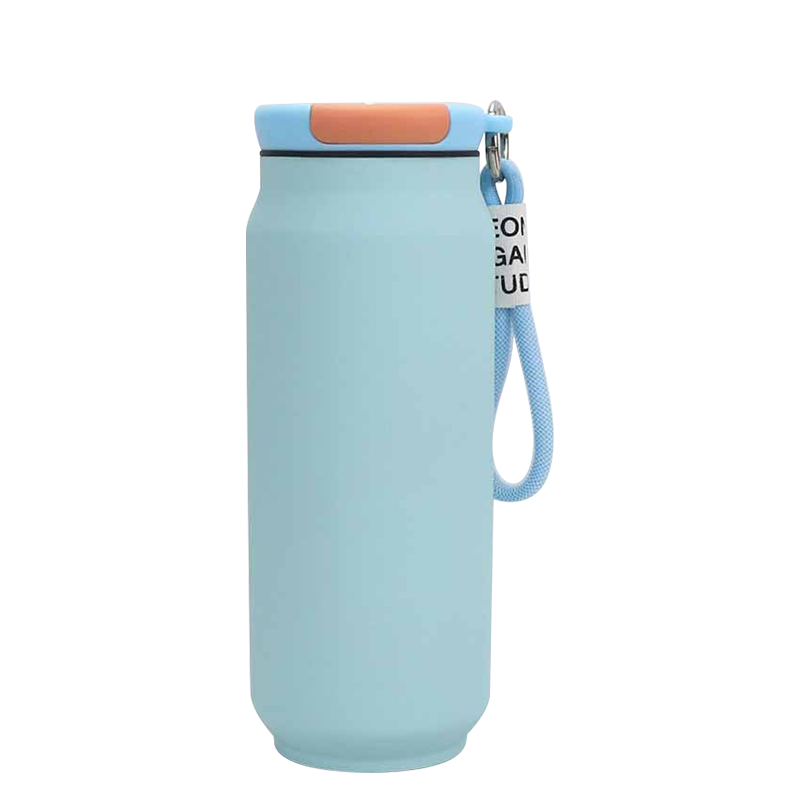
Safety Certifications such as FDA, LFGB, etc. Comp...
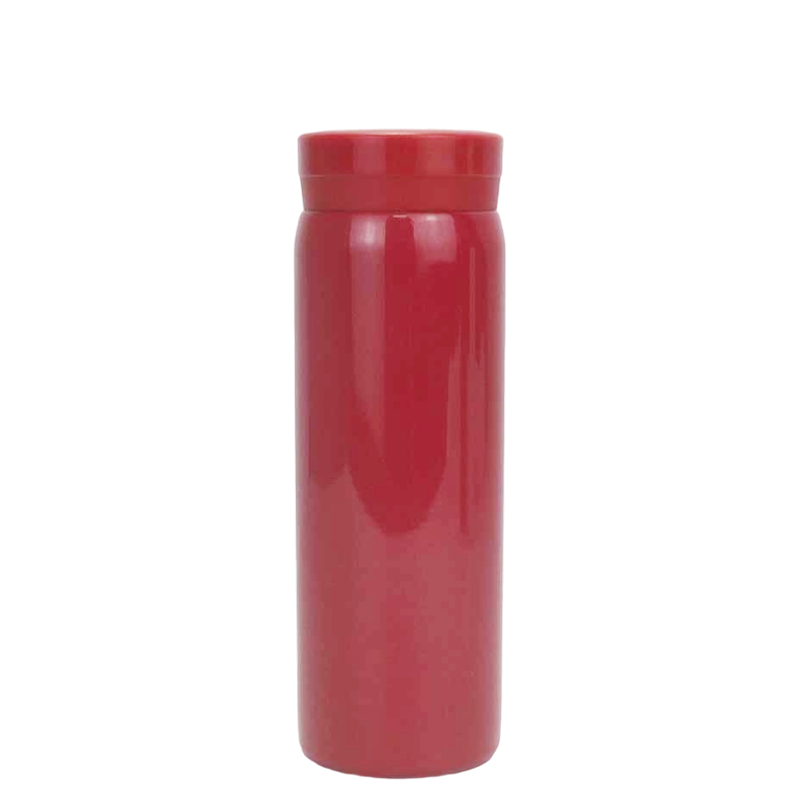
Safety Certifications such as FDA, LFGB, etc. Comp...
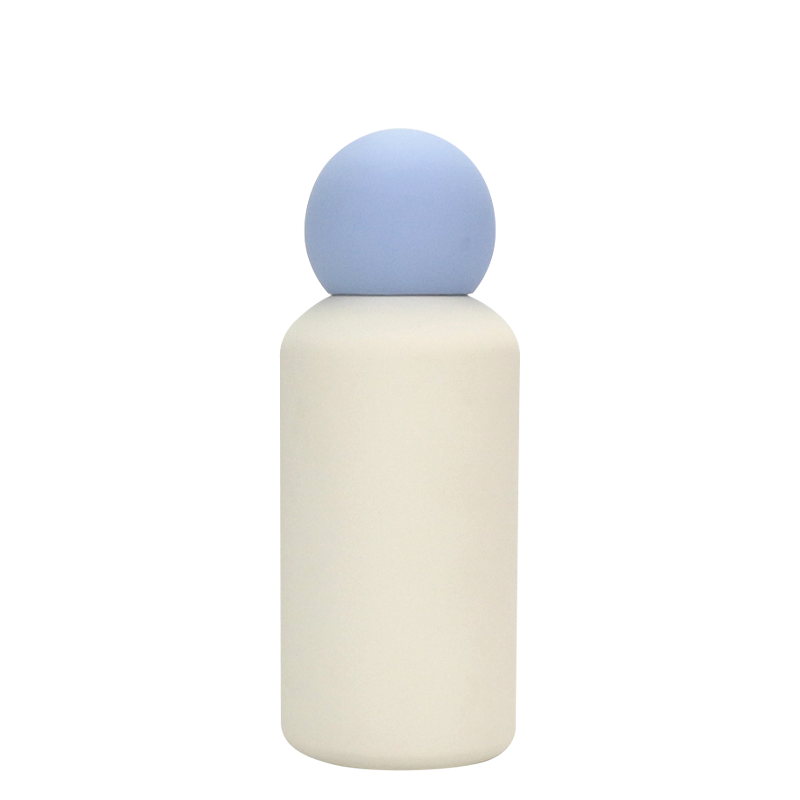
Safety approvals such as FDA, LFGB, etc. Comply w...
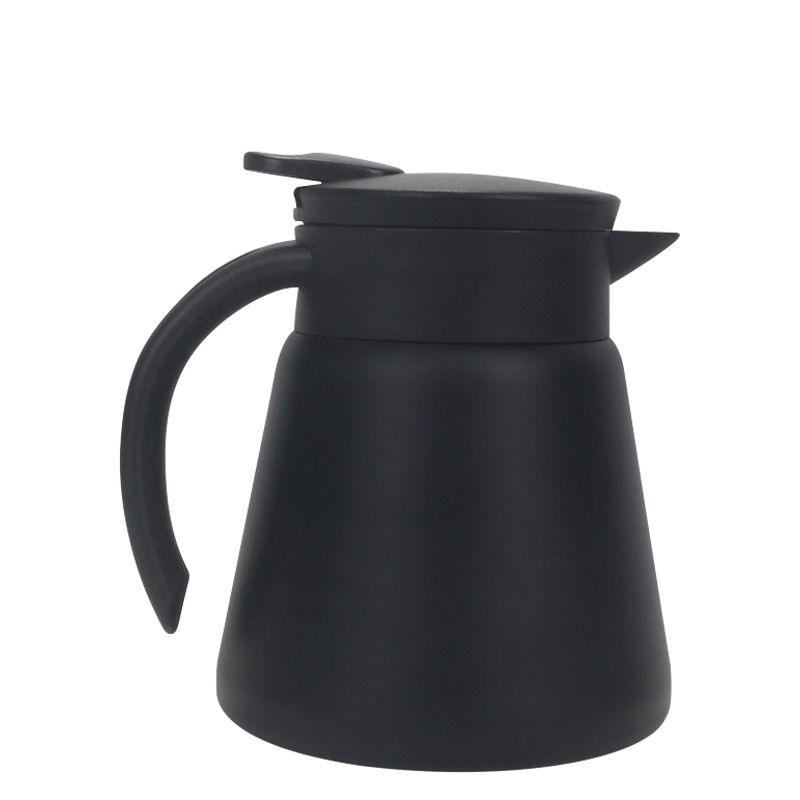
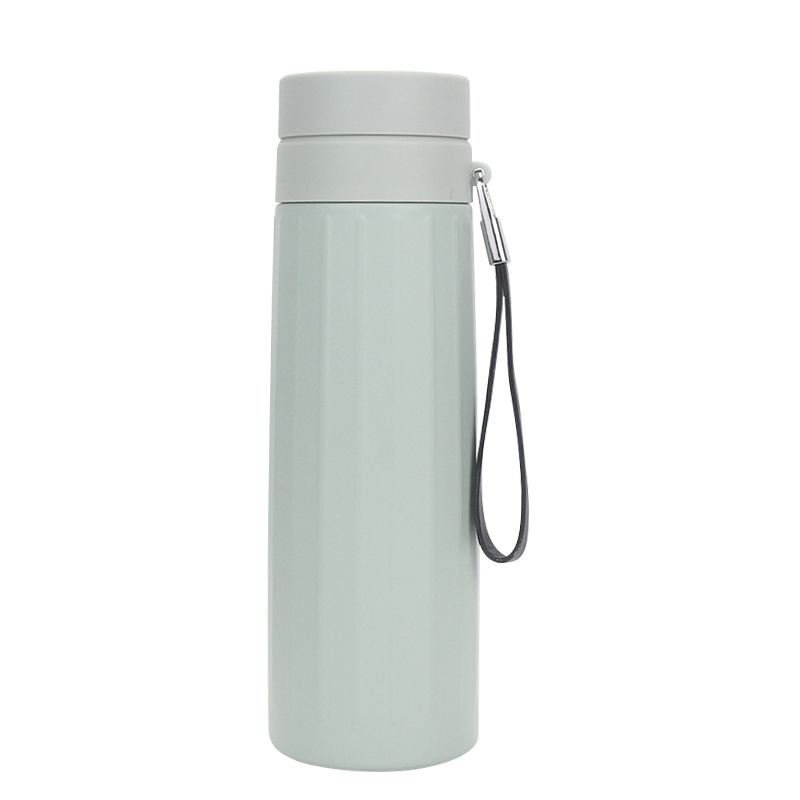
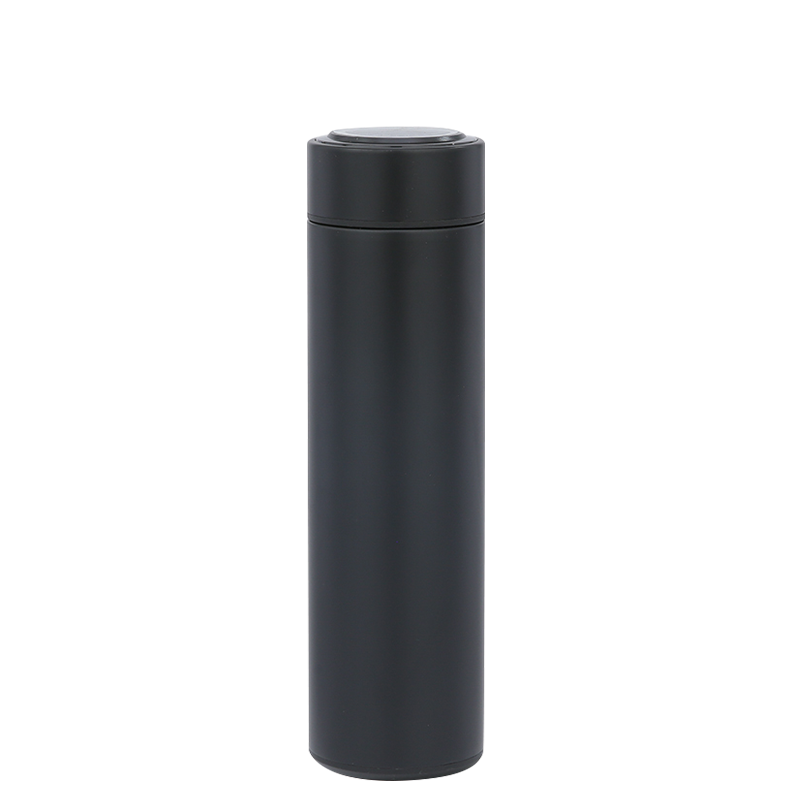
500ml 304 Double Seal Leakproof Vacuum Thermos wit...
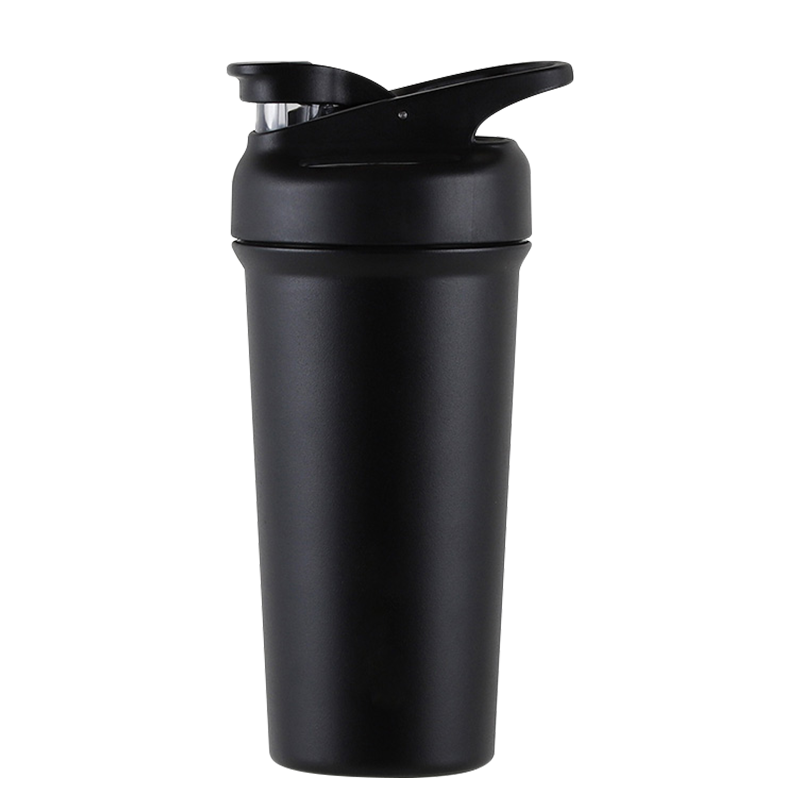
Safety approvals such as FDA, LFGB, etc. Comply wi...
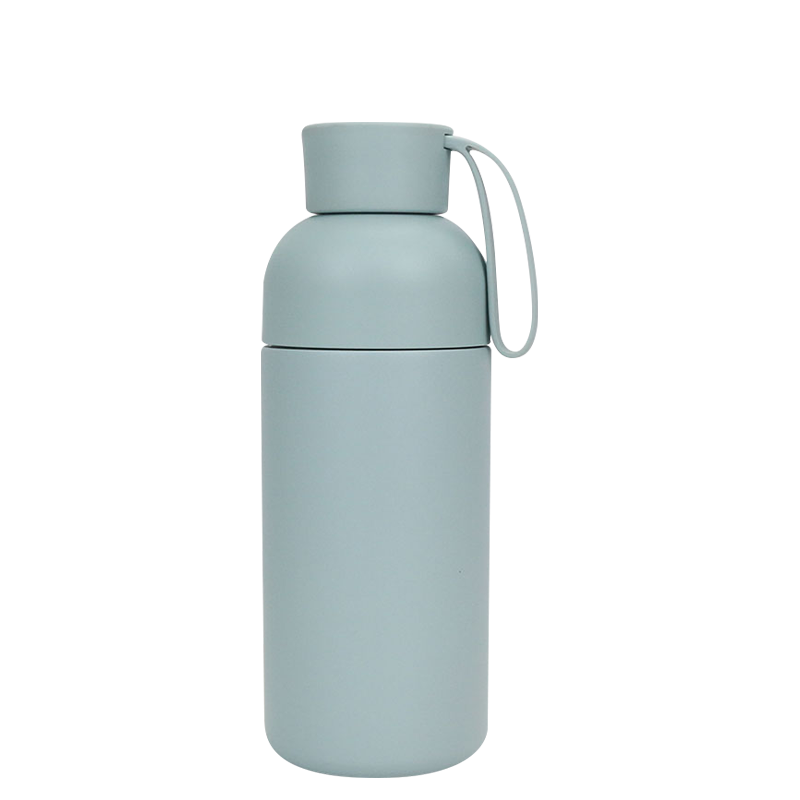
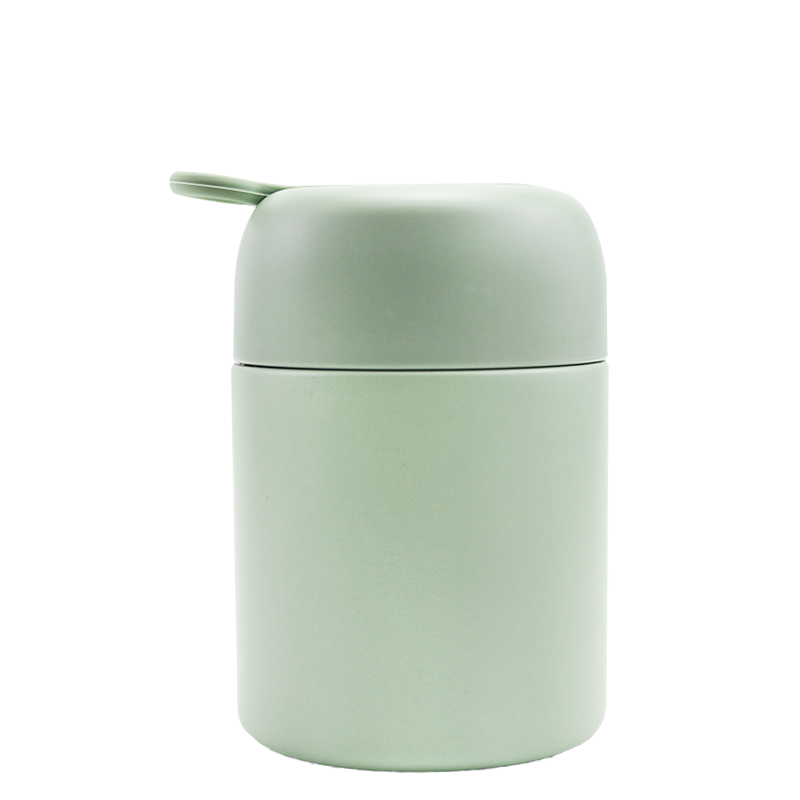
The 400ml Vacuum Thermos with a 316 Stainless Stee...
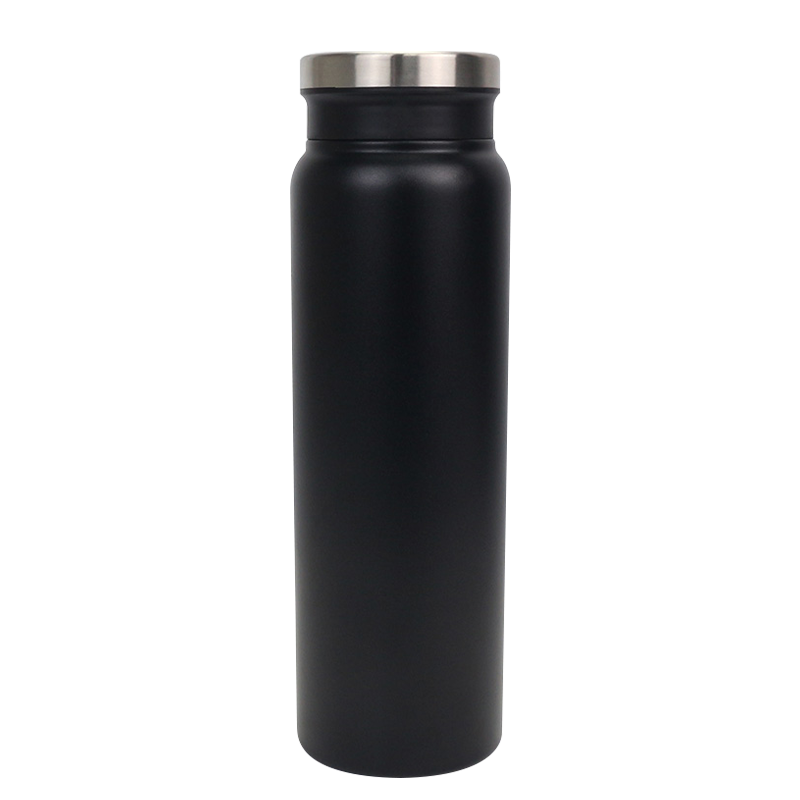
Safety approvals such as FDA, LFGB, etc. Comply wi...
A reliable vacuum thermos is one of those everyday tools you only notice when it fails. AIJUN Vacuum Thermos flasks are built to do the opposite: hold temperature steadily, travel without fuss, and feel good to use day after day.
Each thermos uses double-wall vacuum insulation to slow heat transfer, helping hot drinks stay comforting on early mornings and keeping cold beverages crisp through warm afternoons. The stainless-steel body is made for real routines—commutes, workdays, weekend trips—and the sealing design is intended to reduce leaks when the flask rides in a backpack, tote, or car.
AIJUN focuses on practical details that matter: comfortable shapes, lids that are easy to open and close, and finishes that balance durability with clean aesthetics. With multiple sizes and color options, it's easy to choose a bottle that matches your schedule and your style, whether you're packing coffee, tea, water, or something in between.
Beyond performance, reusability is part of the point. Choosing a well-made thermos helps reduce disposable cups and supports a "reduce, reuse, recycle" mindset—an approach AIJUN extends into supply chain choices, manufacturing improvements, and product design.



Outdoor camping keeps drawing more folks looking to unwind and spend time away f...
View MoreBamboo shoots up fast after you cut it, which makes it stand out as a highly vis...
View MoreDue to the long history of stainless steel cups, conventional electrolytic stain...
View MoreMobile work and everyday commuting have become normal for lots of people, meanin...
View MoreA vacuum thermos looks simple: a metal bottle with a lid. Yet when you compare a great one with an average one, the difference shows up fast—coffee that stays hot through a long morning, ice that survives the commute, and a bag that doesn't smell like yesterday's tea. Understanding why that happens helps you pick smarter, use it better, and keep it performing for years.
1) The "vacuum" is the real technology
The core idea is removing air from the gap between two walls. Air carries heat surprisingly well through conduction and convection. When that space becomes a vacuum, there's far less material for heat to travel through, so temperature changes slow down dramatically.
In practical terms, it's the reason a vacuum thermos can handle winter mornings and summer afternoons with the same calm consistency.
2) Heat loss usually happens at the top
People talk about the bottle body, but the lid is often the weak point. The opening is where warm air escapes and cold air sneaks in, especially when you open it frequently. A well-designed lid reduces that exchange with tighter sealing surfaces and materials that don't transfer heat quickly.
If you're choosing between models, pay attention to how the lid closes, how it vents (if at all), and whether it's designed to resist leaks when the bottle tips in a bag.
3) Stainless steel isn't just "premium"—it's practical
Food-grade stainless steel is valued for three reasons:
A tough body also helps protect the vacuum layer. If the bottle is severely dented, the insulation can be compromised, which is why build quality matters beyond appearance.
4) Size and shape should match how you drink
Bigger bottles can maintain temperature longer because there's more liquid mass, but they add weight and may be less convenient. A smart way to choose capacity is to think in “drink cycles”: how much you realistically finish before you can refill. For office use, medium sizes often work well. For travel, long shifts, or outdoor days, a larger thermos can make more sense.
Wide-mouth designs are easier to fill, add ice to, and clean. Narrower mouths can pour or sip more neatly. Neither is universally better; it's about routine.
5) Sustainable habits are built on convenience
Reusable drinkware only reduces waste when people actually use it. That's why easy cleaning and reliable leak resistance matter—they remove the friction that sends people back to disposable cups.
A thermos that rinses clean quickly, dries without trapping odors, and travels without spills becomes a default choice. Over time, that's where the environmental benefit appears: fewer single-use cups, fewer plastic bottles, and less everyday waste.
6) Simple care that keeps performance strong
A few small habits extend lifespan:
A well-maintained vacuum thermos can stay fresh, clean, and reliable for years—making it both a practical purchase and a more responsible one.
A vacuum thermos isn't a luxury item. It's a small piece of applied science that makes daily life smoother—hot when you need warmth, cold when you need relief, and sturdy enough to keep up with everything in between.
* Your email is safe with us, we don't spam.

Our company's products include vacuum flasks, beer mugs, coffee mugs, car tumbler, fire stove and tensile parts, etc.
Phone: +86-13566758039
Tel: +86-0579-87171178
Fax: +86-0579-87171178
E-mail: [email protected]
Add: No.29, Qiaodong Road, Qiaotouzhou Village, Longshan Town, Yongkang, Jinhua, Zhejiang, China.
Copyright © 2024 Yongkang Aijun Industry & Trade Co., Ltd.



 English
 中文简体
中文简体 日本語
日本語 Français
 Español